



Apple is reportedly building support for Google Cast and other AirPlay alternatives directly into iOS 27, a move tied to EU interoperability rules for third-party devices. Bloomberg's Mark Gurman reportedly said in late May 2026 that iOS 27 will support third-party AirPlay alternatives, allowing users to set AirPlay, Google, or another option as the default for sending audio and video from an iPhone to a speaker or TV, as The Verge reported. The change is expected to be among the more visible DMA-driven shifts to land on ordinary users' devices since EU enforcement began.
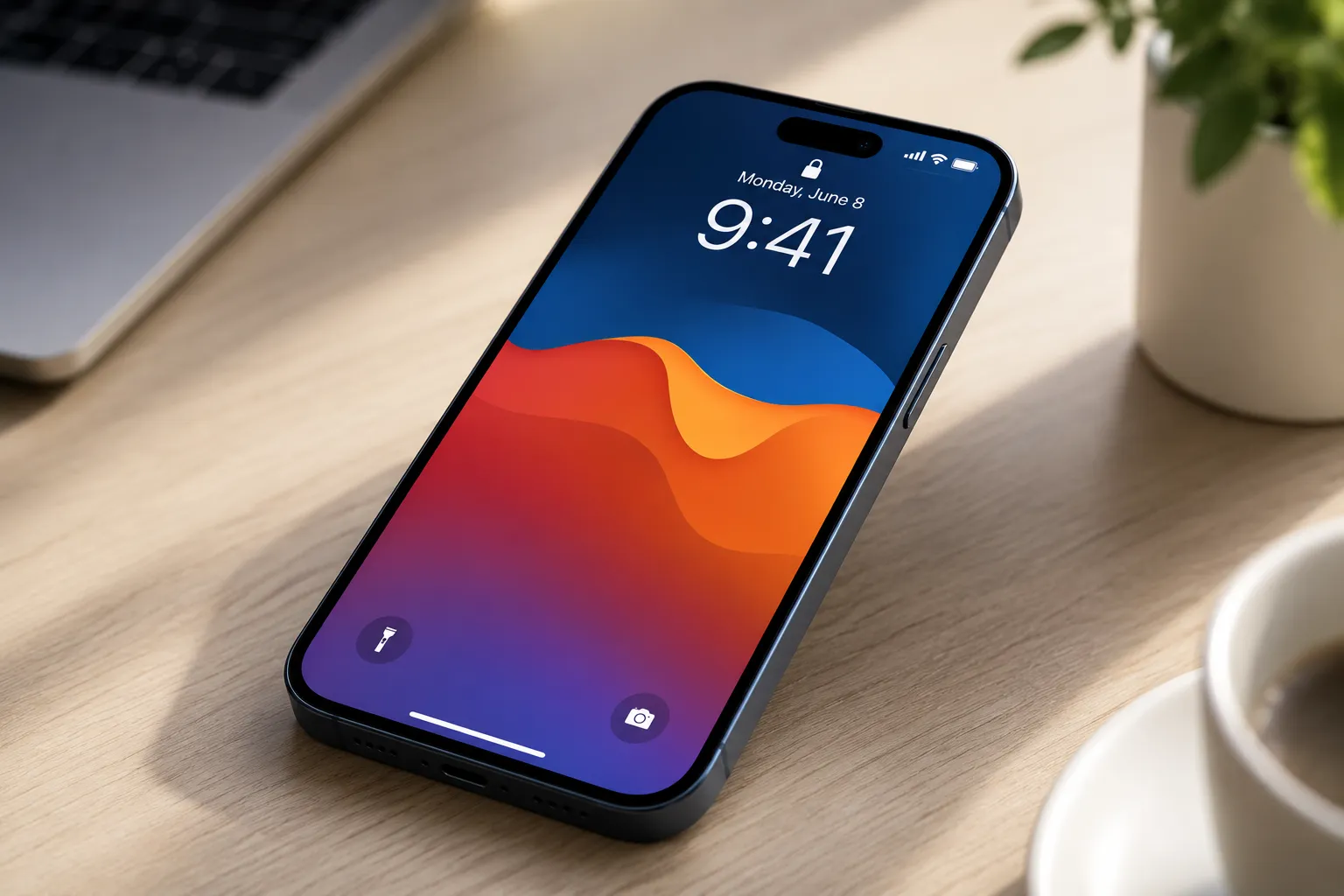
The implementation details are not yet confirmed. How deep the integration runs — whether it surfaces in the system share sheet and Control Center or only through individual developer APIs — will determine whether this is a genuine change in daily experience or a box checked on a compliance form. Apple is scheduled to open WWDC26 with a keynote on June 8, 2026, at 10 a.m. PT, when iOS 27 details could become clearer.
What iOS 27 Google Cast support could look like for iPhone users
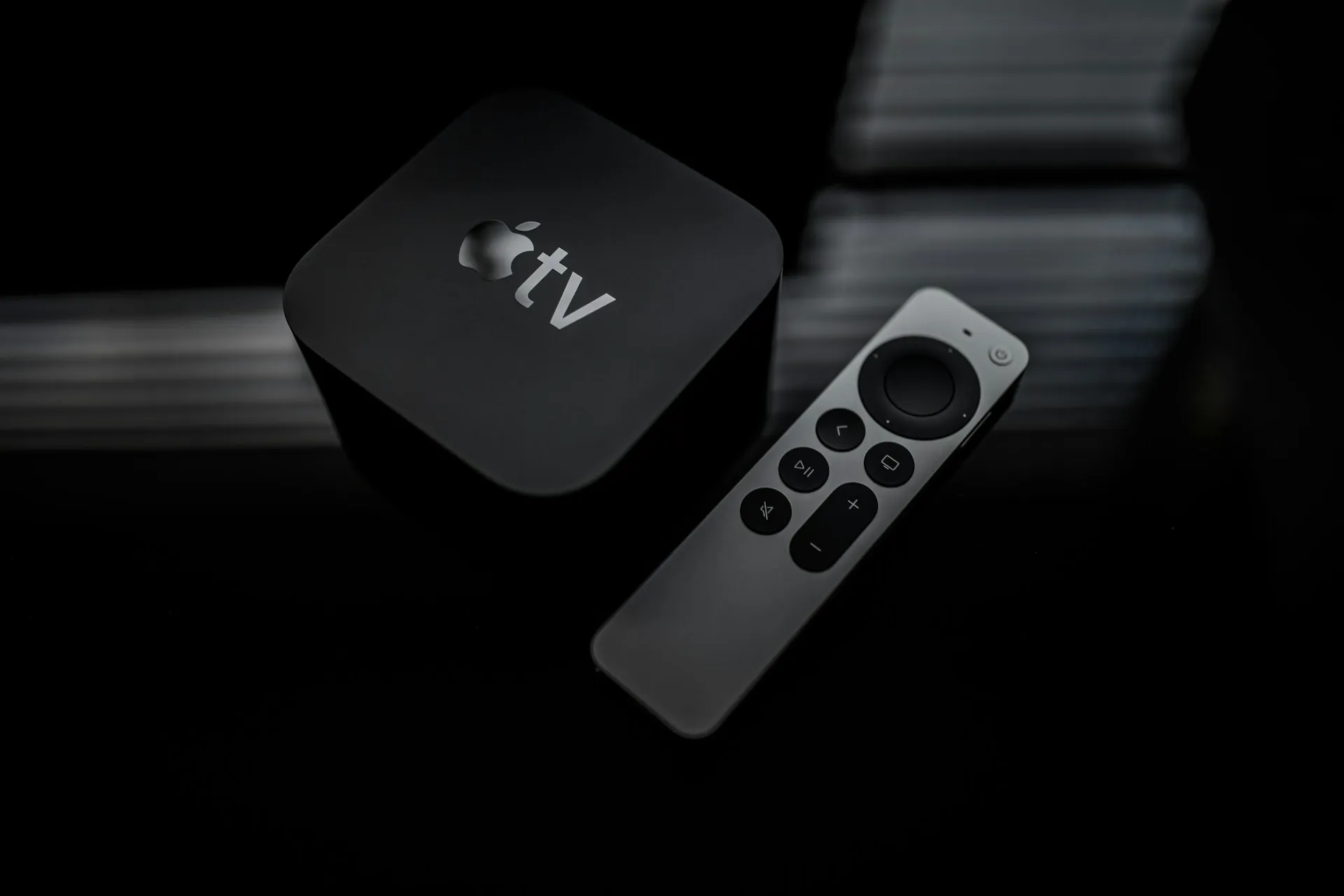
If the report is accurate, EU users could choose a non-AirPlay casting option for sending media from an iPhone or iPad to compatible TVs and speakers. If it works as described, a Chromecast destination could sit alongside Apple TV in the system share sheet, though the exact UI remains unconfirmed.
Many DMA-driven changes so far have been more visible to developers than everyday users, including alternative app marketplaces, outside payment options, and app distribution outside Apple's usual App Store model. Casting is different: it is the kind of change users would notice the moment they try to send a video, song, or photo to a nearby TV or speaker.
The most direct beneficiaries would be iPhone users in mixed-device households — people who own a Chromecast, an Android TV, or a non-Apple smart speaker and have had to work around AirPlay's compatibility limits. The reporting leaves open which casting targets are supported and whether the change operates at the OS level or only through individual app adoption. Those questions remain the key variables.
Why EU rules matter for AirPlay alternatives
The legal foundation is a pair of binding specification decisions the European Commission adopted on March 19, 2025, following Apple's designation as a gatekeeper under the Digital Markets Act. The first set of measures covers nine iOS connectivity features predominantly used by smartwatches, headphones, and TVs, while the second is meant to make Apple's interoperability request process more transparent and predictable for developers.
Google Cast, in other words, would be one piece of a larger interoperability push. The Commission said the measures are meant to give third-party device makers improved access to iPhone features used by smartwatches, headphones, and TVs, including notification display on smartwatches, faster data transfers, and easier setup.
The Commission also said Apple must make its interoperability process more transparent and predictable for developers, including better technical documentation, timely communication, and clearer review timelines.
Per AP, Apple has pushed back on the framework, arguing that broad interoperability requirements could weaken privacy, security, and the integrated experience of its products. The Commission has taken the opposite view: its March 2025 decisions say interoperability can be expanded while respecting user privacy, security, and the integrity of Apple's operating systems. That tension is why the exact design of any Google Cast support matters.
Why this may stay EU-only
Current reporting indicates Apple intends to limit the casting changes to EU users, as The Verge reported. That tracks with the legal reality: the DMA's obligations arise specifically from Apple's EU gatekeeper designation, and there is no equivalent regulatory mandate applying pressure elsewhere.
This would extend a divergence already underway. Apple has already enabled alternative app marketplaces, Web Distribution, and alternative payment options in the EU under earlier DMA changes. Casting alternatives would be the latest addition to a growing list of iPhone features available in Europe but not elsewhere.
For now, the practical takeaway is simpler: EU iPhone users may get casting choices that users elsewhere do not.
What to watch for at WWDC26
When Apple previews its next software updates at WWDC26 on June 8, 2026, the key question will be whether this reported casting change appears in iOS 27 — and, if it does, how deeply it is built into the system. A system-level option would matter more to users than an API that only works when individual apps adopt it. Until Apple shows the feature, Control Center, the share sheet, supported devices, and EU-only limits remain open questions.
If Google Cast support arrives as reported, it would show the DMA moving beyond app stores and payments into the everyday ways iPhones connect with TVs, speakers, headphones, and wearables.


Comments
Be the first, drop a comment!