





Searches for iOS 27 MagSafe Wallet designs are mixing together two different kinds of Wallet news.
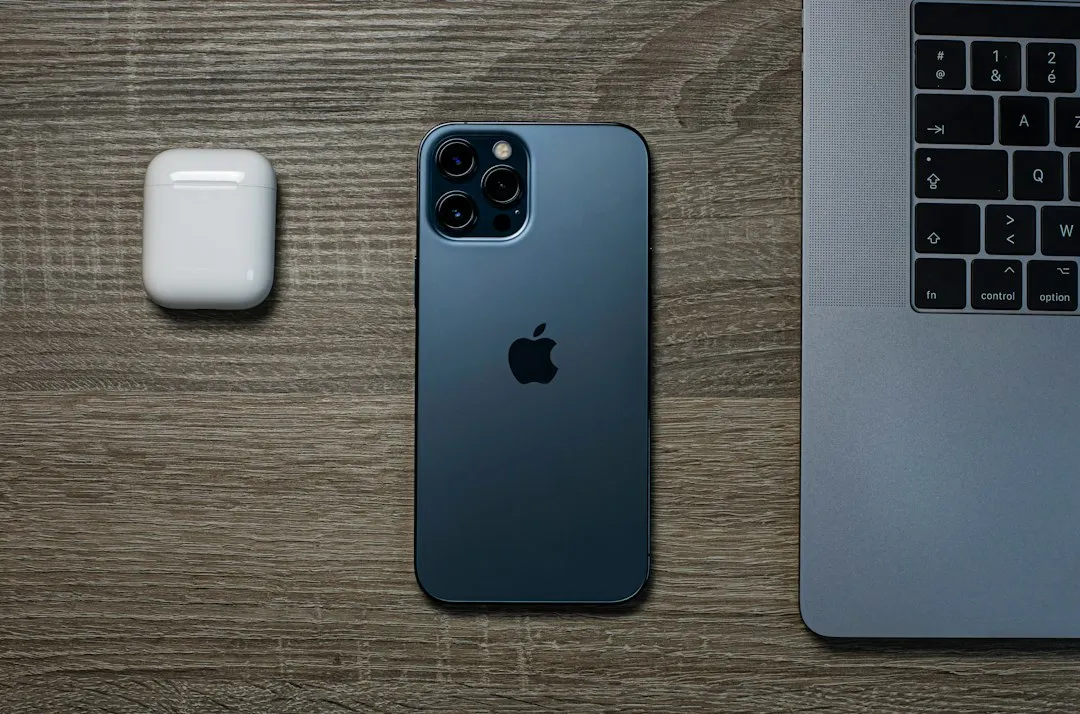
First, iOS 27 code does contain references to new physical MagSafe wallet designs. MacRumors reported that the iOS 27 release candidate includes new Hermès MagSafe wallet styles with Find My support, plus a dedicated attachment animation for those accessories.
Second, Apple has made a much larger set of changes to the Wallet app, the iPhone software for storing digital cards and passes. Those additions include Create a Pass, a new Poster Generic pass style, new barcode formats, Featured Actions, bill splitting, and expanded order tracking.
They're separate stories.
Apple also refreshed its own physical FineWoven Wallet with MagSafe for the iPhone 18 accessory lineup with new colors, but the basic Apple wallet design remains the same rather than moving to a new shape or attachment system.
iOS 27 itself became available on September 14, 2026.
Are There New MagSafe Wallet Designs in iOS 27?
Yes, although Apple hasn't formally announced a redesigned Apple-branded MagSafe Wallet.
MacRumors reported that code found in the iOS 27 release candidate references a group of Hermès MagSafe wallet designs with Find My support.
The reported styles include:
Bandana-print card holders in several colors.
Tartan-stitched designs.
Plain leather versions.
A crocodile-embossed style.
The same code includes a dedicated Hermès MagSafe wallet attachment animation that's different from the standard animation used for other MagSafe wallets.
These are code findings rather than an Apple or Hermès product announcement, so they don't confirm when every referenced design will go on sale.
Apple's own accessory lineup changed too.
For the iPhone 18 generation, Apple introduced new colors for its FineWoven Wallet with MagSafe, including options such as Burgundy, Dark Olive, Wildflower Blue, Magenta, Navy, and Black.
The physical Apple wallet still holds up to three cards, attaches magnetically, and supports Find My. Apple hasn't announced a new physical form factor for it.
So the accurate distinction is: iOS 27 does contain new MagSafe wallet design references and an attachment animation, but Apple's own FineWoven Wallet hasn't been fundamentally redesigned.
The Wallet App Changes Are a Separate Story
Most of Apple's official iOS 27 Wallet documentation concerns the software Wallet app rather than MagSafe accessories.
Apple's WWDC26 Wallet session focuses on new digital-pass capabilities including Poster Generic, additional barcode formats, Featured Actions, Pass Designer, and Pass Builder.
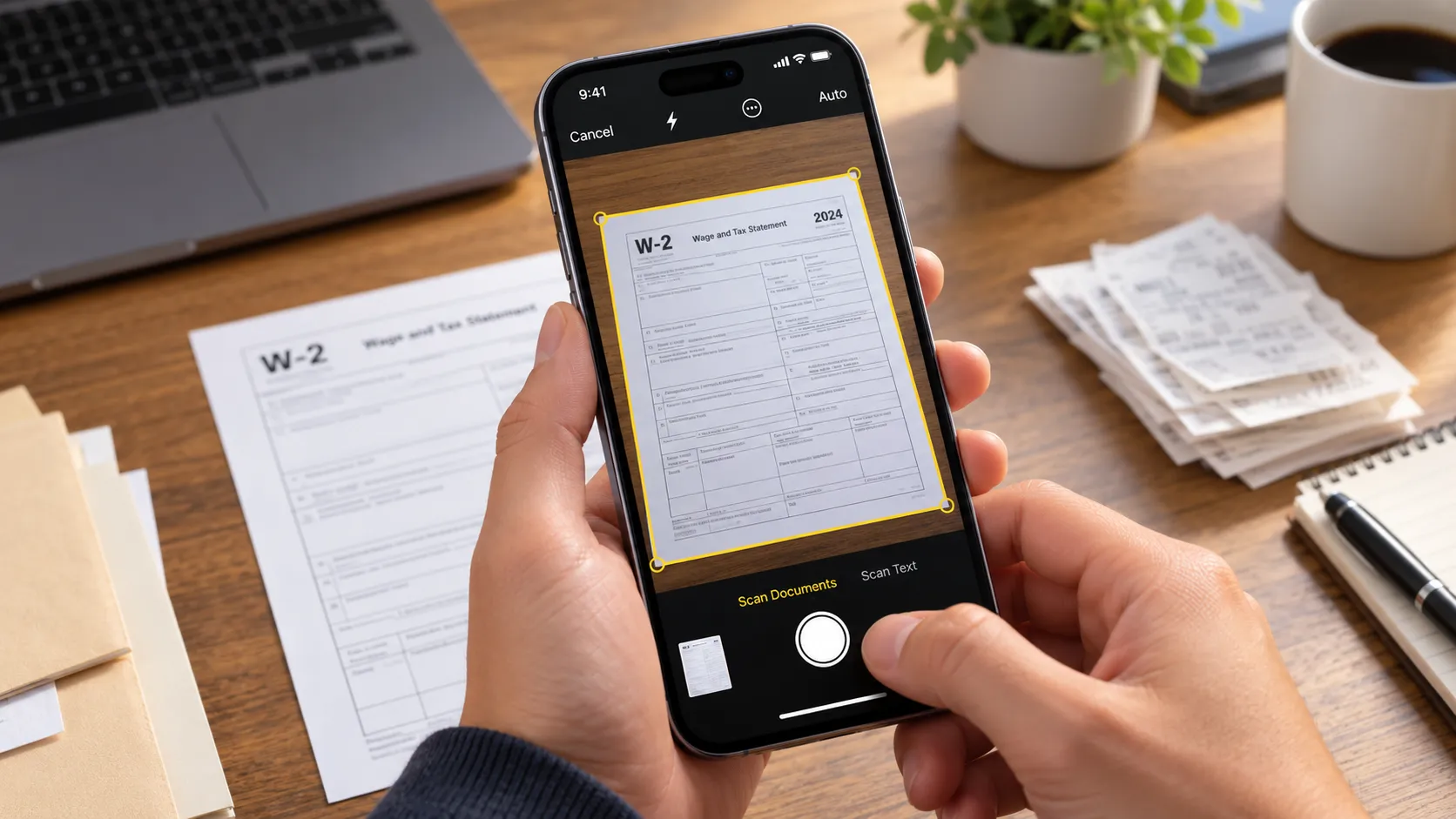
Apple also added Create a Pass, which lets users turn eligible physical cards, screenshots, and barcodes into digital Wallet passes.
None of those software features requires attaching a MagSafe Wallet to the phone.
Compatibility Snapshot Before You Use the New Wallet Features
iOS 27 supports iPhone 11 models and later, along with the second- and third-generation iPhone SE.
Create a Pass has two different workflows with different requirements.
Apple's current support documentation says creating a pass automatically from a photo or screenshot requires Apple Intelligence.
On iOS 27, that means an Apple Intelligence-compatible iPhone: iPhone 15 Pro, iPhone 15 Pro Max, or an iPhone 16 model or later.
Manual pass creation doesn't carry that Apple Intelligence requirement in Apple's instructions.
To build one manually:
Open Wallet.
Tap the Add Card button.
Choose Create a Pass.
Tap Create Pass Manually.
Choose a template and enter the details.
That makes manual creation available separately from the AI-assisted barcode or QR-code workflow.
What Create a Pass Actually Lets You Build
Create a Pass is designed for physical or digital cards that don't already have an official Wallet version.
Apple documents examples such as library cards and gym memberships.
The manual workflow offers three templates:
Standard
Membership
Event
The Standard template can cover things such as insurance cards and gift cards that don't fit the membership or event categories.
When Apple Intelligence is available, an iPhone can also create a pass from a photo or screenshot containing a barcode or QR code.
MacRumors' testing of the feature found 12 background colors, texture options, and several themed backgrounds for categories including theater, music, sports, and movies.
Fields can be edited, added, or removed to cover information such as dates, contact details, membership information, coupon codes, VINs, and insurance details.
Once created, the pass can be shown as a barcode or QR code from the iPhone and can also appear on a compatible Apple Watch.
Create a Pass vs. Poster Generic: Two Different Tools
These two features get conflated because they arrived in the same iOS 27 Wallet cycle.
Create a Pass is user-facing. Someone can build a pass from a physical card, screenshot, barcode, or manually entered information.
Poster Generic is for pass issuers and developers building official Wallet passes.
Apple's Poster Generic documentation describes it as a new iOS and watchOS 27 pass style for things such as memberships, loyalty programs, rewards cards, gift cards, and other generic passes.
The issuer adds the posterGeneric key to the pass's pass.json file and supplies elements such as:
Background artwork.
A primary logo.
Header and primary fields.
Footer information.
A barcode, if needed.
Poster Generic is therefore not a visual template an ordinary user chooses while manually creating a pass.
It's an issuer-controlled design for official digital passes.
Four New Barcode Formats Are Also for Issuers
iOS 27 adds four barcode types to Wallet passes:
EAN-13
Code 39
Codabar
Interleaved 2 of 5, or ITF
Apple recommends that developers using those formats also include an older supported barcode as a fallback for devices running iOS 26 or earlier.
That fallback isn't something the person holding the pass configures.
The company or organization issuing the pass builds both formats into the Wallet pass package.
Why a Self-Made Pass Isn't the Same as an Issuer's
A manually created Wallet pass can reproduce information and display a barcode or QR code, but it shouldn't be treated as automatically equivalent to an official issuer-controlled credential.
Apple's developer system for distributing official passes uses registered pass type identifiers, certificates, and cryptographic signatures.
Those issuer-controlled passes can also support server-driven updates when configured accordingly.
Contactless NFC access has another requirement.
Apple's developer documentation says adding NFC capability to a Wallet pass requires a special entitlement issued by Apple.
Apple's documentation for Create a Pass describes presenting a generated pass through a barcode or QR code. It doesn't say a manually created pass receives the NFC entitlement used by issuer-controlled contactless passes.
So a custom pass can be useful anywhere a scanner simply reads the barcode displayed onscreen.
Don't assume that means it can replace an official hotel key, access badge, transit credential, or other NFC-based pass.
Dynamic credentials are another limitation.
Apple warns that some barcodes and QR codes change periodically. Photographing one of those codes and turning it into a static custom pass can leave you with an expired code.
New Digital Pass Designs Only Appear When Issuers Adopt Them
Poster Generic isn't automatically applied to every membership or loyalty pass after an iPhone updates to iOS 27.
The issuer has to build the new style into its pass.
Apple's developer documentation says Poster Generic can include large artwork, modern typography, business information, a barcode, terms and conditions, store locations, and other relevant fields.
Older devices can still be supported by including an existing pass style, such as Generic, alongside Poster Generic.
That lets iOS 27 display the newer design while iOS 26 and older software falls back to a format it understands.
Featured Actions Work the Same Way
iOS 27 also lets issuers add up to two Featured Actions to a Wallet pass.
These appear as action cards below the pass and can link to useful destinations or tasks.
For example, an issuer could use one for directions, account information, or another relevant action.
Again, the pass issuer has to add these to the pass package. Updating an iPhone doesn't automatically add action buttons to passes that were never configured for them.
Apple Added New Wallet Developer Tools Too
Apple introduced two tools to make building and distributing official passes easier.
Pass Designer is a visual Mac app for designing and previewing Wallet passes.
Developers can use it to create conventional pass types as well as the new Poster Generic style.
Pass Builder takes those templates and can personalize, sign, validate, and generate distributable passes.
Apple also designed Pass Builder so it can be integrated into server-side workflows and called from other programming environments.
These are issuer and developer tools, not utilities ordinary Wallet users need to install.
Other Wallet Changes in iOS 27
Several other changes arrived in the same release but have nothing to do with MagSafe accessories.
Insights
Wallet's Connected Accounts functionality now includes more detailed financial information.
Apple's current support documentation says eligible connected accounts can show balances, transaction history, and spending insights.
Availability still depends heavily on the financial institution and country.
Expanded Order Tracking
Wallet order tracking expanded to Australia and Canada in iOS 27, joining the US and UK.
Bill Splitting With Apple Cash
Apple also introduced receipt-based bill splitting using Apple Intelligence and Apple Cash.
Users can scan a receipt or use a photo, select which items belong to which person, and have the system calculate each person's share of the total, including tax and tip.
Payments can then be settled using Apple Cash.
Apple Cash remains limited to the US, so this feature isn't globally available even though iOS 27 itself is.
What the iOS 27 MagSafe Wallet Story Actually Is
There are three separate changes worth keeping apart.
First, Apple's own FineWoven Wallet with MagSafe received new colors alongside the iPhone 18 lineup, but its physical design remains substantially unchanged.
Second, iOS 27 code references new Hermès MagSafe wallet styles and a dedicated Hermès attachment animation. Those are real code findings, but they aren't the same as Apple or Hermès formally announcing every referenced accessory for sale.
Third, the Wallet app got a much broader software update involving Create a Pass, Poster Generic, new barcode formats, Featured Actions, developer tools, bill splitting, Insights, and expanded order tracking.
So anyone searching for "iOS 27 MagSafe Wallet designs" isn't imagining the connection.
There really are MagSafe-wallet-specific findings in iOS 27. They're simply a different story from the larger Wallet app redesign.




Comments
Be the first, drop a comment!