





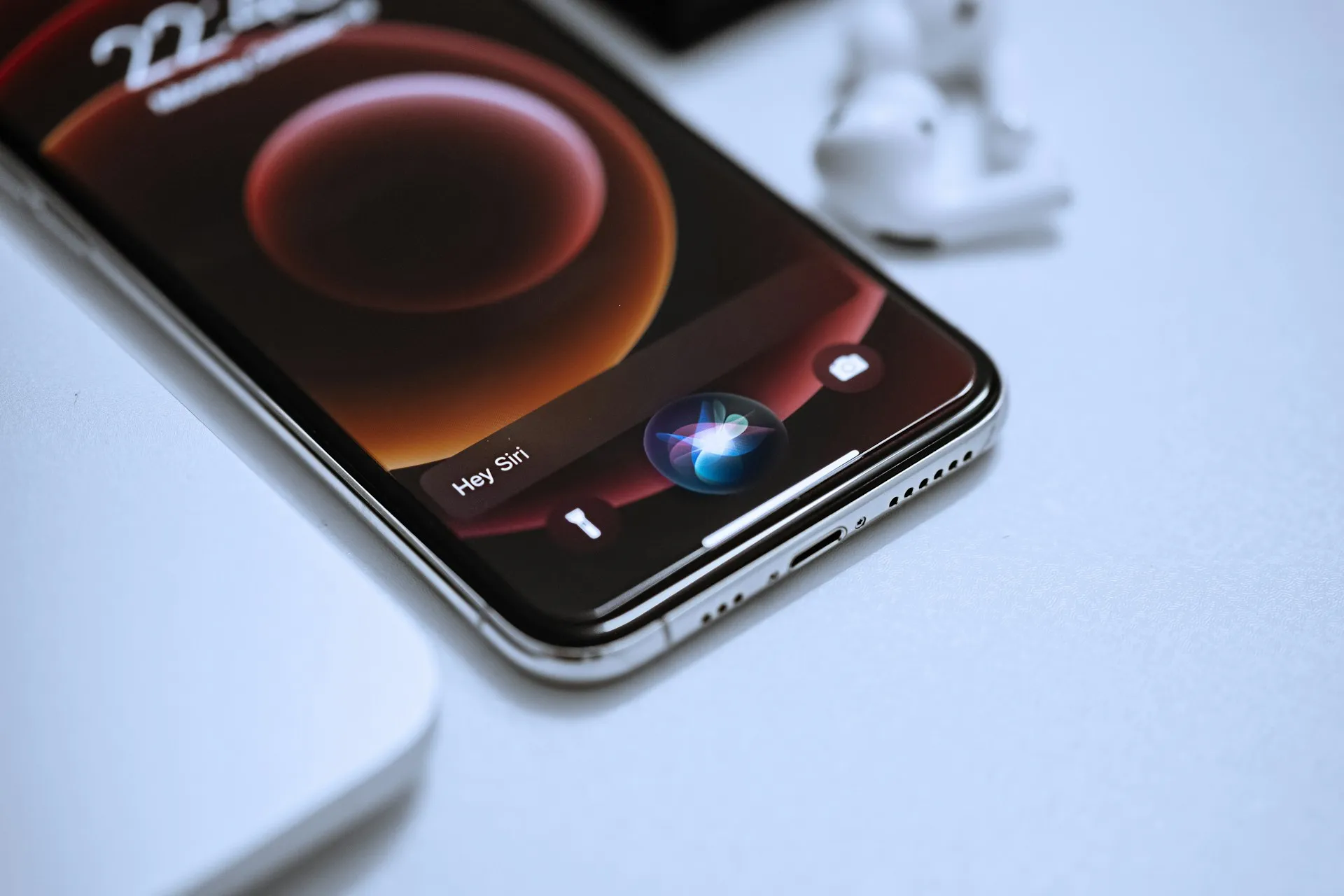
Installing iOS 27 next month may not hand you Siri AI on the spot. Beta evidence points to a four-step sequence: update, enable Apple Intelligence, join the iOS 27 Siri AI waitlist, then wait for a notification, according to 9to5Mac on August 25 and MacRumors on August 24.
Apple unveiled Siri AI at WWDC earlier this year, describing it as an entirely new version of Siri with on-screen awareness, cross-app personal context, and live web knowledge, according to Apple Newsroom. Apple's own announcement says the feature arrives as a beta "later this year" for supported devices set to English. It says nothing about a queue.
That gap is the story. Apple has confirmed the beta timing and the language requirement. It has not said publicly that a waitlist will gate access once iOS 27 ships, expected in September. Everything known about that mechanism comes from beta code and community testing, not from Cupertino.
Can you get Siri AI? Check eligibility first
Before anyone worries about a queue, there's a simpler filter to clear. Siri AI's beta requires a supported device set to English, and Apple says more languages are coming but offers no timeline.
The hardware floor covers iPhone 16 models or later, iPhone 15 Pro, iPhone 15 Pro Max, iPad mini (A17 Pro), MacBook Neo (A18 Pro), iPad and Mac models with M1 or later, and Apple Vision Pro. Apple Watch access requires a Series 9 or later, Ultra 2 or later, or SE 3, and it needs to be paired with an Apple Intelligence-enabled iPhone nearby, according to Apple Newsroom.
Geography further complicates iOS 27 Siri AI availability. The feature won't be available initially on iPhone, iPad, or Apple Watch in the EU. Mac and Apple Vision Pro users in the EU will be able to access Siri AI when set to a supported language. It also won't launch in China while Apple works through regulatory requirements, according to Apple Newsroom.
The European Commission has pushed back on Apple's explanation, saying nothing in the Digital Markets Act prevents Apple from launching Siri AI in the EU and that the decision not to release it there is Apple's.
A compatible device set to English, with Apple Intelligence turned on, outside the EU on iPhone, iPad, and Apple Watch, and outside China, appears to qualify someone to join the queue. Eligibility is the first gate. Next comes a second gate stacked directly on top of it.
How the iOS 27 Siri AI waitlist appears to work
The waitlist isn't a last-minute addition bolted onto a finished product. This infrastructure has existed since the first developer betas of iOS 27 and macOS 27, and the seventh betas added new server-side infrastructure for personalized wait-time messages that appear once someone joins the queue, according to 9to5Mac and MacRumors.
The added infrastructure suggests Apple is preparing the waitlist for the public release rather than retiring it, though Apple has not confirmed that publicly.
During beta testing, eligible users didn't get immediate access. Settings simply read "Joined Waitlist," and Apple sent a push notification once access opened, meaning there was no need to keep checking manually.
Worth stating plainly: Apple has not officially confirmed a public-launch waitlist. Everything above comes from beta-code discovery and community findings reported by both outlets, not from an Apple statement. That distinction matters as September approaches and the beta mechanism potentially becomes everyone's problem.
How long might you actually wait?
Beta testers reported Siri AI wait times ranging from up to a week for some users to roughly one or two weeks for many others, though neither outlet treats those numbers as a reliable preview of launch day. MacRumors says there's no indication yet of how long people might have to wait after the public launch.
Wait estimates are generated server-side rather than fixed in advance, meaning Apple can vary them based on demand and available capacity rather than publishing a single fixed number, according to 9to5Mac.
The cited reports don't address how many people will enroll on day one, whether wait times will vary by region or device, or whether access follows a strict first-come-first-served order. Those questions stay open until Apple's actual rollout answers them.
A beta queue populated by developers and enthusiasts differs from a launch-day queue open to anyone who installs iOS 27. The beta range is context for what testers experienced, not a forecast for the public rollout.
The technical backdrop: why access might be metered
Apple has already set a precedent for treating some AI compute as a limited resource. Some Apple Intelligence features, including image generation, carry daily usage limits because they rely on server models, according to Apple Newsroom. MacRumors reports that Apple appears set to use a waitlist and limit initial access when the new updates launch.
Siri AI uses Apple Foundation Models that span on-device and cloud processing. Apple says more complex requests can run through Private Cloud Compute, while the most demanding workloads, including agentic tool use and complex reasoning, can use an expanded version of Private Cloud Compute running on Google Cloud infrastructure with Nvidia GPUs.
Apple worked with Google, using the technology behind the Gemini family of models, to build the next generation of Apple Foundation Models.
That is different from a separate third-party Gemini tier sitting outside Apple's privacy system. Apple says Private Cloud Compute protections extend to the Google Cloud deployment, with Apple retaining control of the PCC software and user data protected under the same stateless-computation and transparency requirements.
When PCC handles a request, Apple says it does not store personal data or make it accessible to Apple or anyone else.
This architecture is background for why Apple might want to control enrollment gradually. No source directly ties compute capacity to the waitlist's existence, though 9to5Mac notes that managing server capacity is a likely reason for the beta queue. Treating that connection as confirmed would overstate the evidence.
Even setting the queue aside, users don't manually choose whether Siri AI handles a request on-device or through Private Cloud Compute. Apple's system orchestrates access to the models and other capabilities involved in fulfilling a request.
What to watch next
Three unresolved questions will shape what the first weeks of iOS 27 Siri AI availability actually feel like: whether Apple confirms the waitlist officially once iOS 27 ships, how real-world wait times compare against the beta's roughly one-to-two-week range, and how the EU and China restrictions evolve from there.
None of those answers exist yet. All of them arrive close to iOS 27's expected September 2026 launch, which is also when the gap between what beta code shows and what Apple has said publicly finally closes, one way or the other.




Comments
Be the first, drop a comment!