



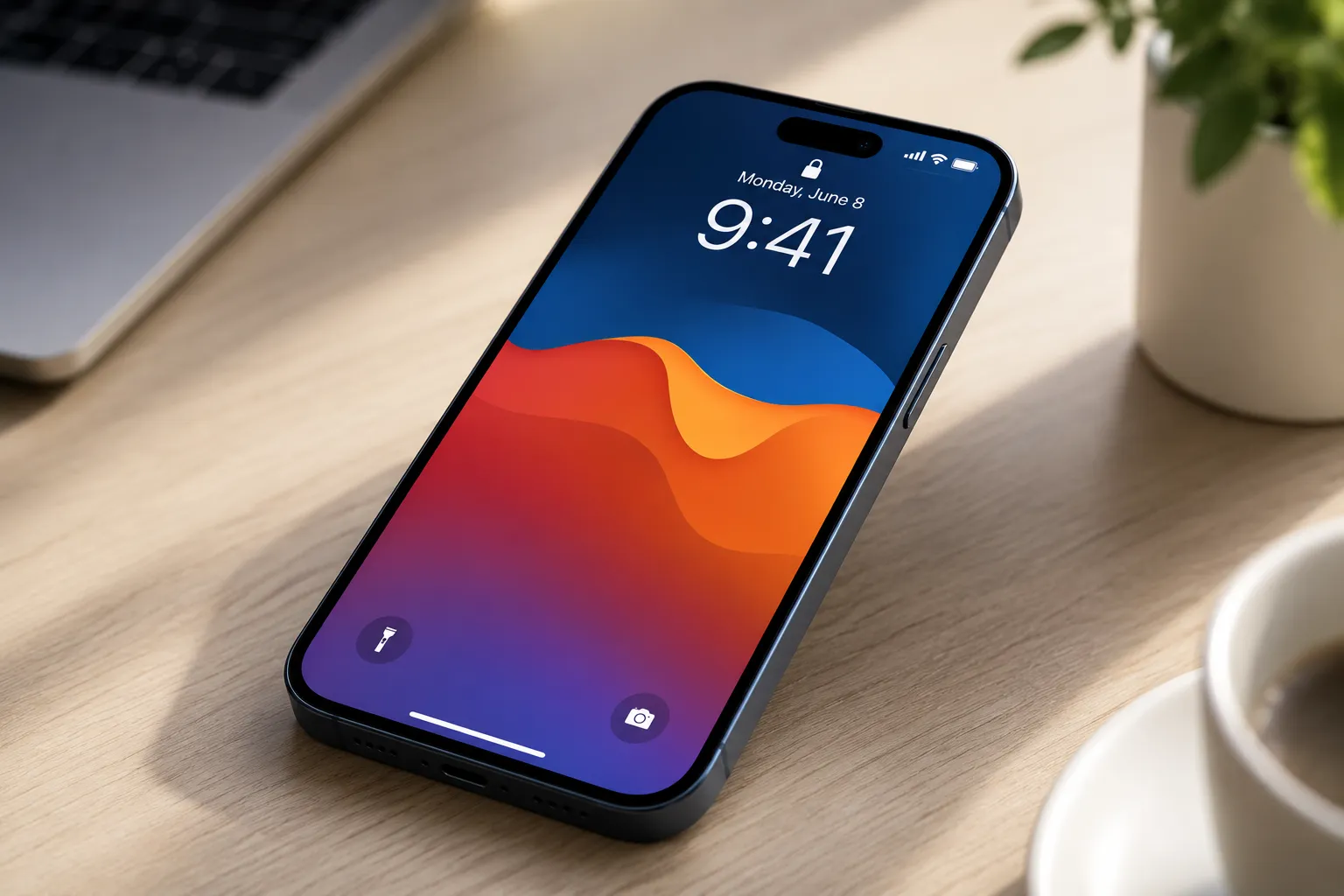
Apple is testing its redesigned Health app in iOS 27.2, giving beta users an early look at the new Insights and Longevity tabs before the full experience launches later this year.
The preview has already changed since beta 1 arrived on Sept. 16. Apple released developer beta 2 on Sept. 21 and the first public beta a day later, and at least one feature that was initially unavailable, Quest lab ordering, is now active.
Apple's current iOS 27.2 beta release notes also confirm that personalized summaries in the Insights tab are being tested, although Apple warns they may not generate as expected.
That makes the current beta more functional than the first reports suggested, but it still isn't the final Health app Apple plans to ship publicly.
What's live in iOS 27.2 beta now
The redesigned Health app is available in the current iOS 27.2 beta for supported devices and includes three main tabs:
Insights
Longevity
Browse
The new Insights tab surfaces recent health information including activity, heart rate, sleep, vitals, and other metrics.
The Longevity tab looks at longer-term health patterns across seven areas:
Heart health
Sleep
Mental wellbeing
Movement health
Metabolic health
Hearing
Nutrition
MacRumors' hands-on testing found both tabs working in the beta, along with Health Age and at-home fitness assessments.
Health Age compares selected health metrics with a user's chronological age. Apple says it can factor in data including VO2 max, resting heart rate, sleep, HRV, and lab biomarkers.
Health Age requires an Apple Watch, but it is not limited to the new Series 12 or Ultra 4 in Apple's published requirements.
Personalized Insights are in testing, but still unreliable
The first beta reports described personalized guidance as unavailable.
Apple's current developer notes are more specific.
Under Health known issues, Apple says:
Personalized summaries may not generate as expected in the Insights tab.
That means the personalized layer is now part of the beta test, but it should not be treated as reliable or complete yet.
Apple has demonstrated Insights summaries for areas including:
Sleep
Heart health
Fitness
Readiness
Vitals
Cycle tracking
It also plans a For You section with personalized recommendations and educational content based on a user's own health data.
Apple has not said that every planned recommendation is active and reliable in the current beta.
Anyone testing the feature should treat missing or inconsistent summaries as beta behavior rather than assume their health data is incomplete.
Quest lab ordering is now live in the beta
One of the biggest changes since beta 1 is Quest Diagnostics integration.
When the first developer beta arrived, Apple and early reports said the lab-ordering feature would come later.
That changed with the next beta cycle.
9to5Mac reported on Sept. 22 that scheduling and purchasing Quest lab testing is now active inside the iOS 27.2 beta.
The US-only service costs $119 and covers more than 50 biomarkers.
Apple says testing will be available through approximately 2,000 Quest Diagnostics locations in the US.
Results can feed into the Health app and potentially add more context to Health Age and other long-term health information.
This is no longer an announced-only feature. It is now testable in the current beta.
Health Age is also already appearing
Health Age should also move out of the "not delivered yet" category.
MacRumors' beta testing describes Health Age as part of the current Longevity experience, using activity and health metrics to compare biological trends with chronological age.
Apple's own health announcement says the calculation can use:
VO2 max
Resting heart rate
Sleep
HRV
Lab data such as A1c and LDL
Apple says Health Age requires an Apple Watch.
It does not say that Health Age specifically requires an Apple Watch Series 12 or Ultra 4.
That distinction matters because the new readiness score is tied to the latest Watch hardware, while Health Age has broader Apple Watch requirements.
Movement assessments are being tested too
The original beta framing also undersold the movement features.
MacRumors' hands-on report says the beta includes fitness assessments that can check areas such as flexibility, balance, and VO2 max.
Apple's final design goes further.
The company says users will be able to perform at-home evaluations covering:
Flexibility
Strength
Balance
Movement mechanics
VO2 max
The assessments use the iPhone camera and vision-based AI to analyze movement.
Apple says the video is processed on-device and is not recorded, stored, or shared.
For the VO2 max assessment specifically, Apple says a heart-rate source is required. That can be an Apple Watch, AirPods Pro 3, or a compatible third-party heart-rate device.
Not every assessment or guidance feature should be assumed to be final just because parts of the testing workflow are already present in the beta.
iOS 27.2 beta 2 is the current developer build
Apple released the first iOS 27.2 developer beta on Sept. 16.
Developer beta 2, build 24B5089g, followed on Sept. 21.
The first public beta arrived Sept. 22 and uses the same beta generation.
That makes the article's original "beta 1 today" framing stale.
It is also more accurate to say Apple released the 27.2 beta before a general iOS 27.1 beta rather than saying it skipped iOS 27.1 entirely.
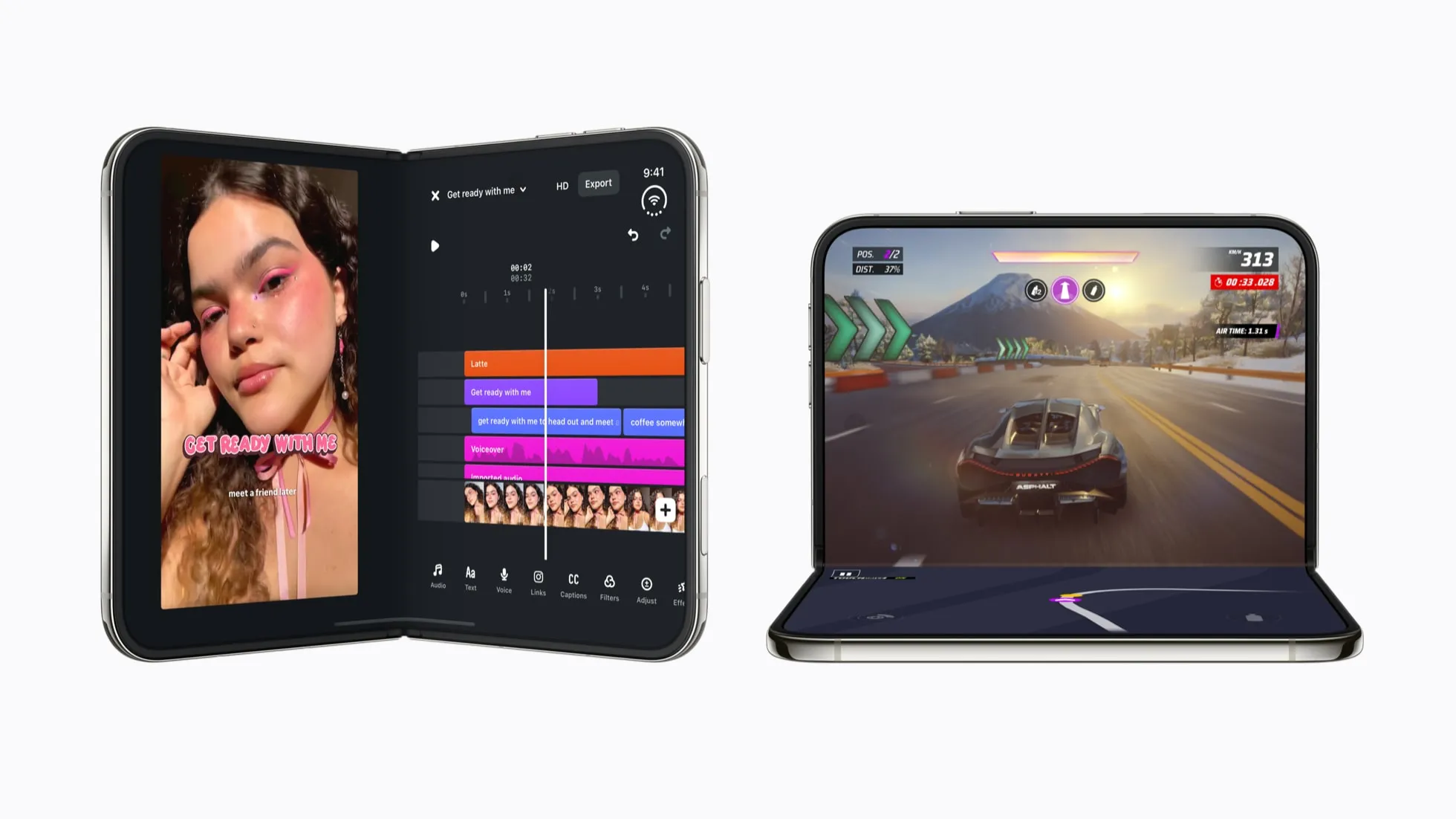
Apple has already confirmed that iPhone Duo will ship with iOS 27.1 on Oct. 23. Apple describes that release as adding features built specifically for the foldable device.
So iOS 27.1 still exists. It simply isn't following the normal public beta sequence ahead of 27.2.
The redesigned Health app still won't ship with iOS 27.2
The presence of the redesign in beta does not mean it will be included when iOS 27.2 reaches everyone.
Apple's developer notes say the new Health app is being tested as part of the iOS 27.2 beta process but is scheduled to launch separately later this year.
MacRumors also reports that the redesign will not be part of the final iOS 27.2 release. (MacRumors)
Apple's own September announcement gives the public redesign only a later this year timeline, starting in US English.
That makes iOS 27.2 a testing vehicle for the new Health experience rather than necessarily the software release that delivers it permanently.
Which iPhones support the new Health app
Apple says the redesigned Health app requires an Apple Intelligence-enabled device.
On iPhone, Apple Intelligence currently supports:
iPhone 15 Pro
iPhone 15 Pro Max
iPhone 16 models and later
iPhone Air
Apple's current requirements also require supported language and regional settings.
The new Health app is planned for compatible iPads as well, although some Health features remain iPhone-only.
Older iPhones can run iOS 27 if the OS supports them, but that doesn't mean they can run the Apple Intelligence-powered Health redesign.
You don't need the newest Apple Watch for the whole redesign
The original draft blurred two separate hardware requirements.
An Apple Intelligence-compatible iPhone is the main requirement for the redesigned iPhone Health experience.
An Apple Watch provides additional health data and is required for certain features.
For example:
Health Age: requires an Apple Watch.
Readiness: requires Apple Watch Series 12 or Apple Watch Ultra 4.
Higher-frequency HRV: comes from Series 12 or Ultra 4 hardware.
Five-second daytime heart-rate measurements: Series 12 or Ultra 4.
VO2 max movement testing: requires Apple Watch, AirPods Pro 3, or another compatible heart-rate device.
You do not need a Series 12 or Ultra 4 just to see the redesigned Health app.
And Apple does not say a paired Watch is universally required for the new Insights and Longevity interface itself.
What Apple Watch Series 12 and Ultra 4 add
Apple Watch Series 12 and Ultra 4 introduce Apple's new Health Sensing System.
The watches measure heart rate every five seconds throughout the day and can measure HRV as often as every five minutes.
Apple says that is 24 times more frequent HRV sampling than before.
The new watches also calculate readiness, a daily score from 0 to 10 based on recent activity, vitals, training information, and sleep.
Recommendations include:
Recover
Pace Yourself
Ready
Go For It
Readiness updates during the day as new data comes in.
Apple says the score appears on Apple Watch, in Fitness, and eventually within Health's Insights tab.
That hardware-specific readiness data should not be confused with the entire redesigned Health app, which supports a broader range of compatible devices.
Apple's heart-rate accuracy claim needs context
Apple says it tested the new heart-rate system against other leading wearables in a study of more than 1,000 participants and found Apple Watch produced the highest heart-rate accuracy.
That study was conducted by Apple in July and August 2026.
It supports Apple's claim about heart-rate sensing in the tested conditions.
It does not independently validate the readiness recommendations, Health Age calculation, or personalized Health guidance.
Those are separate systems built partly on top of the sensor data.
US English is still the starting point
Apple says the redesigned Health app will launch first in US English, with additional languages to follow.
Early beta testing has also required US English settings to expose the redesign.
That requirement may change as Apple expands testing, but anyone trying the current beta should not assume every supported Apple Intelligence language unlocks the new Health interface yet.
Apple says features can also vary by language and region.
Mainland China remains restricted
Apple Intelligence has a separate restriction in mainland China.
Apple's current support page says Apple Intelligence does not currently work on supported devices purchased in mainland China.
For supported devices bought elsewhere, Apple Intelligence also does not currently work when both of these conditions are true:
The user is in mainland China.
The Apple Account country or region is set to mainland China.
Apple has not published a special Health-app exception to that rule.
Users there should therefore not assume the iOS 27.2 Health preview will be available merely because their iPhone hardware otherwise qualifies.
What is still not final
Several parts of the redesigned Health experience remain unfinished or unreliable in beta.
Personalized summaries: Apple says they may not generate as expected.
For You recommendations: Apple has demonstrated the feature, but current beta availability and consistency should not be treated as final.
Full public Health rollout: still scheduled for later this year rather than the final iOS 27.2 release.
Feature availability by region: still subject to language, regulatory, device, and age requirements.
Final behavior: any beta feature can change, disappear, or gain new restrictions before public release.
The picture is therefore more advanced than beta 1 suggested, but it is still a preview.
What to do with the beta right now
If you want to test the redesigned Health app, the current iOS 27.2 beta is no longer developer-only.
Apple released the first public beta on Sept. 22, while developers can use beta 2.
On a compatible iPhone, the beta can currently provide access to the new Insights and Longevity structure, Health Age where requirements are met, movement assessments, and Quest lab ordering in the US.
Don't install it solely for personalized health advice.
Apple's own release notes warn that personalized Insights summaries may fail to generate correctly, and the full recommendation system remains unfinished.
The safer reason to install the beta is to preview the redesigned Health experience and test the features Apple has already enabled, not to rely on it for finished health guidance.
Anyone who would rather avoid beta software should wait for Apple's separate public Health rollout later this year, when the feature list, language support, and compatibility rules should be clearer.




Comments
Be the first, drop a comment!