





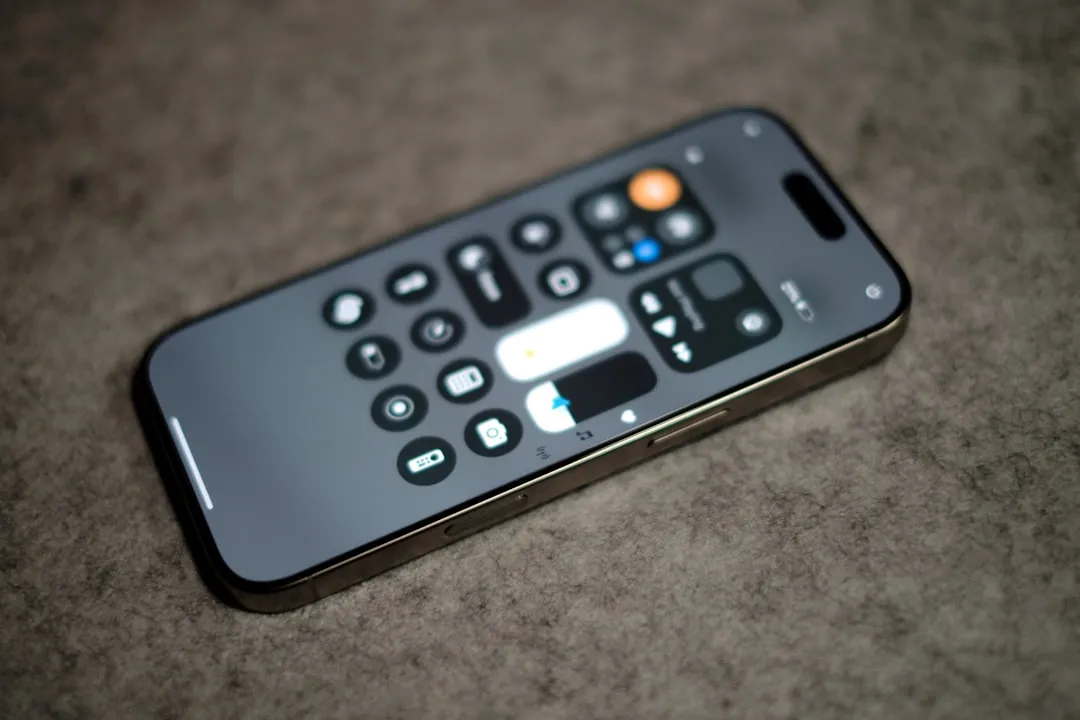
Apple's satellite feature started as a lifeline for people genuinely stranded, no signal, no road, no one nearby. Three years on, it lives inside the standard Messages app and lets you text a friend from a trailhead. The iPhone 18 Pro, if current rumors hold, could push iPhone 18 Pro satellite messaging further still: toward a connectivity layer that operates in the background rather than a special mode you consciously invoke when things go sideways.
To be clear about what "further" means here: not satellite internet, but basic messaging and selected services staying active without a separate emergency-style workflow. That narrower version of the claim is already within technical reach. The gap between where iPhone satellite texting sits today and where it could go with different hardware is the actual story.
Apple introduced Messages via satellite with iOS 18, bringing texts, emoji, and Tapbacks into the standard Messages app over iMessage and SMS when no cellular or Wi-Fi signal is available. Reports now suggest the iPhone 18 Pro will go further, pairing a new C2 baseband chip with NR-NTN, a standard that integrates 5G capabilities into satellite connectivity, potentially allowing the device to treat an orbiting satellite more like a conventional cell tower.
The reported trajectory points toward satellite becoming a seamless network layer rather than a deliberate fallback. Whether it lands that way depends on more than just the modem.
What iPhone satellite messaging can do today and why it still feels like a special mode
The feature runs inside the standard Messages app on iPhone 14 or later models running the required iOS version in supported regions, with an active SIM. When no cellular or Wi-Fi signal is present, the app automatically prompts a connection to the nearest satellite, supporting texts, emoji, and Tapbacks over iMessage and SMS, Apple Support confirmed. On iPhone 14 Pro and later, Dynamic Island shows signal strength and displays directional arrows to help users reorient toward a better satellite lock. If iMessage can't connect, the system falls back to SMS via satellite automatically.
The performance ceiling is low. Best case, with a direct view of the sky and horizon, a single message may take up to 30 seconds to send. Under light or moderate tree cover, that extends past a minute. Heavy obstructions can prevent a connection entirely, Apple Support notes. Photos, video, audio messages, stickers, and group chats are not supported. One thing that does carry over: iMessages sent via satellite remain end-to-end encrypted, Apple Support confirms, so the privacy model holds even off-grid.
Apple also draws a sharp line between the two satellite modes. Messages via satellite are explicitly not for emergencies. Users in genuine distress should use Emergency SOS via satellite, which operates as a completely separate workflow.
Apple's satellite features run over Globalstar's network, Apple Support notes. The feature requires being outside with a clear view of the sky and horizon, which points to the fundamental constraint: this is a low-bandwidth connection designed for short texts and location data, not continuous use.
Geographic and pricing gaps add further friction. The feature is available in the U.S., Canada, Mexico (iOS 18.4 or later), and Japan only, and is absent entirely on iPhones purchased in China, Russia, Belarus, Kazakhstan, and Armenia, Apple Support notes. For iPhones purchased in Hong Kong and Macao, satellite connectivity is offered only on iPhone 16e and later. The service is currently free for two years after iPhone 14 activation; Apple has not disclosed what pricing looks like after that window closes.
What the rumored C2 modem would actually change for iPhone satellite messaging
The core rumor centers on NR-NTN: New Radio Non-Terrestrial Networks. This standard integrates 5G capabilities into satellite connectivity. The broader industry roadmap for satellite-to-phone connectivity runs through 3GPP NTN work, including Release 17 and later releases. NR-NTN points toward a more 5G-like architecture, one where a compatible low-Earth-orbit satellite could function as just another radio access layer, the same way a phone moves between LTE and 5G without the user noticing.
A leaker with a documented track record on Weibo stated that Apple's C2 baseband chip, which reports expect to debut in the iPhone 18 Pro, will include NR-NTN support, with direct internet access via low-Earth-orbit satellites described as a major focus for this iPhone generation. This architecture could reportedly enable features like Apple Maps navigation via satellite.
If that support arrives, the practical implications could include satellite connections happening in the background rather than via a manual prompt; broader potential app support beyond Messages; more persistent low-bandwidth connectivity for things like location sharing or lightweight notifications; and the possibility, not promise, of services like navigation data updates continuing without cellular.
What it almost certainly would not mean, at least initially, is general-purpose internet access. The infrastructure constraints on the satellite side don't disappear because the modem architecture improves. NR-NTN changes how the phone handles the signal; it does not change what the network can deliver. Framing the iPhone 18 Pro as a satellite internet device would be getting well ahead of what the reporting actually supports.
None of this is confirmed by Apple. The C2/NR-NTN claims come from leak aggregation and analyst inference. There are no published figures on expected latency, battery impact, or real-world reliability under these conditions, and whether new capabilities would extend beyond Pro models or beyond currently supported regions remains unknown.
Whether iPhone off-grid messaging can go mainstream and the barriers still in the way
The standards roadmap points in one direction. Release 18 is expected to expand capability and accelerate adoption across premium devices; Release 19 is projected to bring satellite connectivity into mid-range hardware, Counterpoint Research forecast. Satellite-capable phones could account for 46% of global shipments by 2030, a figure that implies the feature moving well beyond emergency use in premium devices.
Apple currently holds a 71.6% share of the satellite smartphone market, ahead of Samsung at 15.9% and Huawei at 6.1%. Worth noting: this is still a small market, so that share reflects an early lead rather than anything resembling scale. Apple was the first mainstream smartphone brand to bring satellite connectivity to consumers, with the iPhone 14 launch in 2022, HardwareZone noted.
The bottlenecks to daily use are real and specific. Cost constraints, regulatory complexity in key markets, still-maturing satellite infrastructure, and the absence of compelling everyday use cases are the factors most likely to slow growth. Whether the Globalstar network powering Apple's current features can handle millions of users treating satellite as a standard fallback layer, rather than an emergency option, is a question the available research does not answer.
Pricing after the two-year free period is a commercially meaningful unknown. If Apple charges for satellite access at a level that feels like a premium add-on, routine use will stay limited regardless of what the modem can do.
Who this matters to right now reflects the feature's current coverage footprint: hikers, rural drivers, travelers in areas with unreliable terrestrial coverage, and anyone whose use case involves staying reachable when cellular isn't available. For most iPhone users, the story is about trajectory rather than an immediate change to how they use their phone.
What's next for iPhone 18 Pro satellite messaging
Apple has walked this path in deliberate steps: from emergency SOS to roadside assistance to person-to-person messaging, each expansion announced quietly rather than as a revolution. The rumored iPhone 18 Pro represents what would be the first attempt to make satellite connectivity feel like part of the network stack rather than a safety feature bolted on top.
Whether it lands that way depends on the modem, yes, but also on Globalstar's capacity, Apple's post-free-period pricing decisions, and regulatory access in markets where the feature currently doesn't exist. Apple controls the hardware side of this equation. The rest, network infrastructure, economics, and geography, it does not.
When Apple announces the iPhone 18 lineup this fall, the details worth watching aren't just the modem specs. How Apple describes the satellite capability, whether it names a carrier or satellite partner beyond Globalstar, and which regions are included at launch will say more about the practical ambition here than any chip specification. The gap between what the hardware might enable and what users in most of the world will actually experience is where the everyday-connectivity question currently sits, unanswered.







Comments
Be the first, drop a comment!