





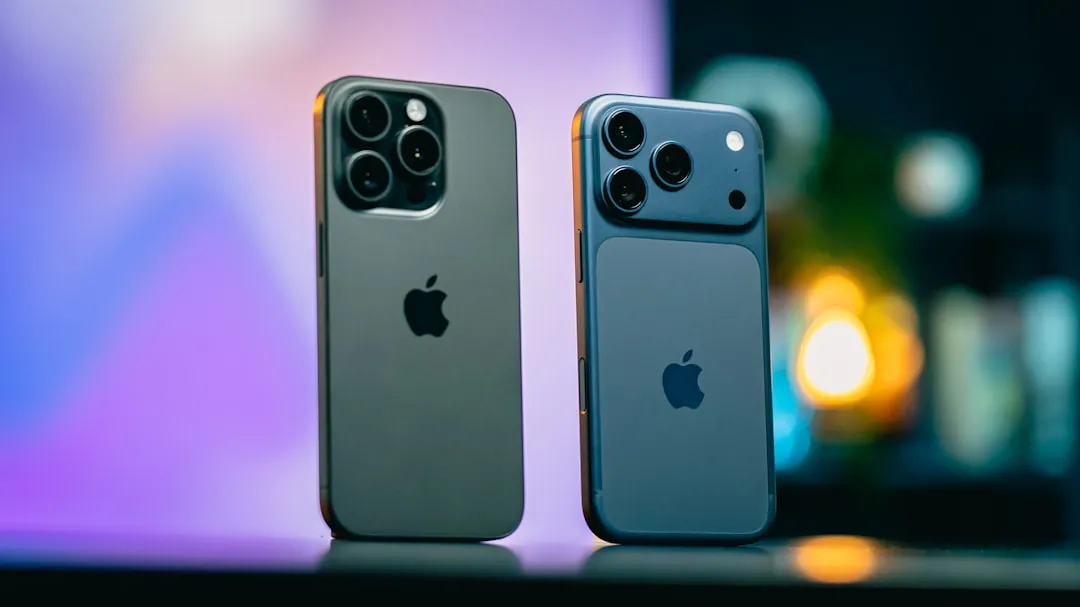
Apple is not expected to release a standard iPhone 18 in 2026. According to supply chain sources cited by Nikkei Asia, the iPhone 18 release date delay puts the base model in the first half of 2027, with the Pro lineup and Apple's first foldable iPhone still on track for September. Apple has not confirmed the change. But the sourcing behind it is unusually strong.
Nikkei's report named rising RAM and NAND storage costs and a deliberate marketing strategy shift as the reasons Apple chose to hold the standard model. Reports noted the claim had also been echoed by The Information, Bloomberg, and analyst Ming-Chi Kuo, calling it a "widespread rumor" rather than an isolated leak.
If the timeline holds, the iPhone 17 will sit in the "current standard model" slot for more than 18 months. That would be the first time Apple has skipped an entire calendar year without releasing a new generation of its flagship non-Pro iPhone.
Why the iPhone 18 release date delay looks more credible
Not all Apple leaks are equal. A single anonymous supply chain contact is standard noise in any pre-cycle. What makes this different is the number of independent pipelines pointing in the same direction.
Reports characterized the convergence of Nikkei Asia, The Information, Bloomberg, and Ming-Chi Kuo as a "widespread rumor" rather than an isolated leak. These outlets do not share sources. When they arrive at the same conclusion separately, it carries weight.
Apple also mentioned iPhone supply constraints on a recent earnings call, as MacRumors noted. That acknowledgment does not confirm a split launch calendar. It does confirm the underlying pressure the reports describe is real.
For comparison, consider what contested actually looks like. Display analyst Ross Young backed a report that the Dynamic Island would shrink but persist on iPhone 18 Pro models. The Information's Wayne Ma reported the opposite: a full hole-punch replacement and removal of the Dynamic Island entirely. That is a genuine contradiction between credible sources. The launch-timing claim has nothing comparable pulling against it.
Apple has not officially confirmed any change to its fall release schedule. The split-launch calendar is well-evidenced, not verified.
Apple's restructured iPhone calendar: fall 2026 and spring 2027
For more than a decade, Apple launched its entire mainline iPhone lineup together each September. That pattern is expected to break this year.
Apple is expected to unveil the iPhone 18 Pro, iPhone 18 Pro Max, and its first-ever foldable iPhone in September 2026. The standard iPhone 18 would follow around spring 2027, though that specific month comes from Nikkei's estimate alone. Other sources describe the timing more loosely as "first half of 2027" or "spring 2027." Treat March as directional.
The spring 2027 window is not one late model slipping out on its own. Reports indicate the standard iPhone 18 is expected alongside the iPhone 18e and iPhone Air 2. A coordinated mainstream and mid-tier launch, not a solo release.
The scale of Apple's expanding lineup makes the two-window structure easier to understand. With the foldable joining the catalog and older models remaining on sale, Apple could have at least eight distinct iPhone models available by the end of 2026. Launching and marketing all of that in a single September event is a genuine operational problem. Splitting the calendar is one way to manage it.
This is not one model running late. It is a deliberately redesigned release structure: premium and foldable in fall, standard and mid-tier in spring. The standard iPhone 18 is simply the first model to live entirely in the spring window.
What this means if you're buying a phone this fall
The practical consequence for mainstream buyers is more direct than it first appears. Apple is not simply making them wait a little longer. It is removing the standard model option from the fall window entirely.
Fall 2026 will offer the iPhone 18 Pro, Pro Max, and the foldable, all premium-tier devices, per MacRumors. Buyers whose upgrade cycle lands in the fall face a choice that the window has never previously forced: pay for Pro hardware, or wait.
Waiting means staying on the iPhone 17 or another current model through spring 2027. That stretch would leave the iPhone 17 as Apple's current standard flagship for more than 18 months. It could be the first time Apple has skipped an entire calendar year without a new non-Pro flagship generation.
The spring 2027 window, at least, offers real options. Reports indicate the standard iPhone 18 is expected to arrive alongside the iPhone 18e and iPhone Air 2. Buyers who wait get a complete mainstream lineup to choose from, not a single late arrival.
For buyers who normally choose Apple's standard model, the reported schedule leaves the fall 2026 lineup centered on premium devices. The choice is between the iPhone 17 now, a capable phone with years of software support ahead of it, or the standard iPhone 18 in spring 2027.
Why Apple would break a decade-long habit
The reasons behind this shift fall into two categories: what sources have directly reported, and what follows logically from the structure but has not been stated by Apple or its supply chain.
On the sourced side, Nikkei Asia cited skyrocketing RAM and NAND storage chip prices as a direct factor in Apple's decision to hold the standard iPhone 18 until 2027. A marketing strategy shift was named alongside the cost pressure as a reason to prioritize premium devices first.
Supply availability compounds the issue. Some Apple suppliers have shifted capacity toward AI infrastructure customers, Nvidia, Google, and Amazon among them, tightening the pool Apple draws from. A supplier executive told Nikkei that maintaining a smoothly functioning supply chain is "one of the key challenges" this year, as MacRumors reported. Apple's own earnings call acknowledgment of iPhone supply constraints sits in the same column of evidence.
Beyond those direct reasons, a staggered calendar carries structural advantages Apple has not stated, but that follow from the design. Giving Pro models and the foldable a longer uncontested sales window, reducing production bottlenecks by spreading component demand across two periods, and smoothing iPhone revenue across fiscal quarters rather than concentrating it in a single September spike, all of that is analytically plausible. Apple has not named these as goals. They are inferences from the structure, not sourced explanations.
The chip costs and supply pressure explain why Apple made this move now. The structural benefits may explain why, once adopted, it suits Apple to keep it.
What comes next
Multiple reporting pipelines, with an indirect signal from Apple's own earnings commentary alongside them, now point to the same conclusion: no standard iPhone 18 in 2026, with the Pro models and foldable arriving in September and the standard model following in the first half of 2027. Apple has not confirmed it.
If Apple runs the same structure in 2027 and 2028, the implications are real. September stops meaning "new iPhone" as a blanket statement and starts meaning "new premium iPhone." Spring becomes the cycle that matters for most buyers. Carrier promotions, analyst demand models, and upgrade planning all of it recalibrate. None of that is confirmed. But when fall arrives with no standard iPhone in the lineup, that is the context worth having.



Comments
Be the first, drop a comment!