





Apple's latest product launch has stirred up the tech world in an unexpected way. The new MacBook Neo represents Apple's entry into truly affordable Mac computing, according to Trusted Reviews, bringing "the magic of the Mac at a breakthrough price" to consumers who've been waiting for a budget-friendly option. But here's the twist: this $599 laptop might actually pose a bigger threat to iPad sales than to existing MacBook models. With both the MacBook Neo and refreshed iPad Air M4 launching at identical price points, as reported by Trusted Reviews, we're witnessing a fascinating case study in product cannibalization within Apple's own ecosystem.
The $599 showdown that changes everything
Let's break down what makes this pricing situation so intriguing. Both devices start at exactly $599, but the value proposition differs dramatically. The MacBook Neo delivers 256GB of storage right out of the gate, while the iPad Air M4 begins with just 128GB, according to Trusted Reviews. This storage advantage becomes even more significant when you consider what each device includes at that base price.
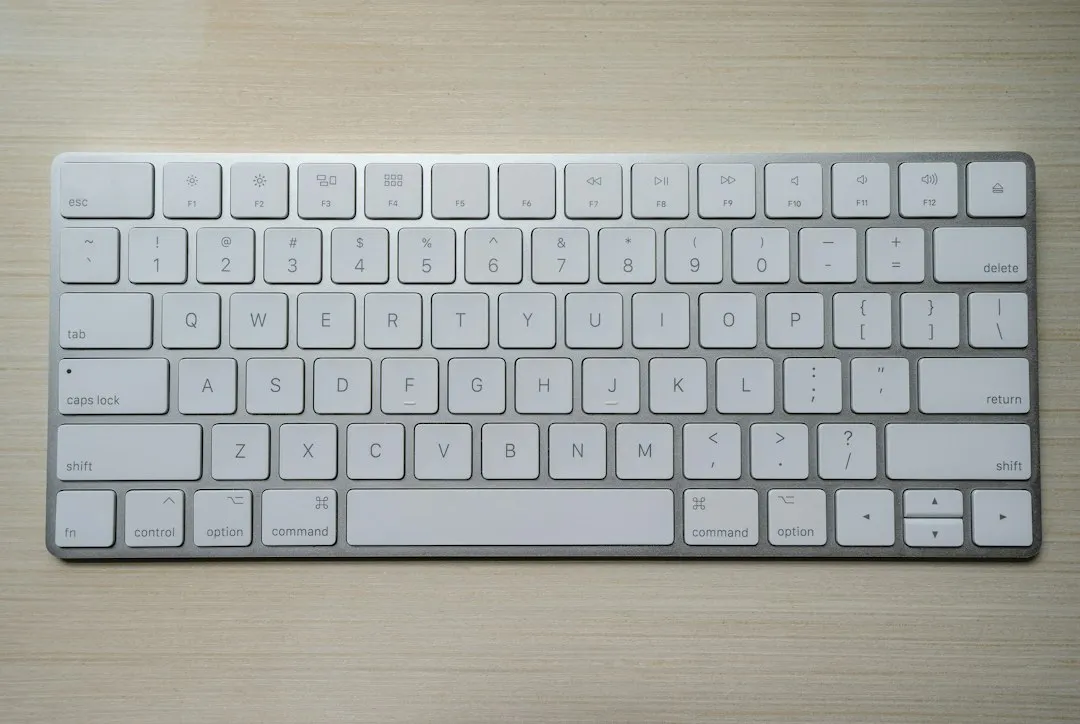
The MacBook Neo comes as a complete computing solution with its own Magic Keyboard and built-in trackpad, as noted by Trusted Reviews. Meanwhile, the iPad Air remains essentially a touchscreen tablet that requires additional purchases to match laptop functionality. Adding a Magic Keyboard to the iPad Air costs an extra $269, according to Trusted Reviews, immediately pushing the total investment well beyond the MacBook Neo's all-inclusive price point.
For budget-conscious consumers who've been waiting for an affordable Mac, the MacBook Neo delivers everything they need without hidden costs. This complete package approach fundamentally changes the value calculation that has historically favored iPads in the entry-level market.
Why the iPad faces the bigger threat
Here's where the cannibalization story gets interesting. The MacBook Neo runs on Apple's A18 Pro chip—the same processor found in the iPhone 16 Pro series, according to Trusted Reviews. This mobile-first approach positions it as a different category of laptop entirely, targeting users who need basic computing power rather than competing directly with the MacBook Air's desktop-class performance.
The iPad Air M4, however, finds itself in a much more precarious position. Apple has spent years positioning modern iPads as legitimate MacBook alternatives through iPadOS enhancements. With iPadOS 26 introducing windowed apps and desktop-style menu bars, as detailed by SlashGear, Apple has been pushing the "iPad as laptop replacement" narrative harder than ever. These improvements were designed to justify premium pricing and position iPads as versatile productivity machines.
But when faced with a choice between a $599 iPad that needs expensive accessories and a $599 MacBook that works immediately, the laptop replacement argument crumbles. The math becomes even more compelling when you consider the total cost of ownership. As one analysis points out, the MacBook Neo becomes significantly cheaper than a fully equipped iPad Air setup, according to Tbreak Media. For budget-conscious consumers, this represents a massive difference in value that directly undermines the iPad's productivity positioning.
The form factor and functionality divide
The cannibalization threat extends beyond pure pricing into how people actually use these devices. The iPad Air M4 offers superior portability, weighing just 617g compared to the MacBook Neo's 1.23kg, as reported by Trusted Reviews. For users who prioritize ultra-lightweight computing and touchscreen functionality, the iPad maintains clear advantages.
However, the MacBook Neo delivers superior battery life with up to 16 hours compared to the iPad Air's 10 hours, according to Trusted Reviews. This difference becomes crucial for students and professionals who need all-day computing without carrying chargers. While the iPad Air technically packs more power with its M4 chip, the MacBook Neo's A18 Pro handles everyday tasks like web browsing and document creation effortlessly.
The MacBook also provides unrestricted desktop window management and full third-party app installation capabilities, as noted by Sportskeeda. This means users can install any compatible software, manage complex file hierarchies, and use desktop-class browser extensions—capabilities that remain limited on iPadOS despite recent improvements.
The iPad's touchscreen and Apple Pencil support remain unique selling points for creative professionals who need digital illustration capabilities. But for the broader market seeking affordable productivity computing, the MacBook Neo's comprehensive package at $599 significantly reduces the traditional price barrier that made iPads seem more accessible.
Market positioning and Apple's strategic calculus
Apple's decision to price these devices identically reveals fascinating strategic thinking. The MacBook Neo targets traditional laptop users who want macOS functionality at an aggressive price point, as analyzed by Sportskeeda. Meanwhile, the iPad Air continues targeting creative professionals and users who value tablet versatility.
This segmentation strategy makes sense from Apple's perspective, but it creates real challenges for the iPad line. The tablet's value proposition has always relied partly on its ability to replace laptops for certain users. When Apple offers an actual laptop at the same starting price, that replacement argument becomes much harder to make.
The situation forces consumers to confront fundamental questions about their computing needs. The MacBook Neo eliminates the price barrier that previously made the iPad seem like the more accessible productivity option. This pricing strategy suggests Apple is comfortable with potential iPad cannibalization in exchange for expanding Mac adoption at lower price points—a calculated bet that bringing more users into the macOS ecosystem through affordable hardware will generate greater long-term value than protecting iPad market share.
Consider the university student scenario: when choosing a single device for academic work, the decision becomes stark. As one analysis puts it, "A laptop with a full operating system, a built-in keyboard, and 16 hours of battery life covers more academic ground than a tablet that needs expensive accessories to type on comfortably," according to Tbreak Media.
What this means for buyers and Apple's future
Bottom line: the MacBook Neo represents a more significant threat to iPad sales than to existing MacBook models because it directly challenges the iPad's value proposition in the productivity market. For users choosing their primary computing device, a complete laptop at $599 offers clearer value than a tablet requiring expensive accessories to achieve similar functionality.
The iPad Air M4 remains the superior choice for specific use cases—creative work requiring touchscreen input, ultra-portable media consumption, and scenarios where tablet flexibility truly matters, as noted by Sportskeeda. However, for the broader market of budget-conscious productivity users, the MacBook Neo's comprehensive package at an identical price point makes it the more compelling option.
The introduction of the MacBook Neo essentially forces Apple to clarify what the iPad is really for. Is it a laptop replacement, or is it something different entirely? The identical pricing makes that question impossible to avoid. For many users, especially students and budget-conscious professionals, the answer appears clear: when you can get a complete laptop experience at the same price as a tablet that needs accessories to match that functionality, the laptop may be the better choice for many users.
Whether this gamble pays off will depend largely on how consumers respond to having genuine choice at the $599 price point—something Apple hasn't offered in years. The market's response will ultimately determine whether Apple's strategy successfully expands Mac adoption or simply reshuffles sales between its own product lines at lower margins.










Comments
Be the first, drop a comment!