





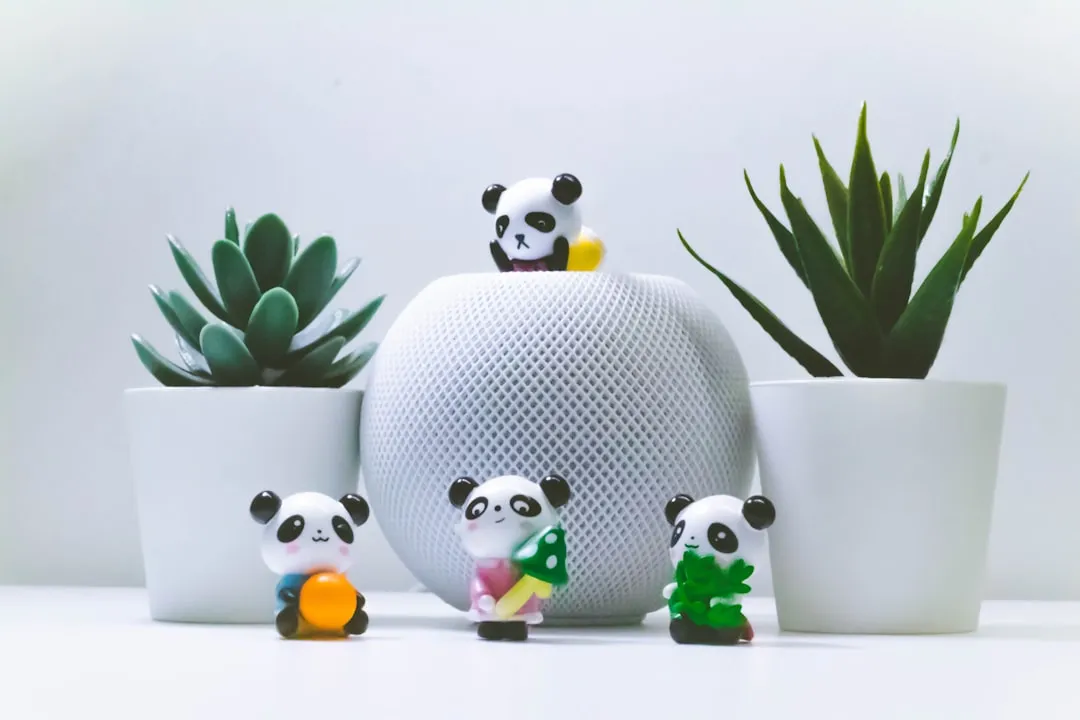
New HomePod and HomePod mini Release Delay: Why Siri Is Holding Back Ready Hardware
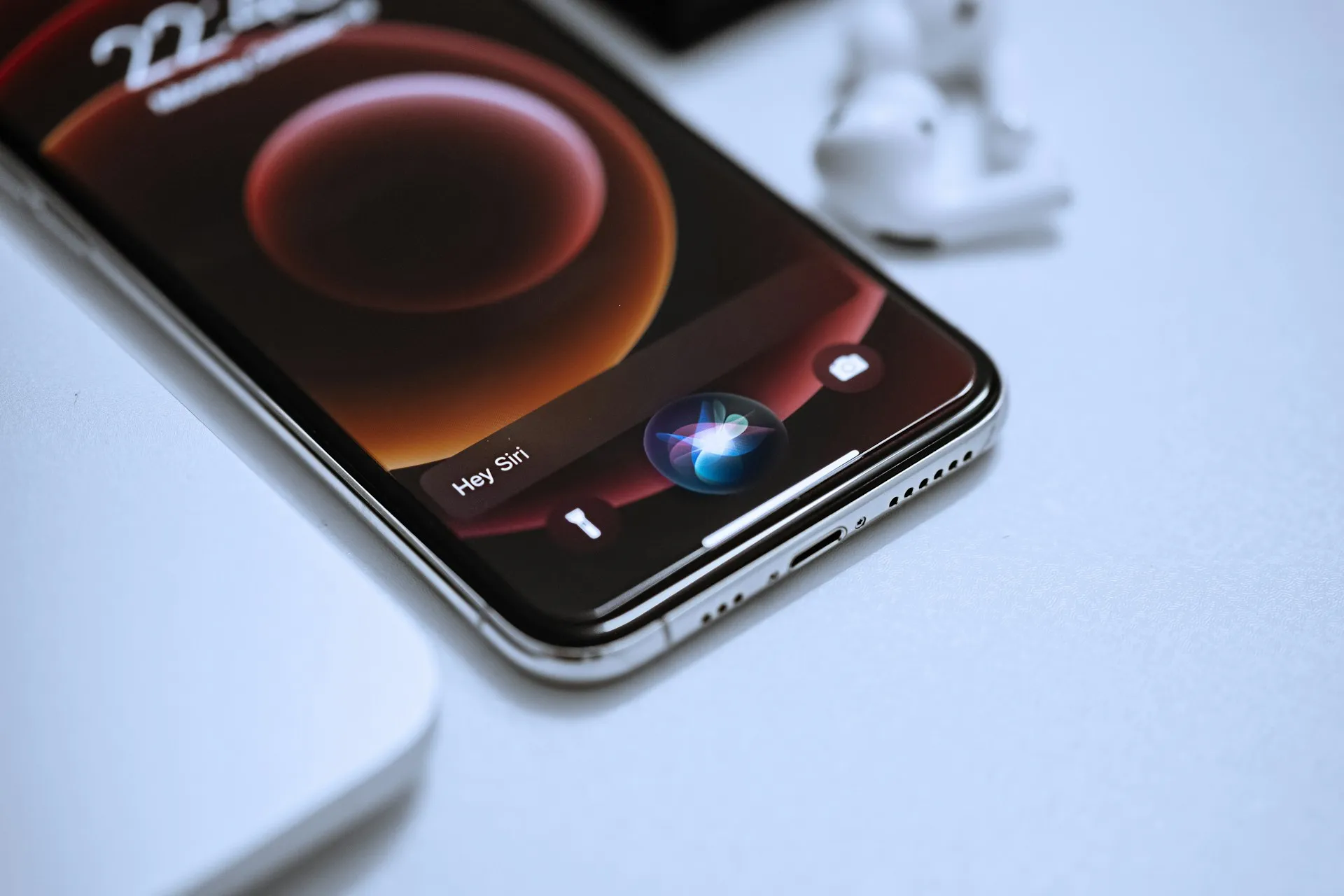
Apple launched nine products this month, including the iPhone 17e and the MacBook Neo. Two more are finished and waiting. The new HomePod mini and Apple TV 4K release delay has nothing to do with manufacturing, supply chains, or design problems. Bloomberg's Mark Gurman confirmed this week that both devices have been "ready" since last year, held back by one variable: Apple's next-generation Siri still isn't stable enough to ship, MacRumors reported last week.
Here's what's reported versus what's inferred. On the reporting side: the hardware exists, it works, and Apple is deliberately holding it back until the Siri overhaul clears an internal quality bar. On the inference side: Apple appears to be staging a coordinated home platform launch rather than releasing devices piecemeal. That distinction matters for how to read everything that follows.
The current HomePod mini launched in October 2020. The current Apple TV 4K arrived in October 2022. Both are overdue by any conventional hardware cycle. As Mashable reported last week, both devices could ship today and function normally without upgraded Siri. The delay is a strategic choice, not a technical limitation.
One scope note worth stating before going further: the HomePod mini and Apple TV 4K are the products with specific, consistent sourcing. Gurman's language has at times referenced "HomePod" without specifying the mini, and a full-size HomePod refresh appears in passing in some reports, but confirmed specs for a full-size update don't exist in current reporting, MacObserver noted earlier this month. That distinction matters for what follows.
Siri upgrade delaying HomePod launch: what slipped and the updated HomePod mini release date window
Apple first announced the redesigned Siri at WWDC 2024. Nearly two years later, it has no confirmed public release date.
Engineers pulled the new Siri from iOS 26.4 after internal testing exposed reliability problems, pushing the target to either iOS 26.5 or iOS 27, MacObserver reported earlier this month. One significant factor in that stretch: reports from MacRumors and Mashable say Apple shifted from a fully in-house development plan and may be using Google Gemini to power parts of the new AI assistant. The exact technical scope of that integration remains unclear, but it's the most credible explanation on record for why a mid-2024 announcement still doesn't have a ship date. The Bloomberg Gurman HomePod report from this week doesn't revisit the Gemini details, but the earlier reporting makes the causal chain legible: a pivot of that scale takes time.
Two plausible windows have emerged:
- iOS 26.5 / May: The first developer beta could land in late March or early April, with a public release expected in May. Some Siri improvements might arrive here, but the full overhaul may hold. Corresponding tvOS and HomePod software updates would follow on the same schedule, AppleMagazine reported two days ago.
- iOS 27 / September: Previewed at WWDC in June, released publicly in September alongside iPhone 18. Apple is currently targeting iOS 27 for the complete upgrade, MacObserver reported earlier this month. If the full Siri overhaul waits until then, the HomePod mini and Apple TV ship as part of Apple's fall wave.
The practical window is somewhere between May and September. The decisive variable is when Siri clears Apple's internal quality threshold, not when the hardware is ready, since by all accounts it already is.
What's confirmed about the hardware
The upgrades are substantial, particularly for the Apple TV.
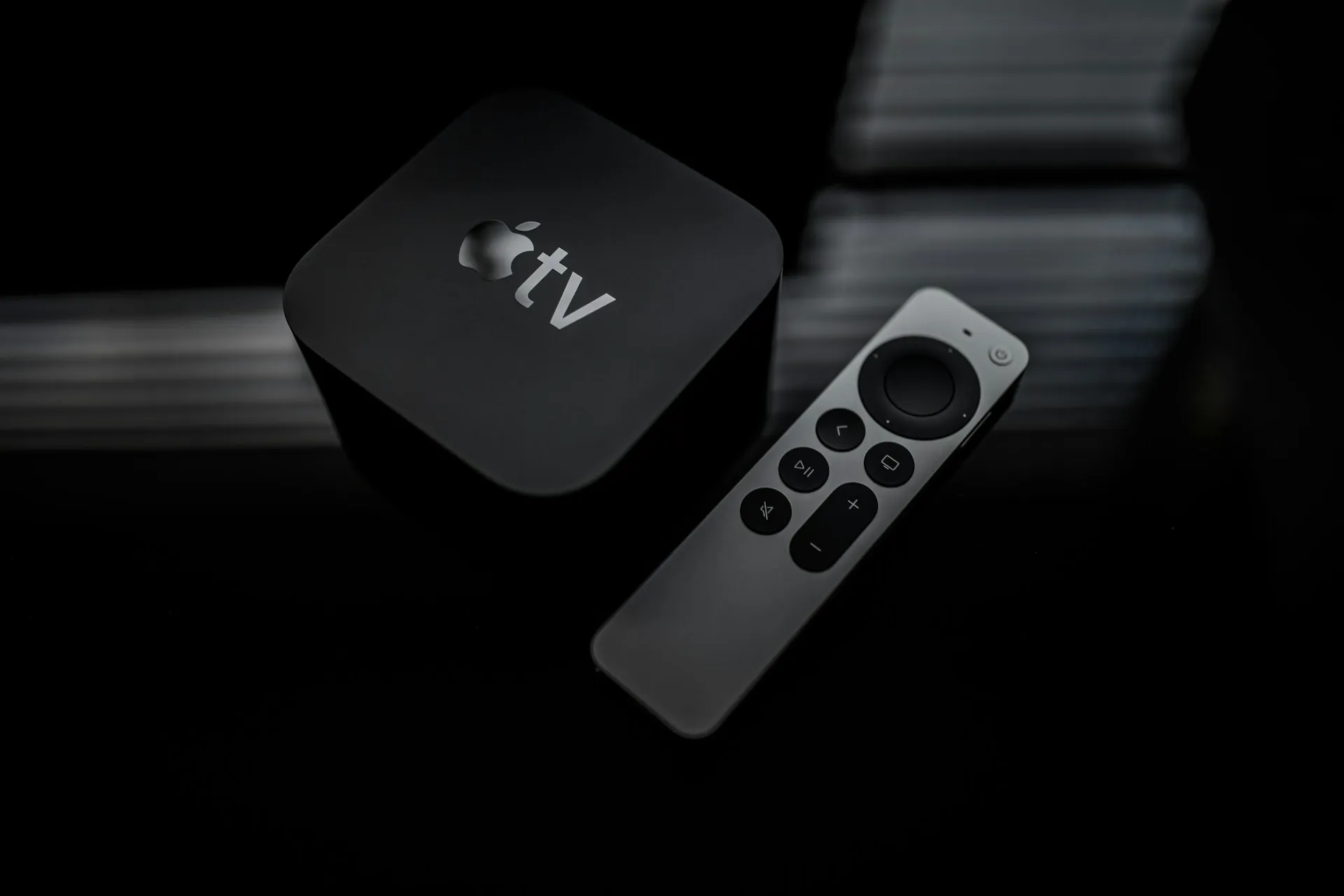
The next Apple TV 4K is expected to carry the A17 Pro chip, the same processor used in the iPhone 15 Pro lineup and the minimum silicon Apple requires for on-device Apple Intelligence processing. That replaces the current A15 Bionic, a gap large enough to deliver meaningful AI capability that its predecessor simply cannot run, MacRumors noted last week. The new model is also rumored to include Apple's N1 networking chip, adding Wi-Fi 7, Bluetooth 6, and Thread support, which in practical terms means faster and more reliable communication with Thread-based smart-home devices that use the Apple TV as a local hub, MacRumors and iLounge both reported.
The HomePod mini picture is more interesting and less settled. Expected upgrades include:
- An S9-class Apple Watch chip or newer variant
- Apple's N1 networking chip for Wi-Fi 7, Bluetooth 6, and Thread
- An updated Ultra Wideband chip for more precise spatial awareness
- Potentially improved audio quality
- A possible new red color option
The open question is what any of that means for Apple Intelligence. The S9 is a wristwatch chip. The A17 Pro in the updated Apple TV is purpose-built for neural processing at scale. How the HomePod mini handles Apple Intelligence tasks, whether it offloads them to a paired iPhone, routes them to Apple's servers, or handles a lighter subset of Siri features, hasn't been addressed in any sourced reporting, MacRumors acknowledged last week.
That's the key uncertainty for buyers. The entire rationale for the new HomePod and HomePod mini release delay is AI readiness, but the chip powering the HomePod mini may not be capable of running those AI features on-device. If its Siri upgrade turns out to be cloud-dependent or reliant on a paired iPhone, the wait may feel considerably less justified than the framing has implied.
What this delay suggests about Apple's home strategy
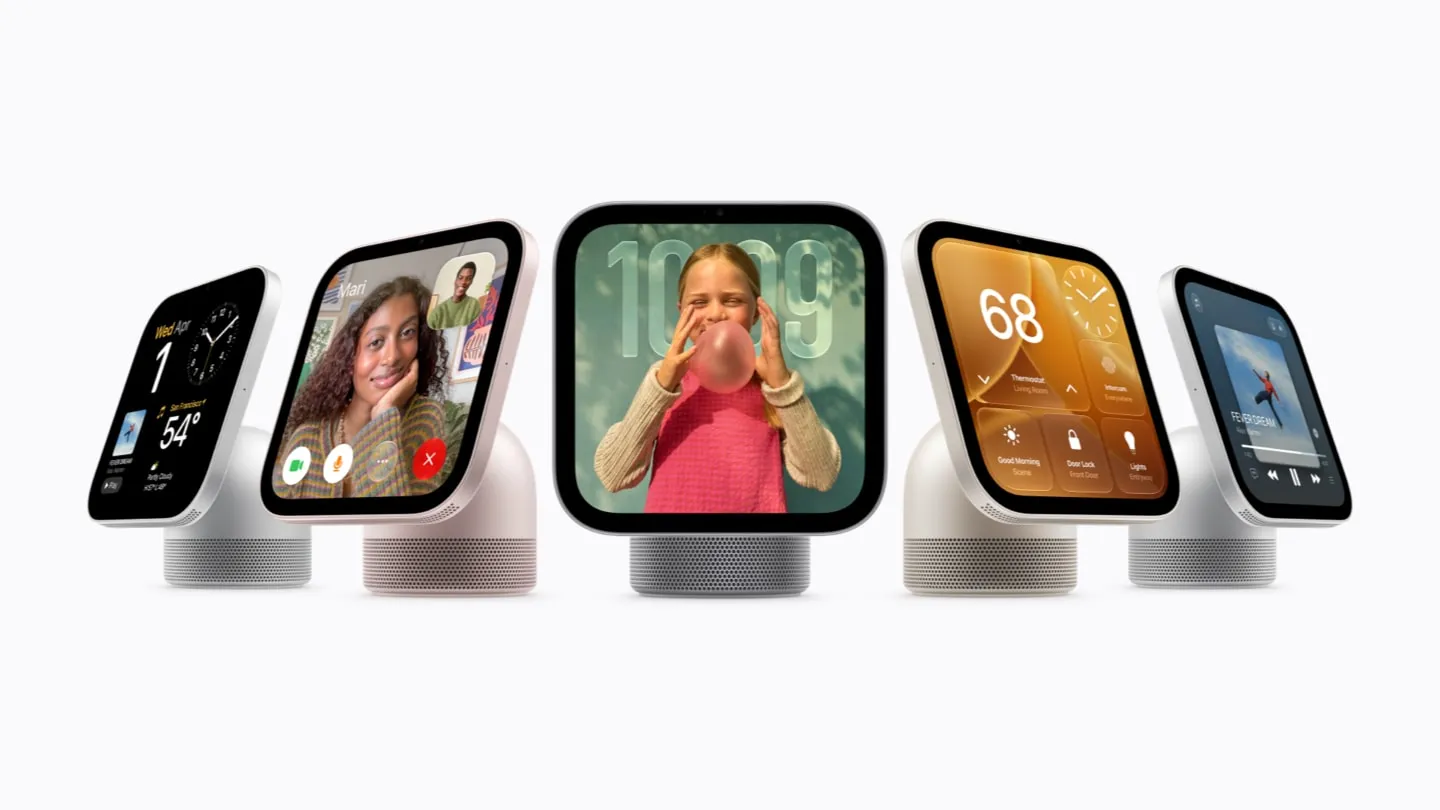
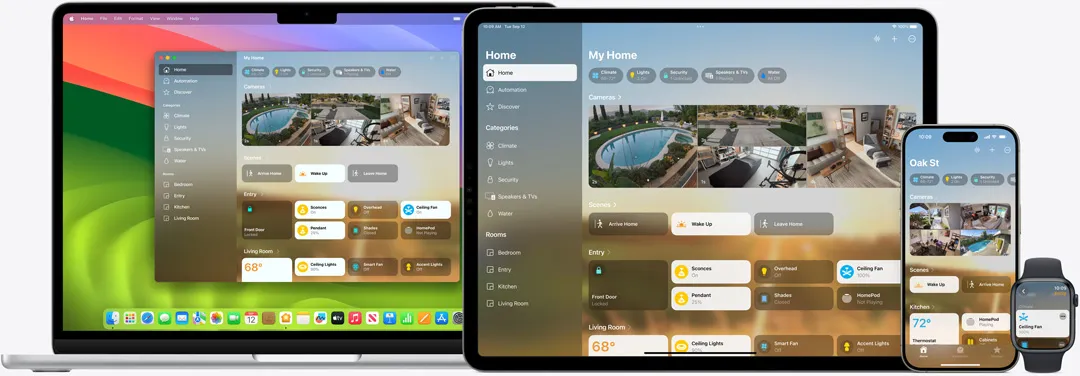
The pattern here points somewhere specific. Apple's long-rumored smart-home hub, a dedicated display-and-assistant device, is also believed to be held back by the same Siri bottleneck, and reports describe it as more fundamentally dependent on the new assistant than either the HomePod mini or Apple TV, Mashable reported last week. Shipping these devices on separate cycles would fragment that story before it gets told. The inference, supported by the reporting, is that Apple wants one cohesive home platform moment: HomePod mini as a refreshed voice endpoint, Apple TV as the AI-capable hub, and eventually a dedicated home display at the center.
There's a visible symptom of this bottleneck already. Retail inventory of both the HomePod mini and Apple TV 4K is running low at Apple stores worldwide, Gurman reported. Thinning stock typically signals an imminent refresh. This time, the hardware is ready and the software is not, so the signal means less than usual.
For anyone deciding whether to buy now or wait, the current devices work and will continue to work. Buying now means no Apple Intelligence support, no Wi-Fi 7 or Thread for smart-home device communication, and hardware that will feel visibly behind within months of a confirmed refresh. With a launch window of May to September, waiting is the stronger call.
One caveat stands. If the HomePod mini's AI capability turns out to be meaningfully constrained by its chip, what buyers are actually waiting for may be a better-connected speaker with an uncertain AI story, not the full Siri upgrade that's been driving the delay in the first place. That question won't have a clear answer until Apple ships the device and explains what it can actually do.



Comments
Be the first, drop a comment!