





Next AirPods Pro Could Add Infrared Cameras for Spatial Sensing
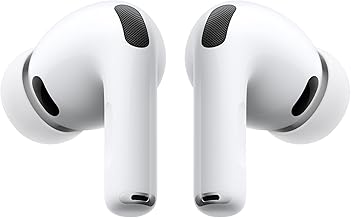
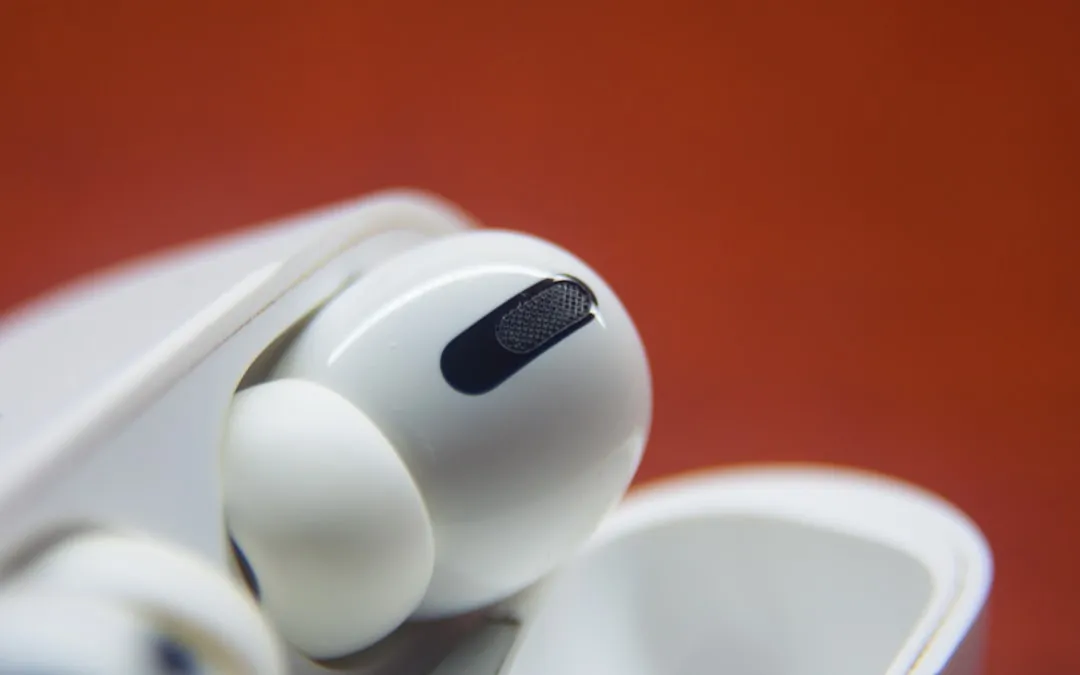
Multiple sources report that Apple is developing a next AirPods Pro variant equipped with tiny infrared cameras. The cameras aren't for photography. Their reported purpose is environmental sensing: detecting what's around the wearer, recognizing hand gestures in mid-air, and feeding spatial context to a connected iPhone and Vision Pro, MacRumors reports today.
Every prior AirPods Pro revision has centered on audio quality, noise cancellation, or fit, from the original in October 2019 through the current AirPods Pro lineup, per MacRumors. If accurate, infrared cameras for environmental awareness would mark the first hardware addition that shifts AirPods toward sensing rather than sound. Supply chain analyst Ming-Chi Kuo and multiple other sources converge on a 2026 launch, with September the most likely window based on Apple's consistent pattern of announcing new AirPods at its annual iPhone event.
What the cameras would actually do
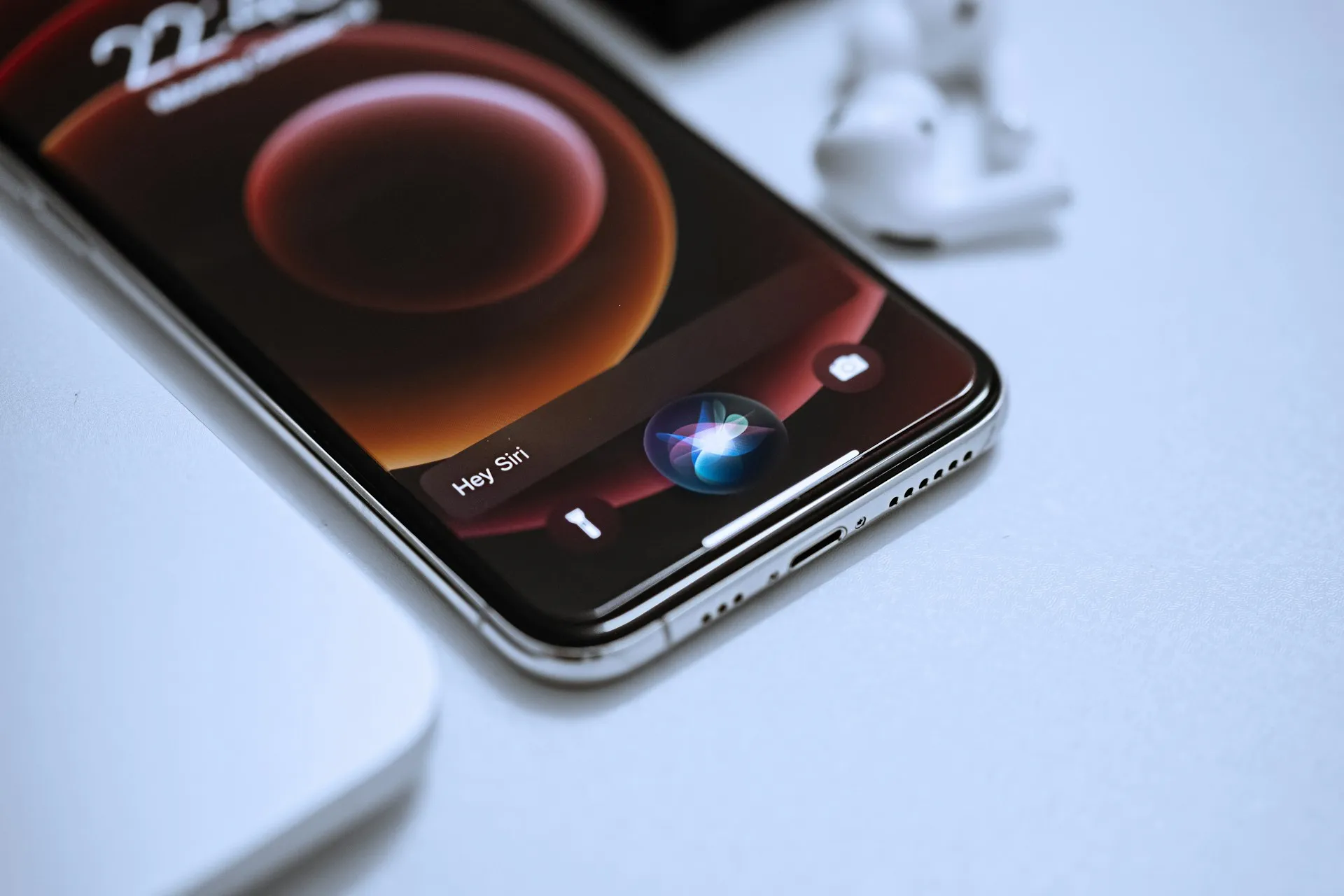
The cameras would not capture photos or video. Their reported function is environmental awareness: detecting what surrounds the wearer and relaying that spatial data to a connected iPhone, where it could feed Visual Intelligence and Siri capabilities expected in a future version of iOS, MacRumors reports today. AirPods would become a second ambient sensor in Apple's AI stack, sitting alongside the iPhone's own cameras rather than replacing them.
Kuo says the cameras could also enable in-air hand gesture controls, letting users manage playback and other functions through hand movements rather than touching the earbuds. One report raises the possibility that Apple could remove stem pressure controls entirely and make gesture input the primary interface, though MacRumors notes this detail is the least confirmed in the current rumor set.
For Vision Pro owners, the reported benefit is more concrete. Kuo says the cameras could give AirPods a richer picture of the wearer's physical position, improving the spatial audio handoff between the earbuds and the headset, per MacRumors.
No source has described a working user workflow, battery impact, where processing would happen, latency, or privacy implementation. The sensing direction is credible; the daily-use experience remains uncharted.
This fits a trajectory Apple has been building deliberately. AirPods Pro 2 were updated via firmware to function as FDA-authorized hearing aid software, correcting for mild-to-moderate hearing loss, a non-audio capability delivered entirely through software, as 9to5Mac reported about eleven months ago. Apple is also developing heart-rate monitoring and broader physiological sensing for future AirPods hardware, with internal testing already underway, 9to5Mac reported about sixteen months ago. Infrared cameras for environmental awareness would be the next step in the same direction: AirPods as a sensing platform, not just an audio accessory.
A premium variant, not a new generation
The camera-equipped model is expected to sit above the current $249 AirPods Pro 3 in the lineup, sold alongside it rather than replacing it, MacRumors reported two months ago. Apple has not previously marketed two concurrently positioned AirPods Pro tiers aimed at different feature levels, though the dual-tier AirPods 4 established a commercial template: $129 without ANC, $179 with it, both on sale at once.
Apple's AirPods lineup currently spans multiple price tiers ranging from $129 to $549, per MacRumors. A camera-equipped Pro variant priced above $249 would slot between the standard Pro and AirPods Max, filling a gap that currently doesn't exist. Whether that's actually the plan depends on which rumor source you weight more heavily, and the sources disagree.
The split-tier approach has already proven itself commercially. After launching the differentiated AirPods 4 lineup, Apple's wireless earbud sales grew 10% year-over-year in 2024, compared to 5% growth when AirPods 3 launched in 2021, Counterpoint Research data shows. Differentiating by capability while sharing core hardware moved units before; that doesn't guarantee the same outcome for a more expensive camera-equipped model, but the strategic logic isn't speculative.
Naming is the least settled detail. The product almost certainly won't be called AirPods Pro 4 given its non-generational positioning, MacRumors notes today. "AirPods Ultra" has appeared in recent rumor reports. Apple's own "AirPods 4 with Active Noise Cancellation" label shows the company will reach for descriptive names when the situation calls for it. Whatever it ends up being called, function and price will determine how it lands.
What's still genuinely disputed
Pricing is the sharpest conflict in the rumor record, and it matters because the two scenarios describe entirely different products. Leaker Kosutami says the camera model would hold at $249 and replace the current AirPods Pro outright. Leaker Instant Digital, whose reporting corroborates the infrared camera details, describes a pricier variant around $299 sold alongside AirPods Pro 3, MacRumors reported two months ago. A $249 price means mainstream replacement; $299 means premium upsell. These aren't minor discrepancies in the same story. They're different bets on where Apple thinks the audience for this hardware actually sits, and the sources aren't reconcilable on current evidence.
On timing, there's more agreement. Apple has announced every major AirPods Pro revision at or near its September iPhone event, from the original through AirPods Pro 3 last September, and no source actively contradicts a September 2026 window, per MacRumors. September or October remains the most credible window based on historical patterns alone.
A chip upgrade to H3, expected to bring lower latency and improved audio quality, appears in recent reporting but remains lightly sourced, MacRumors notes today. Plausible companion detail; not a confirmed feature.
What this product would actually represent
If the cameras are real and functional, they would give AirPods the ability to gather limited environmental context for connected Apple devices, capabilities that sit alongside, not below, what the iPhone and Apple Watch already do in Apple's ecosystem, MacRumors reports. The practical payoffs described so far are gesture controls, richer contextual input for Siri and Apple Intelligence, and tighter spatial audio integration with Vision Pro.
That's a narrower initial audience than a standard AirPods Pro refresh. Vision Pro owners and users already invested in Apple Intelligence are the clearest early beneficiaries. That's consistent with how Apple has historically introduced platform-expanding hardware: at a premium, for the most committed users first, MacRumors noted two months ago.
The unresolved pricing question isn't just a detail. At $249, this is a product Apple thinks is ready for everyone. At $299, it's a bet on a smaller, more invested audience. Which of those reflects Apple's actual read on the market is the thing the rumor record can't yet answer, and the one that will matter most when September arrives.



Comments
Be the first, drop a comment!