





tvOS 27 Beta 6 Developer Release? It's Actually Beta 1
Apple shipped the first developer beta of tvOS 27 on June 9, 2026, days after unveiling the software at its WWDC 2026 keynote, MacObserver reported that day. This is the tvOS 27 beta 1 developer release, not a later build, and nothing in the available reporting points to a sixth developer beta anywhere in this cycle.
That distinction matters. Framing this as a "beta 6" story would outrun what's actually documented, so this piece sticks to the two capabilities Apple introduced at the very start of the cycle: a leaner way of handling localized app downloads, and Apple Intelligence's arrival inside HomeKit Secure Video.
Both features trace to the same MacObserver report, and both describe what Apple built the features to do, not anything demonstrated hands-on. That caveat carries more weight for one of the two, since it involves recorded home security footage rather than an app's install size.
A storage fix aimed at developers, not a redesign
Apple moved quickly to get its newest tvOS software into developers' hands right after the WWDC 2026 keynote, according to MacObserver. The company released tvOS 27 beta 1 for compatible devices, giving app makers a chance to test upcoming changes ahead of a public release Apple projected for later that summer.
The update leans on several background improvements rather than a visible redesign, per that report. Chief among them, according to the release notes MacObserver cited, is a background assets feature: instead of bundling every supported language into a single app install, tvOS 27 downloads only the localized asset pack matching a device's language setting.
That's a bit like a streaming app shipping just the subtitle track a viewer actually uses instead of every language file at once. Applied to app installs broadly, MacObserver reported that this approach cuts down how much storage an app takes up on Apple TV hardware.
By extension, apps that support many languages stand to save more space than single-language apps built for one market. That's a reasonable read of how the mechanism works, though Apple hasn't published figures confirming the scale of any of it.
The reporting doesn't quantify the change elsewhere either. There's no number for how much storage this recovers on average, and no detail on whether the behavior kicks in automatically or requires a developer to opt an app in.
What is established is where the effect lands. The change touches storage tied to app installs, a backend adjustment developers would notice in a smaller footprint rather than anything a viewer configures on screen.
Apple Intelligence comes to HomeKit Secure Video
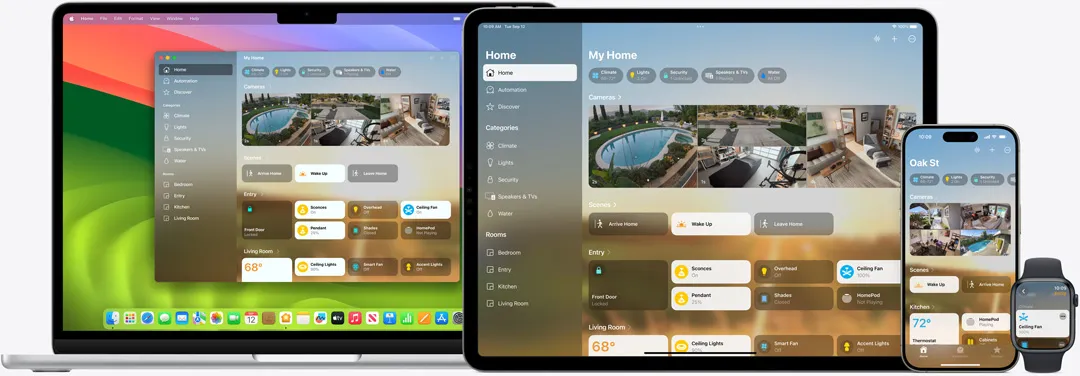
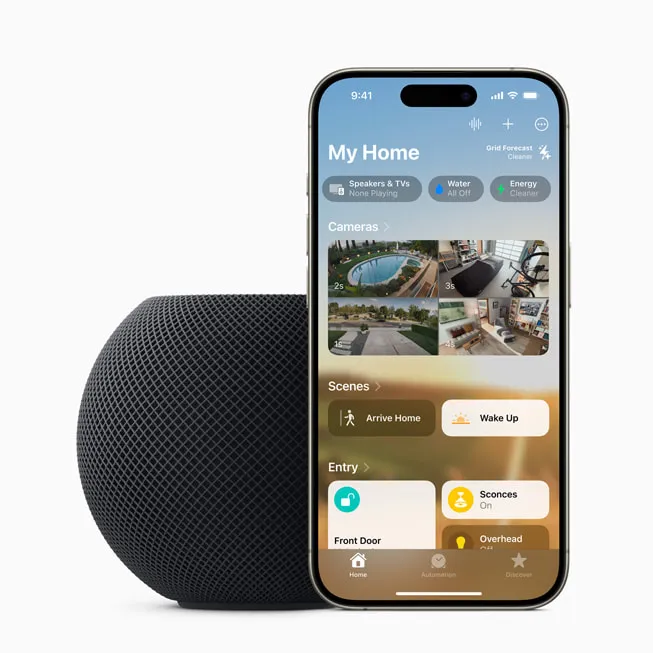
tvOS 27 also integrates Apple Intelligence into the Home app, MacObserver reported. In practice, that means HomeKit Secure Video recordings get processed both on the device and through Private Cloud Compute, generating video descriptions and enabling search.
The intended effect is straightforward: a user could search recorded footage by description instead of scrubbing through hours of video looking for one moment. Something like "package on the porch" illustrates the kind of query the feature is meant to support. That example isn't drawn from a hands-on demonstration; MacObserver's report didn't include one.
Splitting the workload between on-device processing and Private Cloud Compute suggests Apple is trying to balance speed against privacy, running some analysis locally and offloading heavier tasks elsewhere. How that split actually plays out day to day isn't detailed in the reporting, which is exactly the part worth watching once more documentation surfaces.
Several operational details go unanswered for now. It's unclear which data leaves the home network versus what stays local, how the Private Cloud Compute path differs from on-device processing in practice, which camera models and HomeKit hub setups the feature supports, and whether region or language restrictions apply.
Those specifics would normally live in Apple's privacy documentation or a fuller developer release note, and neither had surfaced by the time this report published two and a half months ago. Given that the feature touches footage recorded inside someone's home, that gap deserves more scrutiny than the storage question above.
How Apple said developers could access the tvOS 27 beta 1
Installing the beta doesn't require a paid developer account, and it's available directly through the Apple TV's own settings menu, MacObserver reported. That's a lower bar than some past Apple TV betas, which typically required enrollment tied to Apple's paid developer program before a build could even be installed.
Dropping that requirement opens the door to smaller developers and curious testers who don't hold a paid account, not just engineers at companies already enrolled. Whether that broader access changed how much feedback Apple actually collected isn't something the report addresses.
Apple built this version strictly for software development, and expected bugs and performance issues in the early build, according to the same report. A steadier public beta was slated for early July 2026, a projection made at launch, not a confirmed rollout this piece can verify from the vantage point of mid-August.
Developers had roughly a month between the two releases to report issues and optimize their apps before the broader public got involved, MacObserver reported. That window frames the beta's stated purpose: catching problems early, not delivering a finished experience to daily Apple TV users.
Beyond those access details and the bugs warning, the report doesn't cover device-model compatibility, uninstall behavior, or regional availability. None of that was established in the source material, and this piece won't fill in blanks the reporting leaves open.
What remains unverified
Whether the background-assets system and HomeKit Secure Video search shipped as described, changed shape in later testing, or reached additional devices isn't something the June report can confirm. Answering that requires Apple's current release notes or verified reporting on whatever tvOS 27 builds followed this one, and neither exists in the material available for this piece.
Until that documentation turns up, this is what the record supports: a first-look developer beta introducing two features Apple says it built, not a confirmed account of a finished sixth-round release.





Comments
Be the first, drop a comment!