



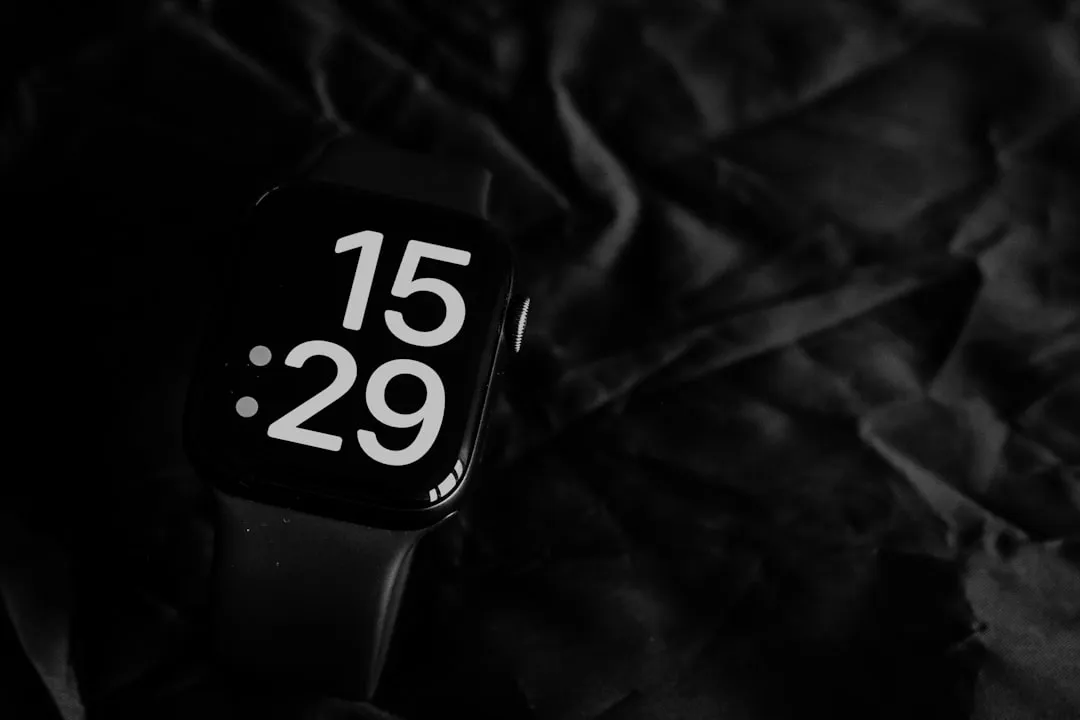
watchOS 26.5 New Apple Watch Face: Pride Luminance Explained
Apple is adding Pride Luminance to watchOS 26.5, a new analog watch face that, for the first time in the annual Pride series, lets users pull background colors directly from specific Pride flags. Release candidates shipped yesterday, with the public update expected in the second week of May, per MacRumors.
The face can be as colorful or as monochromatic as you'd like, according to 9to5Mac. That range is deliberate: it makes Pride Luminance usable as an everyday face rather than a seasonal novelty you swap out in June.
Pride Luminance arrives as part of the broader 2026 Pride Collection, which includes a matching wallpaper for iPhone and iPad and a new Sport Loop band. Apple has followed this pattern each year, building out a lineup that now includes Digital, Analog, Woven, Threads, Celebration, Radiance, and Harmony, according to 9to5Mac. None of those prior faces offered flag-based color selection.
What the face looks like on the wrist
Pride Luminance is built around two geometric patterns. The radial style sends rays of color outward from the center, each aligned with an hour marker. The vertical style uses six color-stripe columns that mirror the weave pattern on the matching Sport Loop band, 9to5Mac reported yesterday. Both patterns are available regardless of which dial shape or color configuration a user chooses.
Sitting over the color background is a translucent glass panel that rotates in sync with the minute hand, creating a refractive effect as time moves. Apple describes the result as producing "joyful motion," 9to5Mac reported today. The hour and minute hands are fixed white. The seconds hand takes on one of the user's chosen colors.
That color-reactive seconds hand is where the customization system becomes visible in real time. A user running a single-color palette gets a very different result from someone running twelve, and because the seconds hand moves constantly, those color choices are never static on the wrist. The face is designed to respond to decisions, not just display them.
The two geometric patterns reinforce this dynamic differently. The radial layout emphasizes the clock's center, drawing the eye outward along each color ray toward the hour markers. The vertical style distributes color more evenly across the face, creating a striped background that shifts tone and intensity depending on the palette. Choosing between them is less about which looks better and more about how the user wants color to move on the display.
watchOS 26.5 Pride Luminance customization options
There are two ways into the color system. The Face Gallery offers 11 pre-configured combinations that apply with a single tap. Users who want more control can build a custom palette by choosing anywhere from one to 12 colors out of a pool of more than 70, 9to5Mac reported. The presets cover a reasonable range; the manual route is for users who want something specific.
The flag-based selection is what separates this year's entry from every prior face in the series. Users can source background colors from specific Pride flags rather than picking from a general color library, a capability that Radiance and Harmony didn't offer, according to 9to5Mac. Apple frames this as a way for users to express "themselves and their communities," per 9to5Mac. The distinction matters: a face built around a general color picker and one built around flag palettes are asking different things of the user. The former is aesthetic customization; the latter is identity-specific.
What isn't yet known is which flags are included. Apple has confirmed the flag-based palette option exists, but the complete list hasn't been detailed in available reporting. That will become clear when the update ships.
Dial shape is a separate, independent choice. The rectangular dial fills the display with the full background design, giving the geometric patterns maximum screen area. The circular dial trades some of that canvas for up to four corner complications, including activity rings, weather, and heart rate, 9to5Mac noted. Users who want Pride Luminance as their primary everyday face will likely lean toward the circular option; those who want the full visual effect will prefer the rectangle.
The practical result is a face with four independent configuration axes: color palette, dial shape, geometric style, and complications. Color alone offers 11 presets or a custom build from 70-plus individual options. That's a lot of surface area for a watch face, and it's more than any previous entry in the Pride series has provided.
Which Apple Watch models get every feature
The full customization system is available on every Apple Watch capable of running watchOS 26.5. Color selection, both dial shapes, both geometric patterns, and complications support are not restricted by hardware generation, 9to5Mac confirmed.
One distinction applies by model. The always-on ticking seconds hand is limited to Apple Watch Series 10, Series 11, and Ultra 3. On earlier devices, the seconds hand still appears; it simply doesn't tick continuously, per 9to5Mac. That is the only confirmed hardware difference.
For most users, the hardware generation won't change the experience in any significant way. Given that the color-reactive seconds hand is one of the more visually interesting elements of the face, continuous ticking does add something on supported devices. But it's a refinement, not a reason to hold off on the update.
When to expect the update
Release candidates shipped yesterday, per MacRumors. The public release of watchOS 26.5 is expected in the second week of May. Pride Luminance will appear in the Face Gallery immediately after updating, with no separate download required.
The 2026 Pride Edition Sport Loop band is already available to order, ahead of the software, 9to5Mac noted. The band's vertical stripe weave is reflected directly in the face's vertical geometric style, so the two are designed to complement each other. Neither requires the other.
Pride Luminance is a more capable face than its predecessors in the series, but the more interesting question it raises is how future entries expand on it. Sourcing colors from specific flag palettes is a genuinely new model for this kind of watch face. Whether Apple extends that system further, or whether this represents the ceiling of flag-based customization in watchOS, won't be clear until next year's collection arrives.

Comments
Be the first, drop a comment!