



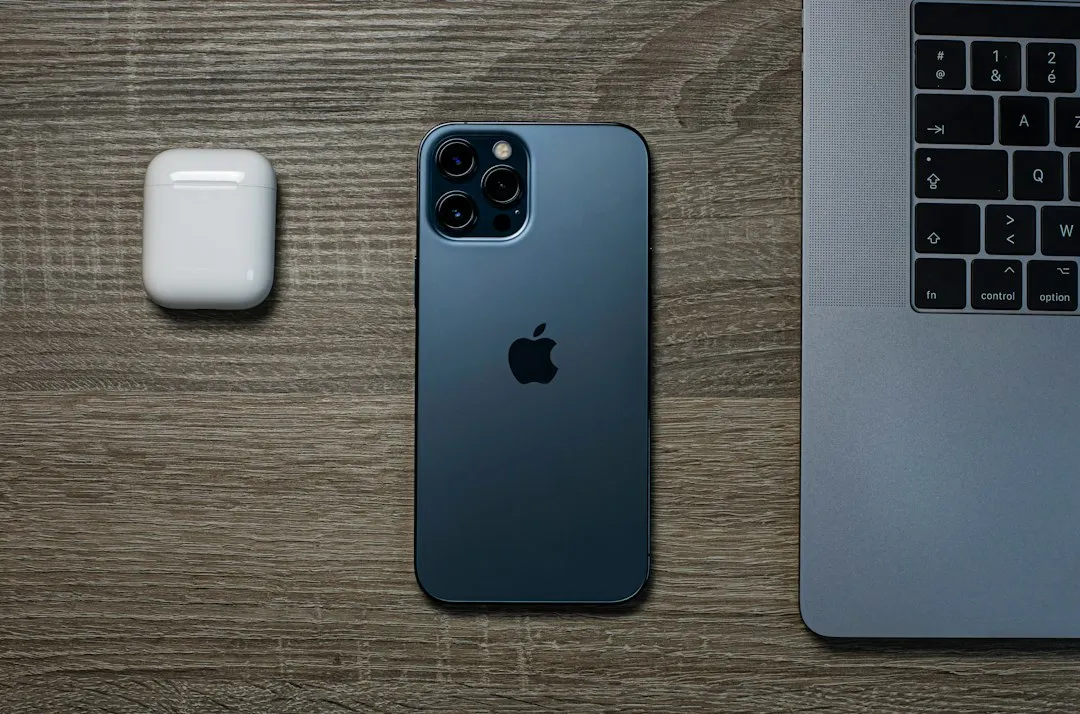
How to import passwords into Apple Passwords on Mac & iPhone
This guide walks through how to import passwords into Apple Passwords, built around the Mac-based CSV import that third-party guides have documented in detail, plus a separate iPhone-only method that hasn't been shown to produce the same result. If switching password managers has been sitting on the to-do list, this covers what to check before starting, how the transfer actually works, and why it's worth verifying everything before deleting the old vault.
Apple Passwords launched as a standalone app alongside iOS 18, iPadOS 18, macOS Sequoia, and visionOS 2, giving users one place to manage passwords, passkeys, and verification codes (Apple Support, earlier this year). Apple's own support page explains how the app and iCloud Keychain work, but it stops short of publishing CSV import steps. Those come from third-party walkthroughs that tested the process directly, including How-To Geek in 2024 and a 4AN guide from last year.
Two things matter before touching any files. First, the CSV this process depends on holds every login in plain, readable text, so anyone who opens it can see usernames and passwords without cracking anything, according to 4AN's reporting from last year. Second, the documented import only pulls in title, URL, username, password, and notes; everything else in the export gets ignored (How-To Geek, in 2024). Don't assume passkeys, verification codes, payment details, folders, or tags will come along for the ride. Check each one manually and move it separately.
What you need before you start
A Mac running macOS Sequoia or later is the better-documented path. Two separate walkthroughs describe the import there as a built-in Passwords app feature, 4AN last year and How-To Geek in 2024. No Mac on hand? A separate route exists for importing a CSV straight into Safari on iPhone, covered further down, but it comes with a caveat worth reading before relying on it.
Before exporting anything, confirm:
- The current password manager can produce a CSV with clear headers like name, URL, username, and password.
- Every Apple device involved is updated to its latest available software version, since the Passwords app's features depend on it (Apple Support, earlier this year).
- The device is signed into a personal Apple Account, not a shared login.
- The work happens on hardware actually owned and controlled, not a public or borrowed computer. A plaintext password file has no business sitting on a machine that isn't fully trusted.
Export your passwords to a CSV file
Open the current password manager's export or settings menu and generate a CSV. Menu wording varies by app, but the goal is the same whether the destination is a Mac import or the Safari route covered later: a file with recognizable columns for name, URL, username, and password. This is also the step most guides mean when they talk about how to transfer passwords from another password manager to Apple Passwords, regardless of which import method comes next.
Treat the file as sensitive the moment it exists, not after it's imported. A short sequence keeps it contained:
- Export the file only on a personal device already signed into the Apple Account that will receive the passwords.
- Run the import right away instead of letting the file sit around.
- Don't email it, upload it to a shared drive, or open it any more than needed to confirm it imported cleanly.
- Delete it only after the checks in the verification section below pass, then empty the Trash.
How to import CSV passwords to Apple Passwords on Mac
With the CSV ready and macOS Sequoia or later installed, the import itself is short:
- Open the Passwords app and complete any authentication prompt that appears.
- From the menu bar, select File > Import Passwords (from File) (How-To Geek, in 2024; 4AN, last year).
- Click Choose File and select the CSV from the export step.
- Click Import.
Import time scales with the size of the file, and exports from mainstream password managers are generally accepted without needing to be reformatted (How-To Geek, in 2024).
Running an older version of macOS without the standalone Passwords app? How-To Geek describes a separate fallback from 2024: go to System Settings > Passwords, open the "..." ellipsis menu, and choose Import Passwords from there. Treat this as its own route rather than an interchangeable step in the Sequoia workflow, since menu wording shifts between macOS versions.
Success here means two things: entries actually show up in the Passwords app, and critical logins, think email, banking, work accounts, autofill correctly when tested.
If the import fails or skips entries
A conflict dialog box sometimes appears listing passwords that didn't make it over, per 4AN's reporting from last year. That doesn't mean the whole file failed. Check the CSV headers and formatting first, then either add the missing entries manually or re-export just those records and run the import again.
Importing passwords into Apple Passwords on iPhone through Safari
iOS 18.2 added the ability to import a CSV file directly into Safari, giving iPhone-only users without a Mac a way to move credentials over, according to 4AN. Confirm the device is actually running iOS 18.2 or later before exporting anything; this detail comes from a single source and hasn't been cross-checked against Apple's own documentation.
To run it:
- Export the CSV from the current password manager, following the same steps as the Mac route.
- Open Settings > Apps > Safari.
- Tap Import, located below History and Website Data.
- Choose the CSV file and follow the prompts to finish.
No source in this research confirms whether credentials imported through Safari automatically surface inside the standalone Passwords app the way a Mac import does. How-To Geek noted two years ago that migrating directly through the iPhone Passwords app wasn't possible at that time, which predates the Safari option but underscores that mobile support here is newer and less tested than the Mac route.
After running the import, open the Passwords app and test autofill on a few familiar sites. If entries show up there and autofill works, the migration can be treated as done. If the entries don't appear in Passwords, don't assume the migration is complete. Keep the old password manager active until a Mac becomes available to run the documented import, which remains the better-tested path for getting credentials fully into the Passwords app. Guessing isn't a plan.
Verify the migration before you delete anything
Regardless of which path was used, hold off on the old password manager until a few things check out. Compare the rough number of entries in the old manager against what landed in Passwords, and cross-check anything listed in a conflict dialog from the Mac import. Then test logins across a mix of account types: an email account, a financial or banking site, a work login, and one site with an unusual or nonstandard login URL, since those are more likely to expose a silent gap than a handful of easy logins.
Two-factor codes, passkeys, payment cards, and anything filed into folders or tags sit outside the five fields the import actually documents, title, URL, username, password, and notes (How-To Geek, in 2024). Check each of those categories manually inside the old manager and move them over through whatever method that app supports.
Visibility isn't the same as function. An entry showing up in Passwords doesn't prove it works. Log into at least one important account using the migrated credentials, and separately confirm any 2FA codes or passkeys tied to the old manager still work the way they should.
Turn on iCloud Keychain to sync everywhere
Once the import checks out, enable sync so the same credentials show up on every Apple device. Go to Settings (or System Settings on Mac), tap the name at the top, then iCloud > Passwords and Keychain, and turn it on if it isn't already (Apple Support, earlier this year).
A new device can be approved from one already signed in, or with an old device's passcode, after which Keychain starts updating automatically (Apple Support, earlier this year). Confirm it actually worked by checking that the same imported entries show up on a second Apple device.
Windows users aren't locked out either. The same passwords are reachable through the iCloud for Windows app and the iCloud Passwords extension for Chrome or Edge, per 4AN's guide from last year.
With logins, 2FA codes, passkeys, and cross-device sync all verified, delete the CSV file now, including from the Trash, since it still holds every password in readable plain text, as both 4AN and How-To Geek point out. Keep the old password manager installed a bit longer as a fallback until everything above has actually been tested, not just assumed.
What to do now
Mac owners should run the import, work through the verification checklist, and only then delete the CSV and loosen their grip on the old manager. iPhone-only users should run the Safari import, check specifically whether those entries land inside the Passwords app itself, and keep the old manager active if they don't.








Comments
Be the first, drop a comment!