



If you mostly use Apple Podcasts to press play and nothing else, there's a handful of useful controls sitting untouched: a library that actually surfaces what you want to hear, playback settings you won't have to hunt for every session, chapter and timestamp navigation for long episodes, and syncing that's supposed to carry your spot across every Apple device you own.
This guide covers how to use Apple Podcasts beyond the play button, including offline downloads, queue management, playback speed, sleep timers, transcripts, and syncing across devices, all documented in Apple's current Podcasts guides.
Four steps get you there, in order: your library, your default playback controls, your navigation tools for long episodes, and a check on whether sync actually works across your own devices. Each section flags what Apple confirms directly and what depends on the podcast itself.
How to Manage Podcasts on iPhone: Build a Library That Surfaces What You Want
Following a show adds it to your library. Apple says followed shows can automatically download new episodes, while new-episode notifications are controlled separately and can be switched on or off for individual shows.
You can also download episodes manually for offline playback, which matters if you're commuting through a dead zone or about to fly.
Use the favorite-categories option to sharpen Apple's personalized recommendations. Apple says favorite categories rank higher in search results and contribute to better show recommendations.
Top Charts works differently: it's organized by category rather than tailored solely to your own listening history, so treat it as a general discovery tool rather than a mirror of your habits. Apple's editors also curate collections of new and popular shows if you'd rather skip the algorithm and browse manually.
Search also works while you type, helping when you're trying to find one specific episode from a half-remembered title instead of scrolling through a show's entire back catalog.
Apple Podcasts can also connect eligible subscriptions from Apple Music, Apple News+, and participating third-party apps to unlock subscriber-only podcast content.
If you subscribed through the App Store and the service supports Podcasts, Apple says the connection can happen automatically. Other eligible subscriptions can be linked manually through the "Already a Subscriber?" option.
Availability still varies by app, service, country, region, and subscription.
Apple Podcasts Settings Guide: Playback Features to Use Every Day
Apple includes queue management, playback speed, and sleep timers in the Now Playing controls.
These Apple Podcasts playback features take only a few seconds to use and can save repeat taps later: line up several episodes in the queue, adjust playback speed, and set a sleep timer when you don't want an episode running indefinitely.
Apple also lets you set a custom playback speed and Enhance Dialogue preference for individual shows you follow. Open a followed show's page, tap the More button, choose Settings, then look under Speed & Audio Adjustments.
Enhance Dialogue is designed to make spoken voices easier to hear. Try it on a specific episode where dialogue feels muddy rather than assuming it should stay on for everything.
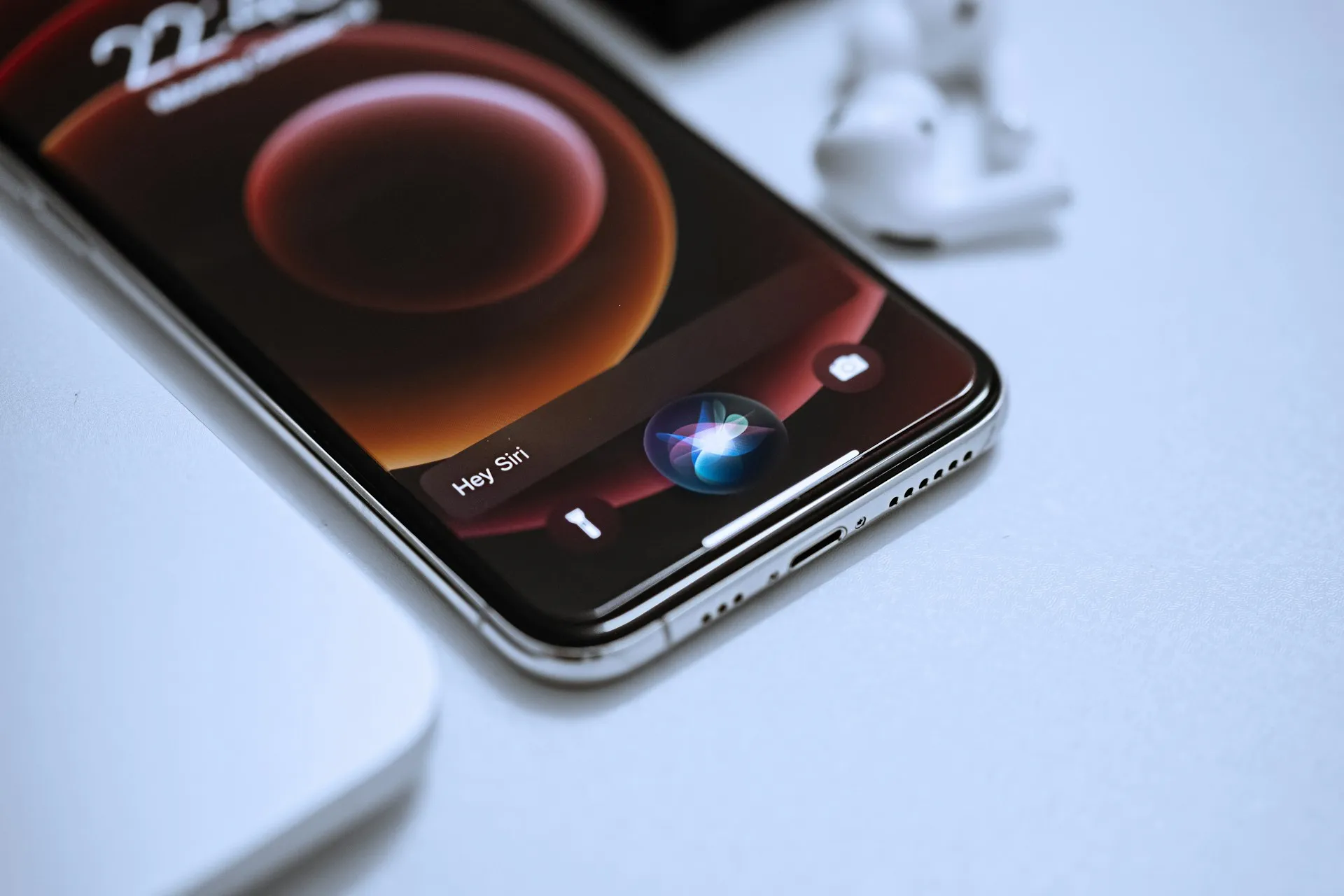
Siri adds hands-free control on top of this. Apple documents commands for pausing, rewinding 30 seconds, doubling playback speed, or skipping ahead by a specific amount of time.
For example, you can say "Siri, rewind 30 seconds" or "Siri, play this twice as fast." Apple notes that Siri features and commands vary by language, country, and region.
How to Find and Share the Exact Moment in a Long Episode
When an episode includes chapter information, Apple Podcasts can surface those chapters during playback and in the transcript view. If the show doesn't provide usable chapter data, you won't get the same navigation options.
Timestamps written into episode information can also appear as tappable links, letting you jump directly to a referenced point instead of manually dragging through the timeline.
Where a transcript exists, open it from the Now Playing screen to read along while the episode plays. Apple's current transcript guide says you can scroll through the transcript, tap a section to jump to that moment, search for specific words, view available chapters, and press and hold a section to select or share it.
Transcripts aren't available for every episode. If the Transcript button is grayed out, Apple says a transcript isn't available for that episode.
You can also share an episode from a specific playback point. From Now Playing, open the More menu, tap Share, then tap "From Start" and switch it to the current timestamp before sending the link.
The recipient's episode starts from that selected point rather than from the beginning.
Chapter and transcript tools remain partly content-dependent, so check the episode itself before assuming those controls will appear.
How to Sync Apple Podcasts Across Devices
Apple now documents exactly how Podcast syncing works.
Shows you follow, channel subscriptions, stations, and your current play position can sync across Mac, iPhone, iPad, and other supported devices when you're signed in with the same Apple Account.
On iPhone or iPad running iOS 18 or later, go to:
Settings > Apps > Podcasts > Sync Library
Make sure Sync Library is turned on.
On Mac, open Podcasts, choose Podcasts > Settings > General, then make sure Sync Library is selected.
Apple also says followed shows, channel subscriptions, and current play position sync automatically when you're signed in to Apple Podcasts on the web.
To test whether sync is working, start an episode on one device, stop partway through, then open Apple Podcasts on a second device signed into the same Apple Account.
If the position doesn't match, first confirm that both devices use the same Apple Account and that Sync Library is enabled on each device.
Those are Apple's documented requirements, so they're the right first checks before looking for less common explanations.
Automatic downloads are separate from syncing. If a show hasn't been played for a while, Apple may pause automatic downloads for new episodes even though the show remains followed and the library itself continues to sync.
You can restart them from the show's page by choosing Resume Automatic Downloads.
If a playback position still fails to carry over after checking the account and Sync Library settings, manually scrub back to roughly where you stopped and make sure both devices are fully updated before testing again.
Other Apple Podcasts Features to Try
Apple Podcasts also supports Apple Watch, CarPlay, HomePod and other AirPlay-compatible speakers, Home Screen widgets, and Apple Podcasts on the web.
Video podcasts can switch between video and audio playback, while supported devices also offer transcripts, speed controls, AirPlay output, and other Now Playing tools.
These features may require their own device or speaker setup, so treat them as optional extras once your library, playback defaults, and sync are behaving the way you expect.
What to Do Next
Single-device listener: Set up your library, notifications, automatic downloads, and playback preferences. You can skip the sync test entirely.
Multi-device listener: Confirm the same Apple Account is signed in everywhere and turn on Sync Library on each device, then run the resume test before relying on cross-device playback.
Chapter or transcript user: Check the episode first. Transcript and chapter availability depends on the content Apple has available for that episode.
Persistent sync failure: Confirm the Apple Account, Sync Library setting, and software version first. If the position still doesn't sync, use manual scrubbing as the immediate workaround rather than assuming the episode itself is broken.


Comments
Be the first, drop a comment!