





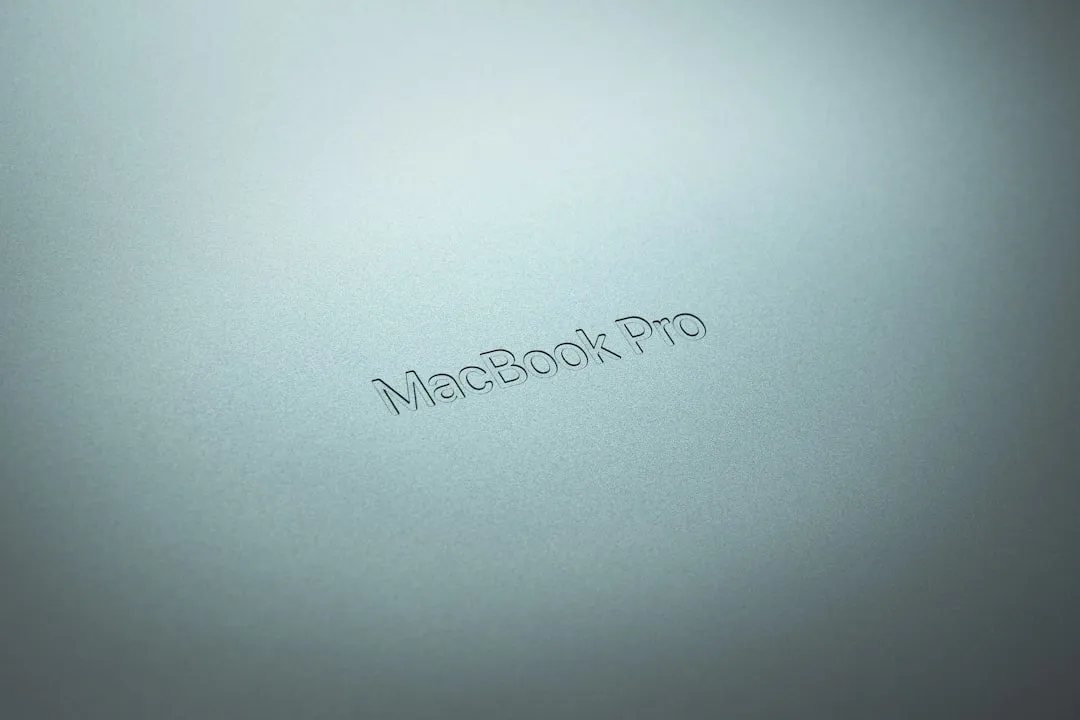
The Ultimate Mac Showdown: Maxed-Out MacBook Pro vs MacBook Air vs Mac Mini
When you're ready to go all-out on a Mac, the question isn't just "which one?" – it's "how far can these machines actually go?" Let's break down what happens when you max out Apple's three most popular Mac configurations and see which powerhouse deserves your hard-earned cash.
What Does "Maxed Out" Really Mean?
Here's the thing about Apple's configure-to-order options – they can get pretty wild. We're talking about pushing each machine to its absolute limits with maximum RAM, storage, and processing power. But before we dive into the specs, let's set some ground rules for what we're comparing.
For our showdown, we're looking at the highest-end configuration available for each model as of late 2023–2024 generation. That means we're not just talking about bumping up the storage – we're going full throttle on every component Apple will let us upgrade.
PRO TIP: While maxed-out configurations showcase the ultimate potential of each machine, consider whether you actually need all that power. Sometimes the sweet spot is a tier or two below the maximum.
MacBook Pro: The Heavyweight Champion
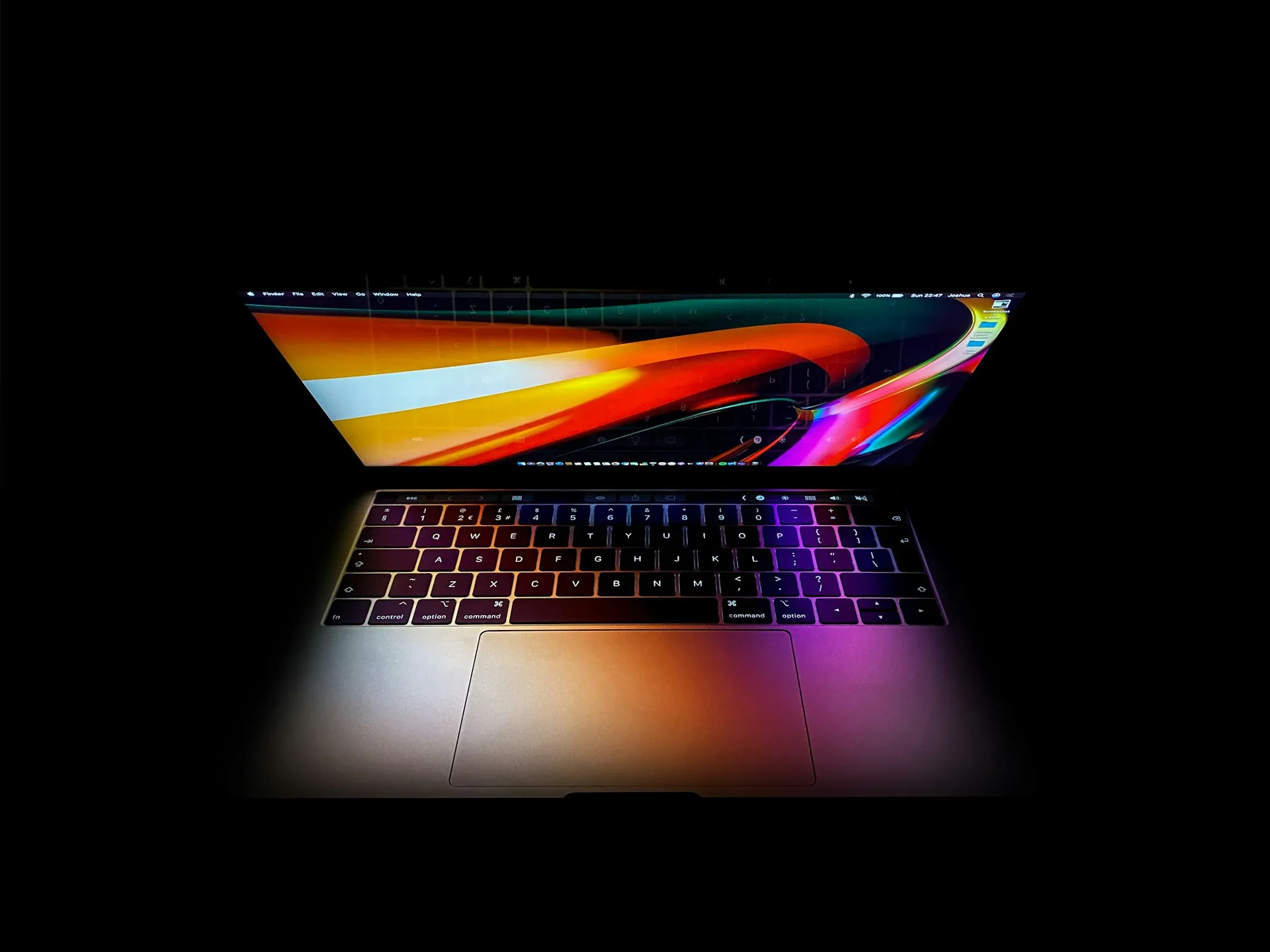
When you max out a MacBook Pro, you're looking at a machine that laughs in the face of 8K video editing and complex 3D rendering. The top-tier 16-inch MacBook Pro with an M3 Max chip isn't messing around.
The Specs That Matter
The maxed-out MacBook Pro brings some serious firepower to the table. We're talking about configurations that can handle whatever professional workflow you throw at them, from Hollywood-level video production to computational research.
Key advantages include:
Unmatched mobile performance for creative professionals
Industry-leading display technology with ProMotion
Robust thermal management for sustained workloads
Professional-grade connectivity options
Who Should Consider This Beast?
This isn't your casual coffee shop laptop – though it certainly can be if you've got money to burn. The maxed-out MacBook Pro makes sense for video editors working with 8K footage, 3D artists rendering complex scenes, developers compiling massive codebases, and anyone who needs desktop-class performance in a portable package.
Bottom line: If your work relies on intensive computing tasks and you need to do them anywhere, this is your machine.
MacBook Air: The Surprising Contender
Don't let the Air's slim profile fool you – when you max out this machine, it becomes a surprisingly capable workhorse. The latest MacBook Air with an M3 chip punches way above its weight class.
Performance vs Portability
The maxed-out MacBook Air represents something unique in Apple's lineup: serious performance in an impossibly thin package. While it can't match the raw power of its Pro sibling, it delivers impressive results for most professional tasks.
The Sweet Spot for Most Users
Here's what makes the maxed-out Air interesting – it offers a significant portion of the Pro's performance in many everyday tasks for many real-world tasks, but with superior battery life and ultra-portability. For writers, consultants, casual content creators, and most business users, this might be all the Mac you'll ever need.
The Air excels at:
All-day battery life even under moderate workloads
Silent operation thanks to fanless design
Excellent display quality for the price point
Sufficient performance for most professional tasks
PRO TIP: The Air's fanless design means it will throttle under sustained heavy loads. If your work involves hours of video rendering, the Pro's active cooling gives it a significant advantage.
Mac Mini: The Desktop Dark Horse
The Mac Mini might be the smallest player in this comparison, but when maxed out, it delivers desktop-class performance that rivals much more expensive machines. This little box packs a serious punch.
Performance Per Dollar Champion
If raw performance per dollar is your metric, the maxed-out Mac Mini is tough to beat. Without the costs associated with a built-in display, keyboard, and battery, Apple can pack more computing power into a lower price point.
The Flexibility Factor
The Mini's desktop form factor opens up possibilities that laptops can't match:
Connect to multiple high-resolution displays
Extensive connectivity options
Easy serviceability and upgrades
Perfect for home office or studio setups
Considerations for Desktop Life
Of course, the Mini requires you to bring your own peripherals. Factor in the cost of a quality display, keyboard, and mouse when calculating your total investment. But for users who already have these components or prefer to choose their own, the Mini offers exceptional value.
Head-to-Head Performance Analysis
Let's get real about performance differences between these maxed-out configurations. While specific benchmarks vary depending on the task, here's how these machines typically stack up:
CPU-Intensive Tasks
The MacBook Pro's M3 Max chip generally leads the pack, with the Mac Mini following closely behind (depending on configuration), and the MacBook Air delivering solid but third-place performance.
Graphics Performance
This is where the MacBook Pro really shines, especially for 3D rendering and gaming. The Mac Mini can be configured with respectable graphics performance, while the Air handles everyday graphics tasks without issue.
Sustained Workloads
The Pro's active cooling system gives it a significant advantage for sustained heavy workloads. The Mini performs well for desktop use, while the Air may throttle during extended intensive tasks.
The key takeaway is that all three machines are incredibly capable – the differences mainly matter for specific professional workflows and use cases.
Price Reality Check
Here's where things get interesting – and potentially wallet-crushing. Maxed-out Mac configurations aren't cheap, and the price differences between models might surprise you.
Investment Levels
Each machine represents a significant investment when fully configured, but they target different use cases and budgets. Consider not just the upfront cost, but the total cost of ownership over several years.
Value Proposition Analysis
MacBook Pro: Premium price for premium mobile performance
MacBook Air: Balanced cost for excellent everyday performance
Mac Mini: Best performance per dollar, requires additional peripherals
PRO TIP: Consider whether you need maximum configurations. Often, stepping down one or two tiers still provides excellent performance while saving significant money.
Storage Considerations: The Hidden Cost
Apple's storage upgrades are notoriously expensive, and this is where maxed-out configurations get really pricey. But storage is also one of the most important specs to get right, since it's not upgradeable after purchase.
Planning Your Storage Needs
Before maxing out storage, honestly assess your needs:
Creative professionals working with large video files need maximum storage
Cloud-dependent users might get by with less
Consider external storage solutions for archival needs
The External Storage Alternative
Sometimes it makes more sense to buy a smaller internal drive and supplement with fast external storage. Thunderbolt SSDs offer excellent performance for many workflows while keeping costs manageable.
Making the Right Choice
So which maxed-out Mac should you choose? It depends on your specific needs, budget, and work style.
Choose the MacBook Pro if:
You need maximum performance on the go
Your work involves sustained CPU/GPU-intensive tasks
Display quality is critical to your workflow
Budget is less important than capability
Choose the MacBook Air if:
Portability and battery life are top priorities
You need solid performance for most professional tasks
You want the best balance of features and price
Silent operation is important for your environment
Choose the Mac Mini if:
You work primarily at a desk
Performance per dollar is your top priority
You have or want to choose your own peripherals
Space efficiency matters in your setup
The Bottom Line
Maxed-out Mac configurations represent Apple's vision of what's possible when money is no object. Each machine excels in different areas, and the "best" choice depends entirely on how you work and what you prioritize.
Here's what you need to know: All three machines, when maxed out, offer more performance than many typical users require. The decision often comes down to form factor, specific workflow requirements, and budget considerations rather than raw capability.
Don't just focus on the specs sheet – consider how you actually work. The most expensive configuration isn't always the best choice for your specific needs. Sometimes the sweet spot is a tier or two below maximum, offering 90% of the performance for 70% of the cost.
PRO TIP: If you're unsure about maxing out your configuration, consider starting with a more moderate build and using the savings for other tools that might improve your workflow – professional software, external displays, or high-quality peripherals often provide more tangible benefits than maximum specs.
Ultimately, any of these maxed-out Macs will serve you well for years to come. The question isn't whether they're powerful enough – it's which one fits best into your life and work style.





Comments
Be the first, drop a comment!