





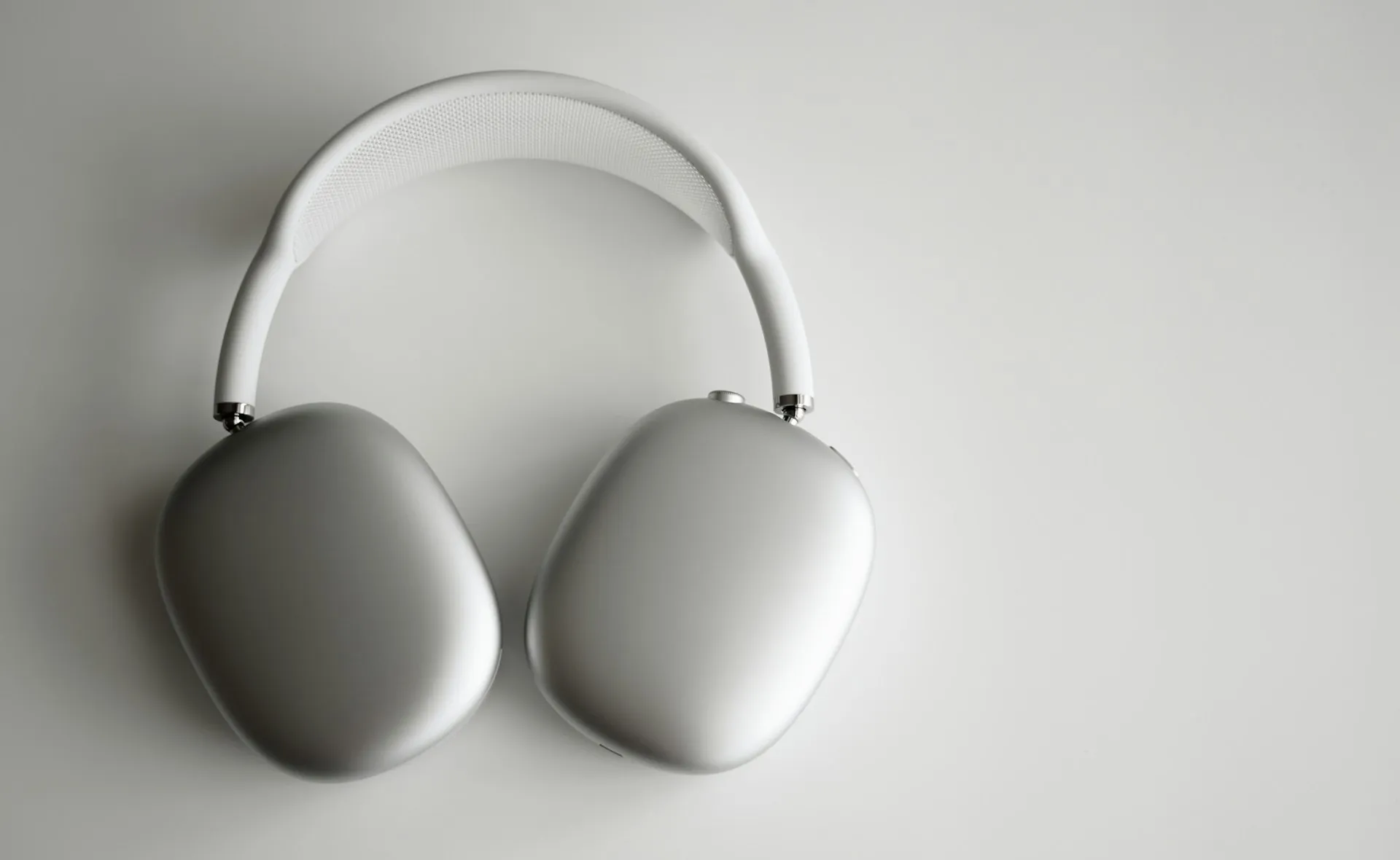
The AirPods Max 2 announcement has arrived, and if you're wondering whether Apple's latest premium headphones justify another look at your wallet, you're not alone. After years of waiting for a meaningful update to the original AirPods Max, Apple has finally revealed what's next for their flagship over-ear headphones. But here's the thing—this isn't the dramatic overhaul many were hoping for.
Let's break down what's actually new, what hasn't changed, and whether this update makes sense in today's competitive headphone landscape. The reality is that Apple's approach to this refresh tells us as much about their broader audio strategy as it does about the headphones themselves.
You know that feeling when you're expecting a major product reveal and instead get what feels like a modest external refresh paired with a few internal upgrades? That's essentially what we're looking at here. Don't get me wrong—there are changes worth discussing—but if you were holding your breath for revolutionary new features, you might want to exhale slowly.
What's actually different this time around?
The most significant change in the AirPods Max 2 centers around connectivity, while continuing Apple's shift to USB-C charging, first introduced in the 2024 AirPods Max refresh. This shift aligns the headphones with Apple's broader move toward universal charging standards across their product lineup. Apple continues with the updated color lineup introduced in the USB-C refresh.
The biggest upgrade is under the hood: AirPods Max 2 now use Apple's H2 chip, enabling improved active noise cancellation, better sound processing, and new features like Adaptive Audio, Conversation Awareness, and Live Translation."
Now, here's what's interesting—and maybe a little disappointing depending on your perspective. While USB-C remains part of the update, the more significant change is the move to Apple's H2 chip and the features it enables. After years of user feedback about the Lightning connector feeling outdated on a premium product, Apple has finally responded.
However, that's essentially where the major updates end. While the physical drivers and design remain similar, Apple has upgraded the internal processing with the H2 chip, improving active noise cancellation, spatial audio, and overall sound quality. The same applies to the physical design language: the aluminum construction, mesh headband, and overall form factor carry over virtually untouched.
Rather than introducing cutting-edge features or substantial audio improvements, Apple has focused on addressing the most practical user complaint while maintaining their established formula. From an engineering perspective, this makes sense if the original platform was performing well. From a consumer excitement standpoint? Well, that's where expectations might diverge from reality.
How does this stack up against the competition?
The headphone market has evolved significantly since the original AirPods Max launched, with competitors like Sony and Bose advancing their flagship models in meaningful ways. Sony's WH-1000XM5 series continues to refine its noise cancellation technology and call quality, while Bose has focused on comfort improvements and battery optimization—practical upgrades that users notice in daily use.
Here's where Apple's positioning becomes intriguing. While competitors have been iterating on technical features and user experience improvements, Apple has kept the same design while focusing on internal upgrades like improved ANC and new software-driven audio features. This approach suggests they view the AirPods Max as fundamentally sound in its current state, requiring only essential compatibility updates.
The USB-C addition does eliminate one practical barrier for potential buyers, especially those already invested in Apple's ecosystem who appreciate unified charging solutions. However, this single improvement may not be enough to sway users considering alternatives that have advanced their feature sets over the same time period.
What's particularly notable is how this positions Apple in the premium segment. They're not competing on cutting-edge features or the latest audio innovations. Instead, they're banking on build quality, ecosystem integration, and brand loyalty—a strategy that works for some buyers but may not resonate with everyone seeking the latest technology.
Who should actually consider upgrading?
The target audience for the AirPods Max 2 becomes quite specific when you examine what's changed—and more importantly, what hasn't. Current AirPods Max owners have little compelling reason to upgrade unless the USB-C convenience factor significantly impacts their daily routine or they're particularly drawn to the new color options.
Let's be honest here—if you already own the original AirPods Max, this upgrade probably isn't for you. Unless you're someone who genuinely needs USB-C charging across all your devices or you're absolutely in love with one of the new color options, you're essentially looking at the same headphones with a different port.
The more logical buyers are those who've been waiting on the sidelines for a refreshed model before making their first AirPods Max purchase. For these potential customers, the USB-C compatibility removes a significant friction point, especially if they're already using newer MacBooks, iPads, or other devices that have moved away from Lightning.
Think about it this way: if you've been considering the AirPods Max but were put off by having to carry yet another charging cable—especially a Lightning cable in 2024—this update addresses that specific concern. You're getting the same solid audio performance and build quality that made the original appealing, but with the convenience of standardized charging.
Apple ecosystem users who prioritize seamless integration across their devices remain the sweet spot for these headphones. The automatic device switching, spatial audio support with Apple content, and integration with Siri continue to offer advantages that competitors can't fully replicate within Apple's hardware environment.
PRO TIP: If you're heavily invested in Apple's ecosystem and the USB-C charging matters to your workflow, the AirPods Max 2 makes sense as a first-time purchase. But upgraders should probably save their money unless that charging port is genuinely bothering them.
What does this reveal about Apple's audio roadmap?
Apple's measured approach to the AirPods Max 2 offers insights into their broader audio strategy and resource allocation. This conservative update indicates that Apple views the original AirPods Max design and feature set as fundamentally successful, requiring only essential compatibility improvements rather than revolutionary changes.
The emphasis on USB-C compatibility over new audio features signals Apple's practical priorities—ensuring their products work seamlessly together takes precedence over introducing cutting-edge audio technology that might not provide obvious benefits to mainstream users.
This strategy makes business sense when you consider the AirPods Max's role in Apple's audio lineup. Unlike the standard AirPods and AirPods Pro, which are volume sellers reaching mainstream consumers, the Max serves more as a halo product—impressive for brand positioning but representing a smaller market segment.
Rather than investing heavily in dramatic improvements for this niche product, Apple appears content to maintain the Max as a premium option for users who specifically value build quality and ecosystem integration. This approach allows them to focus development resources on higher-volume products while keeping their premium offering current with essential updates.
The minimal refresh strategy also suggests Apple believes they've achieved their goals with the original formula. When a company makes such conservative changes, it typically indicates satisfaction with the product's market performance and user feedback within its intended segment.
The bottom line: evolution, not revolution
The AirPods Max 2 represents exactly what its changes suggest—a careful refinement addressing practical concerns rather than a bold technological leap forward. Apple has resolved the most common user complaint about the original model while preserving everything that worked well, from the premium materials to the solid audio performance.
Whether this approach succeeds depends largely on your expectations for premium headphone evolution. If you're seeking cutting-edge audio technology or significant feature additions, this update will likely feel insufficient. However, if you value Apple's ecosystem integration and have been waiting for USB-C compatibility, the AirPods Max 2 removes the main practical barrier.
The real question isn't whether these headphones deliver good performance—they maintain the quality that made the original noteworthy. Instead, it's whether Apple's maintenance-focused update strategy aligns with what you expect from a next-generation premium product in an increasingly competitive market.
Bottom line: The AirPods Max 2 represents measured product management rather than ambitious innovation. For first-time buyers who appreciate Apple's ecosystem benefits and want USB-C convenience, these headphones deliver solid value within their intended niche. For existing owners or those hoping for breakthrough features, this release serves as a reminder that sometimes addressing practical concerns takes priority over revolutionary advancement.





Comments
Be the first, drop a comment!