





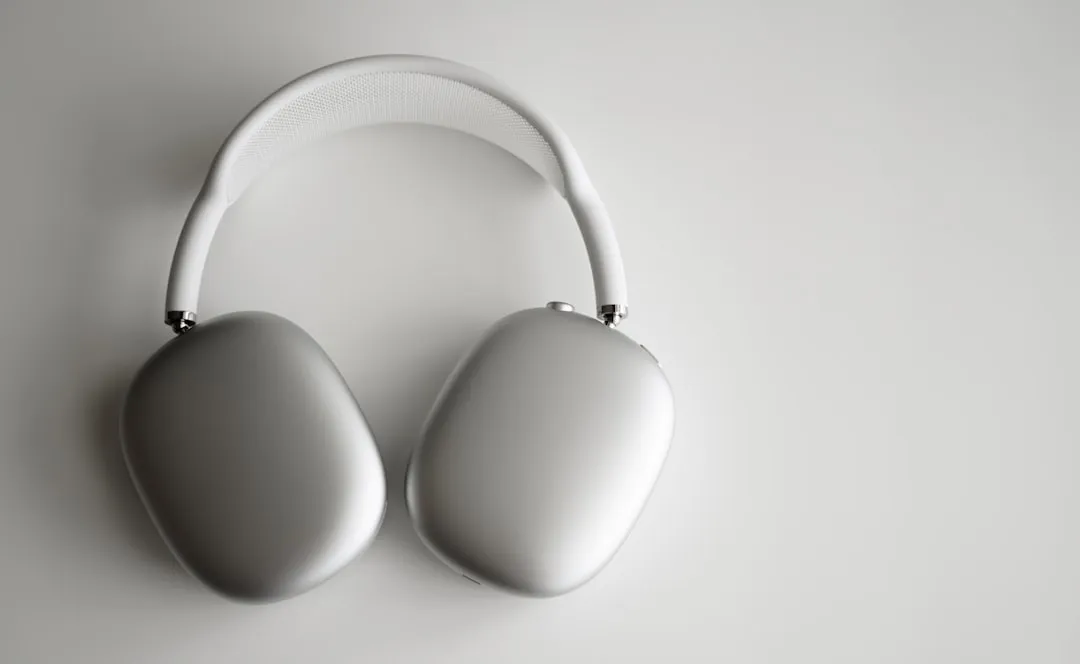
The AirPods Max made their debut back in 2020, and after years of waiting, Apple has finally unveiled their successor. You know how it is with Apple—they take their time between major updates, sometimes leaving us wondering if they've forgotten about certain products entirely. The original Max headphones carved out a unique space in Apple's audio lineup, sitting between the portable convenience of regular AirPods and the premium over-ear market dominated by brands like Sony and Bose.
Now, with the AirPods Max 2 hitting the market, many are wondering whether this long-awaited update delivers the improvements that justify an upgrade—or if it's simply a minor refresh of aging hardware. Since 2020, we've seen the rise of hybrid work environments demanding better call quality, new competitors like the Sennheiser Momentum 4 and updated Sony WH-1000XM5 raising the bar, and user expectations shifting toward multi-device connectivity as our digital lives become increasingly complex.
For existing AirPods Max owners, the decision isn't straightforward. The original model still holds up well in many areas, from build quality to sound performance. But here's the thing—the tech landscape has evolved significantly since 2020, and user expectations have shifted along with it. We're more demanding about battery life, more particular about comfort during long listening sessions, and frankly, more spoiled by the seamless connectivity we've come to expect from our devices.
The question becomes: does the Max 2 address the specific pain points that users have voiced over four years—like the weight distribution issues during extended wear and the occasional connectivity hiccups when switching between devices—and does it offer enough new functionality to warrant the investment? Let's break it down.
What's actually new in the AirPods Max 2?
The AirPods Max 2 brings several notable updates, though the changes might feel more evolutionary than revolutionary to some users. If you were expecting a complete reimagining of what premium headphones should be, you might find yourself slightly disappointed. But if you're looking for thoughtful refinements that address real-world usage patterns, there's actually quite a bit to appreciate here.
The most significant upgrade lies in the internal processing power with Apple's H2 chip, which affects everything from audio quality to smart features. This represents the same generational leap we saw from AirPods Pro to AirPods Pro 2, bringing enhanced computational audio processing and improved battery efficiency. Apple has specifically addressed user feedback about connectivity stability and call quality—two areas where the original Max occasionally stumbled in busy wireless environments.
From a design perspective, the changes are more subtle. The overall aesthetic remains largely consistent with the original Max, maintaining that distinctive Apple look that either draws you in or leaves you cold. There's no middle ground with these headphones when it comes to visual appeal—you either love that sleek, minimalist design or you find it a bit too clinical.
However, the engineering refinements tell a different story. Apple has redistributed the internal weight by repositioning the battery and adjusting the headband padding density, directly responding to complaints about pressure points during marathon listening sessions. The ear cup materials now feature improved moisture management, addressing another common user concern about comfort during extended use.
The connectivity improvements represent another key area of focus. While the original Max handled Bluetooth well enough, the wireless landscape has become more demanding. We're juggling more devices than ever, switching between phones, tablets, laptops, and Apple TVs throughout the day. The H2 chip enables more sophisticated device switching algorithms and maintains more stable connections in environments with heavy wireless interference—think airports, coffee shops, and modern offices packed with competing signals.
How does sound quality compare between generations?
Audio performance sits at the heart of any headphone comparison, and this is where the generational differences become most apparent. The AirPods Max 2 benefits from updated 40mm drivers and the H2 chip's enhanced digital signal processing, which translates to measurable improvements in dynamic range and distortion reduction across the frequency spectrum.
The original AirPods Max already delivered impressive sound quality, particularly for users embedded in the Apple ecosystem. The spatial audio implementation was ahead of its time (remember when that felt like magic?), and the active noise cancellation competed well with industry leaders like Sony's WH-1000X series and Bose's QuietComfort lineup.
The Max 2 builds on these strengths while specifically addressing the bass response inconsistencies that became apparent in professional audio measurements of the original model. Where the first-generation Max sometimes exhibited slight muddiness in the 60-80Hz range during complex passages, the new drivers maintain better control and separation. This becomes particularly noticeable when listening to electronic music or film soundtracks with deep low-frequency content.
Bass response has seen particular attention in the newer model. The new model achieves better balance—delivering satisfying bass impact for popular music while maintaining the precision that classical and jazz listeners appreciate, without the slight overhang that some users noticed in the original's lower registers.
The midrange clarity, crucial for vocal reproduction and instrument separation, benefits from the H2 chip's computational audio improvements. Imagine listening to a complex orchestral piece or a densely layered rock song—the Max 2's enhanced processing allows for better spatial positioning of individual instruments, creating a more three-dimensional soundstage without artificially boosting any particular frequency range.
Should existing owners make the upgrade?
The upgrade decision ultimately depends on how you use your current AirPods Max and what specific improvements matter most to your listening habits. It's not a simple yes-or-no answer, which I know can be frustrating when you're trying to decide whether to spend your hard-earned money.
For casual listeners who primarily use their headphones for music streaming and occasional video content, the original Max likely still meets most needs effectively. If you're happy with your current experience and aren't running into the specific pain points that the Max 2 addresses—connectivity issues, comfort fatigue, or call quality problems—there's a strong argument for sticking with what you have.
However, certain use cases make the upgrade more compelling. Power users who frequently switch between multiple Apple devices will appreciate the H2 chip's enhanced connectivity features. If you're constantly having to manually reconnect your headphones when moving from your iPhone to your MacBook to your iPad, or if you experience audio dropouts in wireless-heavy environments, those improvements alone might justify the upgrade cost.
Similarly, remote workers and content creators will find the improved microphone array and call processing worth the investment. The Max 2's enhanced beamforming algorithms provide noticeably clearer voice pickup in noisy environments—a critical improvement as video calls remain a daily reality for many professionals.
The comfort engineering also matters more than you might expect. If you've experienced the original Max's weight-related fatigue during long listening sessions—maybe your ears get sore after a few hours, or the headband creates pressure points on the crown of your head—the Max 2's redistributed weight and improved padding density directly address these ergonomic concerns.
Where does this leave the premium headphone market?
The AirPods Max 2 arrives in a competitive landscape that's quite different from what the original Max faced in 2020. Sony has refined their WH-1000XM series through two generations, Bose has strengthened their QuietComfort lineup with better sound quality, and newcomers like the Sennheiser Momentum 4 have redefined what battery life can look like in this category—some models now offering 50+ hours compared to the Max's 20 hours.
Apple's approach remains distinct—prioritizing ecosystem integration and computational audio features over pure audiophile appeal. This strategy works exceptionally well for users already invested in Apple devices but may feel limiting for those seeking the ultimate in audio fidelity regardless of brand loyalty.
What's particularly interesting is how the market has segmented over the past few years. The ultra-premium audiophile segment now includes options like the Focal Bathys and Audeze Maxwell, the mainstream noise-canceling category has become increasingly competitive with better performance at lower price points, and gaming-focused models have introduced features like ultra-low latency modes. Apple seems content to dominate the "premium lifestyle" segment rather than trying to compete in every category.
The pricing strategy also plays a crucial role in market positioning. While premium headphones have generally become more expensive over the past few years, feature density has increased significantly. Competitors now offer features like multi-point Bluetooth as standard, some include lossless audio codecs, and battery life has nearly doubled across the category. The Max 2 needs to justify its price point not just against its predecessor, but against current alternatives that offer compelling feature sets.
The bottom line: evolution or revolution?
The AirPods Max 2 represents a thoughtful evolution rather than a revolutionary leap forward. Apple has systematically addressed the practical concerns that emerged from years of real-world use—comfort, connectivity, call quality, and audio refinement—while enhancing the core strengths that made the original Max appealing to its target audience. The H2 chip integration, weight redistribution, and enhanced processing represent meaningful improvements that compound into a noticeably better user experience.
For prospective first-time buyers, the Max 2 is clearly the better choice, offering the latest technology and refinements at a price point that's competitive within the premium segment. You're getting the benefit of four years of iterative improvements and user feedback, plus the enhanced ecosystem integration that Apple has refined across their entire audio lineup.
Existing Max owners face a more nuanced decision. The upgrade makes sense for heavy users who've experienced the original's limitations—those dealing with comfort issues during long sessions, professionals requiring better call quality, or multi-device users frustrated by connectivity hiccups. Casual listeners who primarily use their headphones for music and occasional video might find their current headphones continue to serve them well, especially given the original Max's still-competitive sound quality and build quality.
The key takeaway is that Apple hasn't revolutionized the premium headphone category with this release, but they've demonstrated a commitment to addressing real user needs rather than chasing spec sheet numbers. Sometimes evolution is exactly what's needed, especially when the foundation is already solid and the improvements target genuine pain points rather than marketing bullet points.





Comments
Be the first, drop a comment!