



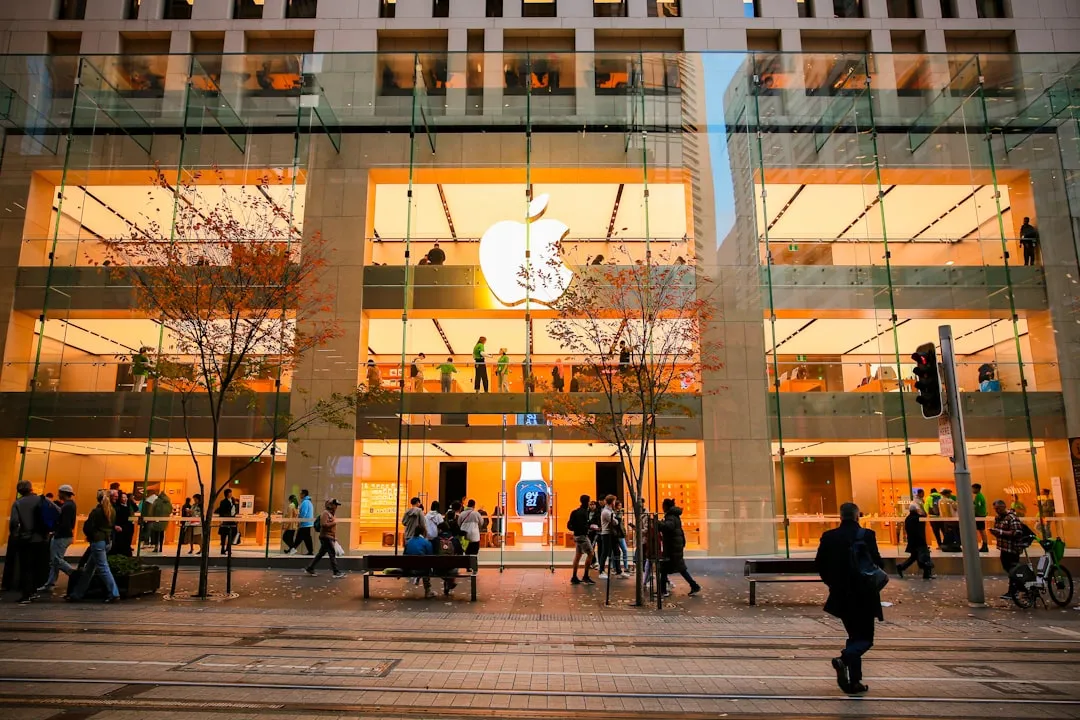
Apple's CEO Tim Cook just wrapped up the company's Q1 2026 earnings call, and one exchange is making waves across tech circles. When pressed about whether rising memory costs might force Apple to raise product prices, Cook didn't shut the door—instead, he left it conspicuously ajar. Memory expenses had only a modest effect on the most recent quarter, according to Apple's earnings transcript, but Cook acknowledged the company has "a range of options" to address future cost pressures.
For a company that's historically guarded about pricing strategy, this kind of hedging is noteworthy. Apple last implemented a significant U.S. iPhone price increase in 2017 when the iPhone X launched at $999—breaking the sub-$1,000 barrier for the first time—and hasn't made substantial base model adjustments since. With memory prices climbing and the iPhone 18 cycle expected in fall 2026, Apple watchers are now asking: Are we about to see the first meaningful price bump in years, or is this simply savvy expectation management?
What Tim Cook actually said (and didn't say)
Let's break down the exact language Cook used during the earnings call, because the nuance matters here. When asked directly about memory cost impacts, he was careful to emphasize flexibility without committing to specifics. "It is a range, and so I do not want to get more specific than that," Cook stated, as documented in the Q1 transcript. That deliberate vagueness is what's catching people's attention.
Here's what's interesting about his response: Cook acknowledged that Apple has strategic options on the table but deliberately avoided ruling anything out. "I mean, there are different levers that we can push, and who knows how successful they will be, but there is just a range of options," he explained, according to the same earnings call. Translation? Nothing's off the table—not price increases, not cost absorption, not strategic shifts in product configurations.
Most tellingly, when discussing how Apple might handle rising component expenses going forward, Cook stated the company will "look at a range of options," per the official transcript. This represents a notable departure from Apple's typical playbook. During the 2021 chip shortage, for instance, Cook emphasized Apple's ability to navigate supply constraints without pricing impacts—making this current hedging stand out even more. The company typically projects unwavering confidence in its pricing power and margin management, so Cook's refusal to provide those usual reassurances signals that component cost pressures are real enough to warrant public acknowledgment.
The memory cost pressure behind the non-denial
Why is memory pricing suddenly dominating the conversation? The answer lies in broader supply chain dynamics that are squeezing tech manufacturers across the board, and Apple isn't immune despite its massive purchasing power.
Cook was careful to note that memory expenses had minimal impact on Apple's most recent quarterly results. "From a memory point of view, to answer your question, memory had a minimal impact on Q1," as he confirmed during the earnings call. So if the past quarter wasn't significantly affected, why all the hedging about future pricing? Because forward-looking cost pressures are a completely different story.
The company is facing uncertain pricing decisions for upcoming products like the iPhone 17, driven partly by potential tariff-related cost increases that could force management to choose between protecting margins or maintaining sales volume, according to industry analysis. That's the real pressure point—not what happened last quarter, but what's coming down the pipeline for products that are still in planning stages.
Memory isn't the only component seeing price volatility (far from it), but it's particularly significant because it directly affects bill-of-materials costs across Apple's entire product lineup. Every iPhone, iPad, Mac, and even Vision Pro relies on memory configurations that customers have come to expect at certain price points. When 8GB becomes noticeably more expensive to source than it was a year ago, and you're shipping tens of millions of devices, those costs add up fast.
What makes this situation more complex is that Apple has historically absorbed component cost increases by optimizing other areas of production or accepting slightly compressed margins. The company maintained iPhone pricing stability from 2018 through 2023 despite inflation and supply chain disruptions by engineering cost efficiencies elsewhere—tighter component integration, manufacturing process improvements, and strategic supplier negotiations. But that strategy has limits, especially when memory, storage, and other key components are all trending upward simultaneously. There's only so much cost engineering and supply chain optimization can accomplish when multiple input costs are rising at once.
What this means for the iPhone 18 and beyond
Here's where things get interesting for consumers planning their next upgrade—or deciding whether to pull the trigger on a current-generation device. The iPhone 18 cycle represents Apple's first major product launch since these cost pressures became undeniable, and the timing creates a perfect storm of uncertainty.
Management is wrestling with how to balance margin protection against sales momentum, particularly as tariff-driven expenses add another layer of uncertainty to the iPhone 17's already complex pricing calculus, according to market observers. If tariffs are already complicating iPhone 17 pricing (which launches in just a few months), and memory costs are simultaneously climbing, you can see why Apple's leadership might be hesitant to make firm commitments about iPhone 18 pricing several months ahead of its expected September 2026 launch.
Cook's comments leave open several realistic scenarios for how this might play out:
Strategic storage tier adjustments: The base 128GB model might hold steady at current pricing while 256GB and 512GB configurations see $50-100 increases. This approach protects market share at the entry level while capturing margin improvements from customers willing to pay for more storage. The side benefit? Users who stick with lower storage become more reliant on iCloud subscriptions, generating recurring services revenue.
Pro model premium expansion: Apple could raise prices exclusively on Pro and Pro Max models—where customers demonstrate lower price sensitivity—while maintaining base iPhone pricing to protect overall unit volume. Samsung and Google would likely position their flagships as premium alternatives at more competitive price points, but Apple's ecosystem lock-in provides some insulation from competitive pressure.
Cross-product cost distribution: Rather than concentrating increases on the iPhone, Apple might spread adjustments across Mac and iPad lines while keeping iPhone pricing stable. MacBook Pro models already command premium pricing, and professional users often expense these purchases, making them less price-sensitive than iPhone buyers.
Configuration optimization: Apple could restructure storage tiers entirely—perhaps eliminating the 128GB option on Pro models and starting at 256GB with adjusted pricing that effectively increases the entry point while appearing to offer "more value."
Each scenario carries different competitive implications. If the gap between 128GB and 256GB widens from the current $100 to $150, behavioral economics suggests a significant portion of buyers will opt for base storage despite knowing they'll likely run out of space—a predictable outcome Apple's pricing strategists would certainly model. Conversely, raising Pro model prices risks creating an opening for Samsung's Galaxy S26 Ultra or Google's Pixel 11 Pro to position themselves as equally premium but more affordable alternatives, particularly in price-sensitive international markets.
The bottom line: reading between the earnings call lines
Pro tip: If you're planning a major Apple purchase in the next 6-9 months, pay close attention to Apple's Q2 earnings call (typically late April) and any supplier reports from major memory manufacturers. These will provide the clearest signals about whether cost pressures are intensifying or stabilizing.
Tim Cook's non-denial on potential price increases isn't panic-inducing news—Apple isn't suddenly becoming unaffordable, and we're not looking at dramatic overnight price jumps. But combining the memory cost pressures, tariff uncertainty, and Cook's unusual candor suggests Apple is closer to implementing pricing adjustments than at any point since the iPhone X's $999 launch broke psychological pricing barriers in 2017.
What makes this situation particularly notable is the convergence of multiple cost factors simultaneously. Apple successfully navigated the 2021-2022 chip shortage without significant pricing impacts by leveraging its supply chain advantages and accepting temporary margin compression. But that strategy worked because component cost increases were isolated and temporary. The current environment presents sustained, broad-based cost pressures across memory, potential tariffs, and other components—a fundamentally different challenge requiring different solutions.
Here's what to watch for as signals of Apple's ultimate direction:
Supplier announcements: Memory manufacturers like Samsung Semiconductor and SK Hynix typically telegraph major price movements 1-2 quarters ahead. If their guidance indicates sustained high pricing through Q3-Q4 2026, that strengthens the case for Apple pricing adjustments.
Configuration changes: Any unusual modifications to storage tiers or memory specifications in spring product refreshes (new iPad Pro, MacBook Air updates) could preview the strategy Apple plans for iPhone 18.
Competitive positioning: How Samsung prices the Galaxy S26 series (expected July 2026) and Google prices Pixel 11 (expected October 2026) will influence Apple's flexibility. If competitors also raise prices citing component costs, it provides Apple more room to adjust.
Q2 earnings language: If Cook's tone on cost pressures intensifies or if CFO Luca Maestri provides more specific margin guidance, that's your clearest indicator that changes are coming.
Bottom line: Cook's carefully calibrated language tells us that Apple's finance, supply chain, and product teams are actively modeling multiple scenarios right now—and the final decision likely won't be made until closer to launch when component cost trajectories become clearer. For consumers, this means the traditional advice of "Apple prices stay stable, so buy whenever you're ready" might not apply to the iPhone 18 cycle. If you're planning an upgrade and current models meet your needs, pulling the trigger before potential pricing adjustments might be the savvy move. If you're willing to wait and see, just be prepared for the possibility that the iPhone 18's pricing structure could look meaningfully different from what we've grown accustomed to over the past several years.










Comments
Be the first, drop a comment!