



When Apple decided to stop including charging adapters with iPhones starting in 2020, the company framed it as an environmental victory—smaller boxes, less waste, fewer carbon emissions. But Brazil's consumer protection authorities saw something different: an incomplete product being sold at full price. What followed was a years-long regulatory battle that has now cost Apple roughly R$12.275 million in fines—a fraction of the company's massive global revenue, yet significant enough to reveal a fundamental clash between corporate sustainability narratives and consumer protection enforcement. This dispute matters because it previews battles playing out worldwide over who controls product design decisions: tech companies optimizing for global efficiency, or regulators enforcing local consumer expectations.
Brazil's regulatory framework treats the charging adapter as essential to the iPhone experience, not an optional accessory. The Ministry of Justice's National Consumer Secretariat imposed a fine of approximately $2.34 million and ordered sales suspensions for iPhone models from the iPhone 12 onward, according to Brazil's Ministry of Justice. Federal court decisions have repeatedly affirmed that Apple must bundle chargers with iPhones sold in the country, as reported by Brazil's Attorney General's Office.
This federal stance emerged from state-level enforcement that began in 2020, when the state of São Paulo's consumer protection agency Procon-SP launched the initial investigation. The agency eventually levied its own R$10.5 million penalty when Apple stopped cooperating with information requests, according to TechSpot. What makes this particularly striking is Apple's continued defiance—the company has faced at least three separate court orders to include chargers and multiple enforcement actions, yet has maintained its global packaging strategy. This pattern reveals a deliberate corporate calculation: Apple has apparently concluded that paying fines in one market costs less than the global supply chain disruption of creating Brazil-specific packaging—a calculation that raises fundamental questions about whether financial penalties alone can compel compliance from trillion-dollar companies.
Why Brazil sees this as consumer harm, not environmental progress
Brazilian authorities have systematically rejected Apple's environmental justifications for removing the charging adapter, exposing what regulators view as a cost-shifting exercise dressed up as sustainability. A São Paulo state court ruling characterized the policy as imposing "required purchase of charger adapters that were previously supplied along with the product" under the guise of a green initiative, according to court documents reported by TechSpot.
Brazil's focus on USB-C reveals the regulatory logic at play. The National Consumer Secretariat argued that more effective environmental measures would involve adopting USB-C ports rather than continuing with proprietary Lightning connectors, as noted by PCMag. If environmental impact were truly Apple's priority, standardization would save more waste than removing chargers while forcing consumers to maintain proprietary cable ecosystems. The refusal to adopt universal charging suggests cost savings, not sustainability, drives the decision. Brazil's Attorney General's Office made this point explicitly, emphasizing that the policy amounts to transferring cost burdens to consumers while showing "disregard for Brazilian legislation," according to official government statements.
Rodrigo Carmona, the legal coordinator at Brazil's Ministry of Justice, described the relationship between phone and charger as "almost umbilical," noting that consumers who purchase a smartphone expect to receive the components necessary for its use, according to government communications. You buy an expensive phone, you expect to be able to charge it when you get home—that's the practical consumer experience at the heart of Brazil's position.
Procon-SP's executive director Fernando Capez stated bluntly that "Apple needs to understand that in Brazil, there are solid consumer protection laws and institutions," as reported by TechSpot. This isn't regulatory posturing—authorities have backed their position with concrete enforcement actions that escalated from fines to physical seizure of iPhone inventory. Brazil's consumer protection framework doesn't bend simply because a trillion-dollar company prefers a different approach.
When regulators moved from fines to confiscation
The physical confiscations signal a shift in enforcement philosophy—Brazil's regulators concluded that financial penalties alone couldn't compel compliance from a company that treats multi-million-dollar fines as line items in quarterly reports. Procon do Distrito Federal conducted "Operation Discharge"—the name itself carries a certain regulatory humor—confiscating hundreds of iPhones ranging from iPhone 11 to iPhone 14 models from authorized retailers and carrier stores in Brasília, according to Tecnoblog reports cited by multiple sources.
The seizures targeted any iPhone model lacking a bundled charger, including units from Apple's updated iPhone 11 packaging that had been redesigned to exclude the adapter, as reported by tech news outlets. These enforcement actions followed a Ministry of Justice decision that explicitly blocked iPhone sales without included chargers, according to consumer protection reports.
The seizures also weaponized Apple's distribution network against it, creating pressure from retail partners facing empty shelves and confused customers. For authorized resellers and carriers caught in the middle, the confiscations created immediate operational challenges—explaining to customers why the latest iPhone couldn't be sold, managing inventory they couldn't legally move, and absorbing the reputational damage of appearing to violate consumer protection laws.
Apple's response reveals the company's strategic calculus. Following the confiscations, Apple Brazil successfully petitioned for temporary relief, with Judge Diego Câmara Alves ruling that no consumer rights violation had occurred and characterizing the sales suspension as "abuse of power," according to MacMagazine reports. This allowed Apple to resume sales while legal proceedings continued, though the company told media outlets it remained "confident of winning the legal dispute," as reported by tech news sources.
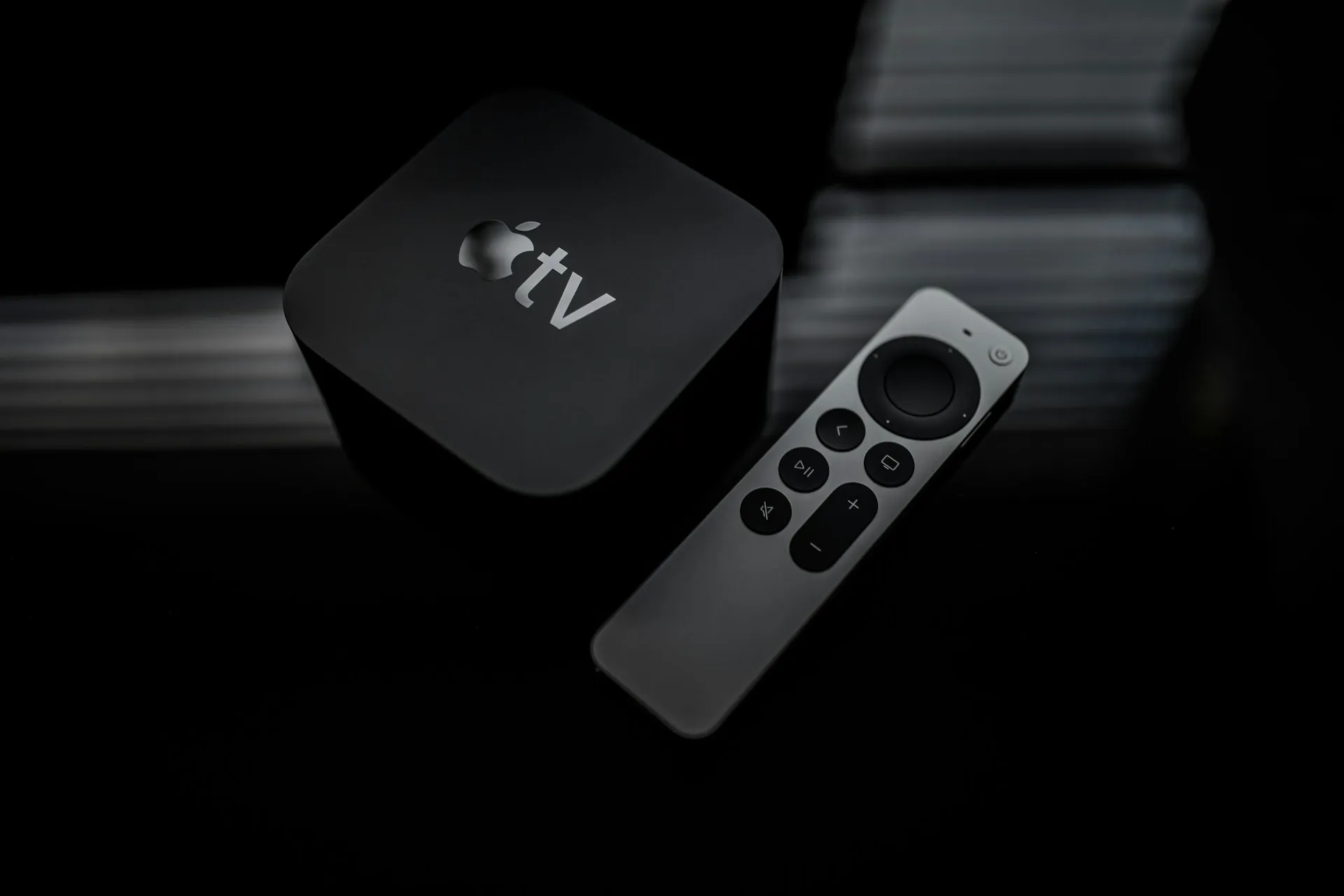
Apple's selective compliance with Apple TV packaging tells a revealing story about corporate risk assessment. The company simultaneously began including USB-C cables with the new Apple TV 4K specifically in Brazil, according to industry observers. This selective compliance reveals Apple's risk calculation—willing to modify some products to avoid enforcement while maintaining its iPhone position as a test of how far it can push the policy. The Apple TV concession suggests the company recognized genuine enforcement risk but concluded that the iPhone represented a strategic line worth defending, even at the cost of continued fines and operational disruptions.
What the numbers reveal about regulatory impact
The financial penalties expose a fundamental mismatch between regulatory tools and corporate scale. The cumulative fines have reached approximately R$12.275 million across multiple enforcement actions, as documented by Brazil's Ministry of Justice. A São Paulo state court alone issued a R$100 million judgment in February 2023—though this appears to represent a maximum potential penalty rather than an immediately collected fine, according to TechSpot reporting. The initial Procon-SP fine amounted to R$10.5 million in March 2021, as reported in enforcement documents.
For Brazilian regulators, these represent serious enforcement actions—meaningful penalties designed to compel compliance. For Apple, a company with annual revenue exceeding $380 billion, these fines represent what the company earns in roughly 80 minutes of global operations. This scale disparity explains why financial penalties alone haven't changed corporate behavior.
Brazil's Attorney General's Office identified this enforcement challenge directly, noting that "given the company's economic size and market power, continuing the irregular practice may be more advantageous than complying with Brazilian legislation standards," even accounting for fines from multiple jurisdictions including São Paulo, Fortaleza, Santa Catarina, and Caldas Novas, according to official statements.
PRO TIP: Want to understand regulatory effectiveness? Follow the money both ways. The R$12.275 million in cumulative fines represents roughly what Apple recoups after selling approximately 340,000 standalone chargers at the company's Brazil pricing of $36 per adapter, as noted by PCMag—likely achieved within weeks of each penalty. This calculation reveals why Apple maintains its position: the economics of separate adapter sales exceed penalty costs, even before accounting for global supply chain savings from standardized packaging.
The company's environmental claims cited preventing two million tons of annual carbon emissions through smaller, lighter packaging, as stated during the iPhone 12 announcement. Yet subsequent analysis suggested the actual environmental impact was likely minimal, according to industry assessments. For consumers, the cost shift is concrete and immediate: $36 for a necessary accessory that was previously included at no additional charge.
This reveals a fundamental challenge in consumer protection enforcement: penalties scaled to individual consumer harm remain trivial to companies operating at Apple's scale. More effective regulatory design might scale fines to corporate revenue rather than consumer impact—making non-compliance genuinely more expensive than adaptation.
Where this leaves Apple's global accessory strategy
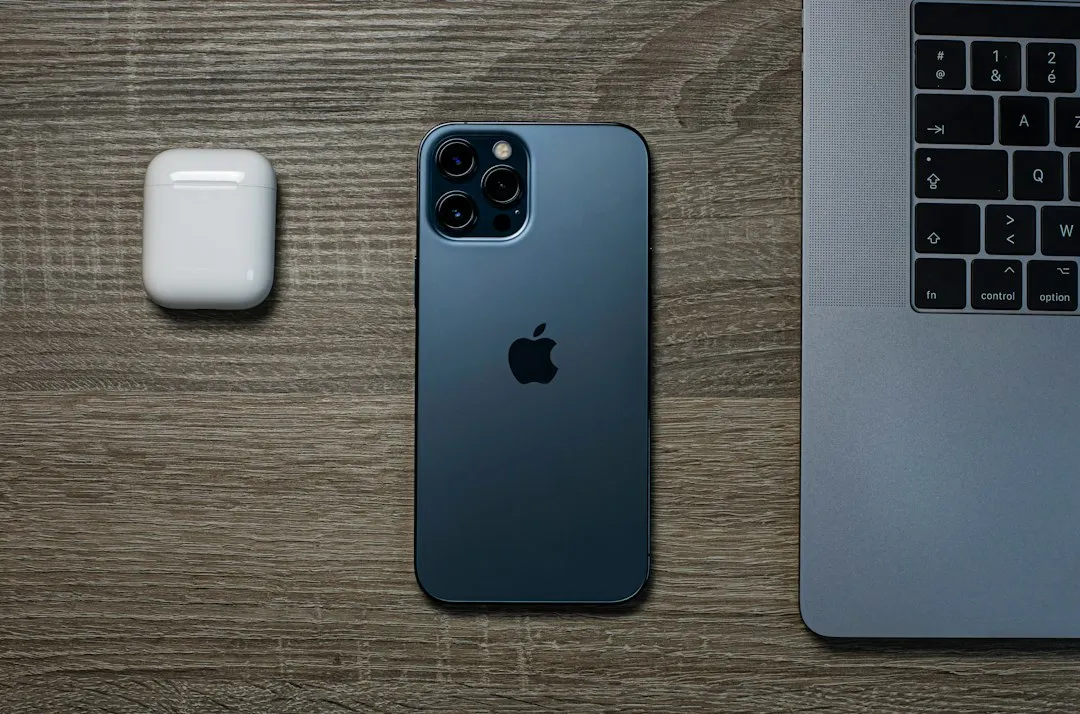
The Brazil dispute exists within a broader regulatory landscape that's increasingly challenging Apple's packaging decisions, yet the company's continued non-compliance reveals strategic positioning for larger battles ahead. Brazil proposed making USB-C mandatory for all phones starting July 1, 2024—a timeline that predates the EU's similar requirement, according to tech policy reports. Apple removed both EarPods and power adapters from iPhone boxes globally starting with the iPhone 12 lineup in 2020, leaving only a USB-C to Lightning cable, as documented by MacRumors. The company maintains that most customers already possess compatible charging adapters and frames the policy as advancing environmental goals, according to Apple's official statements.
Brazil's enforcement isolation despite similar consumer concerns elsewhere reveals the gap between consumer frustration and regulatory action—most jurisdictions have accepted Apple's environmental framing even as consumers pay separately for necessary accessories. Multiple consumer protection agencies within Brazil's National Consumer Protection System have adopted consistent positions on the charger requirement, as noted by Brazil's Attorney General. Yet Apple continues selling charger-free iPhones on its official Brazil website, with the power adapter listed as a separate $36 purchase, as reported by PCMag.
Apple's unique refusal to negotiate a Termo de Ajustamento de Conduta (conduct adjustment agreement) with regulators—accepted by other manufacturers facing similar scrutiny—reveals this as a strategic line in the sand, according to government documentation. Compromising in Brazil could establish a precedent that unravels cost savings across dozens of markets. If Apple creates a special charger-included package for Brazil, other markets might demand the same treatment, potentially undoing the supply chain efficiencies and revenue gains the company achieved from the original packaging change.
The mandatory USB-C timeline may provide Apple with a face-saving exit strategy. The company can claim the cable standardization addresses Brazil's environmental concerns while quietly resuming charger-free packaging under new technical justification. When every iPhone ships with the same USB-C port used across Apple's product line, the "customers already have chargers" argument becomes more defensible—even if it still shifts accessory costs to consumers.
The bigger picture: sustainability claims meet regulatory reality
Federal court rulings have consistently validated the National Consumer Secretariat's authority to impose penalties and sales suspensions for practices deemed harmful to consumers, according to judicial decisions reported by Brazil's Attorney General. Rodrigo Carmona emphasized that these rulings "protect consumer interests" by ensuring smartphone purchases include necessary charging components, as stated in government communications. Brazil's regulators have drawn a clear line: environmental benefits don't justify transferring costs to consumers or selling what authorities consider incomplete products.
For those of us covering the Apple ecosystem's evolution, this dispute matters beyond one market's regulatory stance. It exposes a fundamental tension in tech globalization: companies optimize for worldwide efficiency while regulators enforce local consumer expectations. The Brazil charger dispute previews coming battles over battery replaceability, software feature locks, and accessory compatibility—all areas where companies may claim environmental or technical justifications for decisions that shift costs to consumers.
The question isn't whether Apple can afford the fines—the company's continued non-compliance across multiple court orders demonstrates it can absorb these penalties indefinitely. Rather, the critical questions are: Will other jurisdictions follow Brazil's enforcement model? Will the upcoming USB-C transition provide Apple with a graceful exit from this particular battle? And will regulators develop penalty structures that actually compel behavioral change from companies operating at unprecedented scale?
As regulatory pressure increases around device repairability, component standardization, and accessory bundling, the Brazil charger dispute serves as an early test case for how far tech companies can push sustainability arguments against established consumer protection frameworks. Whether Brazil's position spreads to other markets or remains an enforcement exception will shape how Apple and other manufacturers approach product packaging in the years ahead. The regulatory chess match continues, with fundamental questions about corporate power, consumer rights, and environmental responsibility hanging in the balance—and millions of consumers caught in the middle, deciding whether to pay extra for accessories that were once included.




Comments
Be the first, drop a comment!