




When it comes to tech gifts that deliver serious versatility, you'd be hard-pressed to find something more practical than an Apple Gift Card. Bank of America research shows that 81% of consumers purchased a gift card in the past year—a notable 6% increase from the previous period. Here's the thing—while plenty of gift cards lock you into specific stores or services, Apple's approach is refreshingly different. These cards function like universal keys to an entire digital and physical ecosystem that millions of people use daily.
What makes Apple Gift Cards particularly smart is how they bridge the gap between immediate gratification and long-term value accumulation. You're not just getting access to apps (though that's certainly part of it). You can purchase apps, games, and in-app content from the App Store, but the real magic happens when you realize the same balance covers entertainment purchases like music, movies, and books from iTunes, Apple TV, and Apple Books platforms.
What makes Apple Gift Cards so versatile?
Let's break down exactly what you can do with these cards, because the scope might surprise you. Beyond the obvious app purchases, you can pay for Apple Music, Apple Arcade, Apple TV, and iCloud+ subscriptions using your gift card balance. That includes third-party app subscriptions purchased through the App Store, too—so if you're paying for Netflix, Spotify Premium, or Adobe Creative Cloud through Apple's ecosystem, your gift card covers those as well.
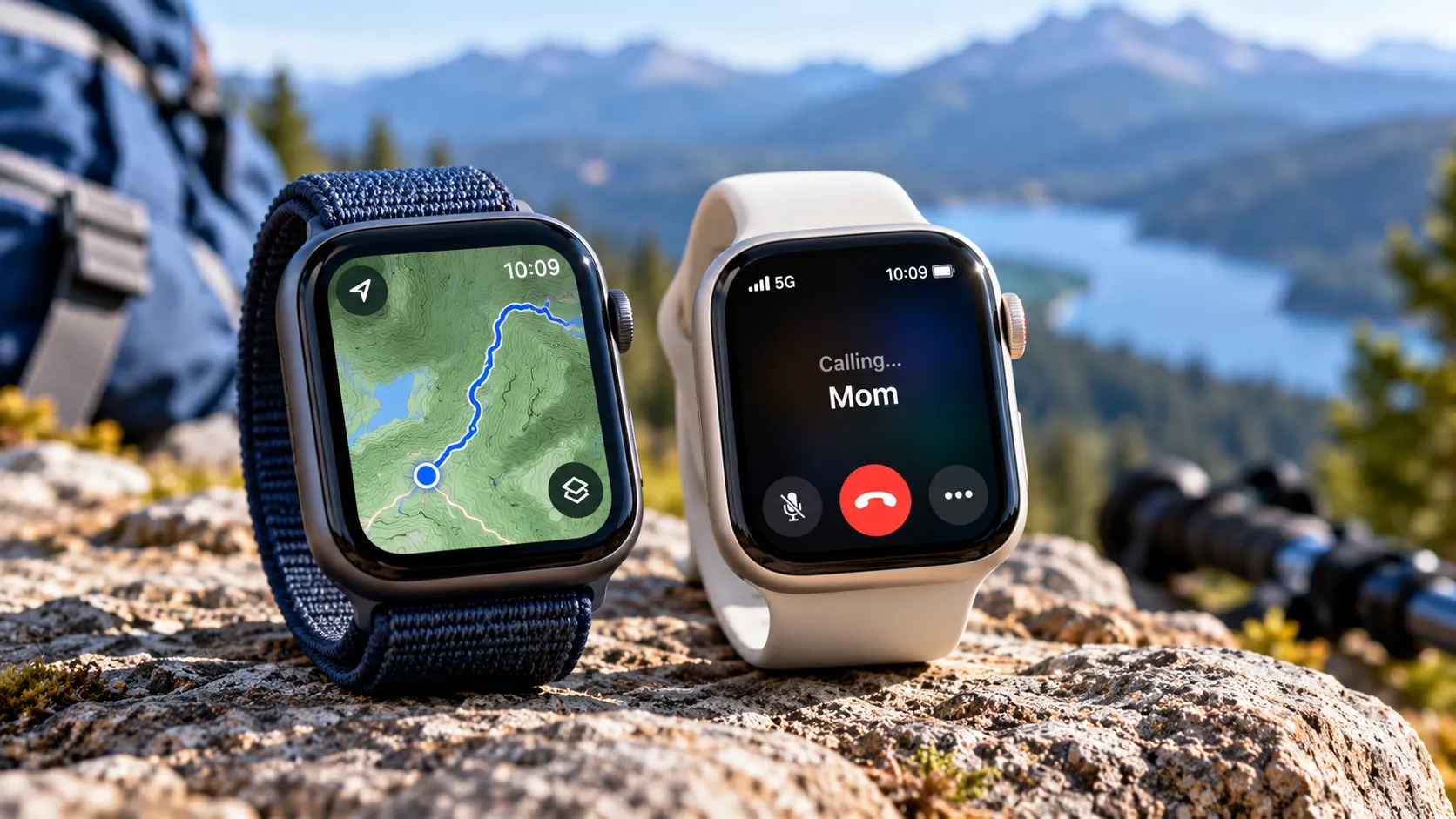
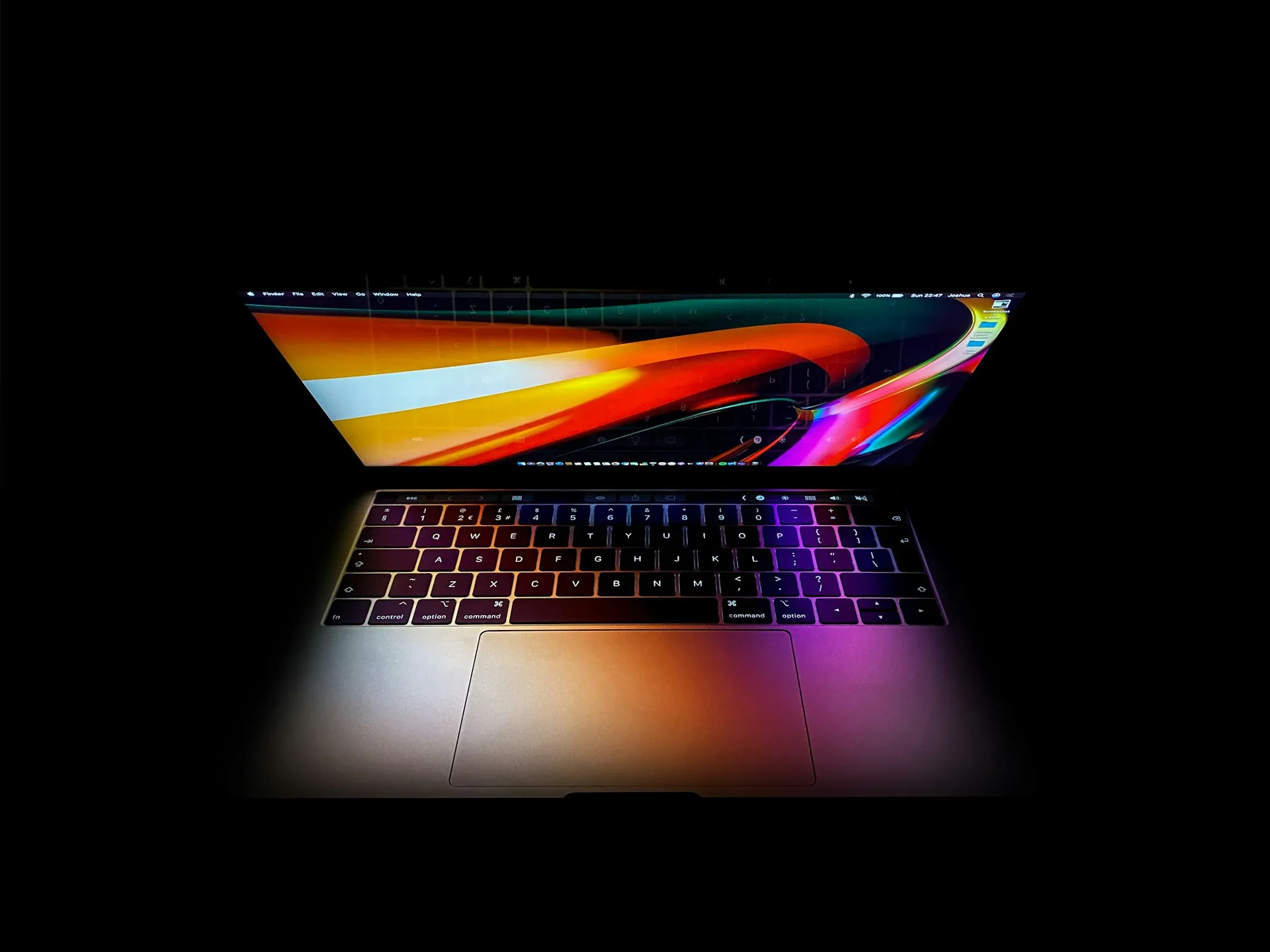
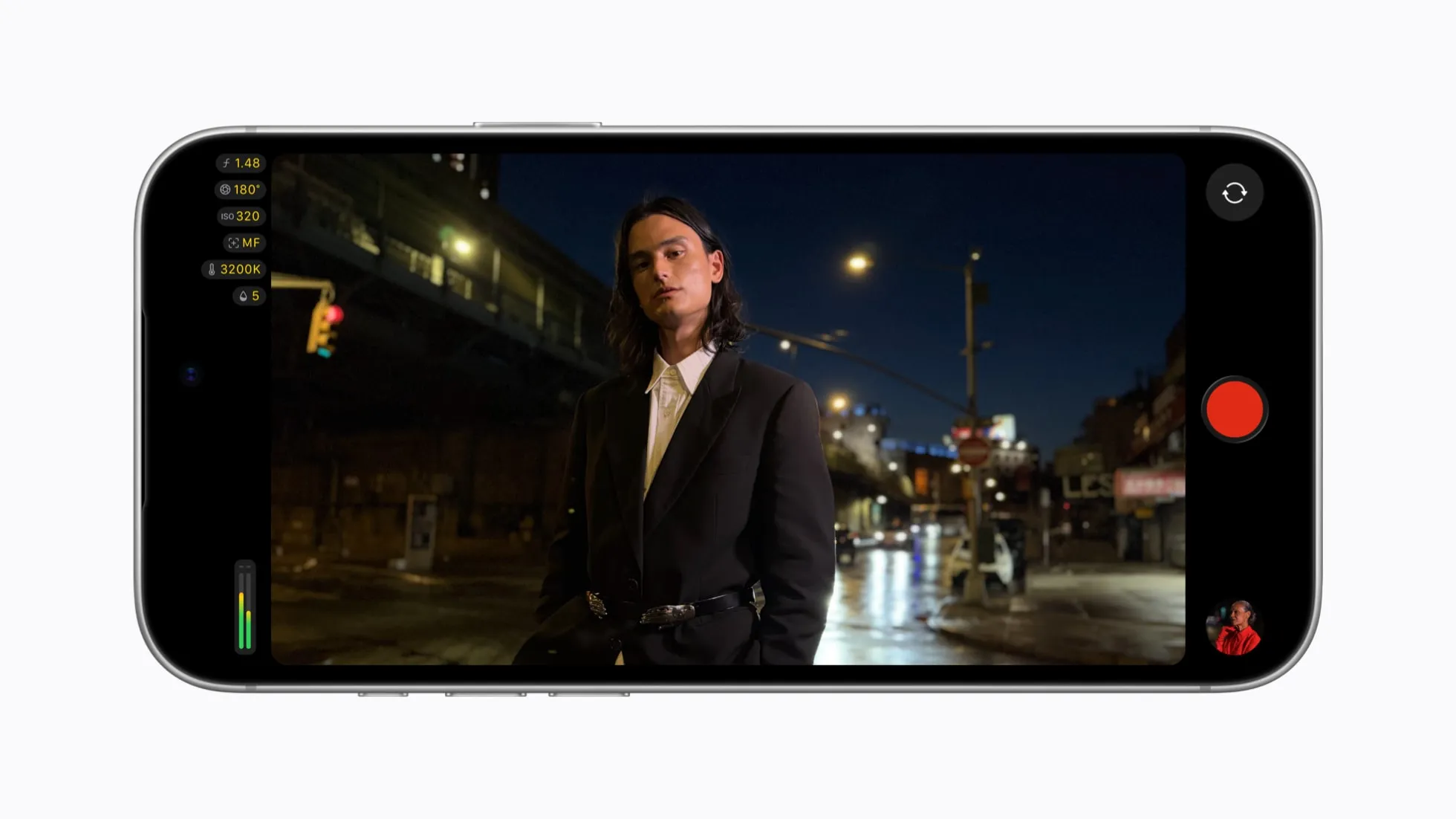
But here's where it gets really interesting: Apple Gift Cards work for physical hardware purchases too. You can use your Apple Account balance to buy products and accessories on the Apple website or through the Apple Store app. This hardware integration isn't just convenient—it's strategically brilliant. Apple designed this unified payment system to strengthen ecosystem lock-in while providing genuine consumer benefit. Imagine accumulating gift cards over time and then putting that balance toward a new iPhone, MacBook, or Apple Watch. That's exactly what many savvy users do.
The beauty of this system extends beyond convenience to Apple's competitive moat. While competitors like Google or Amazon segment their gift cards by service (Google Play vs. Google Store), Apple's unified approach reinforces its "everything just works" philosophy across digital services and physical products.
How does the payment system actually work?
Apple has designed its payment hierarchy to be refreshingly straightforward, but the underlying strategy reveals deeper insights about user behavior psychology. When you make any eligible purchase, Apple automatically prioritizes your gift card balance over other payment methods, which means you'll always use those funds first. This isn't just a user-friendly design—it ensures maximum gift card redemption rates, which benefits Apple's cash flow and reduces unredeemed liability.
The process itself couldn't be simpler. Once redeemed, funds are added to your Apple Account balance and remain there until used. You can check your current gift card balance anytime through the App Store by tapping your profile icon—no digging through emails or hunting for physical cards.
One particularly nice touch is that gift cards never expire and are not reloadable once depleted. This unlimited timeframe transforms gift cards into a viable savings vehicle for major purchases—a strategy that works particularly well for Apple's premium-priced hardware, where customers often need time to accumulate funds.
Since Apple follows a payment hierarchy that uses gift card funds first, you can confidently make small purchases knowing your accumulated balance won't be accidentally bypassed.
What are the key limitations to understand?
Now, let's talk about the boundaries of what these cards can do, because understanding the limitations reveals as much about Apple's business strategy as the benefits do. Gift cards cannot be used for purchases combined with Apple Pay or PayPal, and you can't split a single purchase across multiple credit cards. This restriction stems from payment processing complexity, but it also encourages users to build larger gift card balances rather than making small, fragmented purchases.
You also can't use gift card funds to purchase additional Apple Gift Cards—Apple prevents this kind of gift card chain creation to avoid money laundering concerns and maintain financial compliance. Similarly, funds added to your Apple Account balance are available only to you and can't be shared with family members or transferred to other accounts. This individual restriction supports Apple's approach to personal account security while preventing unauthorized fund transfers.
One crucial limitation involves geography. Gift cards bought in one country or region cannot be redeemed or used in any other country or region. If you buy a US Apple Gift Card and send it to someone with a Canadian Apple ID, they simply can't use it. This region-locking reflects Apple's complex international tax obligations, currency regulations, and content licensing agreements rather than arbitrary technical limitations.
Why digital gift cards are gaining momentum
The gift card landscape has shifted dramatically, and the numbers tell a compelling story about changing consumer expectations. Digital gift cards have surpassed physical ones for the first time in 2024, with most recipients citing instant delivery as a key advantage. Apple has embraced this trend strategically, supporting scheduled delivery for future dates, which transforms gift cards from last-minute purchases into planned, thoughtful gifts.
What's particularly revealing is the psychological impact of gift cards on spending behavior. Research shows that when merchants send customers gift cards, 96% spend as much or more than the card value. This phenomenon occurs because gift cards serve as psychological spending tools that remove the pain of payment while encouraging exploration. For Apple, this means gift card recipients often discover new services or upgrade to higher storage tiers they wouldn't have considered with traditional payment methods.
From a practical standpoint, the shift toward digital gift cards solves traditional pain points around forgotten cards stuck in drawers or lost physical cards. Digital delivery eliminates shipping delays and integrates seamlessly with Apple's existing digital infrastructure, creating a frictionless experience that encourages repeat usage.
Making the most of your Apple ecosystem investment
Understanding how Apple's gift card system works opens up genuinely strategic opportunities that extend beyond basic gift-giving. Since gift cards never expire, you can use gift card accumulation as a savings strategy for major purchases. Consider this approach: accumulate $500 or $1,000 in Apple Account credit over time through holiday gifts, promotional offers, or strategic purchases during sales events. Suddenly, that new MacBook or iPhone becomes significantly more affordable, and you've essentially earned a discount through patience and planning.
Advanced users often combine gift card strategies with Apple's educational discounts or trade-in programs. Since gift card balances apply to the final purchase amount, you can stack multiple savings approaches—educational pricing, trade-in credits, and accumulated gift card funds—for substantial overall savings on major hardware purchases.
The ecosystem integration also enables experimentation without commitment. Rather than hesitating over premium app subscriptions or iCloud storage upgrades due to recurring billing concerns, gift card balances let you try services risk-free. This exploration often leads to discovering genuinely useful tools or services that enhance your overall Apple experience, from professional creative apps to family organization tools.
Bottom line: Whether you're looking to try premium apps without the commitment of adding a credit card, build up credit for a future hardware purchase, or simply have a flexible way to access Apple's ever-expanding library of digital content, Apple Gift Cards deliver strategic value that extends far beyond their face amount. The fact that they work seamlessly across both digital services and physical products makes them uniquely powerful tools for navigating Apple's increasingly comprehensive ecosystem.



Comments
Be the first, drop a comment!