





Apple Intelligence iPhone 17 Pro Requirement Splits iOS 27 AI Tiers
Apple raised the memory bar for its most capable on-device AI today at WWDC. iOS 27 introduces a new on-device model requiring at least 12GB of unified memory, which means the standard iPhone 17, shipping with 8GB, is excluded from the top tier of Apple Intelligence at launch. Not because the phone is underpowered in any other sense, but because of where Apple drew a single spec line, MacRumors reported today.
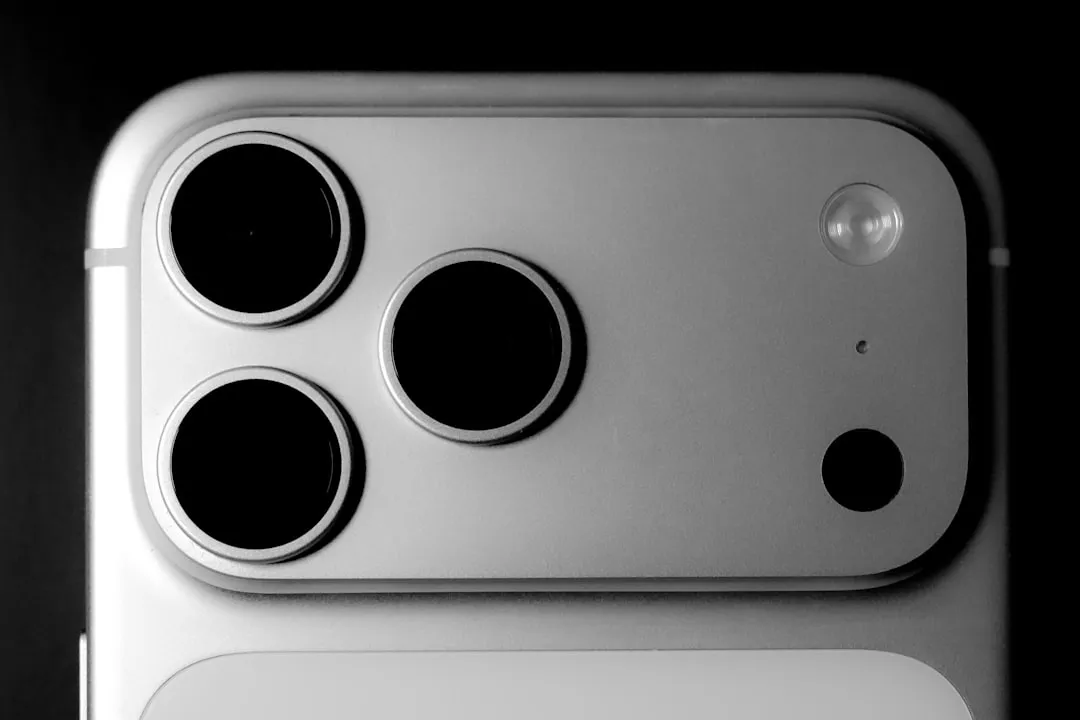
The qualifying iPhones are the iPhone Air, iPhone 17 Pro, and iPhone 17 Pro Max. Users on non-supported devices can still access many of the same advanced features, but those will rely on Private Cloud Compute and perform slower than the on-device versions, according to 9to5Mac.
This is the first time Apple has raised the memory threshold for its top-tier AI. Since Apple Intelligence launched, 8GB has been the entry point for everything it offered. iOS 27 changes that, making RAM the deciding variable for which AI tier a device lands in, ahead of chip year, model generation, or price point within the current lineup.
Which iPhones support Apple's on-device AI at 12GB
To run the most powerful on-device model, MacRumors reports, a device must be one of the following:
- iPhone Air, iPhone 17 Pro, or iPhone 17 Pro Max
- iPad with M4 or later with at least 12GB of unified memory
- Mac with M3 or later with at least 12GB of unified memory
- Apple Vision Pro with M5
On those devices, the top-tier model runs entirely on-device. On the base iPhone 17 and other 8GB hardware, users should still be able to access many of the same features through Private Cloud Compute, though they will perform slower than the on-device versions, 9to5Mac notes. That latency will be most noticeable in real-time tasks: conversational responses, live dictation, anything where a brief lag registers as friction.
The iPhone 15 Pro is worth singling out here. It's fully supported for the broader Apple Intelligence feature set under iOS 27 but doesn't qualify for the 12GB model. A two-year-old Pro phone and this year's standard flagship occupy the same tier. Model year no longer tells buyers where they stand for AI capability; memory configuration does.
What the base iPhone 17 still gets
The base iPhone 17 isn't locked out of Apple Intelligence. That distinction matters.
The full iOS 27 Apple Intelligence and Siri AI feature set remains available across a wide range of hardware, including iPhone 16 models or later, iPhone 15 Pro and Pro Max, iPad mini (A17 Pro), iPad with M1 or later, Mac with M1 or later, Apple Watch Series 10 or later, Apple Watch Ultra 2, and Apple Watch SE 3 when paired with a compatible iPhone, according to Apple's newsroom. The base iPhone 17 sits within that broad supported base.
What 8GB devices miss is the new top-tier model specifically. Apple says it enables features including expressive voices and more advanced dictation, MacRumors reported. Apple has not yet published a complete feature-by-feature breakdown of everything gated behind the 12GB requirement; the confirmed examples are a starting point, not the full picture.
Why RAM now decides the Apple Intelligence iPhone 17 Pro tier
The underlying constraint isn't complicated. On-device AI models are physically smaller than their cloud counterparts, limited to at most a few billion parameters compared to the trillions in large server-side models, Ars Technica noted last month. They're also quantized, meaning they run at lower precision to fit within device memory and maintain speed, a tradeoff that affects the accuracy of token generation. A more capable model needs more room to operate without being offloaded to a server.
The jump from 8GB to 12GB is a 50 percent increase in the memory floor, per 9to5Mac. That's not a marginal revision. It reflects the scale of what Apple is trying to run locally.
The broader context adds weight to that. Ars Technica reported last month that Apple has reportedly been working to bring Gemini-powered capabilities to iPhone through a deal with Google, with the smarter Siri expected to blend on-device processing with cloud infrastructure from Google and Nvidia. Apple has reportedly struggled to run undistilled Gemini models even on its Private Cloud Compute servers. Running a more capable model locally, on a phone, requires meaningful memory headroom, and the 12GB requirement is where Apple drew that line.
What this means for buyers
9to5Mac called the base iPhone 17's exclusion "the biggest shock" of the announcement. The surprise isn't that a lower-spec device was excluded; that's routine. It's that Apple's standard flagship, released in the same year as the iPhone 17 Pro, is already outside the premium AI tier because of a memory decision made at the product level. This is intra-lineup differentiation, not cross-generation obsolescence.
For buyers weighing the lineup today, the implications are fairly clear. Anyone planning to hold their next iPhone for four or five years, anyone buying specifically for AI performance, or anyone who prioritizes local-first processing should treat 12GB as the floor, per MacRumors. The iPhone Air, iPhone 17 Pro, and iPhone 17 Pro Max are the only current iPhones that qualify.
For less AI-focused buyers, the tradeoff may not register. The broad Apple Intelligence tier covers substantial ground, and the cloud fallback works.
What Apple still hasn't said
iOS 27 arrives this fall. Between now and then, Apple's developer documentation should fill in the full scope of what the 12GB requirement actually gates. The examples named today, expressive voices and advanced dictation, are presumably not the complete list.
That feature map will be the deciding factor for buyers still weighing whether the base iPhone 17's position matters to them in practice, per Apple's newsroom. The memory split is now established architecture in iOS 27. The full list of what sits behind it is not.
Apple has also set a precedent. The 12GB floor announced today is probably not the last time it raises the bar; as on-device models grow larger and more capable, the threshold will move again, 9to5Mac observed. Broad access for supported hardware, full local execution for premium memory configurations: that's the structure now, and today's announcement makes the trajectory explicit.







Comments
Be the first, drop a comment!