



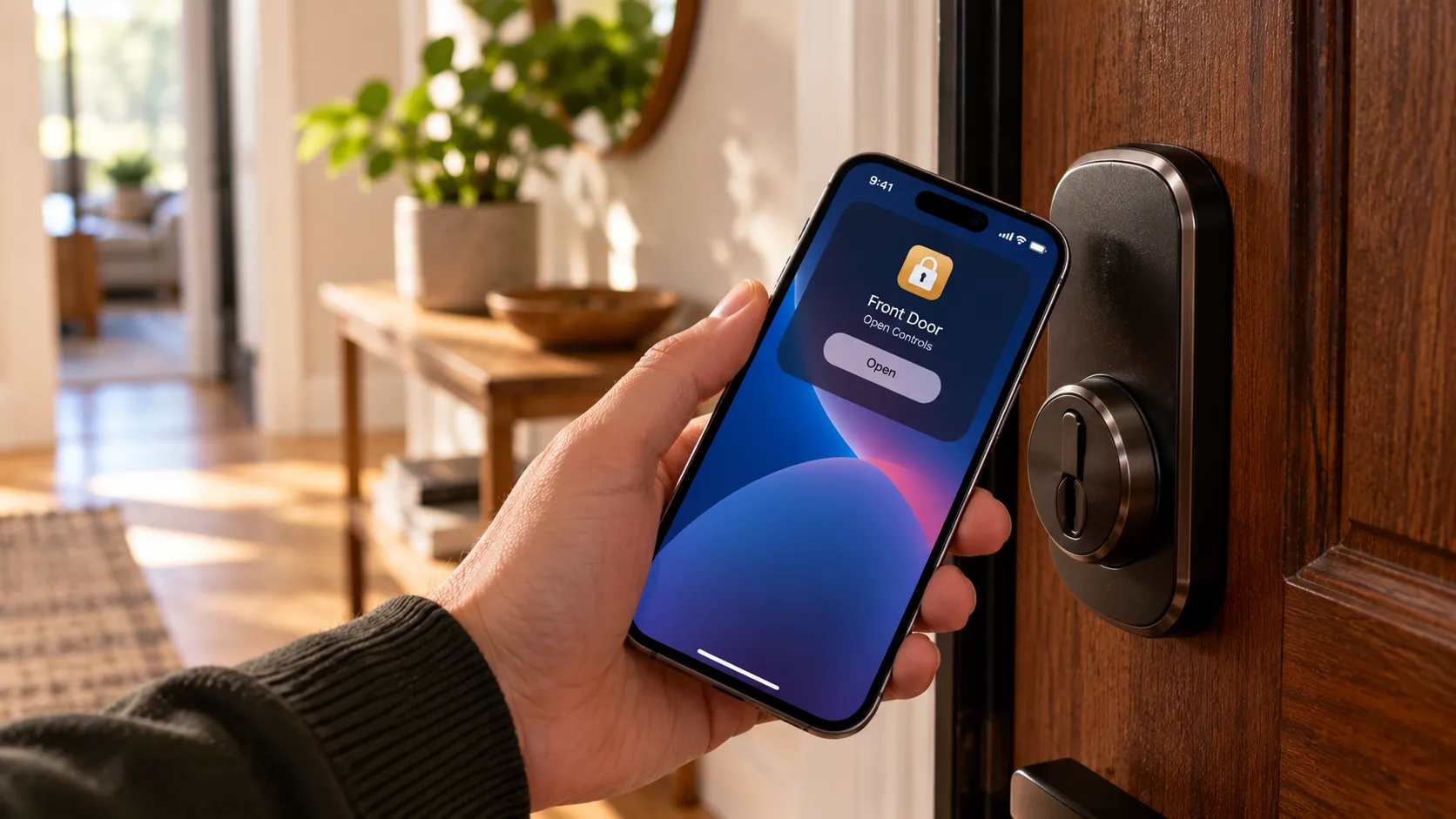
Apple hasn't announced any smart home hardware made with LG, and neither company has confirmed a partnership. But an Apple LG smart home accessories leak lays out two iPhone-based features that could define how Apple Home users eventually set up and control a trio of LG-built devices: a proximity-triggered control shortcut and a way to begin pairing before an accessory has power. Code and firmware details shared by leaker pdfu describe both features, according to MacRumors.
Even if Apple announces the hardware soon, don't expect to buy it right away. Bloomberg's reporting, cited by MacRumors, indicates retail release is still at least a few months out.
The hardware itself isn't a mystery, at least on paper. FCC filings identify an LG thermostat, a temperature sensor, and a smart deadbolt lock, though Apple's name appears nowhere in that paperwork. Its reported role comes from Bloomberg reporting cited by MacRumors. Apple also held a "Welcome home" event on October 13, where new smart home hardware was expected.
What follows breaks down what's documented, which devices and iOS versions these features might require, why one setup method appears restricted to HomeKit, and what's still unknown.
What are the Apple LG smart home accessories, and what's actually confirmed?
Three specific products have regulatory paperwork behind them. FCC filings detail a round thermostat (model TMCTAW5W) running on 24V AC power with Wi-Fi, Bluetooth, Thread, and built-in 60GHz radar; a battery-powered temperature and humidity sensor (TMST2A6W) using Bluetooth Low Energy and Thread; and a deadbolt lock in Graphite and Silver finishes (TMCDD15G/S) with Bluetooth, Thread, NFC, and UWB support, according to MacRumors.
Broader reporting points to a rumored catalog that includes a doorbell and indoor and outdoor cameras, but only the three identified devices have regulatory backing in the cited reporting, according to iClarified.
Apple's involvement traces back to Bloomberg, not the FCC filings themselves. The documents don't name Apple anywhere; that detail comes from Bloomberg's reporting as relayed by MacRumors. That distinction matters for anyone trying to gauge how far along this partnership is: the hardware has documented regulatory filings, but Apple's design role and the larger product lineup still rest on reporting rather than an official statement from either company.
How Apple Home app proximity control would work with LG smart home devices
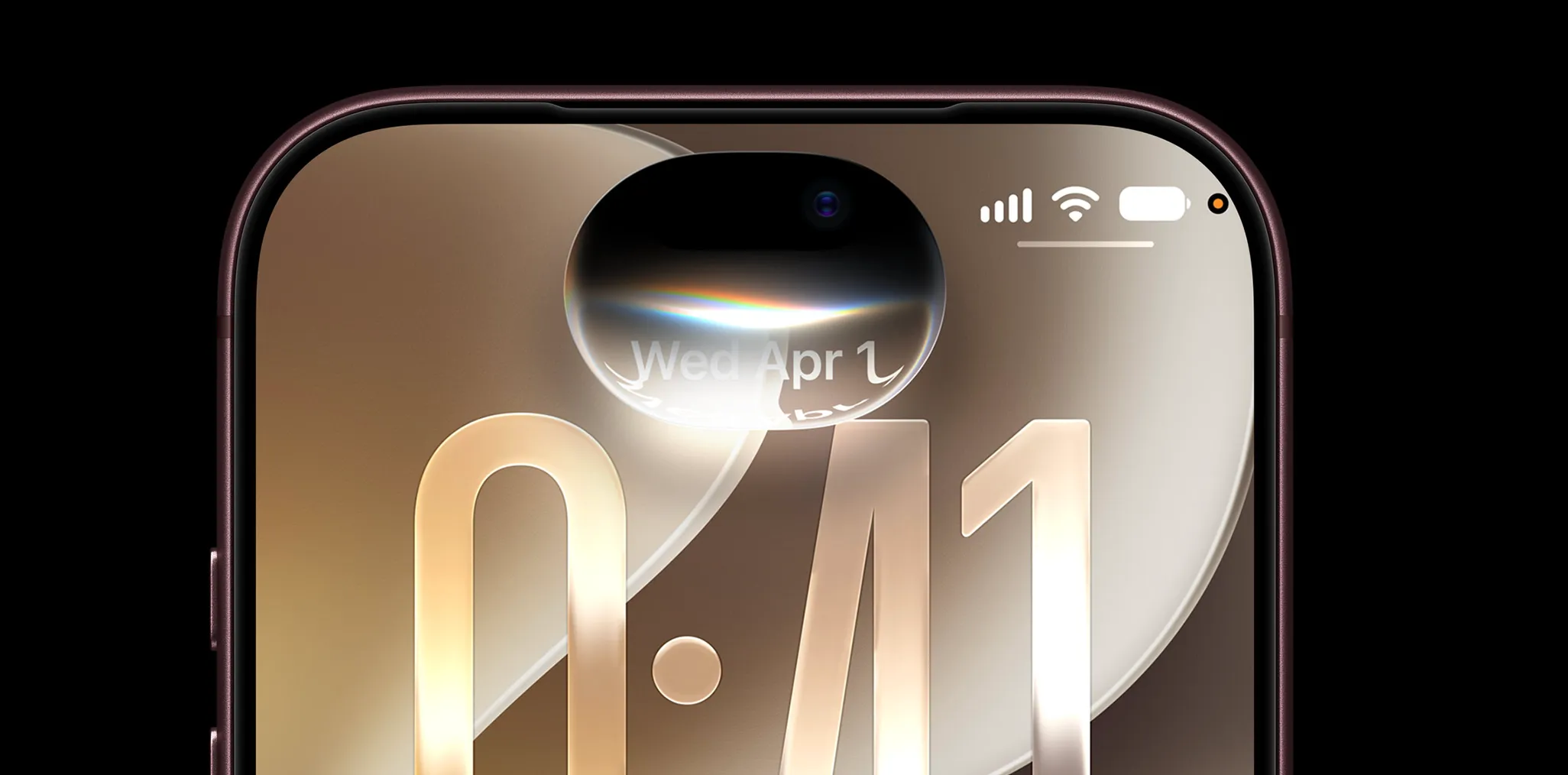
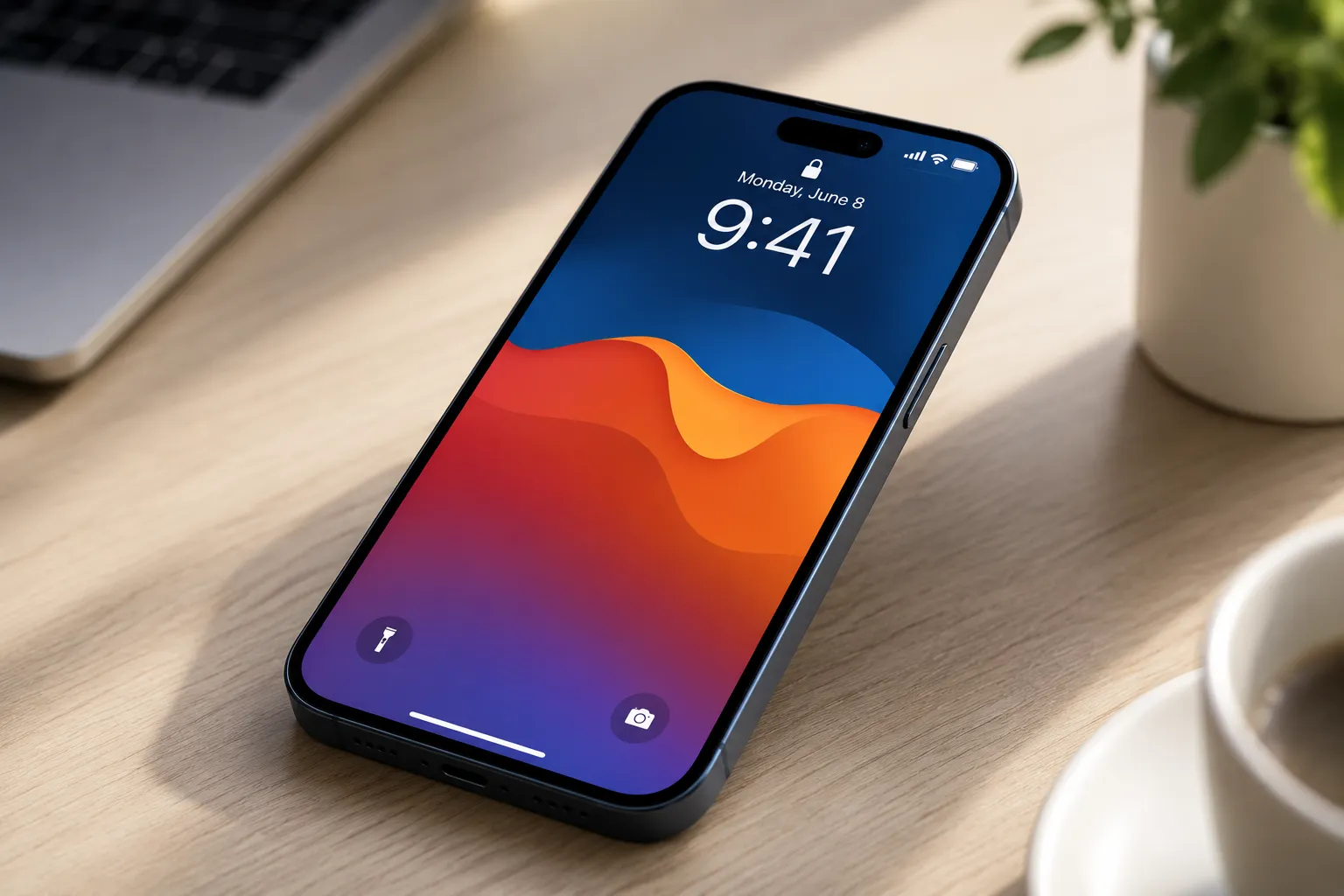
Bringing an iPhone near an accessory would reportedly trigger a shortcut in the Dynamic Island, similar to how HomePod proximity interactions work. Holding a phone close to a thermostat would surface an "Open Controls" option, while cameras and doorbells would instead pull up a camera viewer, according to MacRumors.
Phones and tablets without a Dynamic Island, including older iPhones and iPads, would reportedly receive a notification that stays visible for 30 seconds instead. That's a compatibility detail worth checking against your own hardware before assuming the shortcut will look the same across devices.
The leak describes the recognition mechanism as an apple-deviceid written into the Matter payload stored on the accessory's NFC tag, paired with a simultaneous Bluetooth Low Energy broadcast, rather than relying solely on UWB precision sensing. The source doesn't explicitly rule UWB out entirely; it describes NFC and BLE as the mechanism behind this specific feature.
The feature's behavior has reportedly shifted during development. Code for Proximity Control has existed since iOS 27.0, but an earlier "Launch Automatically" option was replaced by an "Ask to Launch" prompt in iOS 27.2, and the Home app is expected to include a setting to disable proximity controls entirely once an accessory is configured. Pdfu's notes indicate that implementation is still changing across beta releases, so the final shipping behavior isn't locked.
How Apple Home accessory setup would work without power, and why it's HomeKit-only
A second feature pdfu describes lets setup begin before an accessory has power. Tapping an iPhone against an unpowered device would reportedly transfer the phone's pairing identity and network credentials over NFC into the accessory's secure element, according to MacRumors.
Once the device is powered on, it would join Wi-Fi or Thread, and a home hub would finish standard Matter setup. A hub therefore appears to play a role in completing this proposed iOS 27 smart home accessory setup, even with the NFC head start.
The evidence comes from the lock and thermostat firmware, which reportedly identifies an NXP SE051H secure element. LG's firmware is said to replace the standard Matter NFC applet on that chip with a HomeKit-specific one, even though iOS 27 reportedly supports standard Matter NFC commissioning, according to MacRumors and iClarified.
That change is why pdfu describes the tap-before-power setup method as exclusive to HomeKit. It's worth being precise about what that does and doesn't mean for non-Apple households: conventional Matter pairing reportedly still works once the accessories are powered on, so this isn't necessarily a lockout that keeps other smart home platforms away from the hardware entirely. It's a faster onboarding shortcut reserved for Apple users, layered on top of otherwise Matter-compatible hardware.
What remains unconfirmed about Apple's LG smart home accessories
Sorting the documented from the speculative matters here, since the leak mixes regulatory filings with code that's still changing.
Documented: Three LG devices, a thermostat, sensor, and lock, have FCC filings with specific model numbers and radio specifications, according to MacRumors.
Reported, not confirmed: The Proximity Control and NFC-before-power features appear in iOS 27 code and LG firmware, per pdfu's analysis, but Apple hasn't publicly confirmed either feature.
Unknown compatibility: Reporting doesn't specify which exact iPhone or iPad models, or which minimum iOS version, would be required to use either feature.
Unclear hub requirement: It's uncertain whether a HomePod or Apple TV hub would be mandatory throughout setup or only for completing Matter provisioning after an accessory is powered on.
Unknown timing and pricing: The cited Bloomberg reporting placed retail availability at least a few months away, without confirmed pricing or an exact launch window.
Apple already has a documented pattern for simplified onboarding, even if none of it is confirmed to be what LG's accessories use. AccessorySetupKit, introduced at WWDC24, offers one-tap Bluetooth and Wi-Fi accessory pairing through a system picker that cuts down on permission prompts, according to Apple's developer documentation.
A year later, Apple's Wi-Fi Aware framework from WWDC25 added encrypted peer-to-peer connections for accessory setup and control, again with no confirmed link to the LG leak, according to Apple's developer documentation. Both frameworks show where Apple's onboarding ambitions have been heading; neither proves what LG's accessories will ship with.
What to do next
Three LG devices have FCC paperwork, and the setup features described here come from reported code and firmware analysis rather than an official product announcement.
If you need a smart lock or thermostat right now, don't hold off on a purchase just because of this leak. Nothing here suggests existing Matter or HomeKit accessories will stop working, and the cited reporting doesn't establish when LG's hardware will reach retail.
It's a different story if the appeal is specifically the tap-to-pair NFC shortcut or the Dynamic Island proximity controls described here. Those features are tied to LG's reported firmware and changing iOS 27 code, so wait for Apple or LG to confirm device compatibility, hub requirements, and iOS version support before assuming any current or upcoming accessory will support them.

Comments
Be the first, drop a comment!