





The Apple ecosystem continues evolving at breakneck speed, with recent developments suggesting the company is preparing for some of its most significant hardware and software shifts in years. From potential touchscreen MacBook Pro models to striking new iPhone colors and strategic manufacturing moves, these changes could reshape how we interact with Apple devices. Let's examine what these developments mean for users and the broader tech landscape.
Touchscreen Macs: Finally ready for prime time?
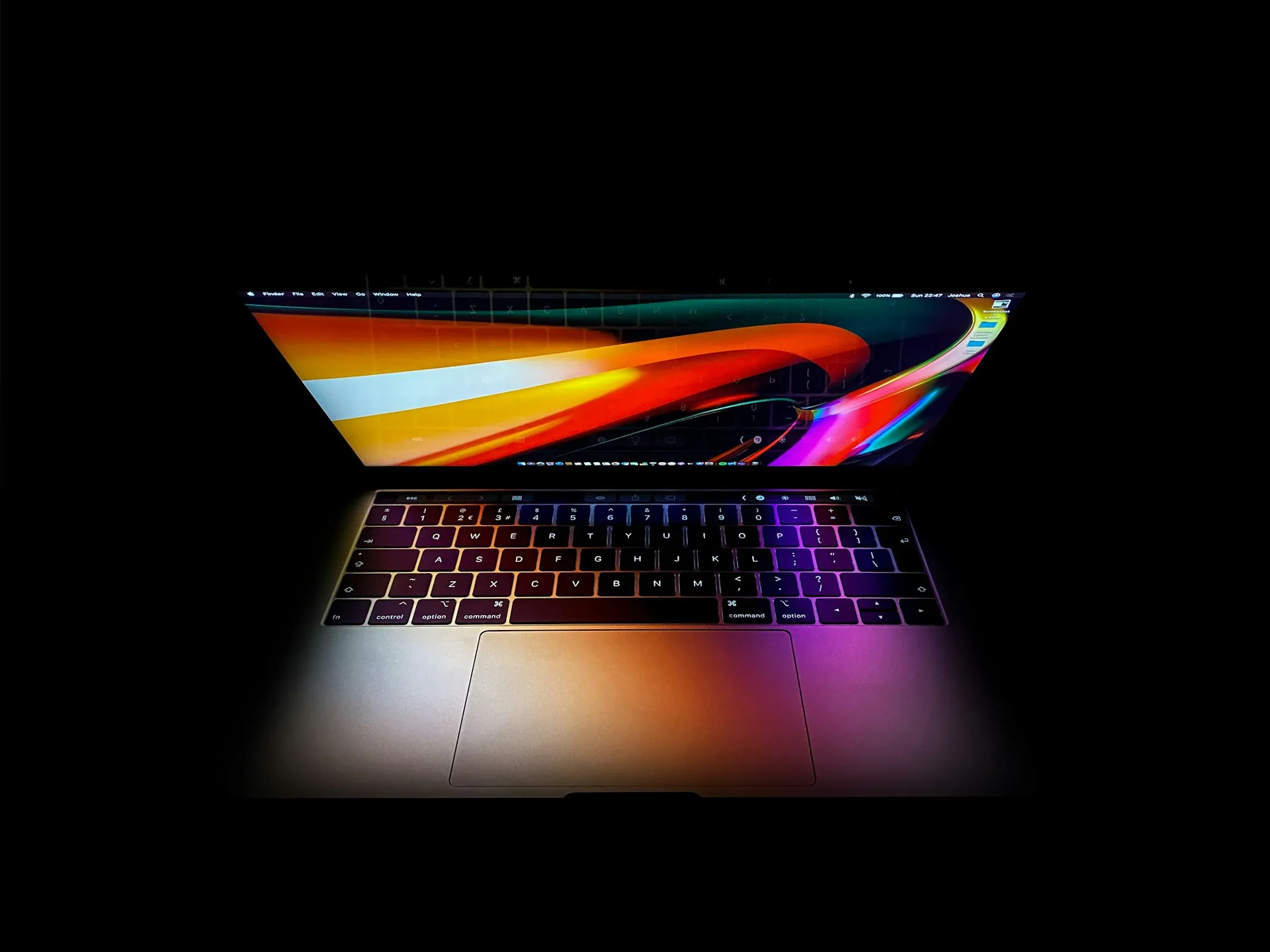
The long-rumored touchscreen MacBook Pro appears closer to reality than ever before. Here's what's particularly interesting about this potential shift—Apple has spent years insisting that touch doesn't belong on laptops, famously calling it "ergonomically terrible." But times change, and so do Apple's perspectives on what users actually want.
Industry analysts suggest Apple has been quietly developing touch-enabled software frameworks within macOS, indicating the company is serious about bridging the gap between its laptop and tablet experiences. This is a departure from Apple's previous stance against touch-enabled laptops. The internal debates at Cupertino must be fascinating—balancing original design philosophy against the practical reality that users have been requesting this feature for years.
The technical challenges go far beyond simply adding a touchscreen. Apple needs to redesign core interface elements to accommodate finger input while maintaining the precision that professional users demand. Every button, menu, and interface element requires reconsideration when your primary input changes from a precise mouse cursor to a fingertip. Early reports indicate the company is exploring hybrid input methods that would seamlessly blend traditional trackpad navigation with direct screen interaction.
For professional workflows, touchscreen capability could supercharge creative applications. Video editors could scrub timelines with direct precision, pinpointing exact cut locations with a touch. Designers might manipulate objects with natural gestures, bringing tablet-style creativity to laptop-class performance. However, questions remain about battery life impact and the ergonomic challenges of extended touch interaction. Extended use of touchscreen laptops often leads to "gorilla arm" fatigue—that shoulder strain from constantly reaching up to the screen.
iOS evolution and the path to deeper integration
Apple's software development appears increasingly focused on creating seamless experiences across device categories. This represents a complete reversal from the company's earlier approach of keeping iOS and macOS distinctly separate. The walls between these operating systems are coming down, creating opportunities for unprecedented workflow continuity.
Recent beta releases suggest the company is testing new interface paradigms that could work equally well with touch, trackpad, or traditional mouse input. This approach could finally deliver the cohesive ecosystem Apple has long promised—a universal language that all your Apple devices can speak fluently.
System-level functionality could become truly revolutionary. Picture using iPad-style gestures on a MacBook Pro screen with one hand while fine-tuning selections with the trackpad using the other. This dual-input approach offers precision and naturalness simultaneously, eliminating the traditional either-or choice between touch and cursor-based navigation.
Cross-device continuity features are expanding rapidly. New frameworks appear designed to let users start tasks on one device and seamlessly continue on another, with interface elements adapting automatically to each device's input capabilities. Your workflow could follow you around, automatically adapting to whatever device you pick up. The distinction between "mobile" and "desktop" apps becomes increasingly meaningless when applications intelligently morph to match your current context and hardware.
iPhone 18 Pro: Bold new directions in design
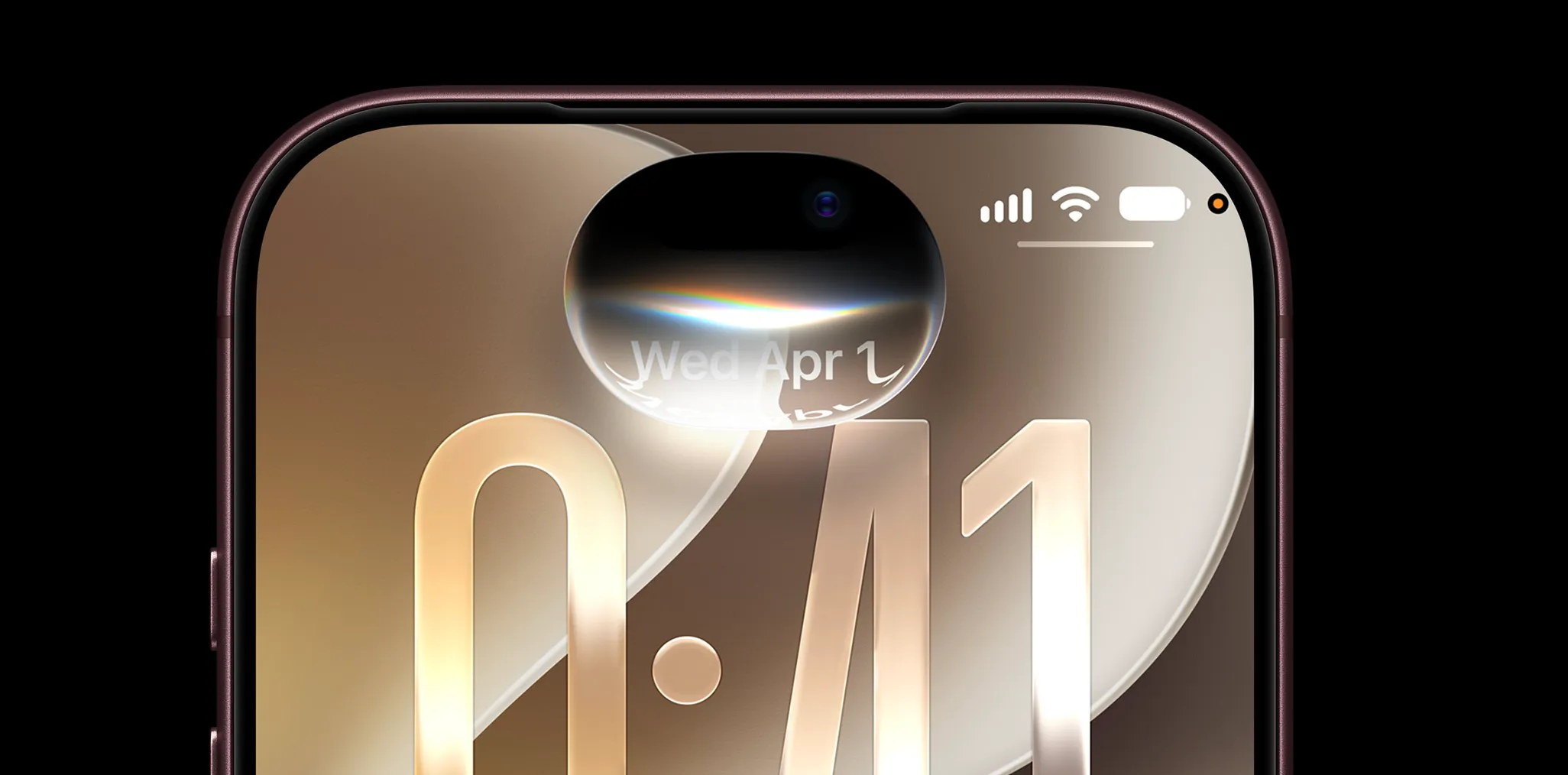
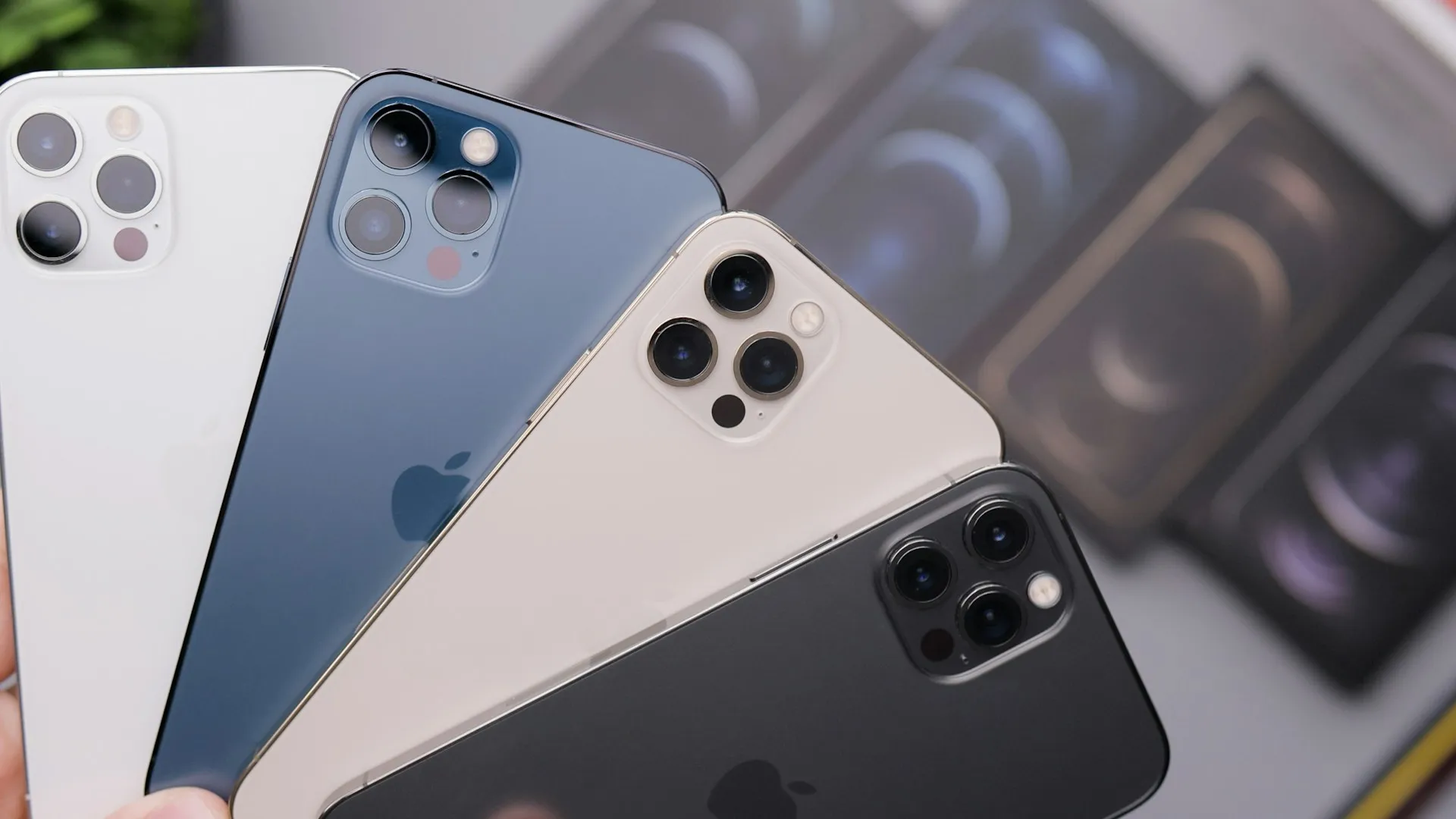
Apple's color strategy for future iPhones suggests the company is ready to make bold visual statements. Reports of a deep red iPhone 18 Pro model indicate Apple is moving beyond the conservative color palette that has dominated recent Pro releases, which have stuck mostly to variations of black, white, and natural titanium finishes.
This shift signals broader changes in how Apple approaches premium device aesthetics. Having mastered the technical aspects of iPhone manufacturing, Apple can now afford to take more calculated risks with visual design. A deep red Pro model would certainly command attention and give Apple a distinctive marketing appeal.
Premium red finishes require sophisticated manufacturing processes, indicating Apple's confidence in its supply chain capabilities. Achieving perfect color consistency across millions of devices represents a significant manufacturing challenge. Such distinctive colors also help differentiate Pro models from standard iPhone variants in retail environments—that red Pro will catch your eye from across the Apple Store.
Color choices increasingly influence purchasing decisions, particularly among users who view their devices as fashion statements. A striking red Pro model could attract customers who previously opted for standard iPhones due to color preferences, potentially boosting Apple's higher-margin Pro sales. Some users will upgrade primarily for a color they love, even when their current phone functions perfectly.
Manufacturing strategy: Bringing production home
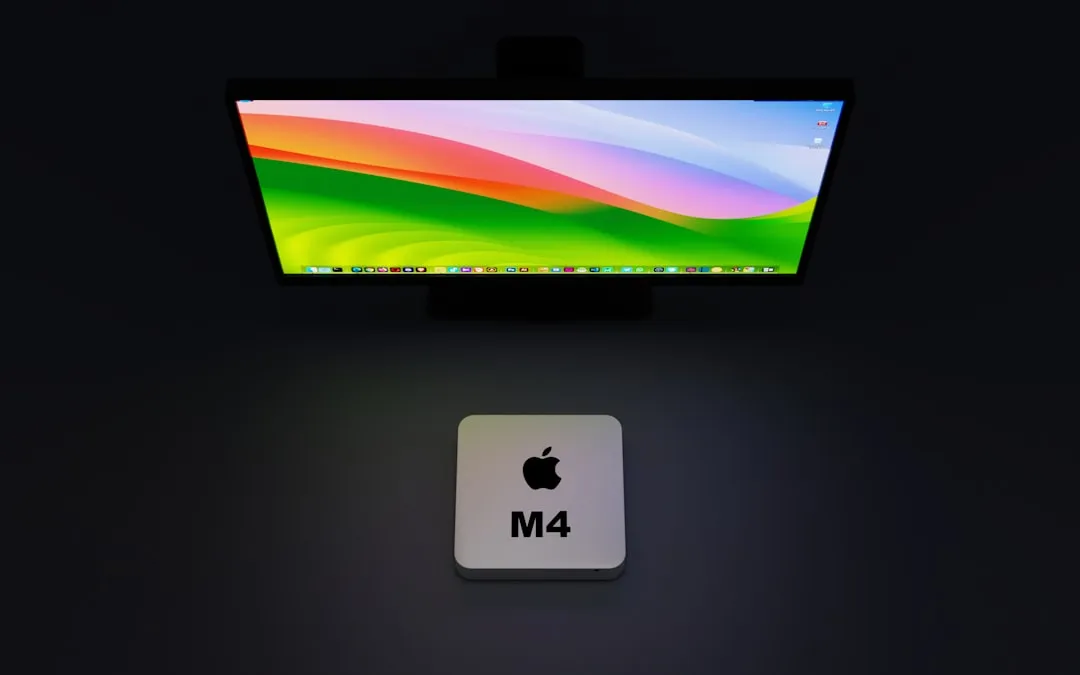
Apple's decision to move Mac mini production to the United States represents more than a simple manufacturing shift. This strategic change reflects broader efforts to reduce supply chain vulnerabilities while improving quality control for key product lines. When you manufacture closer to your primary engineering teams, iteration cycles accelerate dramatically—engineers can collaborate directly with production rather than coordinating across continents and time zones.
The Mac mini serves as a crucial entry point into Apple's ecosystem, particularly for users transitioning from PC environments. Local production enables faster response to market demands and more rapid iteration on hardware designs. This agility becomes essential as Apple faces intensifying competition in the compact desktop market.
Beyond operational advantages, domestic production carries significant geopolitical and marketing benefits. By diversifying production beyond traditional Asian suppliers, Apple reduces exposure to international trade tensions while appealing to customers who prioritize domestically manufactured products. "Designed by Apple in California, Assembled in America" resonates powerfully in the current market environment.
These manufacturing decisions also represent a hedge against uncertainty while serving as a competitive differentiator. Supply chain resilience has become a critical business advantage, and Apple's willingness to invest in domestic production demonstrates long-term strategic thinking beyond simple cost optimization.
Where innovation meets practical reality
These developments collectively suggest Apple is preparing for a more integrated, touch-enabled future across its product lineup. The convergence of touchscreen Macs, refined iOS experiences, bold hardware designs, and strategic manufacturing moves points to a company confident in its technological direction. These initiatives reinforce each other: domestic manufacturing supports rapid hardware iteration, which enables more sophisticated touch integration, which drives software unification, which justifies premium design choices.
Success will depend entirely on execution quality and user adoption rates. Touch-enabled Macs must deliver genuine productivity benefits rather than serving as expensive novelties. New iPhone colors and domestic manufacturing need to translate into measurable business advantages, not just generate headlines.
For consumers, these changes promise more choice and potentially seamless integration between devices. The key question remains whether Apple can deliver these innovations without compromising the reliability and performance that define its premium market positioning.
Bottom line: Apple is betting big on a future where device boundaries disappear and users work naturally across their entire ecosystem. Whether that vision becomes reality depends on how well they execute these ambitious plans—and whether users embrace new ways of interacting with their devices.


Comments
Be the first, drop a comment!