



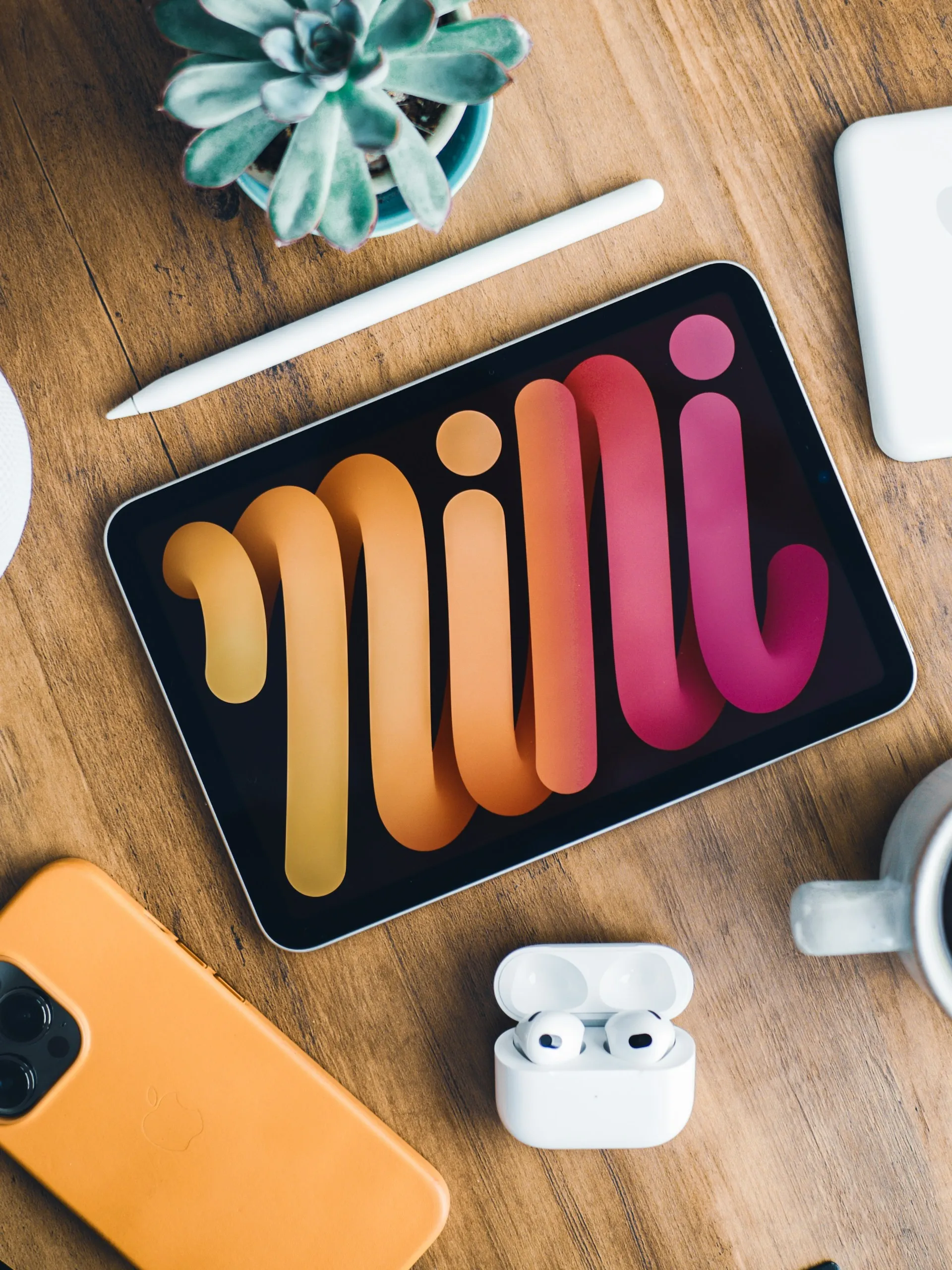
The rumor mill is buzzing with whispers of Apple's next big move in the tablet space: an OLED iPad mini that could fundamentally change how we think about digital reading. While we're still waiting for official confirmation from Apple, the potential implications are fascinating to consider. If this device materializes with the rumored features—including possible water resistance and the upcoming A19 Pro chip—we might be looking at the first serious challenge to Amazon's Kindle dominance in years.
The question isn't just whether Apple will release this device, but whether it could actually convince dedicated e-reader users to make the switch. After all, the Kindle has held its ground for good reason: exceptional battery life, eye-friendly e-ink displays, and a price point that doesn't break the bank. But Apple has a track record of entering established markets and reshaping them entirely—just look at how the original iPhone transformed the smartphone landscape, or how the iPad created the modern tablet category from scratch. Could this be the company's moment to do the same for digital reading?
Why OLED could be a game-changer for reading
Let's break down what makes OLED technology so compelling for reading applications. Unlike traditional LCD screens that rely on backlighting, OLED panels create their own light at the pixel level. This means true blacks (because black pixels are literally turned off) and incredible contrast ratios that could make text appear to float on the screen like ink on paper.
What's particularly exciting is how this technology addresses some traditional tablet shortcomings. OLED enables much thinner device profiles since you don't need that backlight layer, and here's where it gets interesting—it can actually be more power efficient when displaying dark content. Think about it: if you're reading white text on a black background, most of the screen pixels are simply off, consuming zero power.
Pro tip: For the best reading experience on any OLED device, enable dark mode whenever possible. You'll extend battery life while reducing eye strain during those late-night reading sessions.
However, the real breakthrough might come in versatility. While e-ink excels at static text (and I mean really excels—it's gorgeous for that purpose), OLED would allow the iPad mini to seamlessly transition between reading novels, browsing colorful magazines, and watching embedded video content without any compromise. You could be reading a cookbook with vibrant food photography, then switch to a technical manual with detailed diagrams, then catch up on video content—all on the same device with optimal display quality for each use case.
The potential addition of water resistance adds another compelling layer to the package. Beach reading and bathtub browsing have long been risky propositions with premium tablets. But a water-resistant iPad mini could finally make these scenarios worry-free. Combined with OLED's typically excellent outdoor visibility thanks to those high brightness capabilities, this could position the device as a true all-environment reading companion.
What this means for your wallet and reading habits
Now here's where things get tricky—and where Apple will really need to prove their value proposition. The pricing equation will likely determine whether this rumored device succeeds or remains a niche luxury for tech enthusiasts with deep pockets.
Let's be realistic about the numbers here. Kindle devices start around $100 for basic models and rarely exceed $300, even for the premium Kindle Oasis with all the bells and whistles. Meanwhile, iPad minis typically launch at $500 or higher, and that's before we factor in OLED technology driving costs up further. Apple would need to justify what could be a 2x to 5x price premium over dedicated e-readers through genuinely superior functionality and ecosystem integration.
Battery life presents another critical hurdle that could make or break this device for serious readers. E-ink displays can run for weeks on a single charge because they only consume power when actually changing what's displayed—once your page is loaded, it's essentially using zero power to maintain that image. OLED technology, while more efficient than traditional LCD, still requires continuous power for every lit pixel, meaning Apple would need to achieve at least 8-10 hours of actual reading time to satisfy dedicated book lovers.
But here's where Apple's ecosystem advantages could tip the scales for users already invested in their services. Seamless syncing between your iPhone, Mac, and this iPad mini means your reading progress, notes, and highlights follow you everywhere. Access to the full App Store opens up possibilities that dedicated e-readers simply can't match—think advanced PDF annotation apps, language learning tools that integrate with your reading, or reference apps that work alongside your books.
Pro tip: If you're already using Apple Books or have a large iTunes book collection, the ecosystem integration alone could justify the premium for a unified reading experience across all your devices.
The integration with services like Apple News+ and the redesigned Books app creates value propositions that go beyond simple reading. The ability to switch instantly between reading a novel, taking notes in a separate app, doing research on the web, and maybe even attending a video call about what you're reading—that's the kind of workflow consolidation that could prove particularly compelling for students and professionals.
The bigger picture for digital reading
This potential OLED iPad mini could be Apple's offering to a massive and underserved market. While smartphones have captured casual reading (scrolling through articles during commute time) and laptops dominate productivity tasks, the space between them has largely been ceded to Amazon's Kindle ecosystem.
A premium OLED reading device could reclaim some of that territory while expanding what we consider possible in digital reading experiences. Imagine interactive textbooks that truly take advantage of the display and processing power, or immersive historical fiction that incorporates maps, timelines, and multimedia elements seamlessly into the narrative flow. Current e-ink technology, while perfect for traditional text, simply can't handle these more dynamic content types.
The ripple effects could extend throughout the publishing and app development communities as well. Enhanced displays and processing power would enable new types of interactive books, immersive educational content, and multimedia publications that blur the lines between traditional reading and digital experiences. Publishers who have been constrained by e-ink's limitations—beautiful as they are for traditional text—might finally have a mainstream platform capable of supporting their more ambitious digital projects.
Competition in this space would ultimately benefit consumers regardless of which device they choose. Amazon would likely respond with improvements to Kindle hardware and software (they've been relatively conservative with updates in recent years), while other manufacturers might explore similar premium reading-focused tablets. The result could be a renaissance in digital reading innovation after years of relatively incremental improvements.
Where does this leave readers and tech enthusiasts?
The rumored OLED iPad mini represents a fascinating convergence of reading-focused design and cutting-edge display technology. While we're still in speculation territory until Apple makes any official announcements, the potential impact on both the tablet and e-reader markets seems significant enough to get excited about.
For readers currently satisfied with their Kindle devices—and let's be honest, there are very good reasons to be satisfied with them—the decision might come down to whether they value the additional capabilities enough to justify a higher price point and potentially shorter battery life. If you're someone who reads primarily text-based books and values the Kindle's incredible battery life and eye-friendly display, the OLED iPad mini might feel like overkill.
But for tablet users who occasionally read on their devices and find the experience lacking, an OLED iPad mini could represent the perfect consolidation of multiple devices into one exceptional reading and multimedia experience. Instead of carrying a Kindle for books, an iPad for magazines and interactive content, and maybe another device for other tasks, you could potentially have it all in one premium package.
The broader question remains whether there's truly room in the market for a premium reading device, or if the Kindle's combination of simplicity, affordability, and laser focus on reading will continue to dominate. Apple's track record with market disruption is impressive—they didn't invent smartphones, but the iPhone redefined what smartphones could be. They didn't create the first tablet, but the iPad established the template that everyone else follows. They transformed the smartwatch from a niche gadget into a mainstream health and fitness companion.
Bottom line: whether this rumored device becomes reality or not, the mere possibility highlights how much room there still is for innovation in digital reading. And for those of us who love both great technology and great books, that's pretty exciting to think about.


Comments
Be the first, drop a comment!