





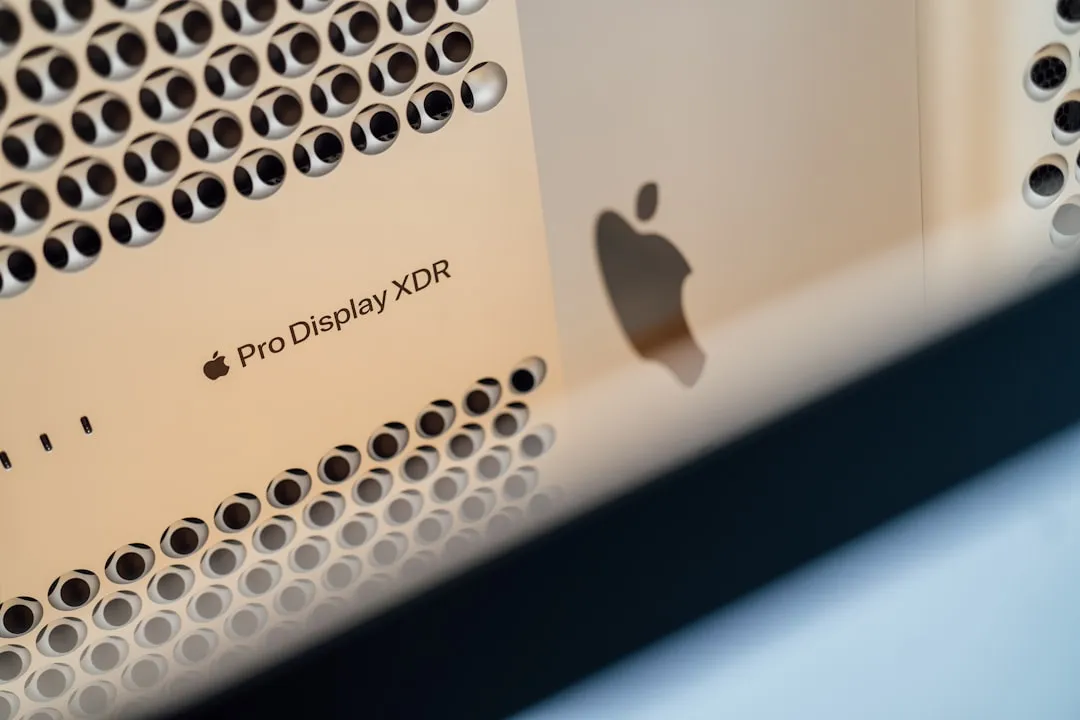
Apple Pro Display XDR FDA clearance: what clinicians must verify
A compliance line shifted this week for a narrow group of clinicians. Apple received FDA 510(k) clearance for a diagnostic imaging mode on the Pro Display XDR, delivered via software update rather than new hardware. The clearance is confirmed. The specific indication for use, predicate device, and required operating conditions are not yet available from the filing, and those details determine whether any given clinical workflow is actually covered.
That gap is stated once, plainly, and then set aside. What follows is what the filing will need to show, why the distinctions carry real consequences in practice, and what each reader type should do once those details are in hand. Pull the record from the FDA 510(k) database and search "Pro Display XDR." The specific indication language is the only thing that settles the scope questions raised below.
What 510(k) clearance does and doesn't mean
The FDA's 510(k) pathway grants market authorization when a manufacturer demonstrates that a new device is substantially equivalent to a legally marketed predicate. Apple cleared a documented evidentiary standard. The FDA did not independently benchmark the display against clinical performance standards. Clearance is a regulatory designation, not a clinical endorsement.
Nothing about the Pro Display XDR's physical hardware changed. A software update activates a defined diagnostic imaging mode. Use the display outside the boundaries specified in the indication for use — wrong modality, bypassed calibration, ambient conditions not met — and the clearance doesn't apply, regardless of what the hardware can do.
Five items in the filing that determine scope
The record will settle the following questions. None of them can be inferred from the clearance headline.
Indication for use: the exact clinical purpose covered, word for word
Modality: radiology, pathology, or both; clearance for one does not extend to the other
Use type: primary diagnosis or secondary review; these carry different regulatory bars
Required display mode or calibration state: whether a specific configuration is mandatory for the clearance to hold
Ambient conditions: any environmental requirements Apple specifies
A clinician who confirms all five and finds their workflow within scope has a compliant option they didn't have last week. Skipping any one of them is guessing.
How the distinctions play out in practice
Remote radiology is where the stakes are highest. Purpose-built medical monitors from Barco and Eizo run from several thousand to well over ten thousand dollars per unit, with recurring calibration and documentation costs layered on top. For a teleradiology group staffing rural hospitals on contract, that per-seat cost is a real line item. If Apple's indication covers primary radiology diagnosis with the required conditions met, a compliant lower-cost option now exists where none did before. If the indication is limited to secondary review, that use case is out of scope. Full stop.
Secondary review carries a lower bar. A multispecialty clinic where a physician reviews imaging to inform a treatment decision, rather than render a primary diagnosis, faces less stringent display requirements. If the filing covers secondary review, the addressable population expands well beyond dedicated radiology practices. But the filing has to say so explicitly.
Pathology is a separate question entirely. Color accuracy requirements for digital pathology differ substantially from the luminance and contrast criteria relevant to radiology. Whether the clearance extends to pathology is a yes-or-no answer in the record. If pathology is excluded, practitioners in that specialty are not covered.
Three scenarios at a glance:
Primary radiology, remote reading station: covered only if the indication specifies primary diagnosis
Secondary imaging review, multispecialty clinic: covered only if the indication specifies secondary review
Digital pathology: covered only if pathology is explicitly named in the indication
Where clearance doesn't settle things
Hospital systems and large institutional buyers sit in a different category. 510(k) clearance is the entry condition for most regulated-device procurement frameworks, not the complete checklist.
Internal biomedical engineering validation, IT security review, department-level QA standards, and radiology accreditation requirements all apply on top of cleared status. Cleared and institutionally approved are not the same thing, and that gap carries real liability in regulated environments. Procurement teams should evaluate against internal requirements before acting on cleared status alone.
Apple's pattern here is consistent
Apple has run this play before. The Apple Watch ECG function received 510(k) clearance in 2018, with AFib detection and sleep apnea features following in later hardware generations. Each clearance was specific and bounded, tied to a defined clinical indication rather than a broad product claim.
The Pro Display XDR follows the same logic, shifted from a patient's wrist to a clinician's workstation. Apple isn't launching a medical display line. It's expanding the compliant-use envelope for hardware that already exists, through software. Barco and Eizo built their businesses inside regulated clinical infrastructure and price accordingly. Apple is coming in from the edge, with an installed base of clinicians already carrying iPhones and iPads.
Whether this is the start of something larger depends on what filings come next. Additional 510(k) clearances covering broader modalities, or authorization sought under the EU's Medical Device Regulation or Japan's PMDA framework, Neither of which had been confirmed as of 2026-04-06, would signal deliberate expansion. Without those, this is a well-defined milestone with a fixed perimeter. The next filing cycle will answer that question more clearly than any reading of Apple's strategic intentions.
What to do, depending on who you are
Clinicians: Pull the record from the FDA 510(k) database and read the indication for use directly. Confirm the modality, use type, and required operating conditions before deploying the display in any diagnostic context. Don't assume the clearance covers your workflow without checking the language.
Practice administrators and procurement leads in independent or small-group settings: If the indication matches your modality and workflow type, the cost calculus on dedicated hardware changes, particularly for remote reading stations. Run the comparison after verifying the indication language, not before.
Institutional buyers: Cleared status is a necessary condition for deployment in most regulated institutional frameworks. It isn't sufficient. Internal QA validation, security review, and procurement standards apply on top. Evaluate those independently.
The clearance is real and the software update is available this week to U.S. users. What remains is confirming which clinical workflows it actually covers, and that answer is sitting in the filing.










Comments
Be the first, drop a comment!