



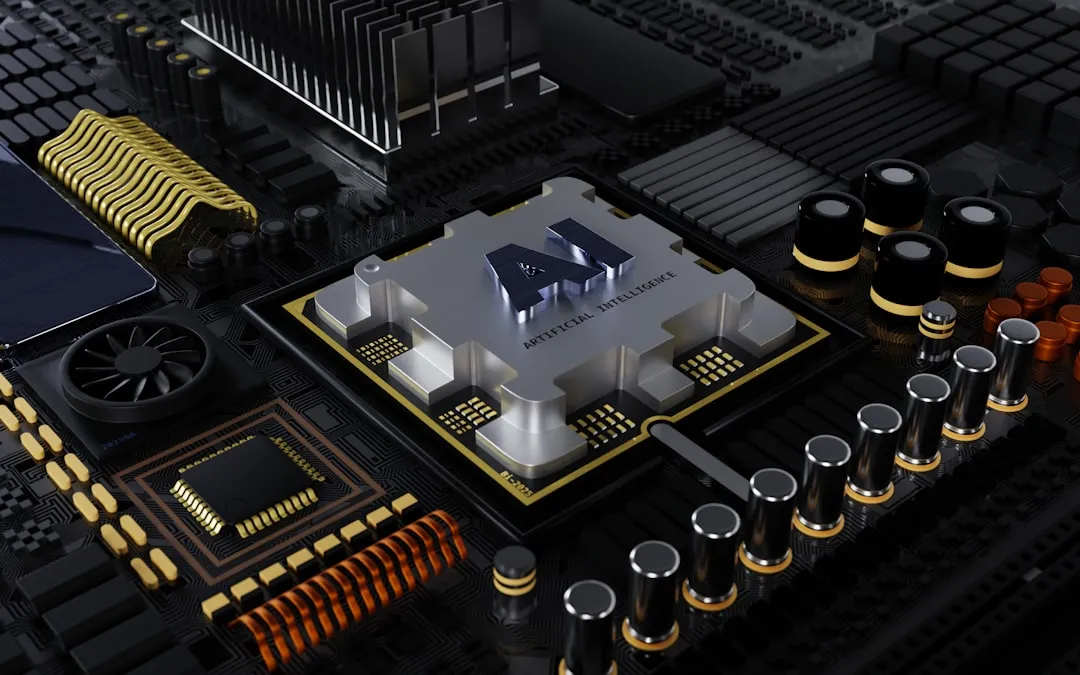
The rumor mill is buzzing with something that would have seemed impossible just a few years ago: Apple might be partnering with Intel again for chip manufacturing. But before you start thinking about a return to the x86 era, let's break down what's actually happening here. Apple's annual investment at TSMC has skyrocketed from $2 billion in 2014 to $24 billion in 2025, according to SemiAnalysis, showing just how dependent the company has become on its Taiwanese partner. Recent reports suggest that Apple could begin using Intel's manufacturing capabilities for entry-level M-series chips as early as 2027, with some analysts expecting the partnership to extend to iPhone chips by 2028. This isn't about going backward—it's about strategic diversification in an increasingly complex geopolitical landscape.
Why Apple needs a manufacturing backup plan
Here's the bottom line: Apple's current chip strategy puts all its eggs in one very expensive basket. The company's manufacturing purchase obligations have grown from $8.7 billion in 2010 to $55.1 billion in 2022, as reported by SemiAnalysis, highlighting the massive scale of their commitment to TSMC. But here's where the strategic vulnerability becomes clear—Apple's dominance at TSMC is facing unprecedented competition. Nvidia will consume more N3 wafers than Apple by Q4 2027, and Apple's share of TSMC's N2 process drops to just 48%.
This competitive pressure translates directly into pricing power and capacity constraints. When you've built your entire product roadmap around guaranteed access to the world's most advanced manufacturing processes, suddenly sharing that spotlight with AI chip demand creates both cost and availability risks that Apple simply can't ignore.
The geopolitical angle amplifies these concerns. With tensions around Taiwan and the incoming Trump administration's focus on domestic manufacturing, Apple appears eager to demonstrate commitment to "buying American" while reducing supply chain vulnerabilities. This isn't just political theater—it's risk management at a massive scale, hedging against scenarios where global chip supply chains face disruption.
Intel's manufacturing renaissance makes this possible
What transforms this from wishful thinking to viable strategy is Intel's remarkable technological comeback with its 18A process. Intel entered volume production of 18A in mid-2025, making it the first manufacturer globally to reach 2nm-class production, with yield rates reaching 60-65% in November and targeting 70% by the end of 2025. This isn't the Intel that Apple left behind in 2020—this represents a complete foundry transformation that prioritizes manufacturing excellence over internal chip design dominance.
The technical capabilities align perfectly with Apple's design philosophy. Intel's 18A process delivers up to 25% higher performance or 36% lower power consumption compared to its previous Intel 3 process, along with 30% improved transistor density. More importantly for Apple's power efficiency obsession, Intel's PowerVia backside power delivery architecture moves power delivery to the back of the chip, improving power efficiency—exactly the kind of architectural innovation that supports Apple's unified memory architecture and thermal design priorities.
The partnership has already moved well beyond speculation. Apple has signed an NDA with Intel and received the 18AP PDK 0.9.1GA, with Apple currently waiting for Intel to release more mature development tools, scheduled for the first quarter of 2026. This timeline suggests both companies are treating this as a strategic priority rather than a contingency plan.
What this means for your future Apple devices
Let's get practical about the consumer impact. Intel would handle production of standard M-series chips that power MacBook Air and iPad Pro models, with projected annual volumes between 15 million and 20 million units starting in 2027. We're looking at potentially the M6 or M7 chips for future MacBook Air, iPad Air, and iPad Pro models, while TSMC continues manufacturing the performance-critical Pro, Max, and Ultra variants.
This segmentation strategy reflects Apple's sophisticated approach to risk management and performance optimization. By starting with entry-level chips, Apple can validate Intel's manufacturing capabilities at meaningful scale while ensuring their highest-performance products remain on their most trusted manufacturing process. It's the same approach Apple uses with other components—multiple suppliers for operational security, but strategic placement based on performance requirements.
The iPhone expansion represents an even more significant vote of confidence. Analyst Jeff Pu expects Intel to reach a supply deal with Apple for "non-pro" iPhone chips starting in 2028, using Intel's future 14A process. Intel could start supplying Apple with the A22 chip for devices like the "iPhone 20" and "iPhone 20e" in around three years, bringing this diversification strategy to Apple's highest-volume product category.
PRO TIP: Don't expect any performance compromises in your entry-level devices. Apple will still design every chip—Intel's just manufacturing them to Apple's exact specifications using Apple's ARM architecture and optimized for the same performance and efficiency standards you're used to.
The bigger picture: What this partnership really signals
This partnership represents more than supply chain diversification—it signals a fundamental shift in how Apple thinks about technological resilience and industry competition. Apple would continue to design iPhone chips, with Intel handling a smaller percentage of manufacturing alongside TSMC, demonstrating that design control remains paramount while manufacturing flexibility becomes increasingly strategic.
For Intel, landing Apple as a foundry customer validates their massive investment in rebuilding manufacturing capabilities and provides crucial revenue for continued R&D advancement. This partnership could accelerate Intel's ability to compete with TSMC across the industry, ultimately benefiting all chip designers through increased manufacturing competition and innovation.
The timeline gives both companies room to perfect the relationship. Intel potentially beginning to ship production silicon in the second or third quarter of 2027 allows for thorough validation and optimization before high-volume production begins.
What's remarkable is the complete role reversal this represents. Intel, which once dominated Mac computing, returns not as a designer but as a manufacturing partner for the very chips that replaced its processors. It's a transformation that signals Intel's evolution from a design-centric company to a foundry-first service provider.
Bottom line: This partnership isn't about nostalgia—it's about building antifragility into the global chip supply chain. For consumers, it means more reliable device availability and potentially better long-term pricing as manufacturing competition intensifies. For the industry, it signals that technological leadership increasingly depends on manufacturing flexibility and partnership ecosystems rather than single-supplier dominance. Apple's willingness to work with their former chip supplier to manufacture the chips that replaced Intel's processors might just be the most pragmatic decision they've made in years.









Comments
Be the first, drop a comment!