



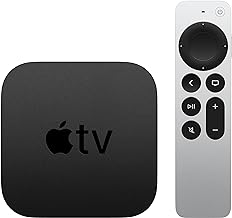


Apple TV EU DMA Complaint Explained: Smart TVs and Siri in Focus
Europe's major broadcasting groups this week formally asked the EU to designate smart TV operating systems and virtual assistants as gatekeepers under the Digital Markets Act. The complaint names Apple TV and Siri alongside Google, Amazon, and Samsung, and targets something more specific than hardware market share: who controls what audiences see when they turn on a television or ask a voice assistant what to watch. No smart TV platform and no virtual assistant has yet been designated a gatekeeper under the DMA, and the broadcasters argue that gap is already costing them.
The open letter was addressed to Competition Executive Vice-President Teresa Ribera and signed by the Association of Commercial Television and Video on Demand Services in Europe (ACT) and the European Broadcasting Union (EBU). The Commission is reviewing the letter and a preliminary assessment is expected by late April 2026, according to reporting on the complaint, though that timeline comes from secondary sources rather than Commission documentation.
ACT's membership includes Canal+, RTL, ITV, Sky, Mediaset, Paramount+, NBCUniversal, Walt Disney, Warner Bros. Discovery, and TF1 Groupe. Some of those members maintain active content partnerships with Apple, a detail that sharpens the tension, 9to5Mac reported this week.
The complaint is best understood as a preemptive bid to apply DMA logic to discovery interfaces before those interfaces fully lock in. Apple is named and is genuinely exposed, but the evidence is asymmetric. The strongest TV operating system case runs through Android TV, Fire OS, and Tizen. The most legally interesting Apple angle runs through Siri as a cross-device content gatekeeper, not through Apple TV's hardware share.
What the complaint actually argues: control over discovery, not just devices
The broadcasters' central claim is that a small number of tech operators now control the interfaces through which audiences find and access content. ACT wrote that these operators are "gaining growing ability to shape outcomes for millions of users and businesses by controlling access to audiences and content distribution," language crafted to match the DMA's own framing of gateways between businesses and consumers, MacDailyNews reported this week.
The letter also warns that platform operators may have incentives to keep users inside their own ecosystems and to "contractually or technically restrict linking or redirection." That is a direct accusation of self-preferencing, the specific behavior the DMA prohibits, 9to5Mac reported.
The complaint frames what is at stake in plainly existential terms: the "future viability of many European TV broadcasters" depends on whether the Commission acts before these interfaces fully consolidate, The Register reported this week.
What gatekeeper designation would actually change is concrete. Under the DMA, designated gatekeepers are barred from favoring their own services, required to give third parties interoperability on fair and transparent terms, and prohibited from restricting linking or redirection to competing platforms. Applied to TV operating systems or voice assistants, those obligations would give broadcasters a legal basis to demand fair placement and direct access to their own audiences without routing through a tech company's preferred interface. ACT also explicitly asked Ribera to apply qualitative designation criteria, even where formal quantitative thresholds are not met, a request that would allow the Commission to act on the theory of interface control rather than waiting for usage numbers to cross a line, MacDailyNews noted.
The TV OS market data: where the evidence is strong, and where Apple isn't
The broadcasters cited five years of market data to anchor the concentration argument. Android TV grew from 16% to 23% of the smart TV market between 2019 and 2024, Amazon Fire OS rose from 5% to 12%, and Samsung's Tizen held steady at 24%. Those three platforms are named as the primary gatekeeper candidates, based on a 2025 market study, Broadband TV News reported.
Apple is named in the complaint and in nearly every headline. But comparable Apple TV market-share figures for Europe do not appear in the publicly available complaint material. That absence matters because the DMA's standard quantitative benchmarks require a service to have more than 45 million monthly active users and a market capitalization above €75 billion. Worth noting: Apple's overall corporate valuation is not the question here. The test applies to the specific service, and the market evidence in this complaint does not establish that Apple TV clears the user threshold for TV operating systems, MacDailyNews noted.
Apple has navigated comparable threshold questions before. On 27 November 2025, Apple notified the Commission that Apple Maps and Apple Ads met DMA thresholds, opening a 45-working-day designation window, per the Commission. One media report indicates both services were subsequently ruled not to be gatekeepers due to their limited market impact in Europe, 9to5Mac reported, though that outcome should be verified against official Commission records, as the published documentation confirms only the notification and the review window.
On TV operating system market power alone, Apple TV is a supporting character in this complaint. The publicly available evidence does not build that case. But the TV OS question is not where Apple's real exposure lies.
Why Siri is the more legally interesting Apple target under EU DMA rules
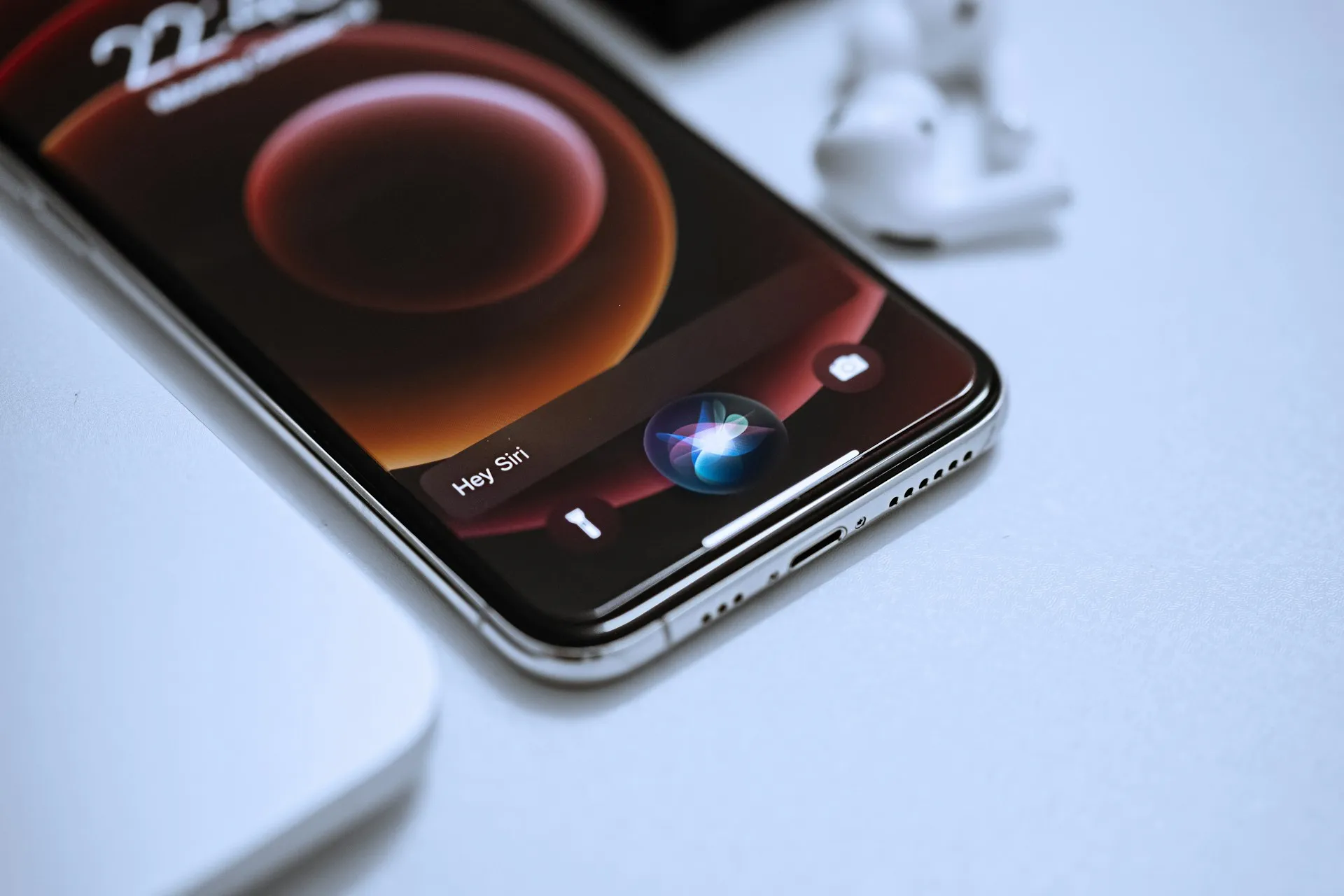
Virtual assistants present a fundamentally different regulatory problem than TV operating systems. Unlike a platform tied to a single device category, they operate simultaneously across televisions, phones, cars, and smart speakers, functioning as a unified content discovery interface across an entire device ecosystem. The broadcasters argue this cross-platform reach turns Siri, Alexa, and their peers into gatekeepers for media content in practice, even where they do not satisfy the DMA's formal quantitative tests, The Register reported.
The DMA's own language supports that framing directly. Article 6(7) of the regulation explicitly names virtual assistants alongside operating systems as services subject to interoperability obligations, meaning that once a virtual assistant is designated, it carries the same access and non-discrimination requirements as a designated OS, per the Commission's March 2025 decision. The regulatory infrastructure for treating assistants as gatekeepers already exists. Designation is the missing step.
That gap is precisely what the broadcasters describe as a "regulatory void, allowing powerful AI assistants to become de facto gatekeepers for media content through mobile phones, smart speakers and in-car radio infotainment services, without being subject to DMA obligations," 9to5Mac reported. Filling that void is the most expansive reading in the complaint, and the one that stretches the DMA furthest beyond its original scope.
The complaint also names Amazon's Alexa explicitly alongside Siri, MacDailyNews reported, so the virtual assistant argument is not Apple-specific. For Siri, though, ACT's qualitative designation request is harder to rebut than a market-share dispute. The broadcasters' argument rests on how a cross-device assistant routes users to content, a question of architecture and system design rather than a usage number Apple could contest with its own figures, MacDailyNews noted.
Apple's DMA track record: why this complaint lands on familiar terrain
Apple is already operating under active DMA enforcement that connects directly to what the broadcasters are asking for. The Commission designated iOS as a gatekeeper in September 2023, and a March 2025 decision found that effective interoperability on iOS covering connected physical devices including media casting, NFC, Wi-Fi connectivity, and audio switching did "not yet exist" in the required sense, per the Commission decision. Implementation deadlines run through June 2026 and, for certain audio switching functions, through June 2027.
That case and the broadcaster complaint reduce to the same underlying question: whether third parties can reach users through Apple's hardware and software interfaces on genuinely equal terms, or whether Apple's architecture systematically advantages its own services. The iOS interoperability case covers connected devices and media casting; the broadcaster complaint pushes that same logic to the TV home screen and the voice layer.
Put simply, Apple is already under DMA scrutiny over interoperability on iOS, which gives broadcasters a ready-made precedent for arguing about access to discovery interfaces. Each successive Brussels action has pushed DMA obligations closer to the layer where users actually encounter content, moving steadily beyond the discrete platform categories the regulation was originally written around, per Commission case DMA.100025.
What happens next
The Commission's response will determine how far the DMA can stretch beyond its original scope. The decision paths matter more than any single date: Brussels could designate major TV operating systems where market data supports it, with Android TV, Fire OS, and Tizen as the strongest candidates. It could apply qualitative criteria to virtual assistants where quantitative thresholds fall short. It could open a broader market investigation. Or it could decline to act if the evidence is judged insufficient. Each path carries different implications for Apple, and the Siri question carries the least settled answer, time.news reported. The late-April preliminary assessment timeline also comes from secondary reporting rather than Commission documentation, so that date should be treated as provisional.
The broadcasters' "regulatory void" framing is the complaint's most durable contribution to the policy debate. Once that framing takes hold in official proceedings, it becomes a reference point in future enforcement discussions regardless of the immediate outcome, MacDailyNews noted.
Apple, Google, Amazon, and Samsung were all approached for comment. None had responded publicly as of this writing, the Irish Examiner reported. What they say next will shape whether this complaint remains a lobbying letter or becomes the opening of the DMA's next enforcement chapter.




Comments
Be the first, drop a comment!