





Apple TV Siri Gatekeeper DMA Push Explained by EU Broadcasters
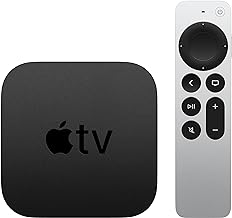
Europe's largest commercial broadcasters formally asked the EU this week to extend its toughest tech regulations to smart TV operating systems and virtual assistants, arguing that the home screen on your television and the voice assistant you use to navigate it have become powerful enough chokepoints to warrant Digital Markets Act oversight. The request puts Apple TV and Siri under DMA gatekeeper scrutiny alongside Android TV, Amazon Fire OS, and Samsung's Tizen. Whether the European Commission acts on it depends on a designation test that has produced mixed results even for Apple's own products.
The Association of Commercial Television and Video on Demand Services in Europe (ACT), whose members include Canal+, RTL, Mediaset, ITV, Paramount+, NBCUniversal, Walt Disney, Warner Bros. Discovery, Sky, and TF1 Groupe, sent the letter to EU antitrust chief Teresa Ribera on Monday. Reuters reported it exclusively; 9to5Mac and VideoWeek covered it the same day.
The broadcasters asked the Commission to designate major TV operating systems and virtual assistant providers as gatekeepers outright, or, if quantitative thresholds aren't met, to open a market investigation under Article 3(8) using qualitative criteria, Broadband TV News reported. That's a meaningful distinction. It signals the broadcasters know some platforms may not clear the numbers, and they're asking for the legal backstop that let the Commission designate iPadOS even when it didn't.
The case is coherent. Whether it's sufficient is a different question.
The DMA's gatekeeper test and why precedent cuts both ways
The DMA designates companies as gatekeepers when they provide core platform services at sufficient scale and act as an important gateway for businesses to reach consumers. Quantitative thresholds include more than 45 million monthly active EU end users and a market capitalization above €75 billion, but these are presumptive, not conclusive, PYMNTS reported.
The Commission has shown it will move beyond the numbers when the gateway-importance test is satisfied on qualitative grounds. The precedents are instructive:
- iPadOS designated in 2024 despite missing quantitative thresholds the Commission found business users were locked in due to iPadOS's commercially attractive user base and importance for specific use cases, including gaming, per Lexology
- iMessage not designated despite meeting thresholds the Commission found businesses didn't rely on it as a meaningful channel to reach EU customers, and usage was low compared to WhatsApp and Messenger, the Kluwer Competition Law Blog reported in May 2024
- Apple Maps and Apple Ads not designated in early February 2026 ruled out on similar grounds, cited as low usage and limited market impact in Europe, 9to5Mac noted
The pattern is consistent: the Commission looks past the headline numbers and asks whether the service is genuinely how businesses reach users. Where that case is strong, designation follows. Where it isn't, even high user counts don't save it.
One structural distinction matters here. Connected TV operating systems are not currently listed as a core platform service category in the DMA. Virtual assistants are. That legal asymmetry means the Siri designation argument starts from a different point than the tvOS or Android TV argument the category is already recognized, the mechanism already exists. What's missing is any designation actually using it.
The broadcasters' structural ask goes further still: they want the Commission to revisit the definition of "business users" during the DMA review, arguing it should be interpreted more broadly and in a technology-neutral way. Without that, Broadband TV News reported, broadcasters themselves may fall outside the scope of protection the rules are meant to provide.
Connected TV operating systems: who controls the home screen
The broadcasters' theory of harm is specific. Connected TV operating systems function as central intermediaries between media providers and viewers, VideoWeek and Broadband TV News reported. They control what appears prominently on the home screen, what gets recommended, and whether third-party apps can link or redirect to each other. The letter warns that OS providers may use contracts or technical design to trap users inside their own ecosystems, VideoWeek reported.
Three use points compound each other: home screen placement, ownership of free ad-supported streaming TV (FAST) platforms within those interfaces, and exclusive access to behavioral data that shapes content monetization. Broadcasters say that combination is difficult to route around, VideoWeek reported.
The strongest factual case in the public record, though, is against Android TV, Tizen, and Fire OS not Apple TV. Market data cited in the letter, drawn from a 2025 study, shows Android TV grew from 16% to 23% of the European market between 2019 and 2024, Amazon Fire OS from 5% to 12%, and Samsung's Tizen held steady at 24%, Broadband TV News and PYMNTS reported.
Apple TV's European market share is not quantified in the broadcasters' own letter. That's not a minor gap. The Commission's gateway-importance analysis is usage-dependent, and the iMessage and Apple Maps decisions make clear what happens when that data isn't there. Apple TV appears in the headlines partly because of brand recognition and Siri, not because the public evidence on tvOS is strongest.
What would designation actually mean? The DMA obligations that apply to designated platforms include bans on self-preferencing a platform's own services within its interface, data-sharing requirements, and restrictions on tracking users for advertising purposes, VideoWeek reported. Apple already operates under comparable rules for the App Store, where it has been in a prolonged compliance dispute with the Commission for the better part of two years, 9to5Mac noted. Extending equivalent obligations to tvOS would be a narrower intervention than iOS, but it would touch the same services-revenue logic Apple has been defending everywhere else.
Virtual assistants: Siri, Alexa, and the undesignated regulatory void
Virtual assistants are already listed as a core platform service category under the DMA. The problem, from the broadcasters' perspective, is that the Commission has never designated one as a gatekeeper. The broadcasters call this a "regulatory void, allowing powerful AI assistants to become de facto gatekeepers for media content through mobile phones, smart speakers and in-car radio infotainment services, without being subject to DMA obligations," 9to5Mac and PYMNTS reported.
The cross-device framing is the strongest part of this argument. Siri doesn't just live on Apple TV; it potentially mediates content discovery across iPhone, HomePod, Apple TV, and CarPlay simultaneously. That multi-surface reach is structurally different from a TV OS claim and potentially harder for Apple to rebut on gateway-importance grounds, since the reach argument spans an entire product ecosystem rather than a single device category.
The evidentiary gap is real, though. Hard data on Siri's actual role in EU media discovery is absent from the public record. The generative AI dimension OpenAI entered the assistant space last year with a beta feature called Tasks for ChatGPT, and AI-powered voice interfaces are developing quickly gives the broadcasters a forward-looking urgency argument, Broadband TV News reported. But urgency doesn't substitute for the usage data a designation analysis would require.
The distinction between "the legal category exists" and "the Commission has evidence to designate Siri" is exactly the gap the broadcasters are asking Brussels to close and they've offered to provide supporting data and technical expertise to help do it, Broadband TV News reported.
Where this goes next
The European Commission confirmed it received the letter and is reviewing the issues raised, PYMNTS reported. A preliminary assessment by late April 2026 has been reported, but that timeline rests on a single source and should be treated cautiously. Google, Amazon, Apple, and Samsung did not immediately respond to requests for comment, per Reuters.
The CTV OS case looks most plausible for Android TV and Tizen, where the letter's own market-share data provides a concrete basis for the gateway-importance argument. The Apple TV case is weaker the absence of comparable European share data is a meaningful hole, not a technicality. Siri sits in a different position: the DMA category is recognized, the designation mechanism exists, and the cross-device framing gives the broadcasters a genuinely novel argument. The Commission would be moving into territory it has never tested, but that's not the same thing as an argument that can't work.
What's shifted is the regulatory frame itself. The DMA debate has moved from app stores and mobile browsers to the interfaces that shape what users encounter before they've chosen anything at all the home screen, the voice layer above it, the recommendation engine underneath both. Broadcasters, platform operators facing potential DMA scrutiny, and viewers whose default discovery paths may now come under regulatory pressure all have something at stake in how the Commission responds. Whether it acts on this specific letter or not, that framing is on the record.




Comments
Be the first, drop a comment!