



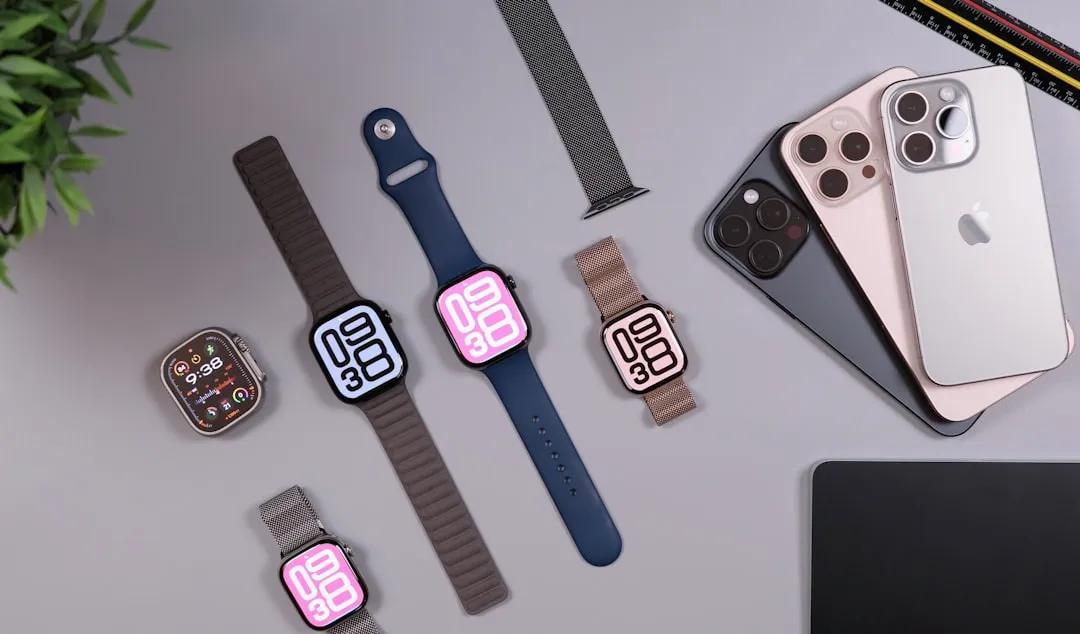
Apple Ultra products: two devices, two very different tests
Apple Ultra products have, until now, meant one thing: the absolute ceiling of Apple's hardware lineup. New reporting suggests that's about to change. Two devices reportedly carrying the Ultra name are in development, and neither is confirmed, but both raise the same question: can a label built on uncompromising performance hold its meaning across a foldable phone and a redesigned laptop?
Bloomberg's Mark Gurman wrote in his Power On newsletter that Apple's first foldable iPhone will be "the most significant overhaul in the iPhone's history," and that the device may launch under the "iPhone Ultra" name this September, MacRumors reported six days ago. Gurman also floated "MacBook Ultra" branding for a redesigned high-end laptop that would sit above the MacBook Pro, though a global memory chip shortage has pushed that timeline toward early 2027, MacRumors reported four days ago.
Apple has confirmed neither product. The iPhone Ultra name is still rumored, not decided. The MacBook Ultra feature list comes from aggregated reporting on Gurman's coverage. Readers should treat specifics, particularly specs and branding, as subject to change.
Why Apple Ultra products face different tests on iPhone and Mac
The iPhone Ultra and MacBook Ultra are making very different arguments for the same label.
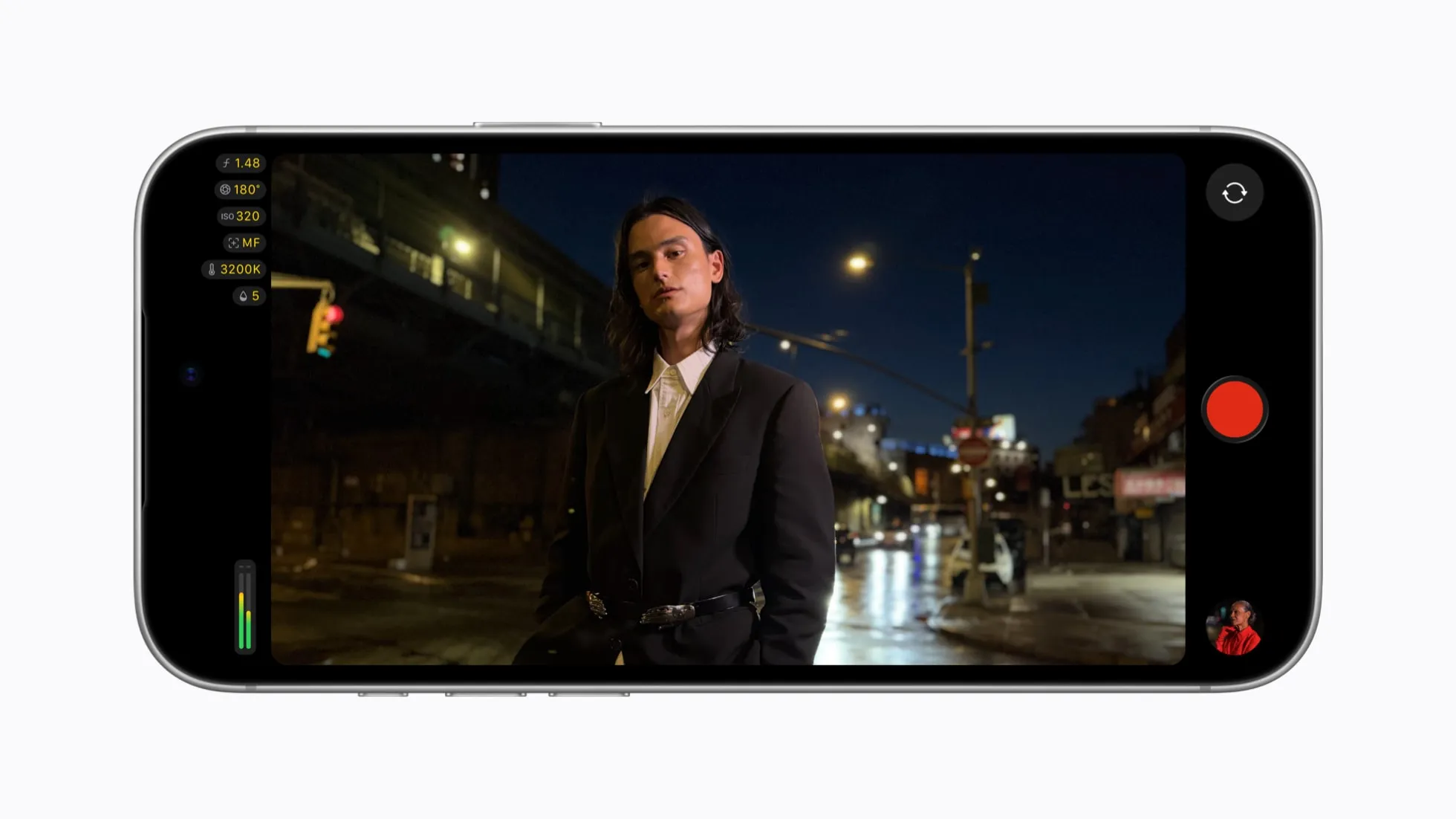
The foldable iPhone's case rests on novelty. The hardware picture is more complicated. Leaked renders and circulating rumors point to a device without Face ID and with just two rear cameras, though specs remain under wraps and subject to major speculation, according to PhoneArena today. Those concessions would be unremarkable on a mid-range phone. On a device called Ultra, they're conspicuous. The foldable is expected to launch in September alongside the iPhone 18 Pro and iPhone 18 Pro Max, per MacRumors, which means it will sit next to devices likely to have more cameras and Face ID. That's an uncomfortable comparison for any product carrying Apple's most premium label.
Foldables are hard to build. Thinner hinges, crease management, and battery constraints all compete with spec ambitions. Apple's first attempt may not fully resolve those trade-offs. Nothing is set in stone yet on the name or the final spec sheet, PhoneArena noted today, and the outlet argued that calling the foldable "Ultra" while shipping it with fewer cameras and no Face ID could be a significant mistake.
The MacBook Ultra argument runs the other direction. It would sit above the MacBook Pro entirely in both price and capability, establishing a new tier rather than competing within an existing one, MacRumors reported four days ago. Apple last redesigned the MacBook Pro in 2021, when the M1 Pro and M1 Max models launched, making this the first major overhaul in roughly six years. That's a long runway of accumulated expectations.
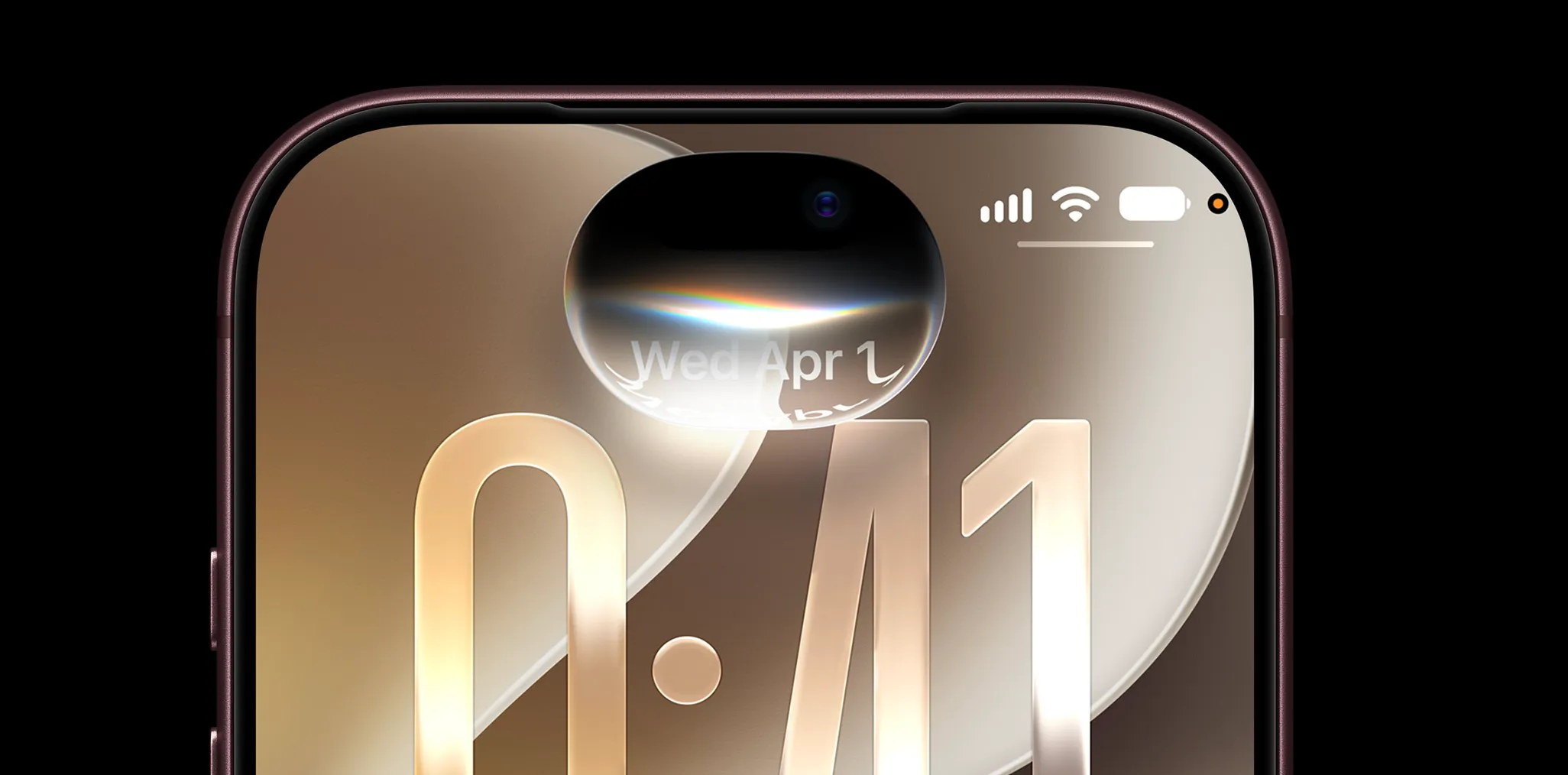
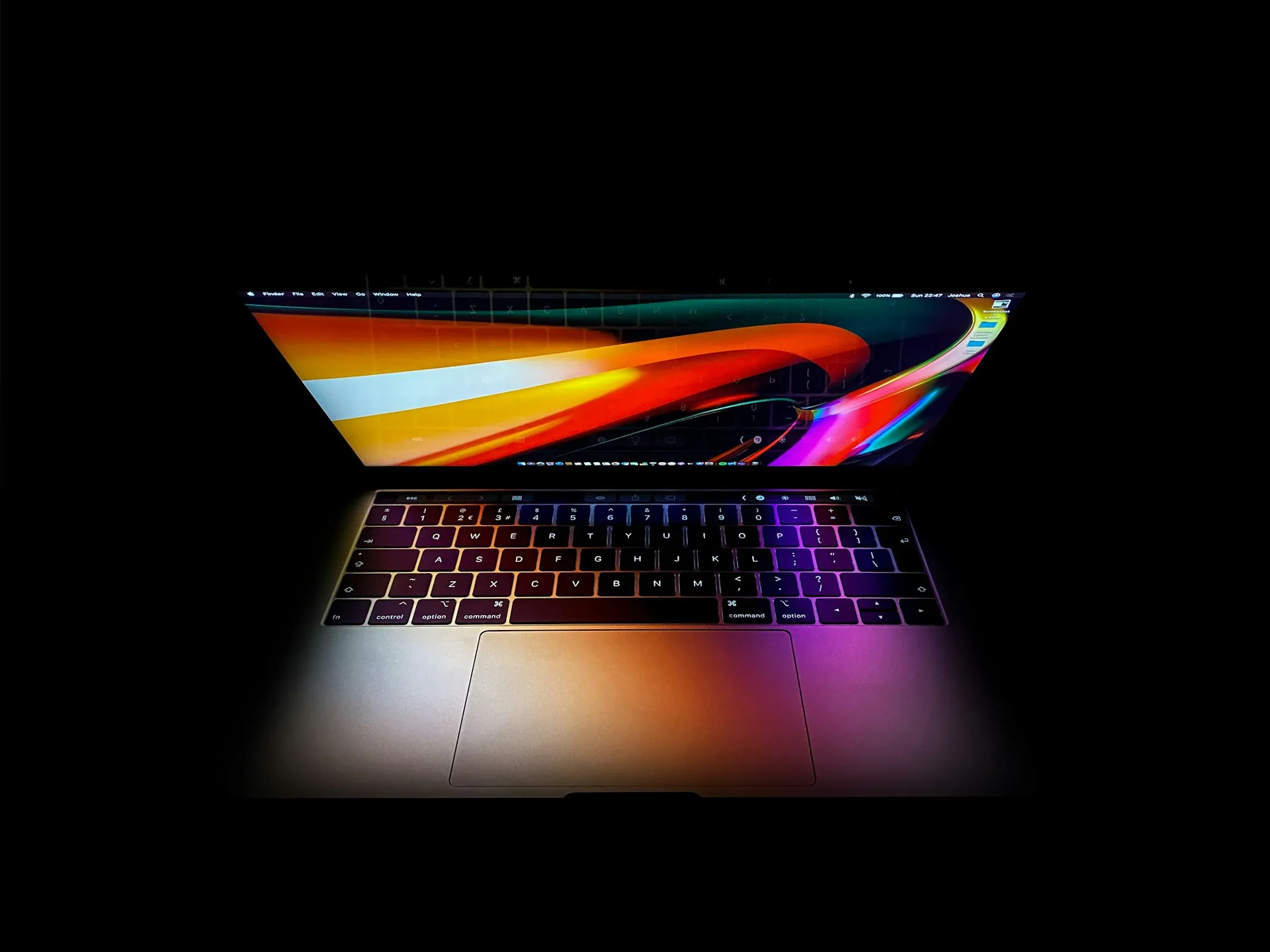
The reported feature set is substantive. M6 Pro and M6 Max chips built on TSMC's 2nm process, a full node jump from the 3nm used in current M5 chips, would represent an unusually large generational gain in performance and efficiency, per MacRumors. An OLED display would close the last significant gap between the Mac and the rest of Apple's premium lineup; every current iPhone, Apple Watch, and iPad Pro already ships with OLED. Two features go further than evolution: a touchscreen and a Dynamic Island, which would bring the notification and status interface familiar from iPhone to the Mac for the first time, MacRumors noted.
The feature that would change what "Ultra" means on a Mac
Of the six rumored MacBook Ultra upgrades, five are significant improvements on what exists. The sixth is a different kind of change.
Built-in cellular connectivity would make the MacBook Ultra the first Mac that doesn't need a nearby iPhone or iPad to reach a mobile network. Right now, that connection runs through Apple's Personal Hotspot feature, a workaround that functions well enough but depends on a second device. According to MacRumors' summary of industry reports considered native cellular for Macs before without following through, per MacRumors. If those plans advanced, the MacBook Ultra would likely use Apple's own C1X or future C2 modem for 5G and LTE connectivity, the same report noted. All of this remains rumored, not confirmed.
If it ships, cellular connectivity would give the Ultra label a practical definition on the MacBook that goes beyond raw performance. It would be the Mac that functions as a fully standalone connected device. That's a sharper product distinction than OLED or a thinner profile, and it tracks with how "Ultra" has functioned elsewhere in Apple's lineup: not just faster, but categorically above.
The timing is the problem. Memory chip supply constraints have tightened Apple's RAM supply enough that Gurman now pegs early 2027 as more realistic than late 2026, according to MacRumors. The MacBook Ultra is unlikely to arrive on the same calendar as the iPhone Ultra, which makes any notion of a coordinated Ultra rollout look more like parallel development than a strategic launch moment.
What these products need to prove
The core test is different for each device.
For the iPhone Ultra, it's whether the hardware can justify the name. Calling the foldable "Ultra" while shipping it without Face ID and with fewer cameras than the Pro models beside it sets up a brand contradiction, PhoneArena argued today. Gurman's "most significant overhaul" framing is defensible as a claim about form factor. A folding iPhone is genuinely new territory for Apple. But if the device ships with spec concessions that would raise eyebrows on a Pro model, the Ultra designation reads as aspirational rather than earned.
For the MacBook Ultra, the question is structural. Does it create a genuine tier above the MacBook Pro, the way the Mac Studio's top configuration sits apart from the Mac mini, or does it arrive as a redesigned MacBook Pro with OLED and a new name? The feature list, if it ships complete, suggests the former. A touch-capable OLED display, Dynamic Island, cellular connectivity, and a new chip node would be hard to characterize as a modest refresh.
Both products are still deep in development. Specs will shift, names may change, and Apple has acknowledged none of it. What's already visible is that the Ultra label is being considered for devices with very different profiles: one defined by a new form factor with rumored spec trade-offs, one defined by capability stacking above an existing tier. Whether the brand holds a consistent meaning across both is a question that should have an answer sometime in 2027.






Comments
Be the first, drop a comment!