



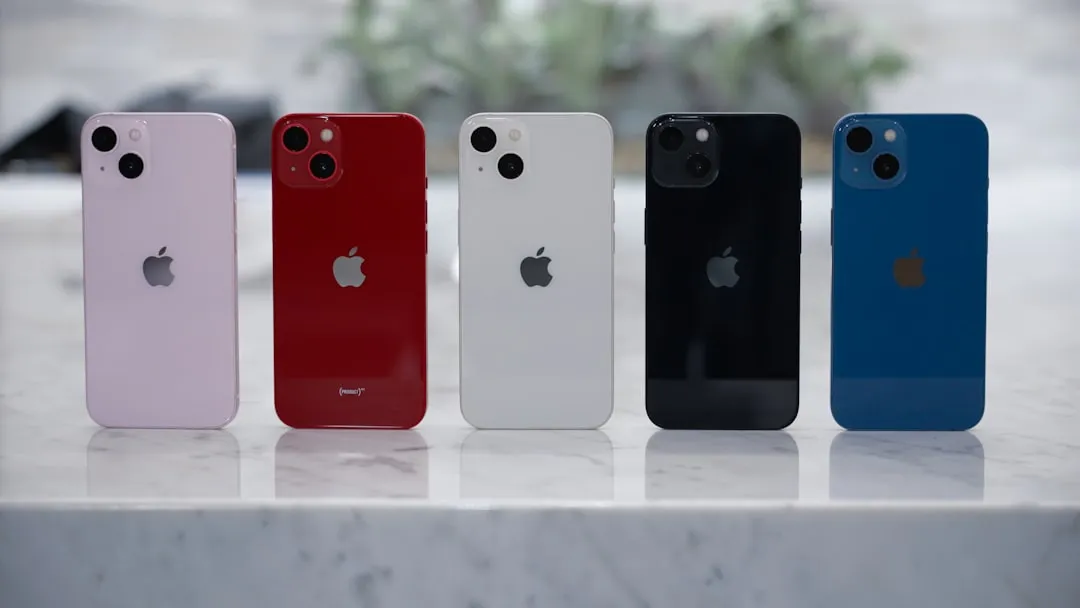
Apple's ecosystem continues to evolve at breakneck speed, and the recent developments spanning iPhone roadmap rumors, iOS 26.2's release, and Apple Music's ChatGPT integration paint a fascinating picture of where the tech giant is heading. These aren't just incremental updates—they represent significant shifts in how Apple approaches hardware innovation, software refinement, and strategic partnerships. Apple released iOS 26.2 on December 12, 2025, bringing important security fixes and user experience improvements, while Apple Music is now available in ChatGPT as an app extension, marking a notable collaboration between Apple and OpenAI. Meanwhile, leaked roadmaps suggest Apple has at least eight new iPhones in development, including the highly anticipated foldable device.
What makes iOS 26.2 worth your attention?
This latest iOS update might seem incremental at first glance, but dig deeper and you'll find meaningful improvements that enhance daily usability. iOS 26.2 addresses over 20 security vulnerabilities, including two WebKit bugs that were actively exploited, making this more than just a feature update—it's a critical security patch. The Lock Screen gets more customization options with an expanded Liquid Glass slider that lets users adjust how transparent the clock appears, giving users unprecedented control over this visual element.
One of the standout additions is the Reminders app enhancement, which now introduces 'Urgent' reminders that trigger alarms when tasks are due. This bridges the gap between passive notifications and active alerts, ensuring important tasks don't slip through the cracks. The update also brings regional compliance features, with iPhone users in Japan now able to install alternative app marketplaces, similar to the European Union, showing Apple's continued adaptation to global regulatory requirements.
The refinements extend throughout Apple's core ecosystem apps, creating a more cohesive user experience. The Apple Music experience gets more polished with offline lyrics for downloaded songs so you can view them without an internet connection and improved playlist discovery. The Podcasts app receives AI-powered improvements through automatically generated chapters that make it easier to navigate episodes. What's particularly clever about this ecosystem integration is how links to mentioned podcasts let you see and follow other podcasts mentioned in the episode you're listening to directly from the player and transcript, creating a more connected podcast discovery experience that keeps users within Apple's content ecosystem.
How does Apple Music in ChatGPT actually work?
The Apple Music and ChatGPT integration represents a fascinating shift in how we might discover and organize music in the future. Unlike direct streaming, the integration is not intended to let you play songs from Apple Music within ChatGPT, but to help you get recommendations and create playlists. This focused approach makes sense—it leverages AI's strength in understanding natural language while keeping the actual music experience within Apple's ecosystem.
The setup process is straightforward but requires deliberate action from users. You need to open ChatGPT, access the Apps section in settings, find Apple Music under Browse Apps, connect your account, and then start messages with "/Apple Music" to trigger the integration. This isn't automatic activation—it's an intentional choice to use AI for music curation, which leads to more sophisticated playlist creation capabilities.
The natural language capabilities truly shine when you make complex requests. Apple Music subscribers can now make requests such as, "Put together a 25-track upbeat Christmas rock playlist on Apple Music without the usual overplayed tracks," or "Build a workout playlist inspired by Ted Lasso," with ChatGPT selecting the tracks and creating the playlist automatically. This level of contextual understanding goes well beyond simple search—it's like having a music curator who understands both your preferences and cultural references, setting the stage for how AI partnerships might enhance Apple's broader service ecosystem.
What sets this apart from Spotify's ChatGPT integration is the preview capability. Apple Music's ChatGPT app supports playing short song samples; Spotify's ChatGPT integration does not currently offer the same sample-preview capability in ChatGPT. This gives Apple Music users a more complete experience within the ChatGPT interface.
What's coming in Apple's iPhone roadmap through 2027?
The leaked iPhone roadmap reveals Apple's most ambitious hardware plans yet, suggesting a fundamental shift in how the company approaches product releases and form factors. Apple is planning to split up its iPhone releases with higher-end models launching during the September window and less expensive models in the spring, breaking from the traditional annual cycle we've known for over a decade.
The most exciting development is the iPhone Fold, expected in fall 2026. The foldable iPhone will open book style, will be wider than it is tall, and will have a display of around 7.7 inches when open and around 5.3 inches when closed. However, development isn't without challenges—throughout development and trial production of the iPhone Fold, Apple is encountering a high level of defects in the display, suggesting this ambitious project still faces technical hurdles similar to those Apple historically worked through with other breakthrough technologies like the original iPhone's capacitive touchscreen.
The iPhone 18 Pro models, also slated for 2026, promise significant design evolution that builds toward Apple's all-screen vision. The iPhone 18 Pro and Pro Max will have under-screen Face ID, and the front camera will be moved to the top-left corner of the screen, finally eliminating the Dynamic Island that has defined recent iPhone designs. This represents a crucial stepping stone in Apple's technological roadmap.
Looking further ahead, the iPhone 20 is predicted for release in 2027, featuring an edge-to-edge curved display, a button-free design with solid-state buttons, and an under-display camera, representing Apple's vision for a truly all-screen device. The progression from under-screen Face ID in the iPhone 18 Pro to a completely seamless display in the iPhone 20 demonstrates Apple's methodical approach to introducing complex technologies across multiple product generations.
What's particularly intriguing about these leaks is the breadth of Apple's hardware experiments. The report mentions iPhone 17e expected in spring 2026 with improvements like a glass back for magnetic wireless charging, addressing consumer feedback about the current model's limitations. Meanwhile, Apple has gone "back to the drawing board and redesigning the iPhone Air because of the first model's poor sales," showing the company's willingness to iterate rapidly when products don't meet market expectations.
Where does this leave the Apple ecosystem?
These developments collectively signal Apple's strategic evolution across multiple fronts. The iOS 26.2 release demonstrates the company's commitment to iterative improvement and security, while the ChatGPT integration shows a willingness to collaborate with AI leaders when it serves user interests without compromising ecosystem control. By 2027, the roadmap leaks suggest Apple could be selling several distinct iPhone models across price tiers; this depends on which leak reports prove accurate, suggesting a more diverse approach to meeting varying user needs and price points.
The leaked roadmap also hints at broader ecosystem expansion beyond phones. References include AirTag 2, a product labelled "HomePad," and a new Studio Display, indicating Apple's continued push into smart home and productivity spaces. The ChatGPT integration, while limited to music recommendations now, establishes a framework for future AI partnerships that enhance Apple's services without sacrificing the integrated experience that users expect.
What's particularly intriguing is how these developments balance innovation with Apple's traditional approach to user experience. The foldable iPhone represents a major hardware risk, yet Apple is taking time to solve manufacturing challenges rather than rushing to market—consistent with their pattern of entering new categories when the technology meets their quality standards. The ChatGPT integration shows strategic partnership flexibility, but it's implemented in a way that keeps users firmly within Apple's ecosystem for the actual music experience.
The iOS updates continue to focus on refinement and practical improvements rather than flashy new features. This suggests Apple understands that mature platforms benefit most from thoughtful iteration rather than dramatic overhauls. The security fixes, accessibility improvements, and regional compliance features in iOS 26.2 might not make headlines, but they demonstrate a company that's thinking globally and responsibly about its platform's impact.
Looking at the bigger picture, these moves position Apple for a future where AI assistance, foldable devices, and more personalized experiences become the norm. For developers, this means preparing for new form factors and AI integration opportunities. For consumers, it signals a more diverse iPhone lineup with options spanning different price points and use cases. The company appears to be laying groundwork now for technologies that will mature over the next few years, rather than chasing immediate trends—a calculated approach that could pay dividends as these technologies reach mainstream adoption.







Comments
Be the first, drop a comment!