



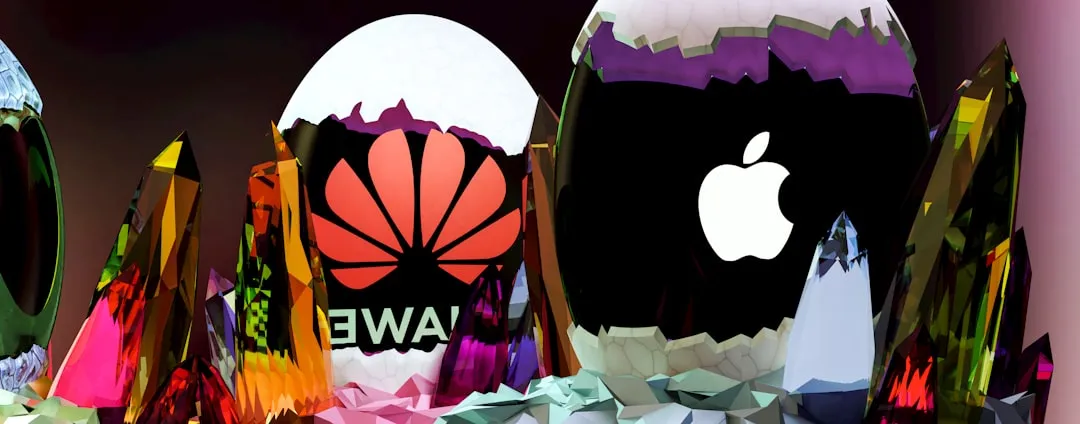
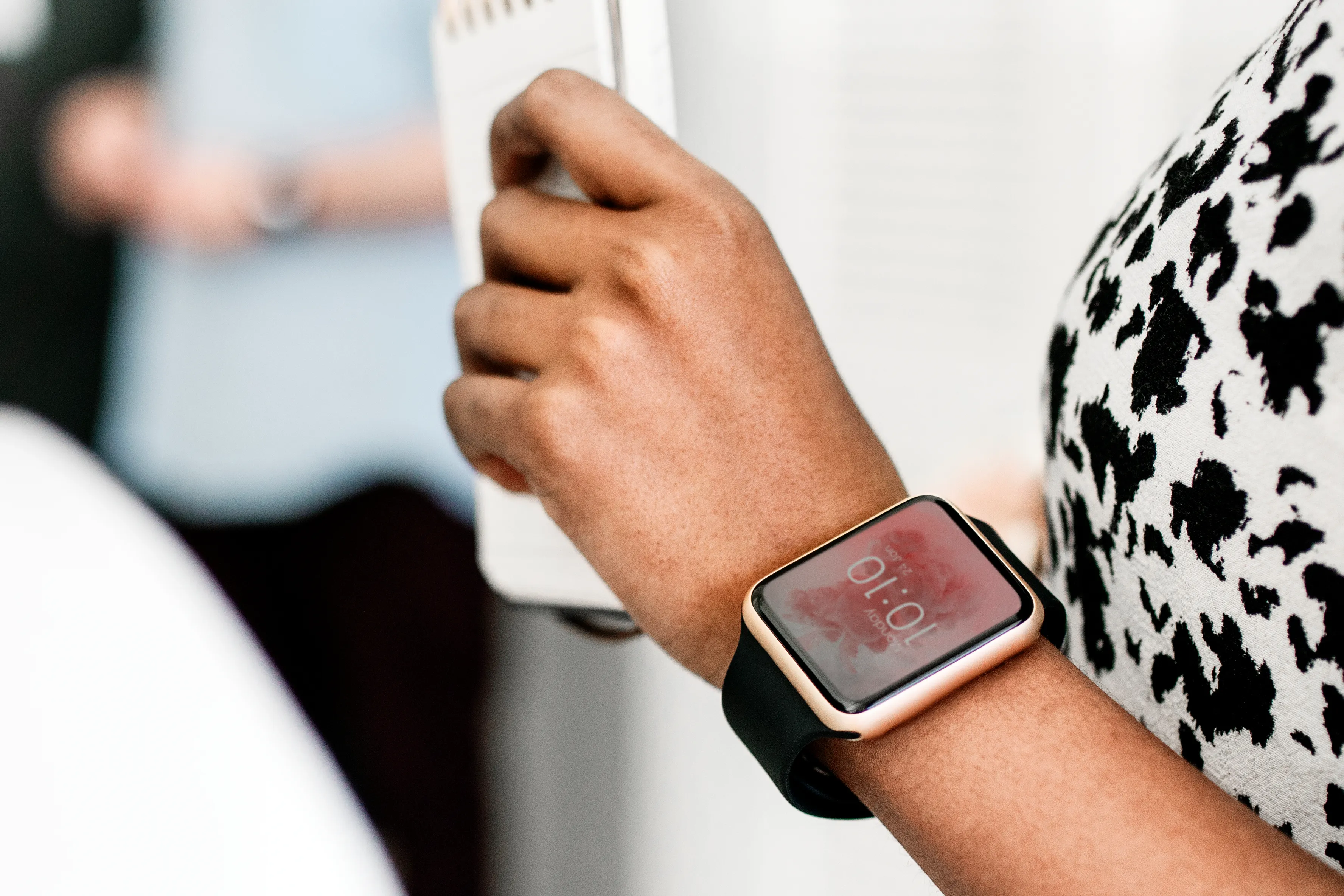
The smartwatch wars got a lot more interesting in 2025, and while Apple managed to maintain its crown, the competition is heating up in ways that should make Tim Cook pay attention. Sure, Cupertino still captured nearly one in four global smartwatch shipments, but here's the thing—the global smartwatch market experienced a notable turnaround, with shipments rebounding 4% year-over-year, marking a recovery from the previous year's decline.
What's really fascinating is that while Apple finally secured its first shipment growth since 2022, that 8% expansion was actually overshadowed by Huawei's explosive 30% growth and Xiaomi's solid 18% improvement. This premium shift isn't just about bragging rights—the average selling price rising 5% as buyers moved toward premium, feature-rich options signals that consumers are finally willing to pay more for meaningful innovation rather than settling for incremental updates.
Apple's comeback strategy: when refresh cycles actually work
Let's break down what made Apple's 2025 resurgence possible after years of stagnation. The company executed something that's become increasingly rare in tech—a comprehensive portfolio overhaul that actually addressed multiple market segments simultaneously. Apple launched the Watch Series 11, Ultra 3, and SE 3, creating options that spanned from affordable to ultra-premium price points.
But here's what really mattered: the technological upgrades were substantial, not just cosmetic refreshes. We're talking about series-wide introduction of 5G RedCap support, hypertension notifications, and satellite connectivity in the Ultra 3. More importantly, these features directly addressed the pain points that had kept potential upgraders on the sidelines—connectivity independence, advanced health monitoring, and emergency capabilities that actually work when you need them most.
The strategic brilliance becomes clear when you consider the timing. Consumers who had been delaying purchases in anticipation of a substantially improved smartwatch finally had compelling options available, and Apple caught this wave perfectly. The three new models making significant impact on global shipment scores and appearing likely to maintain popularity into early 2026 suggests this wasn't just pent-up demand—it was Apple successfully raising the innovation bar across the entire industry.
The competitive landscape: Huawei's strategic offensive
Now here's where things get really interesting for Apple's long-term prospects. While Apple was celebrating its return to growth, Huawei was executing a masterclass in market expansion that extends far beyond simple sales figures. Huawei achieved a remarkable 42% surge in Q3 2025 sales, boosting its market share to 18%—a five-percentage-point gain from the previous year.
What makes Huawei's approach particularly threatening is how they're leveraging regional dominance to build global momentum. China led the global rebound with strong demand for domestic brands, and the region accounted for 31% of global shipments, fueled by growing demand for Huawei, Xiaomi, and Imoo devices. This isn't just about patriotic buying—it's about Chinese brands delivering compelling alternatives that challenge Apple's ecosystem lock-in.
The numbers tell a story of sustained competitive pressure that Apple can't afford to ignore. Analysts are predicting that Huawei and Xiaomi will continue inching closer to Apple's leading 23% market share over the coming quarters. When you combine Huawei's 18% share with Xiaomi's 9%, that's 27% of the market controlled by two Chinese brands that are growing faster than Apple and aren't constrained by the same ecosystem dependencies.
Beyond cellular: the connectivity revolution
The smartwatch industry underwent a fundamental shift in 2025 that represents more than just feature evolution—it's the beginning of true device independence. Shipments of cellular-enabled smartwatches increased 6% year-over-year, driven by advanced health monitoring and emergency SOS capabilities that made them more attractive to mainstream users.
Apple played a pivotal role in accelerating this transition, with both Apple and Xiaomi strengthening their cellular portfolios, while Apple's introduction of 5G support is expected to accelerate industry-wide adoption. But the real paradigm shift came with satellite connectivity.
Here's why this matters more than typical feature additions: Google, Garmin, and Apple all introduced satellite features, reflecting the industry's move toward truly standalone devices. Imagine being able to call for help from the middle of nowhere, or staying connected during natural disasters when cell towers are down. This isn't just about convenience—it's about fundamentally redefining what a smartwatch can be when it's no longer tethered to your phone or even terrestrial networks.
The strategic implications are profound. For the first time, smartwatches are becoming genuinely independent computing devices rather than smartphone accessories. This shift could potentially weaken one of Apple's strongest competitive advantages—the seamless integration between iPhone and Apple Watch.
What this means for Apple's ecosystem strategy
Bottom line: Apple's 2025 performance demonstrates both the power of comprehensive product refreshes and the growing intensity of global competition. While Apple is likely to retain its top position for another year, the company can't afford to rest on its ecosystem advantages alone.
The market dynamics have fundamentally shifted. Consumers are increasingly willing to invest in premium, technologically advanced devices, but they're evaluating these devices on their standalone merits rather than just ecosystem integration. When smartwatches can function independently with satellite connectivity and advanced health monitoring, the iPhone's gravitational pull becomes less decisive in purchase decisions.
Here's what's particularly intriguing for the industry's future: the Apple Watch Ultra 3's satellite connectivity will likely inspire many 2026 devices to support similar features. This suggests we're entering an era where Apple's technological leadership window is shrinking—innovations that once took competitors years to match are now being replicated within months.
For Apple ecosystem enthusiasts, this competitive pressure is actually good news. It ensures continued innovation and prevents the kind of feature stagnation that plagued the smartwatch category in recent years. The question now is whether Apple can maintain its innovation pace while competitors like Huawei continue to gain ground with aggressive growth strategies and compelling alternatives that challenge the very notion of ecosystem dependency.
PRO TIP: If you're considering a smartwatch upgrade in 2026, expect to see satellite connectivity become a standard feature across premium devices, not just Apple's Ultra model. The competitive pressure from Huawei and others is forcing the entire industry to accelerate innovation timelines.


Comments
Be the first, drop a comment!