





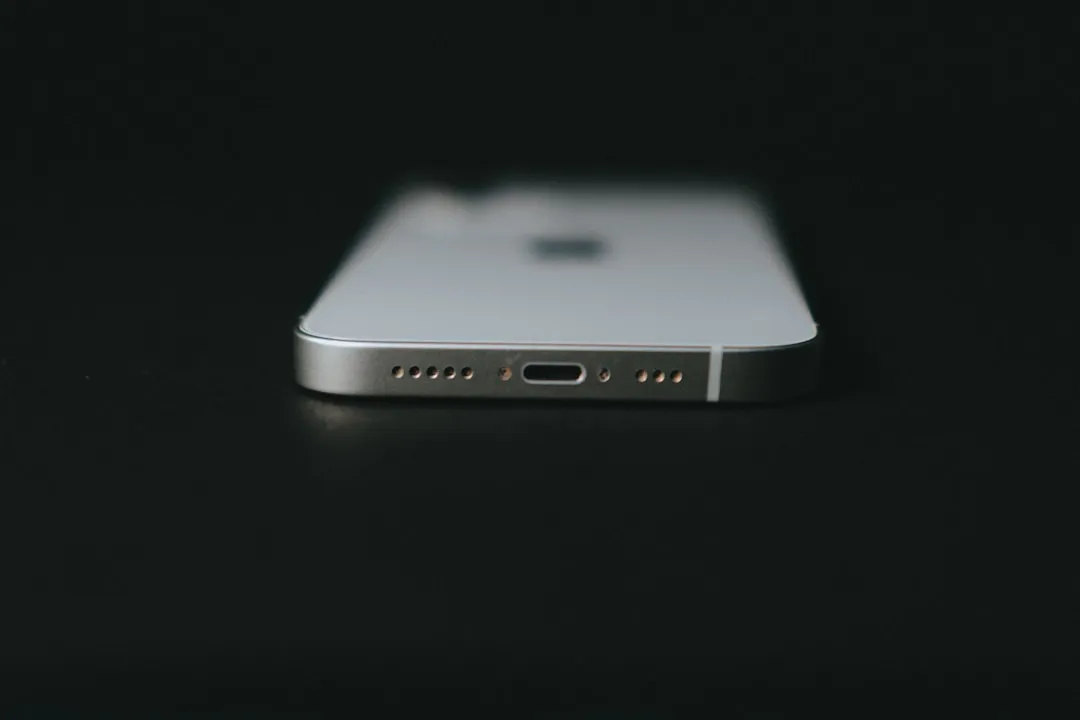
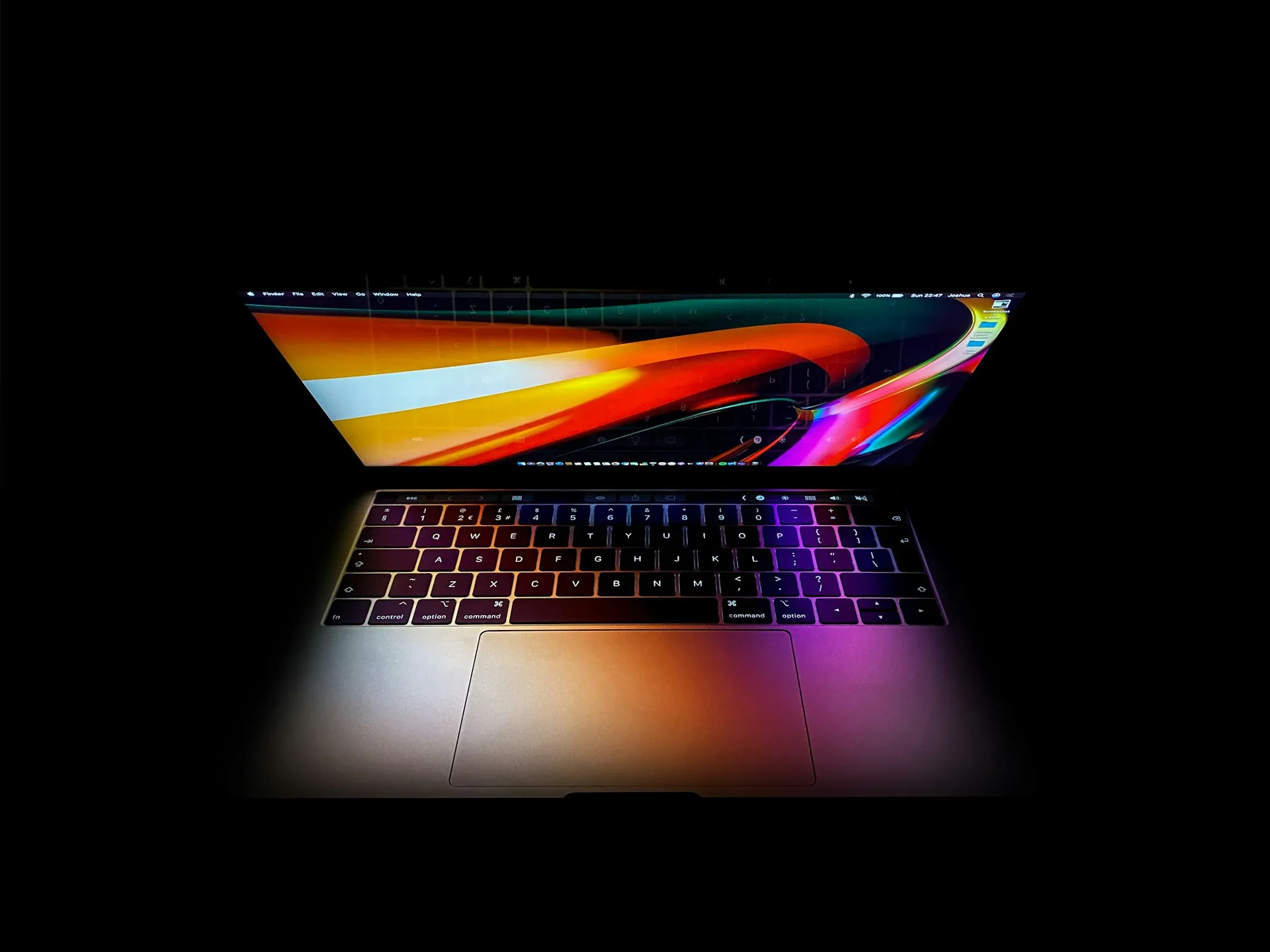
Apple just made a move that's got everyone talking: they've officially announced the MacBook Neo, a $599 laptop powered by the A18 Pro chip that originally debuted in the iPhone 16 Pro. This marks the one of the first Macs to use an iPhone-derived A-series chip instead of M-series processors, and the MacBook Neo represents Apple's most affordable laptop ever. The company claims it delivers up to 50% faster performance than popular Intel Core Ultra 5 systems for everyday tasks, while offering up to Apple highlights improved AI performance via its Neural Engine and double the speed for photo editing. But here's what makes this really interesting: we're looking at a fundamental shift in how Apple approaches computing power and pricing.
What makes the A18 Pro powerful enough for a laptop?
The A18 Pro isn't just any mobile chip—it's a serious piece of silicon that's been proving itself since its iPhone debut. Built on TSMC's advanced second-generation 3nm process, this processor delivers performance that rivals traditional laptop chips. Early benchmark results show the A18 Pro achieving single-core scores around 3,601 and multi-core performance near 9,388 in Geekbench 6, according to analysis from Oreate AI.
What's remarkable is how close this gets to Apple's M2 chip performance. The performance approaches lower-end M-series chips in some tasks when tested on a 15-inch MacBook Air. In some benchmark comparisons, the A18 Pro actually matches M1 performance levels and even exceeds them in specific tasks. The thermal efficiency is equally impressive—while the A18 Pro runs at just 12W TDP, the M2 requires 20W for operation, making it perfect for fanless laptop designs.
The architecture here is what's truly compelling: a 6-core CPU with 2 performance cores and 4 efficiency cores, plus a 6-core GPU and 16-core Neural Engine. This isn't some stripped-down mobile processor trying to play in the laptop league—it's essentially desktop-class performance engineered for efficiency. When you consider that this chip handles everything from 4K video editing on the iPhone 16 Pro to demanding AI workloads, putting it in a laptop with superior thermal management and more space for sustained performance makes perfect sense.
How does this change Apple's laptop pricing strategy?
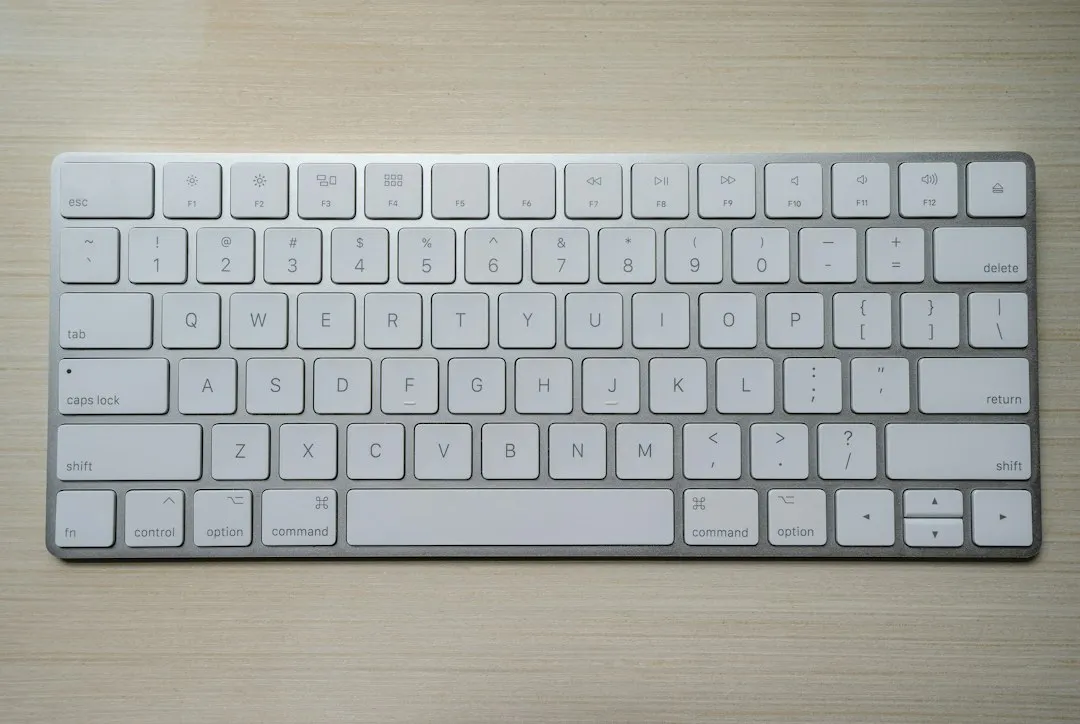
The MacBook Neo's $599 starting price represents a seismic shift in Apple's approach to affordable computing. Education customers can snag it for just $499, making it incredibly competitive with Chromebooks and budget Windows laptops. The base configuration includes 256GB storage with the Magic Keyboard, while a $699 version bumps storage to 512GB and adds Touch ID functionality.
This pricing strategy puts the MacBook Neo in direct competition with devices like the iPad Air, which starts at $799 but uses more powerful M-series processors. As MacRumors points out, the closest iPad comparison would be the iPad mini with A17 Pro at $499. Apple's aggressive pricing here suggests they're serious about capturing market share in the budget laptop space, potentially converting users from Windows and Chrome OS ecosystems.
Here's the strategic brilliance: by using an A-series chip instead of an M-series processor, Apple can maintain healthy margins while hitting that crucial sub-$600 price point. This opens up entirely new market segments that Apple has historically struggled to penetrate. The company clearly sees an opportunity in the sub-$1000 laptop market, where they've had limited presence. Apple aims to sell between 5-7 million units in 2026, indicating they expect significant demand at this price point—that's not a small test run, that's a major product category launch.
What can you actually do with an A18 Pro MacBook?
Don't let the iPhone chip fool you—this thing is surprisingly capable. The MacBook Neo can handle any task that an iPhone 16 Pro can manage, which includes everything from document editing and web browsing to light video editing and photo processing. It'll run Apple Intelligence features seamlessly and can even handle apps like Final Cut Pro, though export speeds won't match higher-end Macs.
For everyday computing tasks, this delivers more than enough power. We're talking about web browsing with dozens of tabs open, streaming 4K video, working in Microsoft Office or Apple's productivity suite, and even creative work in apps like GarageBand or iMovie. Tasks like browsing the web, watching videos, creating documents, editing photos, and even light video editing would be no problem. The key here is understanding what "light" means—you can definitely edit 4K footage, but rendering times will be longer than with an M3 MacBook Pro.
Gaming is where things get interesting. The system can play all iPad and iPhone games, including Apple Arcade titles, but don't expect it to handle demanding AAA games at high settings. For most casual gaming and the growing library of mobile games optimized for Apple silicon, you'll be in good shape.
Battery life should be exceptional thanks to the chip's efficiency. The A18 Pro's low power consumption in a 13-inch chassis could deliver MacBook Air-level battery life or better, potentially matching the Air's impressive 18-hour video playback or 15-hour web browsing endurance. The fanless design also means silent operation, making it perfect for libraries, meetings, or anywhere noise matters.
Bottom line: this isn't a machine for professional video editors or software developers working on large codebases. But for students, writers, casual users, and anyone who primarily lives in web browsers and productivity apps, the performance should feel remarkably snappy.
Where does this fit in the bigger picture?
Apple's decision to put iPhone silicon in a MacBook represents more than just cost-cutting—it's a strategic play for ecosystem integration and market expansion. The MacBook Neo also boasts impressive environmental credentials, featuring 60% recycled materials, including 90% recycled aluminum and 100% recycled cobalt in the battery, making it Apple's most environmentally friendly Mac.
The timing is perfect for students and budget-conscious users who need full macOS capabilities without the premium price. Preorders began in early March 2026, with availability starting March 11, 2026, the MacBook Neo fills a crucial gap in Apple's lineup between the iPad and MacBook Air.
This move also demonstrates how powerful mobile processors have become. When a smartphone chip can legitimately power a laptop for most users' needs, it shows just how far ARM-based computing has evolved. Think about it—five years ago, the idea of running full macOS on an iPhone processor would have seemed absurd. Now it's not just possible, it's compelling.
What's particularly clever is how this creates a natural upgrade path within Apple's ecosystem. Someone might start with a MacBook Neo for basic computing needs, then move up to a MacBook Air or Pro as their requirements grow. Meanwhile, the shared A-series architecture means apps and workflows will transfer seamlessly between devices.
The MacBook Neo might just be the beginning of Apple's broader strategy to blur the lines between mobile and desktop computing power. As mobile chips continue to get more powerful and efficient, we might see this approach expand to other product categories. It's a fascinating glimpse into a future where the line between phone, tablet, and laptop processors becomes increasingly meaningless.
Here's the bottom line: Apple has created something genuinely new—a full-featured laptop at Chromebook prices that runs the same software as their premium machines. Whether it succeeds will depend on execution and user acceptance, but the potential to reshape the budget computing landscape is definitely there.









Comments
Be the first, drop a comment!