



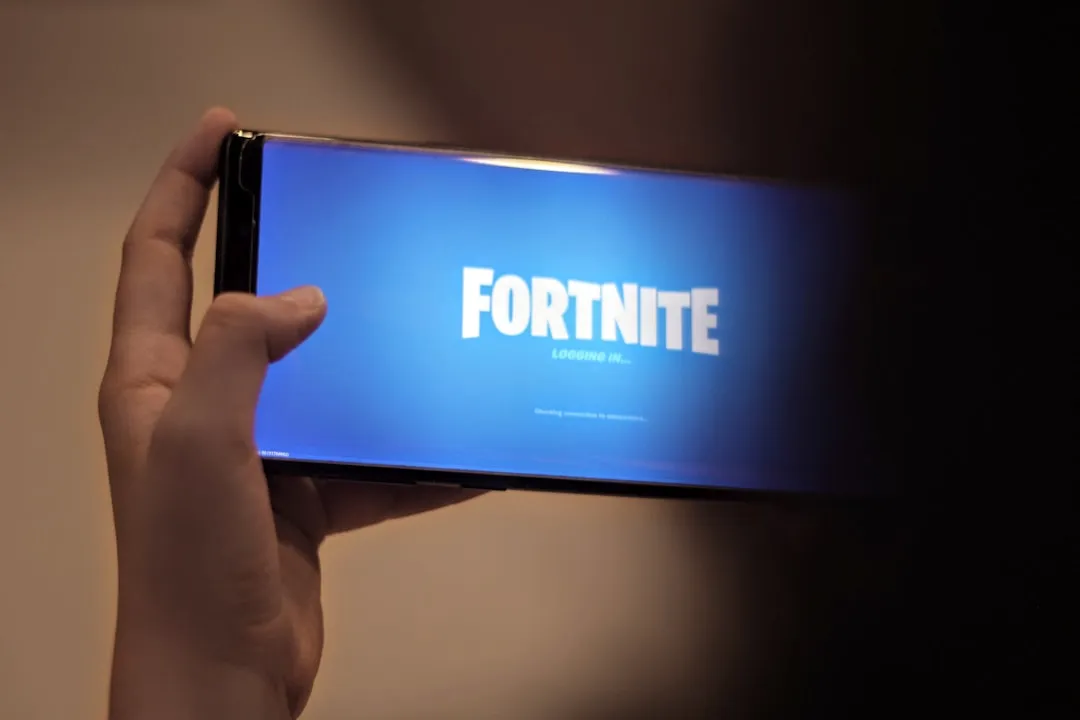
Fortnite is back on iPhone globally, and the legal fight that made it possible isn't over. Apple is currently barred from collecting any commission on purchases routed through external payment links in iOS apps, a condition that remains in effect after the U.S. Supreme Court declined to pause the Epic Games case earlier this month, sending it back to the district court to determine what Apple can lawfully charge on transactions it no longer processes. The outcome will affect every developer using outbound links to steer users toward an outside checkout.
Justice Elena Kagan, acting on behalf of the Court, declined to pause a Ninth Circuit ruling that had found Apple in contempt in the Epic lawsuit, 9to5Mac reported. The case now returns to Judge Yvonne Gonzalez Rogers in the Northern District of California to answer the question that has been deferred through years of appeals: what commission rate, if any, can Apple charge on linked-out purchases it no longer processes.
Until the district court sets a new rate, that number is zero.
What the current ruling means for developers and users
The Ninth Circuit reversed an earlier order that had let Apple pause proceedings while it pursued Supreme Court review. The court found Apple had "failed to show good cause to sustain our prior stay order" and had not demonstrated that returning to the district court would cause irreparable harm.
That ruling swept away the 27% commission Apple had been charging on purchases completed through external links. Apple introduced that fee after the 2021 injunction, arguing the original ruling said nothing about whether such charges were permitted. Courts later determined Apple had deliberately added a "prohibitive" fee to the very mechanism the injunction was designed to enable.
The stakes look different depending on where you sit. Developers with apps moving real transaction volume, subscriptions, digital goods, and gaming currently pay zero commission on external links, but face uncertainty once a rate is set. The gap between 0%, 27%, and some lower court-approved figure is the difference between a workable external payment flow and one that erases the economic rationale for using it.
Apple, barred from collecting those commissions until a new rate is approved, enters a remand process with significant document disclosure requirements attached. Users may eventually see pricing effects, though the final outcome will determine whether, and how much, Apple can charge on purchases made outside its U.S. App Store, TechCrunch noted.
All of it is temporary. The district court will set the final rate, and that ruling could itself be appealed.
How Apple got here: a timeline of miscalculation
The dispute started in 2020, when Epic deliberately activated a direct payment option inside Fortnite, bypassing Apple's in-app purchase system in violation of App Store policy, a calculated move designed to force a legal confrontation.
Judge Gonzalez Rogers' 2021 ruling largely sided with Apple on antitrust grounds, accepting that iOS's closed design provided real safety benefits and was not broadly anticompetitive. One narrow injunction survived: Apple could not prohibit developers from adding buttons, external links, or calls to action directing users to outside purchasing options.
Apple's compliance became the case's next crisis. Courts found the company had deliberately failed to follow that order, including by adding a fee that functioned as a prohibitive charge on the very mechanism the injunction was meant to enable. The court characterized Apple's approach as a "gross miscalculation" of what compliance required.
In December 2025, the Ninth Circuit delivered a mixed ruling: Apple had violated the injunction, but retained the right to charge something reasonable for its platform infrastructure. The specific rate went back to the district court. That contempt finding is essential context for what comes next. Judge Gonzalez Rogers isn't reviewing a neutral first attempt at compliance; she's scrutinizing Apple's conduct after the company was found to have deliberately undermined a court order.
The fee proposal schedule and why a ruling could slip to late 2026
"Apple's delaying tactics have come to an end!" Epic CEO Tim Sweeney posted on X three weeks ago, framing the remand as the decisive stage of a six-year campaign. The joint schedule both sides filed last week shows what that stage actually looks like in practice.
Apple has 45 days from the schedule's start to submit a formal proffer, a good-faith proposal backed by evidence specifying what commission it believes is justified on linked-out purchases, up to 30 pages in length. Within ten days of that filing, Apple must hand Epic all non-privileged internal documents that informed the proposal. Epic can then designate up to 10% of any privileged materials for third-party review, AppleInsider reported.
Epic then has 60 days from the later of Apple's proffer or document production to file its own evidence-backed response. Apple gets a final 30 days to reply. Only after that exchange can the court schedule a status conference or further proceedings.
If both sides run out the clock at every stage, roughly 150 days pass before the court convenes again, meaning the zero-commission interim could hold well into late 2026. Apple is also preparing a formal petition asking the Supreme Court to review the case, a separate track that could extend proceedings beyond any district court ruling.
The timeline to watch: Apple's fee proffer due around late June, Epic's evidentiary response around late August, Apple's reply around late September, with a possible status conference in October or November 2026. All of that runs alongside the separate Supreme Court petition.
The same pattern, across jurisdictions
The Epic case is the most prominent instance of a dynamic that has appeared in multiple markets: Apple resisting demands to allow payments outside its system, or facing pressure to justify fees that courts and regulators found don't correspond to services actually rendered.
Under the Digital Markets Act pressure, Apple started allowing third-party app stores on iOS in the EU in 2024. A year later, it became one of the first companies fined under the DMA, alongside Meta, with the European Commission citing requirements it described as "overly strict" and a revised fee structure regulators found non-compliant.
In the Netherlands, Apple racked up tens of millions in fines after resisting third-party payment requirements for dating apps in 2022. A separate U.S. Department of Justice antitrust suit targeting iOS practices, filed in 2024, is still moving toward trial.
Epic's wins in U.S. courts, while real, fall well short of its original ambitions. The 2021 ruling rejected the company's push for third-party app stores and fully open in-app payment competition on iOS. One estimate puts Epic's total legal spend at more than a billion dollars for what AppleInsider described as "rather small victories."
What Judge Gonzalez Rogers decides about the rate will tell every developer building an external checkout whether linking out is a genuine alternative to Apple's in-app purchase system or just a technical option with a price that makes it pointless.






Comments
Be the first, drop a comment!