




HomePod 2 at Two Years: What Apple's Silence Means for Your Smart Home Investment
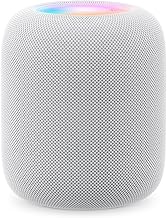
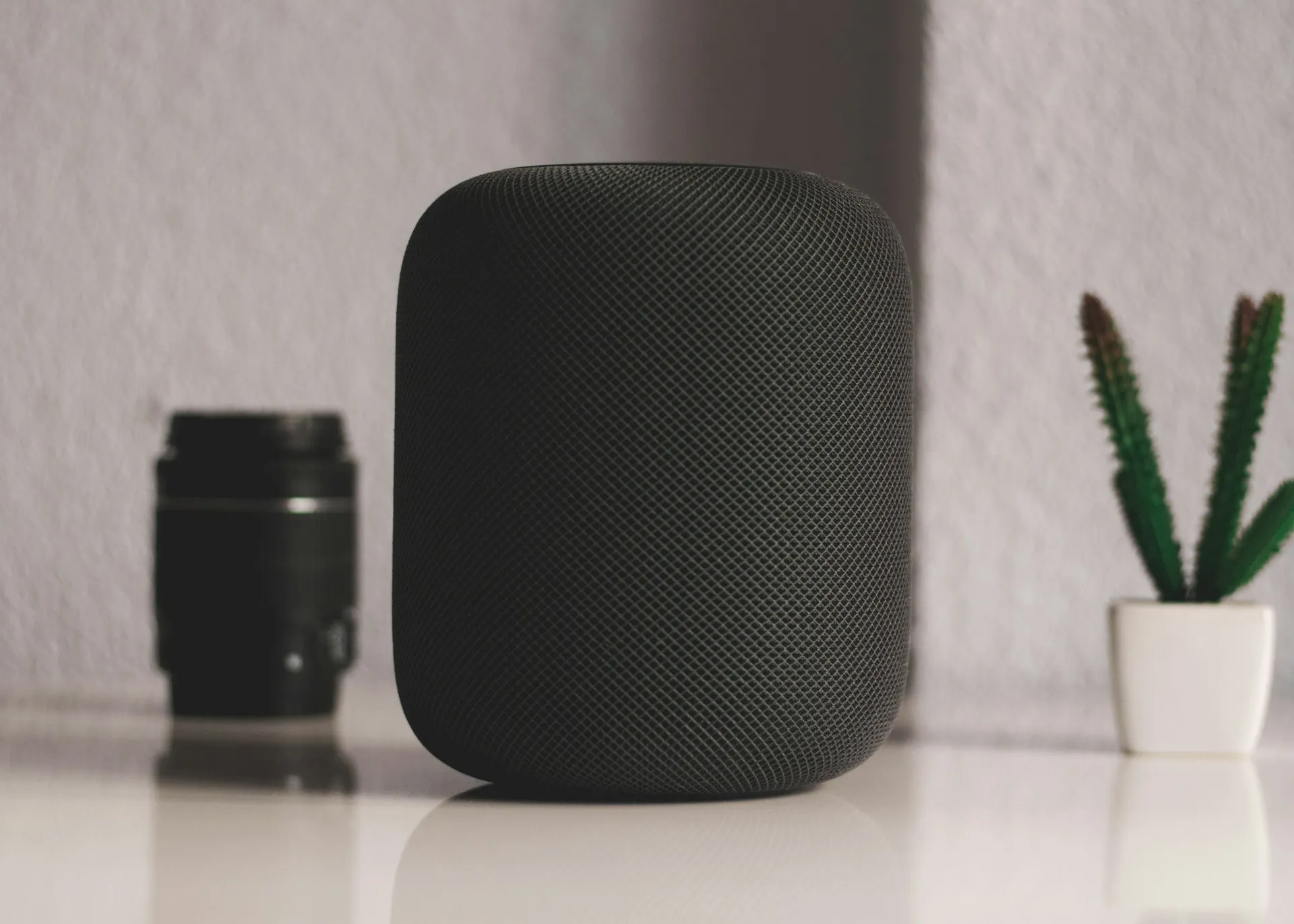
The HomePod 2 launched in February 2023 as Apple's return to the full-sized smart speaker market, arriving roughly two years after the original HomePod was discontinued in March 2021. At the time, the $299 speaker represented Apple's renewed commitment to premium audio in the smart home space. But now, nearly two years into its lifecycle, the HomePod 2 sits in an unusual position: no refresh rumors, no successor whispers, and increasingly stiff competition from Amazon's Echo Studio (which received spatial audio improvements in 2023) and Sonos's Era 300 (launched March 2023 with advanced spatial capabilities).
Reports indicate that Apple appears to be shifting its smart home focus toward different product categories entirely, including displays with smart home functionality and robotic devices. This pivot toward displays and robotics suggests Apple views voice-only interfaces as insufficient for comprehensive smart home control—a lesson Amazon learned after adding screens to its Echo lineup in 2017, with the Echo Show now representing a substantial portion of Amazon's smart home strategy. For anyone invested in Apple's ecosystem—or considering a HomePod purchase today—understanding where this speaker stands in Apple's broader smart home vision has never been more critical.
Where does HomePod 2 fit in Apple's evolving smart home strategy?
The lack of news about a HomePod 3 doesn't appear to be accidental. Reports suggest Apple is working on a wall-mounted smart home display, hinting at a possible shift in how the company approaches home control and entertainment. Rather than iterating on standalone speakers, Apple appears to be embracing multi-function devices that combine screens, cameras, and voice control—the wall-mounted display's expected March 2025 launch would give it video calling capabilities HomePod lacks, a feature that became essential during pandemic-era remote work and remains a key differentiator for Amazon's Echo Show lineup.
Industry reports suggest Apple is also exploring robotic home devices for potential future release. The HomePod 2, then, might represent the final iteration of Apple's dedicated speaker line rather than a stepping stone to HomePod 3—a conclusion that reframes every purchasing decision potential buyers make today about this device.
This strategic repositioning reflects broader market realities where consumers increasingly expect their smart home devices to serve multiple functions simultaneously. The data tells the story: Industry research suggests households with smart displays tend to control more connected devices than voice-only speaker owners, demonstrating how visual interfaces drive deeper smart home engagement and broader ecosystem adoption. Apple's apparent shift toward display-based hubs acknowledges what Amazon and Google discovered through years of product evolution—voice control works beautifully for simple commands like playing music or setting timers, but managing complex smart home ecosystems demands visual feedback and touch interfaces.
How does two years of age affect HomePod 2's competitive position?
In the fast-moving smart home market, even two years represents a significant aging curve for any connected device. The HomePod 2's launch specifications, while impressive in early 2023, now face pressure from competitors that have added enhanced features, improved voice assistants, and better integration with emerging smart home standards during this same window.
The device's $299 price point positions it as a premium offering—$100 more than the Echo Studio ($199) and $150 above the Nest Audio ($149). Without hardware updates to justify that premium over time, value perception naturally erodes, especially when sales frequently drop competitors into the $99-149 range during promotional periods. Amazon's Echo Studio, for instance, launched in 2019 but received a significant update in 2023 with improved spatial audio processing, while Google's Nest Audio added Thread support through a 2023 firmware update—bringing features the HomePod 2 launched with but hasn't improved upon.
Let's break down what this static feature set means in practice. The HomePod 2 supports Thread 1.1 specifications, which provide solid mesh networking for smart home devices. However, newer thread implementations offer enhanced multi-hop networking that improves reliability across larger homes—particularly important in 2,500+ square foot spaces where signal strength becomes critical. The HomePod 2's Matter support covers the initial 1.0 specification but lacks the expanded device categories added in Matter 1.2, including air quality sensors and robotic vacuums that are increasingly common in modern smart home setups.
The computational gap matters too. The HomePod 2 runs Apple's S7 chip, the same processor found in Apple Watch Series 7, which provides sufficient power for current Siri functions. However, it lacks the processing capabilities required for on-device natural language processing that would enable faster responses and better privacy—features that require the newer neural engine architectures found in Apple's latest chips. Amazon's AZ2 Neural Edge processor in the latest Echo devices, by comparison, was specifically designed for local machine learning tasks, giving those speakers an architectural advantage for future AI-powered features.
Bottom line: while the HomePod 2's audio quality remains exceptional by most accounts, its static feature set increasingly positions it as a pure speaker rather than an evolving smart home platform. In a market where competitors add capabilities through both hardware refreshes and meaningful software updates, standing still for two years risks creating a widening gap between premium pricing and competitive positioning.
What should potential buyers consider right now?
For anyone eyeing a HomePod 2 purchase today, the calculus involves weighing current capabilities against an uncertain upgrade path. Here's what you need to know: The speaker's February 2023 launch means it's already delivered nearly two years of service to early adopters without signs of obsolescence, suggesting Apple's software support remains solid even without hardware updates. Apple's track record shows the original HomePod received updates for four-plus years post-launch, and the HomePod 2 benefits from the same S7 chip found in Apple Watch Series 7, suggesting similar longevity. Recent iOS 18.3 updates added enhanced Siri voice recognition and improved home automation routines to existing HomePods, demonstrating ongoing software investment.
However, the absence of any HomePod 3 rumors combined with Apple's apparent focus on display-based smart home products creates genuine uncertainty about the speaker line's future altogether. This uncertainty directly impacts the value proposition of a purchase made today.
Pro tip: If audio quality and seamless Apple ecosystem integration are your primary needs, the HomePod 2 still delivers exceptional value—especially if you can find it on sale below the $299 list price. Apple typically discounts HomePods by $50-80 during holiday periods, and third-party retailers like Best Buy have offered it at $249. For multi-room audio, consider whether two HomePod minis ($99 each as a stereo pair) might serve your needs while reserving budget for upcoming display products. But if you're betting on this device as a long-term smart home hub that will receive regular hardware upgrades, Apple's current trajectory suggests that role may shift to upcoming display products instead.
The key consideration isn't whether the HomePod 2 remains a capable device—it absolutely does—but rather whether it represents the best entry point into Apple's smart home future. Imagine this scenario: you buy a HomePod 2 today, and six months from now Apple releases a smart display with comparable audio quality, a screen, camera capabilities, and tighter smart home integration—all for a similar or slightly higher price. With display-based hubs launching as soon as March 2025, that scenario isn't speculation—it's a genuine risk calculation that affects purchasing decisions today. Those upcoming products will likely incorporate speaker functionality alongside visual interfaces and broader smart home control capabilities, potentially offering better value for ecosystem investment.
Where does Apple's smart home vision go from here?
The HomePod 2's extended lifecycle without replacement signals more than just product line stagnation—it reveals Apple's recalibrated approach to the entire smart home category. The company's reported development of wall-mounted displays suggests a future where smart home control centers on visual interfaces rather than voice-only interactions, acknowledging what Amazon and Google learned years ago through measurable user behavior: consumers want to see their smart home, not just talk to it. Amazon has previously said Echo Show users engage with their devices more frequently than Echo speaker owners, with visual interfaces driving smart home adoption beyond early adopters into mainstream households.
Apple's late entry into this category means learning from these established patterns. The March 2025 timeline for the first smart display means we'll soon see concrete evidence of this strategic shift. The key question becomes interoperability: will the display serve as a hub that enhances HomePod 2 functionality through hand-off features and coordinated audio-visual experiences, or will it represent a complete platform replacement? Apple's track record with product ecosystems suggests the former—HomePod 2 could become the premium audio component in a larger system, similar to how Apple TV integrates with HomePods for spatial audio, rather than becoming obsolete overnight.
Apple's exploration of robotic devices for home use pushes even further into uncharted territory, potentially combining mobility with the stationary control hubs that dominate today's market. This suggests Apple's smart home ambitions extend well beyond incremental improvements to existing product categories—the company appears to be reimagining what smart home devices can be rather than simply iterating on what they've been.
This evolution doesn't diminish what the HomePod 2 accomplishes as a speaker—it simply acknowledges that Apple's ambitions have expanded beyond audio-first devices. The smart home market has matured past the point where standalone speakers can serve as comprehensive control centers, and Apple appears ready to meet that reality with products designed from the ground up for multi-modal interaction.
For the HomePod 2, this means a likely future as a specialized audio accessory within Apple's ecosystem rather than the centerpiece of its smart home strategy. This repositioning actually aligns with how serious audio enthusiasts use the device today—paired with Apple TV for home theater, or as stereo pairs for music-focused rooms. The upcoming display products will likely handle smart home control and communication, while HomePod 2 continues delivering what it does best: exceptional audio quality within Apple's ecosystem. That specialization might ultimately extend its relevance rather than diminish it, transforming the HomePod 2 from a standalone smart home hub into a premium audio component within a more comprehensive system that combines visual control, voice interaction, and reference-quality sound. Whether that makes it more or less appealing depends entirely on what you're looking for in your Apple ecosystem today.





Comments
Be the first, drop a comment!