



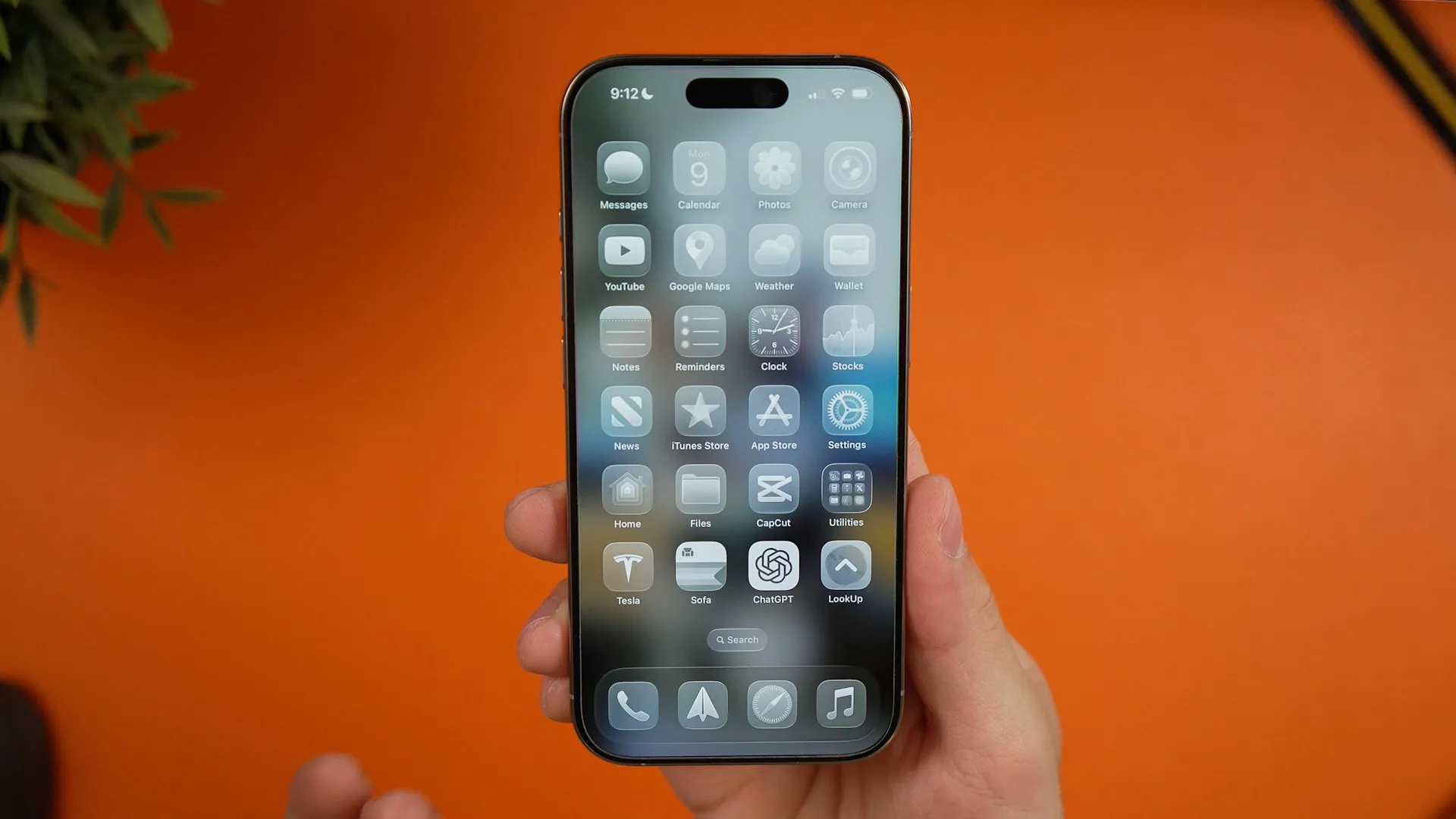
Apple highlighted Spatial Reframing at WWDC26, while multiple outlets also reported new or upgraded Photos tools, including Extend and Clean Up. Apple's announcement confirms Apple Intelligence now powers image editing in Photos; the specific tool lineup beyond Spatial Reframing comes from third-party reporting.
The distinction matters. Some of these reported tools don't just clean up what's already in the frame; they generate image content that was never there. That's a different product category, and the question of whether it works reliably is more consequential than any feature count.
What Apple confirmed, what's reported, and what remains unclear
Confirmed by Apple
Spatial Reframing is the clearest Photos feature Apple highlighted by name in the materials reviewed here. Apple's newsroom describes it as a way to improve a photo's composition after capture. Apple also confirmed that the next-generation Apple Intelligence platform powers image editing in Photos broadly, rolling out this fall on supported devices set to a supported language across iOS 27, iPadOS 27, macOS 27, watchOS 27, and visionOS 27.
Credibly reported by multiple outlets
Three additional tools, Extend, Reframe, and an upgraded Clean Up, were reported. One naming question remains open: whether "Reframe" and "Spatial Reframing" are two names for the same tool or two distinct features isn't clear from Apple's official materials.
Extend is the most consequential of the reported tools. It generates new image content beyond the original frame outpainting, in practical terms. A close-up of a landmark could be expanded to show surrounding scenery; a building cropped at the bottom could be filled in below. Users control the expansion by dragging image edges with their fingers, according to The Seattle Times, with processing typically taking a few seconds.
Reframe lets users change a photo's angle or zoom out after capture. It is designed primarily for spatial photos, Apple's 3D image format for Vision Pro, rather than standard iPhone shots.
The upgraded Clean Up is built on more capable AI models that handle object removal in significantly more complex scenes than the current version.
A fourth tool, Enhance, would apply automatic AI improvements to color, lighting, and overall image quality. The Seattle Times reported it as part of a dedicated "Apple Intelligence Tools" section inside Photos alongside Extend, Reframe, and Clean Up. It does not appear in Apple's official WWDC26 materials.
Still uncertain
Natural-language photo editing, where users request specific changes by typing or speaking, such as cropping or adjusting colors, was reported as under development. However, it may not ship with the first iOS 27 release, and the WWDC announcement doesn't mention it. Treat it as a future addition at best.
The two issues that matter more than the feature list
Output reliability: a track record worth examining
When Clean Up launched in 2024, Apple described it as a tool that could identify and remove distracting background objects without accidentally altering the subject, per the Apple IE newsroom. Users found the reality messier.
Since its debut, Clean Up has drawn complaints for leaving behind artifacts, distorting surrounding image areas, and filling removed sections with plausible-looking but wrong details. That gap between stated capability and real-world performance is the lens through which the new tools deserve to be evaluated.
The new tools were not arriving from a position of internal confidence. People familiar with Extend and Reframe said that neither feature was performing reliably in testing, and that Apple could delay or scale back either one depending on improvements to the underlying models before launch. WWDC26 coverage indicates Apple is moving ahead with AI photo-editing features, but the official materials reviewed here do not resolve whether the earlier-reported quality issues were fixed.
The stakes are higher here than they were with Clean Up. A slightly wrong background fill is annoying. A convincing hillside or building facade generated by Extend content that looks photographic because it came out of the same app as the rest of the image is harder to spot and easier to treat as real.
When tools like that ship in a default app, output quality stops being a product review concern. It becomes a question of what people can reasonably trust when they look at a photo. Apple has not said whether images edited with Extend or Reframe will carry any metadata or label indicating AI-generated content was added.
Processing and privacy: an unresolved split
There is a direct conflict in the available reporting on where these tools actually run. The Seattle Times reported six weeks ago that the features use on-device AI models. 9to5Mac reported that when saving a Reframe edit, the image is sent to a cloud server for processing.
The two accounts aren't necessarily incompatible; different tools may route differently, or initial processing may stay local while final rendering goes to the cloud. But Apple has not publicly explained which tasks stay on-device, which go to the cloud, or what privacy protections cover images that leave the device. For a company that has made privacy a core part of its brand, the absence of any public explanation on this point is worth noting.
Apple is catching up, and the fall release will show whether it has
Apple is playing catch-up in AI photo editing, with Android competitors as the reference point. Google's Pixel line and Samsung's Galaxy AI have offered generative editing capabilities for some time. Until recently, Apple's Photos app had one AI editing tool against those rivals.
What WWDC26 signals, if the reported feature set ships as described, is a move from corrective editing to generative editing. Removing a stranger from a photo is a cleanup job. Synthesizing new scenery beyond the original frame is a different kind of product decision, and Apple appears to have made it.
Apple Intelligence is the infrastructure underneath all of it, rolling out this fall per Apple's announcement. Apple said access requires a supported device set to a supported language; it did not detail photo-tool-specific hardware or language requirements in the announcement.
Three questions will determine whether this is a genuine catch-up moment or another capable-looking feature set that underdelivers. Whether Extend produces results that hold up in ordinary photos, not just controlled demos. Whether Apple clarifies the on-device versus cloud processing split before public release. Whether Enhance ships in the initial version officially. Natural-language photo editing should be treated as a future addition at best. The fall beta cycle is where those answers start to emerge.








Comments
Be the first, drop a comment!