



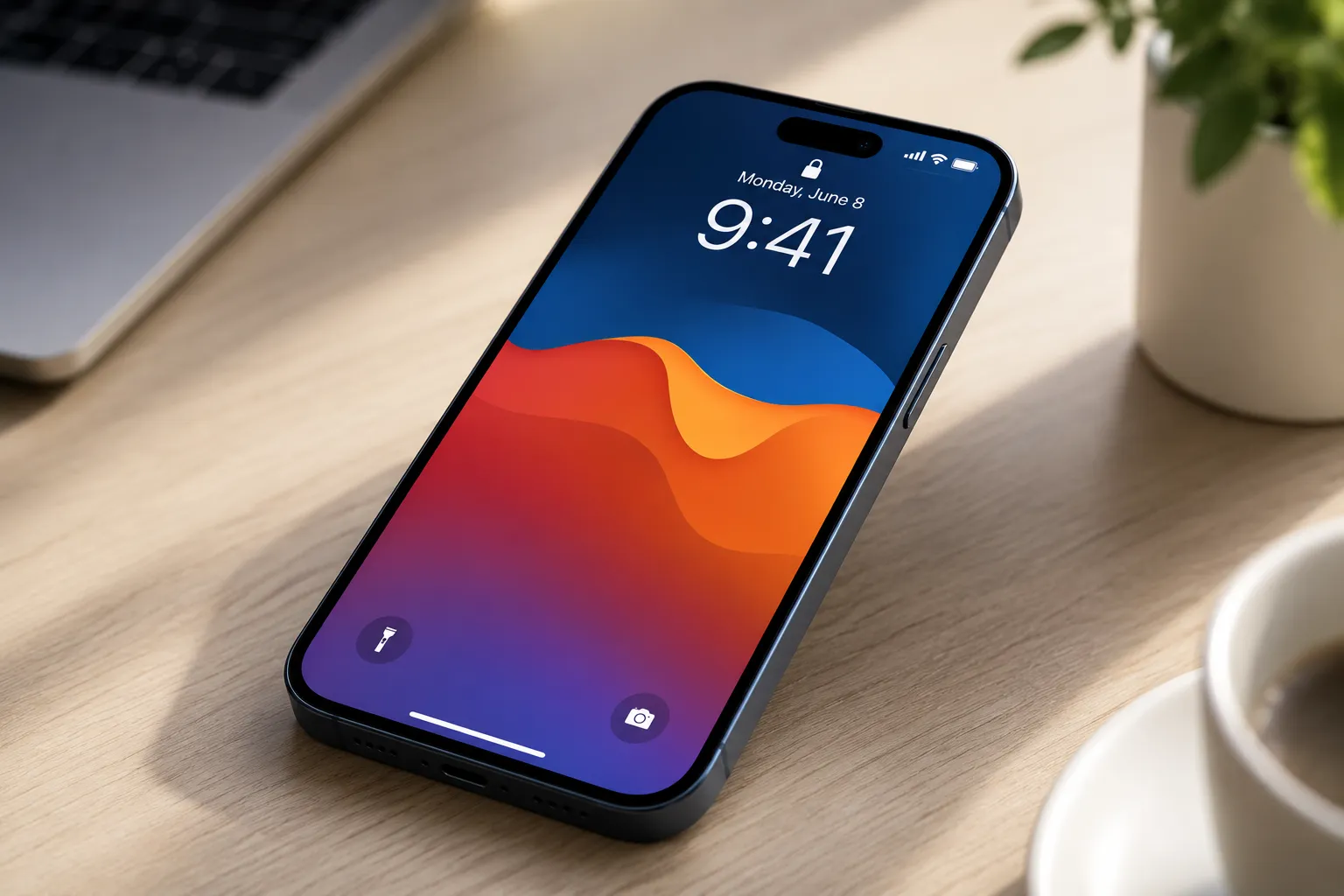
Apple is reportedly preparing to open its AI infrastructure to outside competition. iOS 27 would let users choose from multiple third-party AI models, including Google's Gemini and Anthropic's Claude, to power system features like Siri, Writing Tools, and Image Playground, 9to5Mac reported on May 5, 2026, citing Bloomberg. Visible additions like the reported iOS 27 AI wallpaper generator and natural-language Shortcuts sit on top of something more structural: Apple reportedly loosening its control over the intelligence layer while keeping control of the interface. Apple is expected to preview iOS 27 at WWDC, which begins June 8, but none of these reported features is confirmed until the company announces them. Apple's Siri overhaul has already slipped once, so a keynote demo would not guarantee every feature ships on day one.
The core change: Apple Intelligence as a platform, not a product
The mechanism Apple is reportedly using is called "Extensions." In test builds, the system allows users to "access generative AI capabilities from installed apps on demand, through Apple Intelligence features such as Siri, Writing Tools, Image Playground and more," 9to5Mac reported. Third-party models would reportedly plug in through their App Store apps and become available across supported Apple Intelligence surfaces.
The strategy, as 9to5Mac reported citing Bloomberg, is to turn Apple devices into a "thorough AI platform," with Apple providing the interface layer and multiple providers competing to power what runs beneath it. Google and Anthropic are among the first expected to add Extensions support through their respective apps. The change is reportedly planned for iOS 27, iPadOS 27, and macOS 27, according to Bloomberg sources described as people with knowledge of the matter.
This goes beyond the ChatGPT fallback Apple introduced in iOS 18, which routed only certain world-knowledge queries outward. Extensions would make model selection a persistent, user-controlled preference across the system. The shift changes Apple's AI differentiation from "our model is better" to "our platform integrates every model better," a much more open posture than Apple has taken with Apple Intelligence so far.
The rebuilt Siri: from voice assistant to multimodal interface
Siri is where the Extensions framework becomes a daily user experience. Apple is reportedly testing a standalone Siri app with a chatbot-style conversation view, including pinned threads, session history, and document and image uploads via a "+" button, Bloomberg reported in March. The interface resembles a text thread more than a voice overlay, a significant departure from how Siri has worked for over a decade.
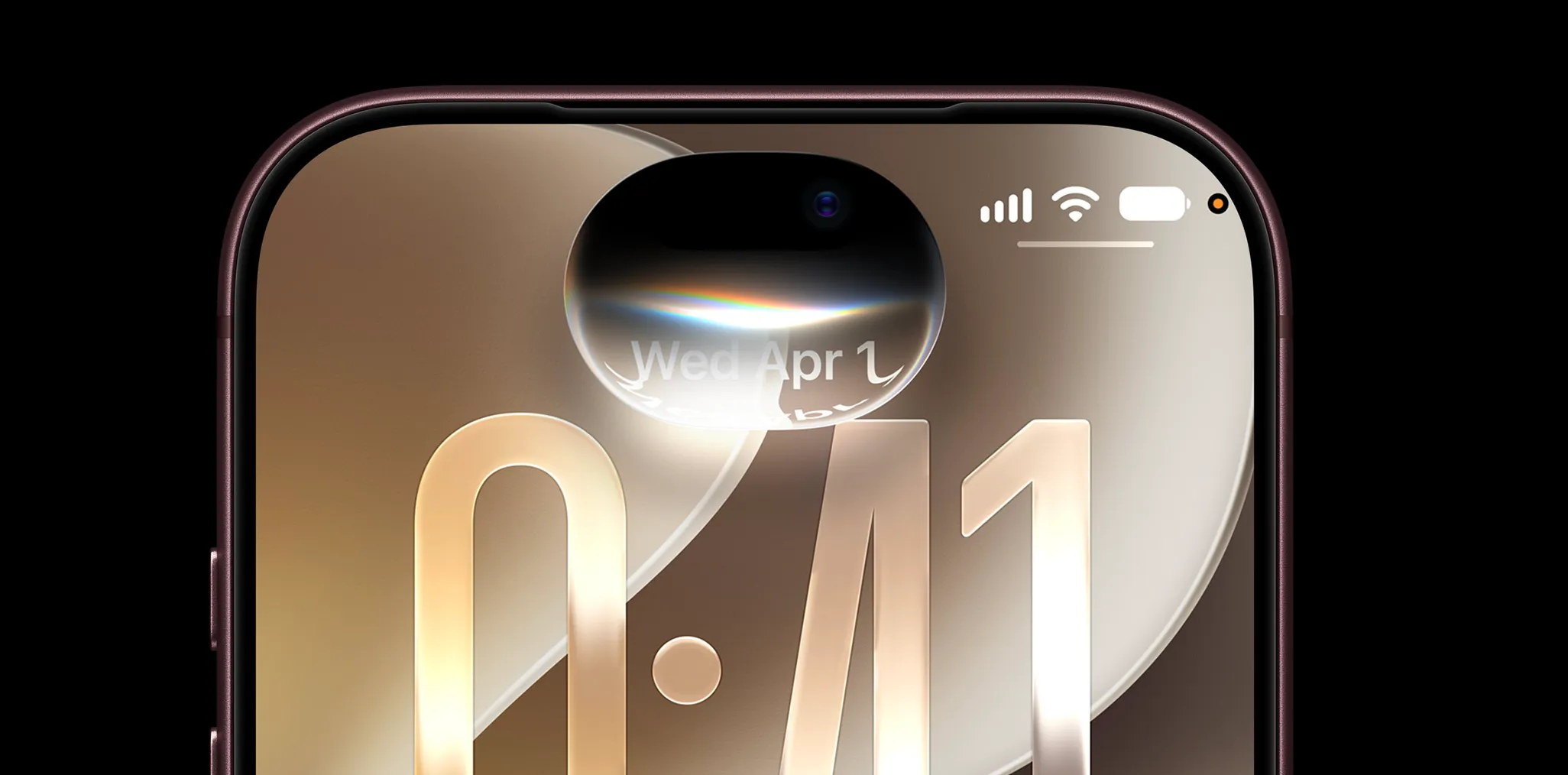
A new system-wide gesture would surface a "Search or Ask" bar in the Dynamic Island when users swipe down from the top center of the screen, 9to5Mac reported in May, citing Bloomberg's Mark Gurman. The bar can show more advanced results and additional data from within apps, and is reachable from the power button or by voice. From there, users can press the search bar to toggle between Siri's native model and alternatives like ChatGPT or Gemini.
The rebuilt Siri is reported to use Google's Gemini as a foundation for more advanced capabilities, with Apple's own models handling lighter queries, Macworld reported earlier in February, citing Gurman. Also carried into iOS 27 from earlier promises: a personal-context layer drawing on calendar, messages, and on-screen content, plus broader cross-app action capabilities, both delayed from earlier releases. The Gemini integration is separate from the Extensions framework; it is a direct integration into Apple Intelligence itself, 9to5Mac noted.
Users may also be able to assign different Siri voices to different AI models, per The Verge. A query handled by Apple's native system could use one voice; a response from Claude could use another, giving an audible signal about which model is active at any moment.
Apple is also reportedly building retention controls into the rebuilt Siri experience. The redesigned assistant may let users choose whether chats are deleted after 30 days, after one year, or kept indefinitely, The Verge reported on May 19, citing Bloomberg. If Apple opens more of the intelligence layer to outside models, those controls could become part of how it distinguishes its AI platform from conventional chatbot apps.
Why the iOS 27 AI wallpaper generator matters less than the platform behind it
Two features show how this infrastructure reaches everyday use. The reported iOS 27 AI wallpaper generator would let users describe what they want and have Image Playground build it on demand, Bloomberg reported, according to MacRumors. Apple is also reportedly testing more lifelike image models for wallpaper generation, meaning the iOS 27 Image Playground wallpaper experience could look noticeably different from the stylized, illustrated output the app currently produces. The result could vary depending on whether a user is generating a wallpaper or a fun image for a message.
The Shortcuts app would get a more fundamental rethink. Opening it would present a plain-English prompt: "What do you want your shortcut to do?" Describe the workflow, and iOS would reportedly build and install it automatically, according to Bloomberg reporting summarized by MacRumors and Gadgets360. Shortcuts has been technically capable since its introduction but rarely used by most iPhone owners. iOS 27 natural-language Shortcuts creation is the most direct attempt Apple has made to change that dynamic.
These two features sit at opposite ends of the novelty-versus-depth spectrum. Custom wallpapers are immediately legible to any iPhone user. Natural-language Shortcuts could be transformative for the majority of users who have never opened the app. What they share is the same underlying logic: AI as a reduction of friction on things that already existed. That is where the gap between impressive demo and useful daily tool tends to close, or not.
The execution problem Apple still has to solve
The platform ambition in this reporting is real. So is the pattern that precedes it.
In February 2026, Macworld reported that Siri's overhaul had "run into snags," with reliability problems pushing features originally planned for iOS 26.4 into iOS 26.5 and then iOS 27, Macworld reported in February, citing Gurman. The update was found to not always process queries correctly, or to take too long to respond. Expanded app intents, Siri's ability to take actions inside third-party apps, were in testing for iOS 26.5 but "don't function reliably in all cases," per Macworld. Apple first previewed that broader personal-context and app-action vision for Siri in 2024, but the most capable version has yet to arrive.
Given the delays, "it's hard to have confidence that important planned features won't be delayed further," Macworld noted. Bloomberg and 9to5Mac reporting from March and May now points back toward a June 8 reveal. A WWDC demo and a reliable shipping feature are not the same thing.
Extensions, the rebuilt Siri, and the personal-context layer could all land as described. They could also arrive the way Apple's AI features have repeatedly arrived: promising on stage, incomplete at launch, quietly finished in point updates months later.
What WWDC still has to answer
The most consequential open questions are architectural. Which devices will support Extensions and the new Siri? Does AI processing run on-device, in Apple's cloud infrastructure, or through the third-party providers' own servers? How is third-party model access structured, opt-in per model, set once globally, or adjustable feature by feature? The current reporting, which runs heavily through a single Bloomberg source chain, leaves all of that open, 9to5Mac noted.
June 8 should answer those questions. Until then, iOS 27 looks like Apple's most coherent AI strategy yet, one that trades the ambition of building a winning model for the more defensible position of building the best platform to run all of them. Whether the execution matches the architecture is a question that won't be answerable until software ships.









Comments
Be the first, drop a comment!