



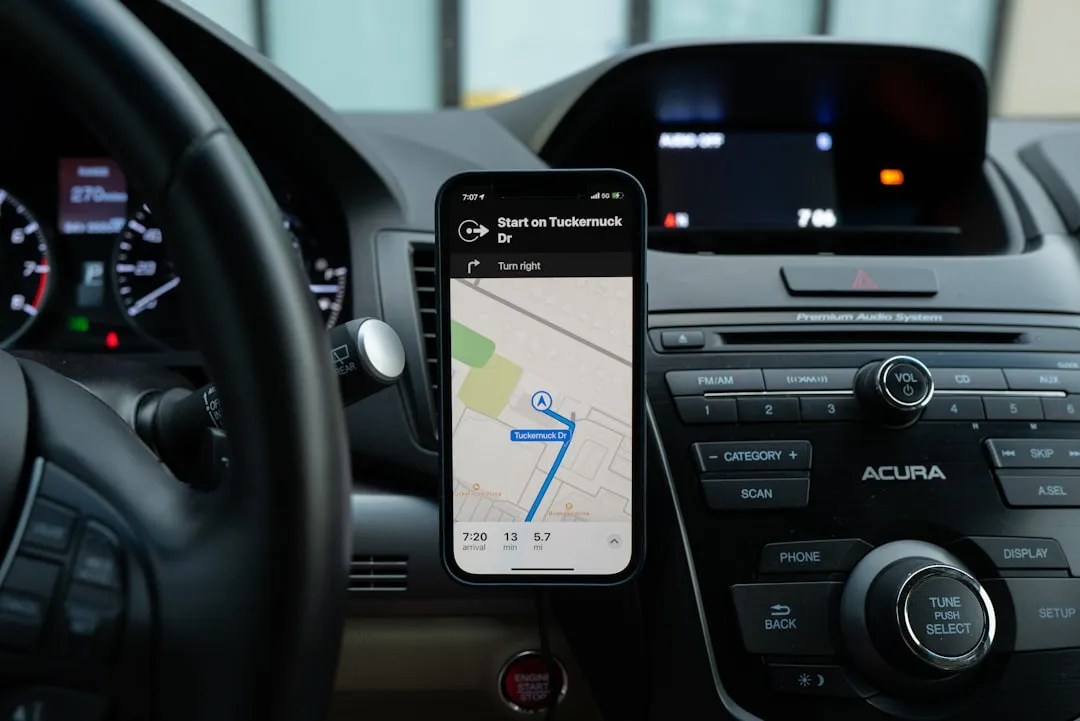
When iOS 27 ships this fall, most drivers won't be watching video on their CarPlay screen. Apple formally introduced video apps as a supported CarPlay category at WWDC 2026 this week, completing a gradual platform shift that began when Apple first signaled parked-only video support at WWDC 2025.
The catch is the same one it's always been: the feature only works in vehicles where the manufacturer has explicitly certified AirPlay video integration into the infotainment system, and as of this week, no automaker has publicly committed to doing so.
Apple controls the software. The car companies control whether it ever runs.
What Apple actually announced, and what it didn't
The announcement is a genuine platform milestone. With iOS 27, developers can now build native CarPlay video apps that let users browse and launch content directly from the dashboard interface without touching their phone. AirPlay-compatible iPhone apps can also cast video to a compatible vehicle display through the standard AirPlay menu. Those are two meaningfully different paths, and the distinction matters for what drivers can actually expect at launch.
What Apple did not announce: which video apps will support the new CarPlay category when iOS 27 ships, or whether a CarPlay-specific Apple TV app is coming. Beta source code and simulator testing pointed toward Apple TV integration, but those were developer artifacts. Apple hasn't confirmed a shipping product.
This isn't the first time Apple has moved toward CarPlay video. Apple signaled AirPlay video support for CarPlay during the iOS 26 cycle. The WWDC 2026 session formalized video as a full CarPlay app category and gave developers the tools to build for it. That's what's new.
The automaker bottleneck
Here's where the feature stalls. Apple's developer documentation instructs automakers to "integrate support for CarPlay with AirPlay video" before the feature will function in their vehicles, a certification process governed by Apple's MFi Program. An iOS update alone cannot bridge that gap. The decision sits entirely with the manufacturer, on the manufacturer's timeline.
No automaker has publicly announced support. As of last month, the closest anyone had seen to CarPlay video working outside a developer context was Apple's Mac-based CarPlay Simulator, a testing tool. Despite Apple technically permitting parked-car video since iOS 26, the feature "doesn't really seem to exist in the real world."
For current owners, that gap is the practical reality. The feature may reach newer vehicles if manufacturers choose to certify it, but there's no announced schedule and no public signal from the auto industry that certification is imminent. Drivers buying a new car shouldn't assume CarPlay video support is included without a direct answer from the manufacturer about that specific model year.
How iOS 27 CarPlay video apps actually work
Two paths get video onto the dashboard, and they have different implications for app availability.
The simpler path uses AirPlay. Open a video in any AirPlay-compatible iPhone app, tap the AirPlay icon, select the car's display, and playback moves to the screen. This works with any app that already supports AirPlay video streaming, no new CarPlay app required from the developer.
The second path is what's new in iOS 27: native CarPlay video apps with built-in browsing and search, operated entirely from the dashboard interface. Simulator testing showed the CarPlay interface converting into a standard video player when content plays, with controls including pause, rewind, and ten-second skip. The AirPlay path doesn't require a dedicated CarPlay app from developers; the native app path does. That distinction will shape which services show up at launch and which don't.
Safety constraints apply to both. As soon as the vehicle shifts into drive, the video cuts out entirely. This is a hard system restriction, not a preference users can override. Apple still describes CarPlay as "the smarter, safer way to use your iPhone in the car" in the same developer documentation that introduces video, and the parked-only rule is how Apple holds that position while adding an entertainment feature.
The rest of iOS 27's CarPlay updates
Video gets the headline, but it's not the only change.
A more personal and intelligent version of Siri arrives in CarPlay with iOS 27, limited to iPhone 15 Pro or newer. Apple's demo example: ask Siri which trailhead a friend recommended and get the answer on the spot, without touching the phone. This is the same Apple Intelligence hardware gate that applies across iOS 27; users on qualifying devices get it automatically.
iOS 27 also expands CarPlay's reach into native vehicle settings. Separately, CarPlay Ultra can surface deeper vehicle functions in supported cars, including climate controls and vehicle data such as tire pressure, but that is not the same as standard CarPlay video support.
Two new app categories arrive as well: voice-based conversational apps join the supported CarPlay lineup alongside video. Apple also introduced a persistent audio MiniPlayer, list interface enhancements, and a redesigned voice control presentation. These are practical interface improvements that don't carry the automaker dependency, and they should be less dependent on automaker AirPlay-video certification, though app and vehicle support may still affect what users see.
What September actually delivers
iOS 27 developer beta launched this week. Public beta follows in July, and the software reaches compatible iPhones in September. The Siri upgrade and UI improvements arrive with that update for supported hardware; deeper vehicle controls remain tied to CarPlay Ultra and participating vehicles.
The open questions heading into fall are significant. Which automakers will certify support, and on what timeline? Will certification be limited to new models, or could it reach vehicles already on the road through a software update? Will Apple ship a first-party Apple TV experience for CarPlay, or leave that to third-party developers?
Apple has been building toward this across WWDC 2025, iOS 26, and now iOS 27, which points to deliberate platform construction rather than a feature ready for mass adoption in September. The video announcement marks the start of a certification process. How quickly that moves is now up to the car industry.




Comments
Be the first, drop a comment!