



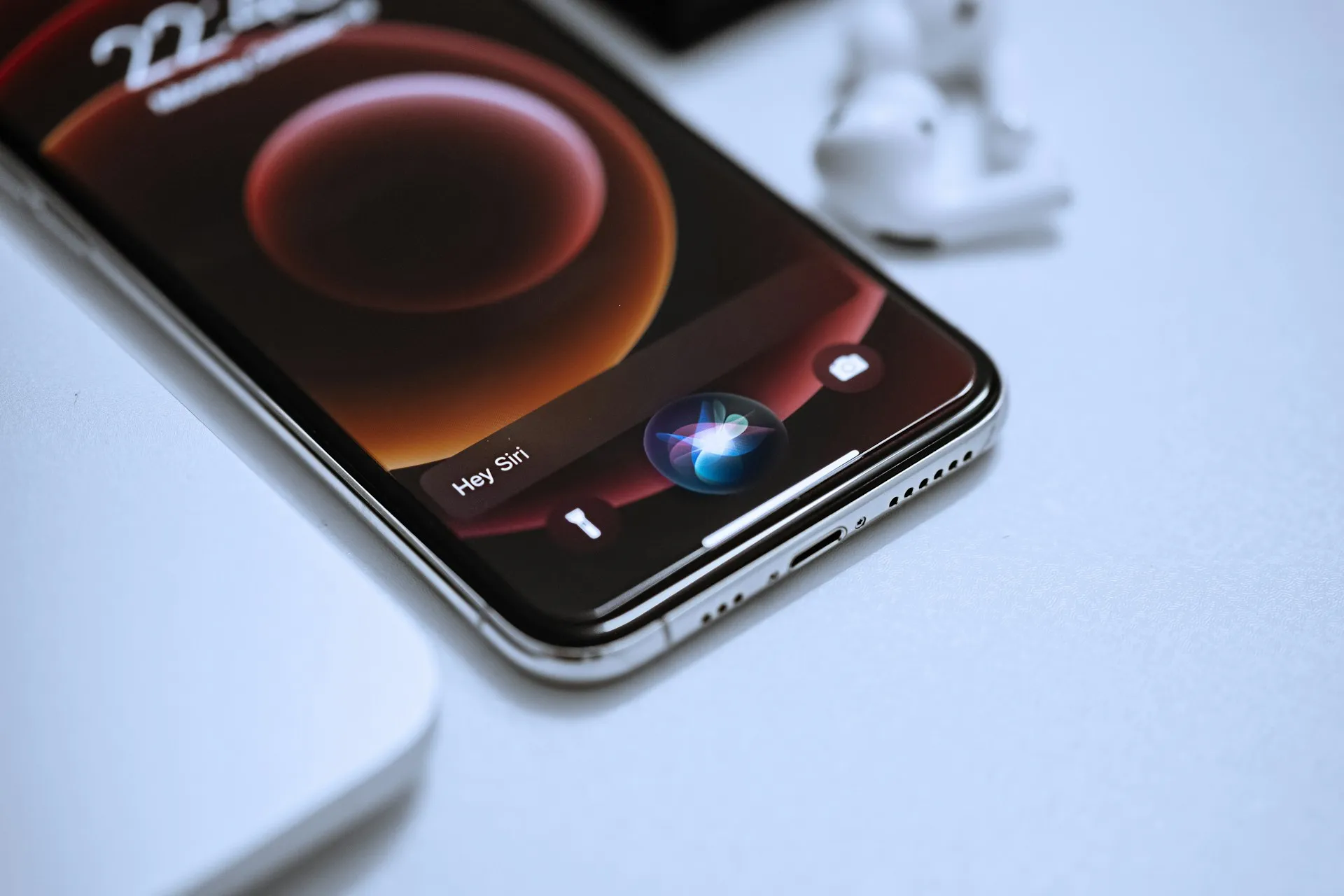
Apple is reportedly building a version of Siri that will remember details from past conversations, read what's on your screen in real time, and pull answers from your texts, emails, and installed apps. That's not a voice assistant upgrade. It's a different product category, with a different set of privacy stakes. Which is exactly why the most telling detail in the pre-WWDC rumor cycle isn't a new AI model or a chatbot interface. It's a retention timer.
The iOS 27 Siri auto-delete feature may give users the option to automatically delete Siri conversations after 30 days, one year, or keep them permanently. That structure mirrors the existing message expiration feature in iMessage. Unlike chatbot platforms that retain conversation histories indefinitely for personalization and model training, Apple is reportedly planning to surface retention controls as a core part of the Siri experience rather than a buried account setting.
That choice only carries weight because of what Siri is reportedly becoming. The iOS 27 redesign could give Siri long-term memory that persists across sessions, not just within a single conversation, along with access to personal data across apps, messages, and email. An assistant who sets timers doesn't need a retention policy. An assistant that knows your health habits, your unread messages, and something you mentioned three weeks ago does.
One caveat belongs here rather than at the end. Apple announced a significantly more capable Siri at WWDC in June 2024. That version still hasn't shipped. Features planned for iOS 26.4 were pushed to iOS 26.5 and then to iOS 27. Everything that follows is reported and rumored, not confirmed. Apple is expected to speak for itself at WWDC this June.
The new Siri app in iOS 27: why the format change matters more than the feature list
The most structurally significant shift in the iOS 27 redesign may be a format change, not a feature. Apple is testing a standalone Siri app and a systemwide "Ask Siri" mode that would work across the operating system, per Bloomberg's newsletter. Today, Siri exists as a fragile pop-up; one accidental tap dismisses it and wipes the conversation permanently. A standalone app would mean persistent, reviewable conversation history. That shift is what makes a retention policy worth having in the first place.
A report also describes Siri gaining a longer context window within sessions and long-term memory that carries information across separate conversations, enough, reportedly, to search old text messages for a podcast a friend mentioned last month and play it on request. A new "Search or Ask" mode would let users shift between traditional search and AI conversation. An expanded App Intents framework would let Siri act inside third-party apps, not just on Apple's own surfaces.
Taken together, this is a Siri that accumulates context over time and uses it to take actions across your phone. The richer that memory becomes, the more consequential the question of how long it's kept, and what governs where it goes.
What Siri conversation history deletion would actually cover
The auto-delete mechanism reportedly being built into iOS 27 addresses conversation history: the visible transcript a user can scroll through and review. Most AI chatbot platforms already offer temporary or incognito chat modes, but these are optional settings users must manually enable. Apple is reportedly making the choice visible at the surface level rather than hiding it.
But a memory-capable AI assistant involves more than conversation transcripts. There is the memory layer itself: what Siri retains about your preferences and context to personalize future responses. There are Apple's own safety logs and analytics. And then there is what happens when a query leaves Apple's infrastructure entirely.
Apple reportedly finalized a deal to use Google's Gemini models earlier this year, after evaluating in-house options and Anthropic's technology. iOS 27 will further open Siri to rival AI assistants beyond the existing ChatGPT integration, potentially including Gemini, Claude, and Perplexity. The moment a query routes to an outside model, Apple's retention rules stop governing what happens to that data. Whether auto-delete applies before or after that handoff, or whether it applies at all to queries processed by third-party infrastructure, is not established in any current reporting.
There is also a distinction the reporting has not resolved. "Integrated into the core experience" and "enabled by default" are not the same thing. Default behavior is what determines outcomes for the majority of users, and whether auto-delete begins active or requires opt-in is a detail Apple has not yet disclosed.
Apple's privacy positioning and why execution is still the open question
Every major AI assistant as of 2026 offers conversational fluency, follow-up handling, and access to powerful underlying models. Apple's argument with the iOS 27 Siri overhaul isn't that Siri will be smarter than Gemini or more capable than ChatGPT. The pitch is more specific: that an assistant that gets more useful the longer you use it can still be one that users feel they control. Privacy as a feature of utility, not just a brand claim.
Apple has spent years positioning privacy as a competitive advantage against ad-driven rivals like Google and Meta, a strategy the company argues improves user trust, though that same caution slowed its AI development relative to OpenAI, Anthropic, and Google. The iOS 27 redesign attempts to apply that positioning to a category where the tradeoff between personalization and data minimization is more direct than anywhere else Apple operates. The reported auto-delete feature, modest as it sounds, fits that pattern: privacy built into how the product works rather than added afterward.
Whether that holds is a question of implementation. Voice-based control of in-app actions, one of the most practically useful features on the roadmap and a clear indicator of Siri becoming a genuine action-taker rather than a search interface, is also one of the features running behind schedule. The version of Siri that makes retention controls meaningful has to exist and ship for the privacy framework around it to matter.
Three questions that will determine whether this amounts to anything
Apple is expected to unveil the new Siri at WWDC, ahead of an iOS 27 launch later in the year. The keynote is where rumor becomes claim, but the specifics to watch are narrower than the feature list.
Are privacy controls on by default? The difference between a setting that exists and one that applies automatically is the difference between a privacy feature and a privacy option. If auto-delete requires users to enable it, it will protect the people least likely to need the reminder and miss the ones who never check settings.
What exactly gets deleted? If auto-delete covers conversation history but not Siri's memory layer, Apple's own logs, or data already routed to Gemini or other third-party models, the feature is considerably narrower than its framing will suggest. Apple should be specific about the scope of each layer.
Which features are actually shipping? The version of Siri that gives auto-delete real significance, the one with cross-session memory, personal data access, and in-app action-taking, has been promised before and has not arrived. Reports also suggest the upgraded assistant could initially launch in beta form. A privacy framework built around capabilities that slip to a later point release isn't a product yet. It's a roadmap.
The question worth carrying past WWDC isn't whether Apple values privacy. That's established. It's whether Apple can make forgetting a feature of a product designed to remember. That's harder to engineer than it sounds, and June will be the first real test of whether Apple has solved it or is still promising to.










Comments
Be the first, drop a comment!