



iOS 27 Siri camera mode: what's reported ahead of WWDC
Apple is reportedly adding a Siri-branded mode directly to the iPhone camera app's mode strip in iOS 27, moving Visual Intelligence out of a hidden hardware gesture and into plain view. According to people familiar with the plans, the iOS 27 Siri camera mode would appear alongside Photo, Video, and Portrait as a named, selectable option, The Star, citing Bloomberg reported today. That shift turns a capability most users have never encountered into one they'll see every time they open the camera.
The software push is timed to arrive alongside the iPhone 18 Pro, which is reported to carry some of the most significant camera hardware upgrades in the product line's history, with a parallel overhaul of AI editing tools across Photos on iPhone, iPad, and Mac. Bloomberg framed that Photos push explicitly as a move to close the gap with Android. Software and hardware arriving together, if the reporting holds.
None of this is confirmed. Every detail here comes from anonymous sources; Apple did not comment. A formal announcement is expected at WWDC on June 8, 2026, with a consumer release planned for this fall. The new camera mode carries the Siri label, while the UI draws on Apple Intelligence visual styling. Apple appears to be positioning Siri as the user-facing name and Apple Intelligence as the underlying platform, though that reading is an inference from the reporting rather than anything Apple has stated.
From hidden gesture to visible mode: what the interface change actually means
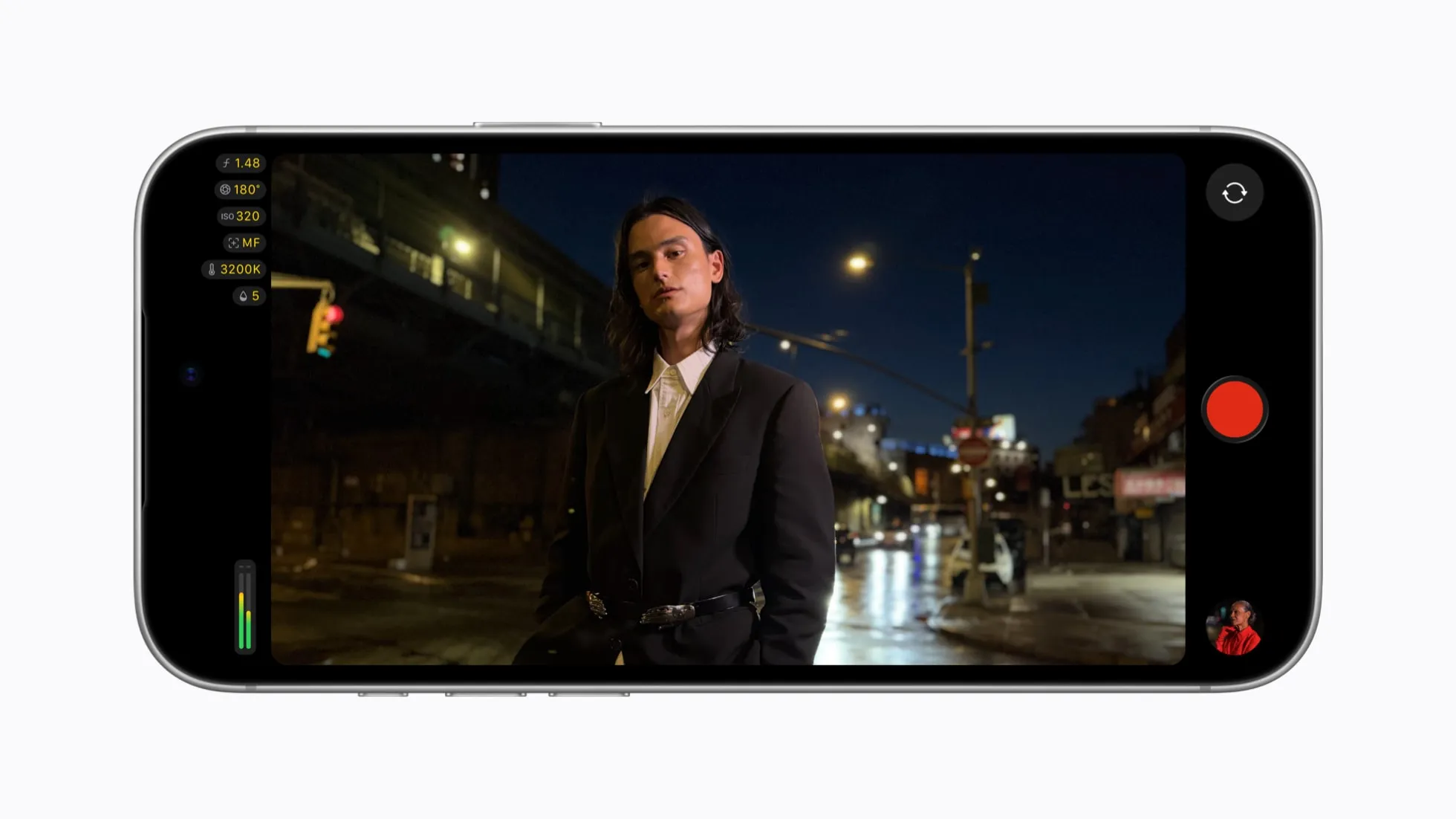
Right now, Visual Intelligence is tied to the Camera Control button, a physical element introduced on the right edge of iPhone 16 models in 2024. The feature is not surfaced as a mode inside the camera app itself. The reported iOS 27 change replaces that buried gesture with a labeled option in the same strip users already swipe through every time they open the camera, The Star, citing Bloomberg reports. That's the before-and-after: a feature requiring a deliberate hardware gesture versus one sitting next to Portrait.
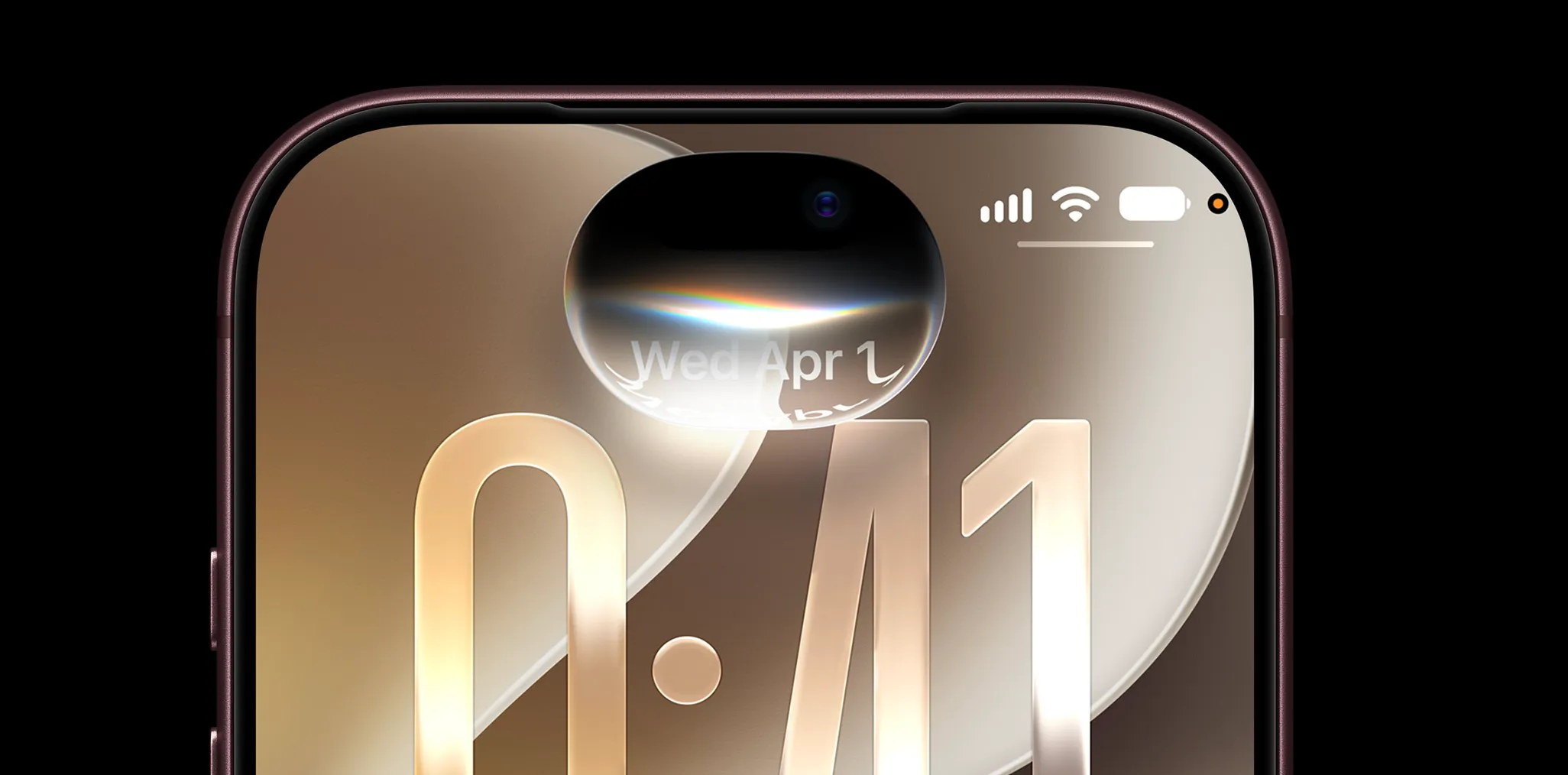
The visual design reinforces the shift. The standard white capture button used in today's Visual Intelligence interface would be replaced by a shutter button styled after the Apple Intelligence logo, the same report notes. Small design choices like that tend to drive adoption; they tell users where they are and what to expect. The Camera Control shortcut would still work, but it would route into this same in-app experience rather than the standalone screen the report describes as currently hard to locate.
Which users qualify is still unreported, and it's the most important unanswered question for reach. Apple has so far limited Apple Intelligence to iPhone 15 Pro or later, all iPhone 16 models, and compatible iPad and Mac hardware, with availability further restricted by language and region, per Apple's own documentation from last year. Whether the new camera mode inherits those same restrictions will determine how many users this overhaul actually touches. A front door only matters if most people can walk through it.
What the iOS 27 Siri camera mode can do and where the privacy story gets complicated
The existing Visual Intelligence already handles structured real-world tasks: turning a concert poster's details into a calendar event, identifying plants and animals, pulling up a business's phone number or menu directly from the camera view, according to The Star, citing Bloomberg. Useful, but narrow.
The iOS 27 version is reported to expand that with first-party capabilities built on Apple's own systems: scanning nutrition labels on food packaging to log dietary data, and capturing contact details directly from whatever the camera sees, the same report says. Both capabilities would stay within Apple's processing framework.
The third-party integrations don't. Users would reportedly be able to point the camera at an object and query it through ChatGPT, or run a Google reverse image search from inside the camera app, The Star, citing Bloomberg reports. That expands what the feature can do significantly, and it sits in direct tension with Apple's stated privacy architecture.
Apple officially positions Apple Intelligence around on-device processing and Private Cloud Compute, a system designed so that cloud requests are fulfilled without Apple storing the user's data, per Apple Newsroom. ChatGPT and Google reverse image search operate entirely outside that framework. The specific questions this raises are not abstract: when a user queries an object through ChatGPT from the camera app, what image data is transmitted, under what terms, and what consent flow does Apple present? The current reporting offers no answers. For a feature designed to point a camera at the world, that's not a background concern it's the central trust question Apple will need to answer clearly at WWDC.
Why Apple's AI camera overhaul extends beyond the camera app
Alongside the camera mode work, Apple is reportedly adding a dedicated "Apple Intelligence Tools" section to the Photos editor across iOS 27, iPadOS 27, and macOS 27, making this a cross-platform AI imaging push, not just a camera interface change on iPhone. The Verge and MacRumors both reported the details two days ago, each citing Bloomberg. Together, the camera mode and the Photos tools form a coordinated strategy: AI at the moment of capture, then AI again in post-processing.
The four reported tools break down as follows:
- Extend generates image content beyond the original frame when adjusting a crop, filling in scenery at the edges
- Enhance automatically applies color and lighting improvements, similar to an upgraded auto-edit function
- Reframe lets users shift the perspective on spatial photos after capture
- Clean Up, Apple's existing object-removal feature, would become a formal part of the suite
The performance baseline here is uncomfortable to ignore. Clean Up fell short of Google's Magic Editor in The Verge's own testing after its debut last year, and MacRumors notes it still trails both Samsung and Google tools when it comes to filling in missing image content. Adding three more AI editing tools doesn't resolve that gap; it raises the stakes.
The same Bloomberg reporting that describes Extend and Reframe also flags that Apple hasn't gotten them working reliably, and both could be delayed or scaled back before release, MacRumors reports. Apple is signaling a direction. Shipping it on schedule and at competitive quality are separate problems.
Three questions that will define whether this is a platform shift or a feature announcement
How far does it reach? Apple has so far limited Apple Intelligence to a subset of the installed base: newer devices, supported languages, specific regions. The new camera mode's eligibility hasn't been reported. A feature positioned as the front door to Apple's visual AI is only as meaningful as its reach, and Apple's past rollouts suggest the initial audience may be narrower than the announcement implies, as Apple's own availability documentation from last year makes clear.
What actually ships? WWDC on June 8 will reveal which features survive from plan to announcement; the fall release will show whether they perform at the level rivals already deliver. Two of the four Photos tools are already flagged as potentially delayed, MacRumors reports. The camera AI push is also arriving alongside Apple's reported effort to improve iOS performance, battery life, and software stability, per The Star, citing Bloomberg, which suggests a broad platform upgrade rather than a single marquee release.
How does Apple explain the privacy model? Apple has built significant competitive positioning around on-device processing and Private Cloud Compute. The reported ChatGPT and Google integrations inside the camera app sit entirely outside that framework. Apple's explanation of what data moves, under what terms, and with what user controls will be among the most closely watched disclosures at WWDC. How Apple handles that question will signal whether the Siri camera mode becomes a credible visual assistant or creates friction with the privacy story Apple has spent years building.





Comments
Be the first, drop a comment!