





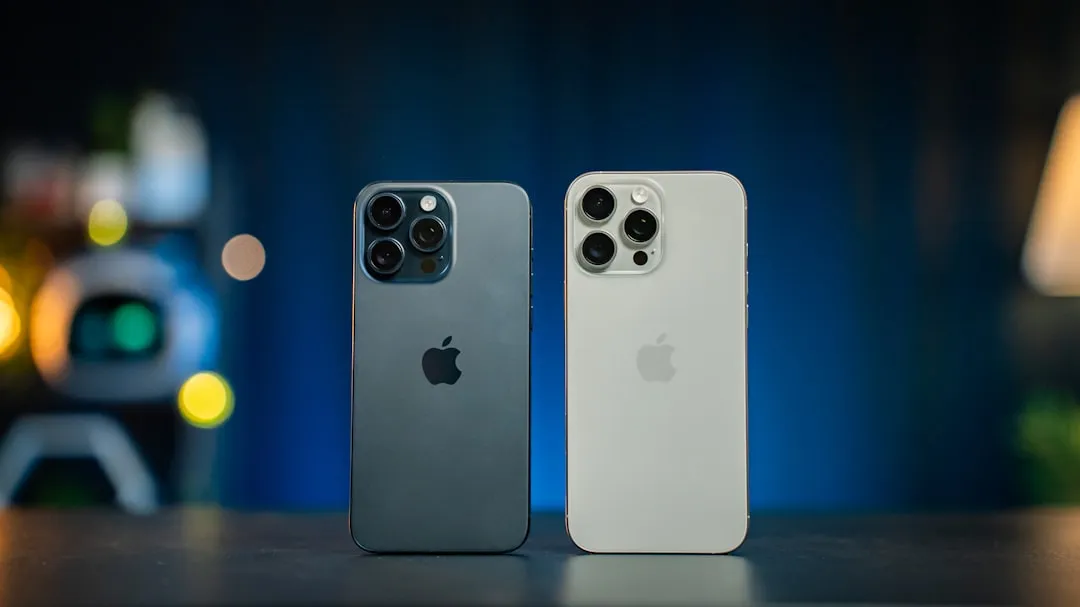
What makes the iPhone 17 Air and Pro models particularly fascinating this year isn't just their individual capabilities—it's how Apple has decided to blur the traditional lines between standard and Pro features. The iPhone 17 Air represents something we haven't seen before: a device that achieves remarkable thinness while packing genuine Pro-level performance under the hood.
Let's break down what makes these two models so compelling and where you might want to make some trade-offs.
The iPhone 17 Air represents a bold new direction for Apple, measuring just 5.6mm thick compared to the standard iPhone 17's 7.9mm profile. But what's really catching attention is how this ultra-slim device won't necessarily mean compromising on performance. Research indicates the Air will pack the same A19 Pro chip found in the Pro models, along with 12GB of RAM according to analyst Ming-Chi Kuo. This represents a significant departure from Apple's usual approach of keeping premium features exclusive to Pro models.
PRO TIP: If you're upgrading from an iPhone 14 or earlier, both models will feel like a massive performance leap thanks to that shared A19 Pro chip and increased RAM.
What makes the A19 Pro chip so compelling?
The heart of both the iPhone 17 Air and Pro models lies in Apple's new A19 Pro processor, and the performance gains look genuinely impressive. Early benchmark results suggest the A19 Pro delivers 13% to 15% faster multi-core CPU performance compared to the A18 Pro in current iPhone 16 Pro models. Even more notable is the GPU performance boost - the full 6-core GPU variant shows up to 40% better performance than its predecessor.
Here's where it gets interesting for the iPhone 17 Air: while it uses a slightly reduced 5-core GPU compared to the Pro's 6-core setup, early testing shows it's still around 15% faster than the current A18 Pro's full GPU. That's impressive performance in such a thin package.
The chip also introduces neural accelerators on each GPU core, providing a 3x gain in peak GPU compute for AI workloads. In real-world terms, this means Apple Intelligence features will run noticeably faster—think quicker photo editing, more responsive Siri interactions, and smoother real-time translation.
What's particularly clever about Apple's approach here is the thermal management strategy. The iPhone 17 Pro benefits from vapor chamber cooling technology that enables sustained peak performance during intensive tasks like video editing or gaming. The Air, meanwhile, relies on the A19 Pro's improved efficiency and smarter thermal algorithms to maintain performance without the bulk of additional cooling hardware.
How do the cameras compare between Air and Pro?
Camera capabilities represent one of the most significant differences between these models, though both share some impressive upgrades. All iPhone 17 models feature an upgraded 18-megapixel front-facing camera with a larger square sensor that's twice the size of previous models. This enables horizontal selfie capture and dramatically better image quality, especially in challenging lighting conditions.
The iPhone 17 Air takes a minimalist approach with a single 48-megapixel main camera, which represents a conscious compromise for achieving that ultra-thin profile. But here's what this means practically: you'll get excellent quality for standard photography scenarios—daily snapshots, social media content, and even some portrait work using computational photography. However, you lose the flexibility of optical zoom and ultra-wide shooting.
In contrast, the iPhone 17 Pro maintains its triple-camera system but with substantial upgrades: all three rear cameras jump to 48 megapixels, including a significantly improved telephoto lens. The telephoto lens receives a big upgrade, with a 56% larger sensor enabling up to 8x optical-quality zoom, opening up entirely new creative possibilities for wildlife, sports, or architectural photography.
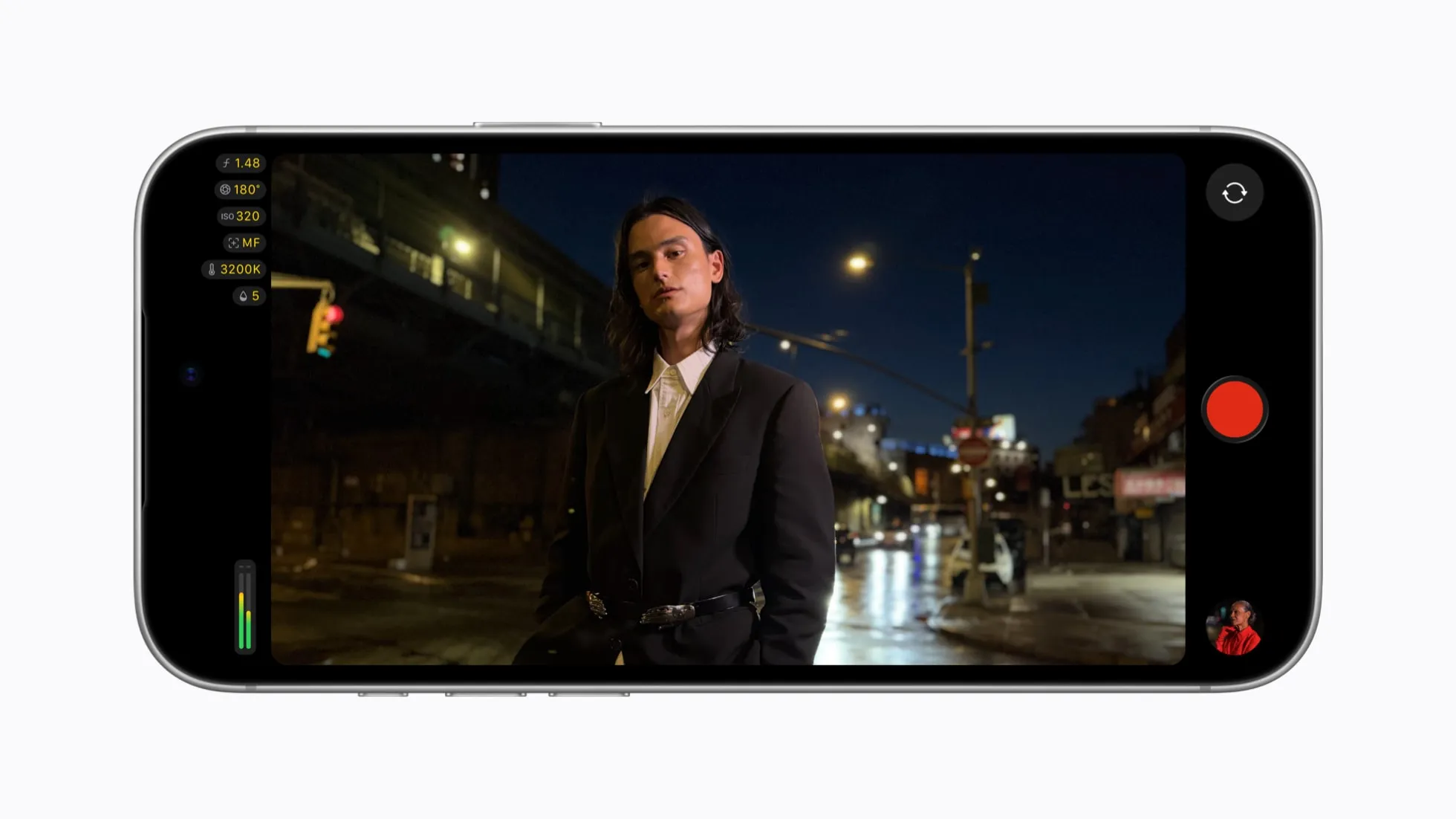
The Pro's advantages extend to professional workflows too. The Pro models gain advanced video features like ProRes RAW, Log 2 format, and genlock support that won't be available on the Air. For content creators working with high-end video projects, these features can make the difference between a consumer device and a professional tool.
However, both devices do share that same 48MP main sensor, suggesting photo quality from the primary camera should be remarkably similar for everyday use. The Air lacks Macro photos or video, Spatial photos or video, ProRAW photos or video, Cinematic Mode for video, Studio-quality four-mic array, LiDAR Scanner, and Pro-focused video features, but for many users, that single high-quality camera might cover 90% of their photography needs.
What about design and build quality?
Both models represent significant design departures from current iPhones, though in different directions that serve their respective purposes. The iPhone 17 Air achieves its remarkable thinness through a grade 5 titanium frame and Ceramic Shield back (4× more resistant to cracks) and Ceramic Shield 2 front (3× better scratch resistance) than previous models. It's a device designed to disappear in your pocket while making a statement when you pull it out.
The iPhone 17 Pro takes a different approach, switching to an aluminum unibody design and introducing a horizontal camera bar spanning the device width. This redesign isn't just aesthetic—it's functional. The new camera bar accommodates the upgraded triple-lens system while the aluminum construction works with vapor chamber cooling technology to maintain peak performance under sustained loads.
The size differences tell an interesting story: the Air measures 6.15 x 2.94 x 0.22 inches and weighs just 5.82 ounces, while the Pro comes in at 5.91 x 2.83 x 0.34 inches and 7.27 ounces. Despite being dramatically thinner, the Air is actually taller and wider than the Pro, giving you a larger 6.5-inch display compared to the Pro's 6.3-inch screen.
There are practical connectivity differences too. The iPhone Air relies exclusively on eSIM technology, while the iPhone 17 Pro is the only model with a physical SIM card. If you travel frequently to regions where eSIM support is limited, this could influence your decision.
Additionally, the iPhone Air's USB-C port supports USB 2, while iPhone 17 Pro supports USB 3 for up to 20x faster transfer speeds. For photographers and videographers regularly moving large files, that speed difference translates to real time savings.
Real-world implications: Which should you choose?
The iPhone 17 Air represents Apple's most ambitious attempt yet to blur the lines between standard and Pro models. By including the A19 Pro chip, 12GB of RAM, and ProMotion display technology, it offers genuinely Pro-level performance in an ultra-portable package. Starting at $999 compared to the Pro's $1,099, the Air could appeal to users who want premium performance without the bulk or complexity of a full Pro camera system.
Consider the iPhone 17 Air if you prioritize:
Ultimate portability and design statement
Strong performance for everyday tasks and moderate content creation
A larger display experience despite the thinner form factor
Simplicity in camera operation while maintaining quality
The trade-offs are real though—battery life drops to 27 hours compared to the Pro's 33 hours, and you lose advanced camera features, the vapor chamber cooling for sustained performance, and faster file transfer speeds.
Choose the iPhone 17 Pro if you need:
Maximum camera versatility with telephoto and ultra-wide lenses
Professional video features for content creation
Sustained high performance for gaming or intensive apps
Physical SIM card compatibility for travel or carrier requirements
PRO TIP: Don't dismiss the Air's battery life too quickly. While it's shorter on paper, the A19 Pro's efficiency improvements and iOS 26's new battery management features could make the real-world difference smaller than expected.
This shift suggests Apple is experimenting with new ways to segment its lineup, potentially setting up the Air as a long-term alternative to the Plus models that never quite found their audience. Whether this approach succeeds will depend on how well that ultra-thin design holds up to real-world use—and whether users are willing to accept some compromises for the sake of having the thinnest iPhone ever made.
What's particularly intriguing is how Apple has managed to pack Pro-level processing power into such a slim form factor while keeping the price competitive. The shared A19 Pro chip means both devices will handle demanding tasks like video editing, gaming, and AI processing with similar capability—the main differences come down to sustained performance under heavy loads, camera versatility, and battery endurance. For many users, those might be acceptable trade-offs for the Air's remarkable portability and the satisfaction of carrying the future of iPhone design.






Comments
Be the first, drop a comment!