



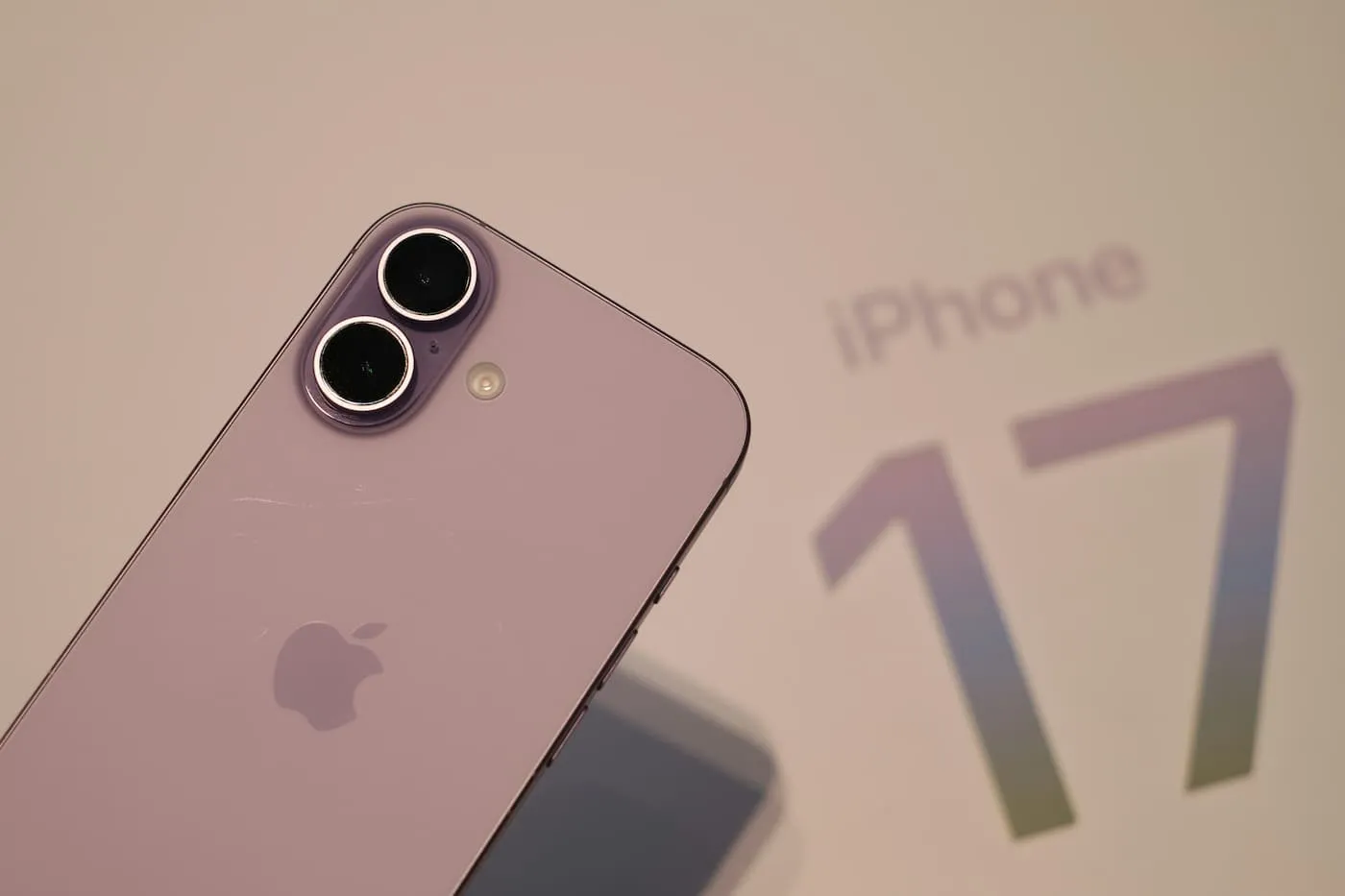
The base iPhone 17 supports Apple Intelligence. Apple says so plainly. What sits in the footnotes is more consequential: iOS 27 introduces a higher tier of on-device AI that requires at least 12GB of unified memory, and the iPhone 17's 8GB falls short. Two Siri AI features, expressive voices and more advanced dictation are tied exclusively to that advanced model. The base iPhone 17 doesn't qualify for either.
This is the first time Apple has drawn a memory-based line inside Apple Intelligence itself. Since the feature launched, 8GB had been the baseline across every supported device. iOS 27 changes that. "Supports Apple Intelligence" and "supports Apple's most advanced on-device Siri model" are now two different claims.
What "supported" now means, and which devices are actually affected
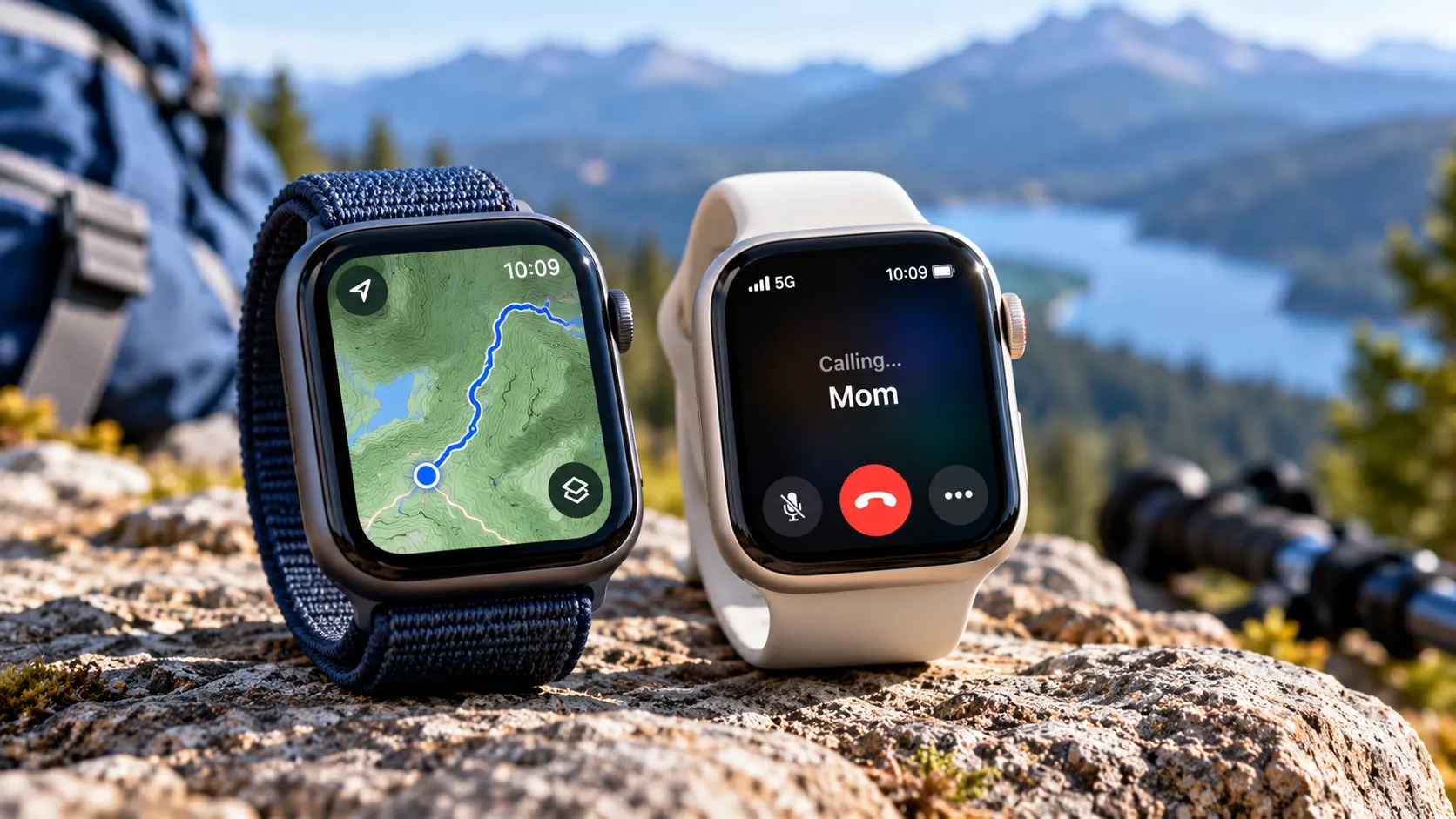
Apple's broad Apple Intelligence availability list across iOS 27, iPadOS 27, macOS 27, watchOS 27, and visionOS 27 covers a wide range of hardware: iPhone 16 models or later, iPhone 15 Pro and 15 Pro Max, iPad mini (A17 Pro), iPad models with M1 or later, Mac with M1 or later, Apple Vision Pro, and supported Apple Watch models when paired with an Apple Intelligence-enabled iPhone nearby. That framing is inclusive because it largely is for the standard Siri AI experience.
The footnote draws a narrower line. Apple's most powerful on-device model, and the Siri AI features it enables, is restricted to iPhone Air, iPhone 17 Pro, iPhone 17 Pro Max, iPads with M4 or later carrying at least 12GB of unified memory, and Macs with M3 or later carrying at least 12GB.
Apple Vision Pro with M5 also qualifies for the model and expressive voices though advanced dictation is not explicitly listed for that device in Apple's footnote, a detail that shows the gating operates feature-by-feature rather than simply by device tier.
The base iPhone 17 ships with 8GB of unified memory, 4GB short of the threshold. Every iPhone on the qualifying list meets or exceeds 12GB. The base model is excluded from the advanced on-device model and the two Siri features tied to it.
The iPhone 16 Pro is also below the threshold. iPhone 16 Pro won't support the advanced on-device model or the two Siri features Apple has tied to it. That stings differently than the iPhone 17 situation: last year's Pro flagship was marketed heavily around its Apple Intelligence capabilities, and it now sits on the wrong side of a line that didn't exist when it shipped.
Apple applies the 12GB threshold consistently across its product stack. iPads need M4 or later with 12GB; Macs need M3 or later with 12GB. Any device on the broad Apple Intelligence support list that falls short on memory runs the standard on-device model only.
iPhone 17 Siri AI features missing: what the advanced model actually delivers
Apple has named two capabilities powered exclusively by the advanced on-device model. The first is expressive voices. For devices that support the advanced model, Siri AI offers what Apple describes as "even more expressive voices" speech output that's more naturalistic and varied than the standard experience. Think less synthesized read-back, more conversational reply.
The second is more advanced dictation. Apple says dictation now captures spoken input as polished text, automatically handling capitalization, punctuation, and formatting as the user speaks. That's a meaningful workflow change for anyone who composes long messages or notes by voice. Text that arrives already formatted removes a separate editing pass.
These aren't refinements layered on top of the standard Siri AI experience. They're outputs of a model that doesn't run on 8GB hardware. Base iPhone 17 users get Siri AI's broader conversational capabilities, onscreen awareness, and world knowledge access, but not these two specific features.
One caveat: Apple has only specifically named these two features as 12GB-exclusive so far. Whether the advanced model enables additional capabilities Apple hasn't yet disclosed remains an open question before iOS 27 ships publicly this fall.
Why RAM is the dividing line
The reason is practical. The advanced model runs entirely on-device, which means it has to fit in memory alongside the operating system and active apps. A larger, more capable model needs more headroom. Apple has set 12GB as the minimum its most powerful local model requires to run.
What Apple has not said is whether that's a firm technical floor or a conservative engineering threshold. The company hasn't explained the reasoning, and there's no public indication that the requirement could shift before iOS 27's public release.
What this means for buyers this fall
For someone choosing between a base iPhone 17 and an iPhone 17 Pro, Air, or Pro Max this fall, the 12GB split currently comes down to two named differences: Siri voice quality and dictation behavior. For people who routinely compose messages or notes by voice, there's a concrete reason to weigh this. For users who rarely invoke Siri, the distinction is less pressing.
The longer-term picture is harder to size up. Apple has only named two features tied to the advanced model so far. Macworld observed that the 12GB-only list may not be complete, which means buyers holding a device for three or more years are choosing without knowing what else Apple might place behind that memory gate in future iOS versions. That's an open question, not a certainty but it's a real variable.
What base iPhone 17 buyers are not losing is Apple Intelligence itself. Siri AI's conversational depth, onscreen awareness, personal context understanding, and the broader feature set Apple announced this month are supported on 8GB devices, according to Apple. The advanced on-device model is the specific gap, and Apple has publicly attached two features to it.
A new support tier Apple hasn't clearly labeled
The split itself matters beyond this fall's lineup. This is the first time Apple has tiered Apple Intelligence by memory rather than chip generation alone, a structural shift in how the company defines feature support within its own software. Prior to iOS 27, chip generation was the primary gate; now memory is an independent variable that can exclude devices with current-generation silicon.
Two questions remain unanswered before iOS 27 ships publicly: whether Apple will publish a full accounting of what the advanced model enables beyond expressive voices and more advanced dictation, and whether the two-feature list Apple has disclosed so far is actually complete. Until Apple addresses either point, what's confirmed is this the advanced on-device model and its named features require 12GB, and the base iPhone 17 doesn't have it.









Comments
Be the first, drop a comment!