





The iPhone 17e represents Apple's latest attempt to balance affordability with performance, but early impressions suggest the company may have prioritized the wrong elements. While the device brings meaningful hardware improvements like added MagSafe support and faster wireless charging and increased base storage, its design language feels surprisingly outdated for a 2024 release. This creates an interesting paradox: a phone that's genuinely better on paper but somehow feels like it's already behind the times.
Let's break down what Apple got right—and where they might have missed the mark entirely.
The upgrades that actually matter
Apple's focus on practical improvements shows they've been listening to user feedback, even if the execution feels somewhat conservative. The enhanced MagSafe system promises faster wireless charging speeds and stronger magnetic attachment, addressing long-standing complaints about accessories that wouldn't stay put during daily use. This isn't just a minor tweak—it's the kind of fundamental improvement that affects how you interact with the device dozens of times per day.
Now, if you've ever had your MagSafe charger slide off your phone at the worst possible moment (usually when you're rushing out the door with 12% battery), you'll appreciate why this matters. The stronger magnetic connection means your charging accessories actually stay where you put them, and the faster charging speeds help bridge that gap between "dead phone panic" and "ready to go."
The jump to 256GB base storage represents another smart move, finally putting an end to the 128GB bottleneck that forced too many users into expensive upgrade decisions. Here's what's interesting about this change: it's not revolutionary, but it removes one of those daily friction points that quietly annoyed iPhone users for years. No more deleting photos to install a new app, no more "storage almost full" notifications popping up at inconvenient moments.
For context, this storage bump aligns the iPhone 17e with what many Android flagships have offered as standard for over a year, showing Apple is finally catching up to industry expectations rather than leading them. The internal performance improvements, while not groundbreaking, provide the kind of steady generational upgrade that keeps existing iPhone users satisfied without necessarily wowing newcomers to the ecosystem.
Why the design feels stuck in time
Here's where things get complicated: the iPhone 17e's design language seems to ignore nearly every major smartphone trend of the past two years. The bezels feel chunky compared to current Android flagships, and the overall aesthetic lacks the refined edge-to-edge approach that's become standard across the industry. It's not that the design is bad—it's perfectly functional—but it communicates a strange message about Apple's priorities.
When you hold the iPhone 17e next to pretty much any flagship Android phone released in the past year, the visual difference is immediately apparent. Those thicker bezels might not affect functionality, but they do make the device look like it's from a different generation entirely. It's a bit like showing up to a modern office building in a perfectly good car from 2019—it works fine, but everyone notices.
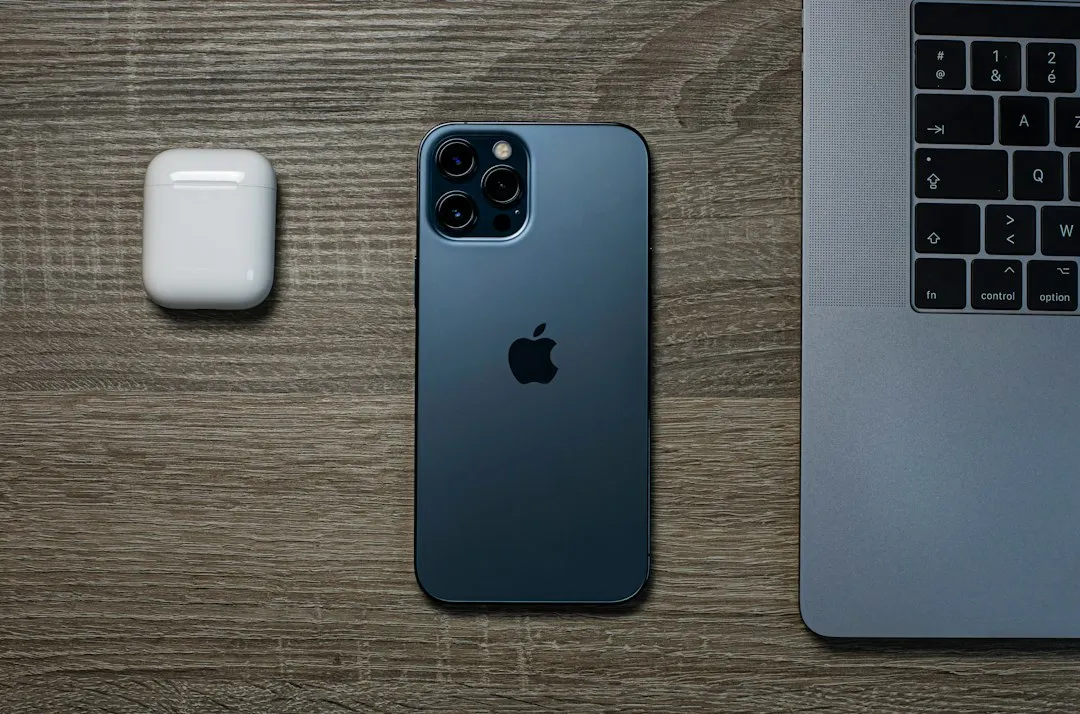
The camera bump configuration, while housing genuinely improved sensors, maintains a layout that feels more 2022 than 2024. This design conservatism might appeal to existing iPhone users who value familiarity, but it creates a perception problem when the device sits next to competitors that look demonstrably more modern. You might be wondering why Apple would choose this route, and honestly, it's puzzling given their usual attention to visual details.
Bottom line: Apple seems to have chosen evolutionary refinement over the kind of visual refresh that generates excitement. It's a safe choice that protects existing users from change shock, but it doesn't exactly scream "cutting edge" when you're trying to justify the purchase to yourself or others.
Where this fits in Apple's bigger picture
The iPhone 17e's positioning within Apple's broader ecosystem reveals some interesting strategic choices that go beyond simple hardware specifications. The device maintains pricing continuity with its predecessor while delivering tangible improvements, suggesting Apple is more focused on retaining existing users than attracting switchers from other platforms. This approach makes financial sense given the iPhone's historically strong profit margins, but it raises questions about long-term competitive positioning.
What's clever about this strategy (and maybe a little concerning) is how perfectly it serves Apple's business model. The spec improvements align perfectly with Apple's services strategy—more storage means more photos in iCloud, better MagSafe means more accessory sales, and incremental performance gains keep users satisfied within the ecosystem without creating pressure for dramatic year-over-year upgrades.
It's a calculated approach that prioritizes steady revenue streams over flashy innovation, which explains why the upgrades feel simultaneously meaningful and underwhelming. From Apple's perspective, why rock the boat when the current approach generates substantial profits and keeps users happy enough to stick around? The problem is that "good enough" might not be good enough forever, especially when competitors are pushing visual boundaries.
PRO TIP: If you're considering the iPhone 17e as an upgrade from an iPhone 13 or older, the practical improvements will probably outweigh the design conservatism. But if you're switching from Android or looking for something that feels genuinely new, you might want to manage your expectations.
The bottom line on Apple's safe bet
The iPhone 17e succeeds as a product while failing as a statement piece, delivering genuine improvements wrapped in a design that feels cautious to the point of being dated. The enhanced MagSafe capabilities and doubled base storage represent exactly the kind of practical upgrades that existing iPhone users will appreciate, even if they don't generate headlines or social media buzz. The performance improvements, while incremental, maintain Apple's reputation for smooth, reliable operation across the entire device lifecycle.
These aren't the kind of changes that make for exciting YouTube unboxing videos, but they're the improvements you'll actually notice after six months of daily use. Better storage management and more reliable wireless charging might not sound sexy, but they solve real problems that real people have with their phones every day.
However, the conservative design approach suggests Apple may be playing it too safe in an increasingly competitive market where visual differentiation matters more than ever. This isn't necessarily a problem for Apple's bottom line—the iPhone 17e will likely sell well to the existing user base—but it does raise questions about the company's ability to attract new users who have more modern-looking alternatives readily available.
The key takeaway is that Apple has created a phone that's genuinely better than its predecessor in meaningful ways, but wrapped it in a package that doesn't communicate that improvement visually. It's the kind of product that works better than it looks, which is an unusual position for a company that typically excels at making technology feel magical and new. Whether this represents a temporary strategic pause or a longer-term shift toward conservative design choices remains to be seen, but for now, the iPhone 17e feels like Apple hedging its bets rather than making a bold statement about the future of smartphones.


Comments
Be the first, drop a comment!