





Reviewed by: Y. Garcia
You know how Apple loves its milestone moments? Well, recent reports from MacRumors suggest the company is gearing up for something potentially spectacular with its 20th anniversary iPhone. But here's the thing — separating the genuinely exciting possibilities from pure wishful thinking isn't always straightforward in the rumor mill.
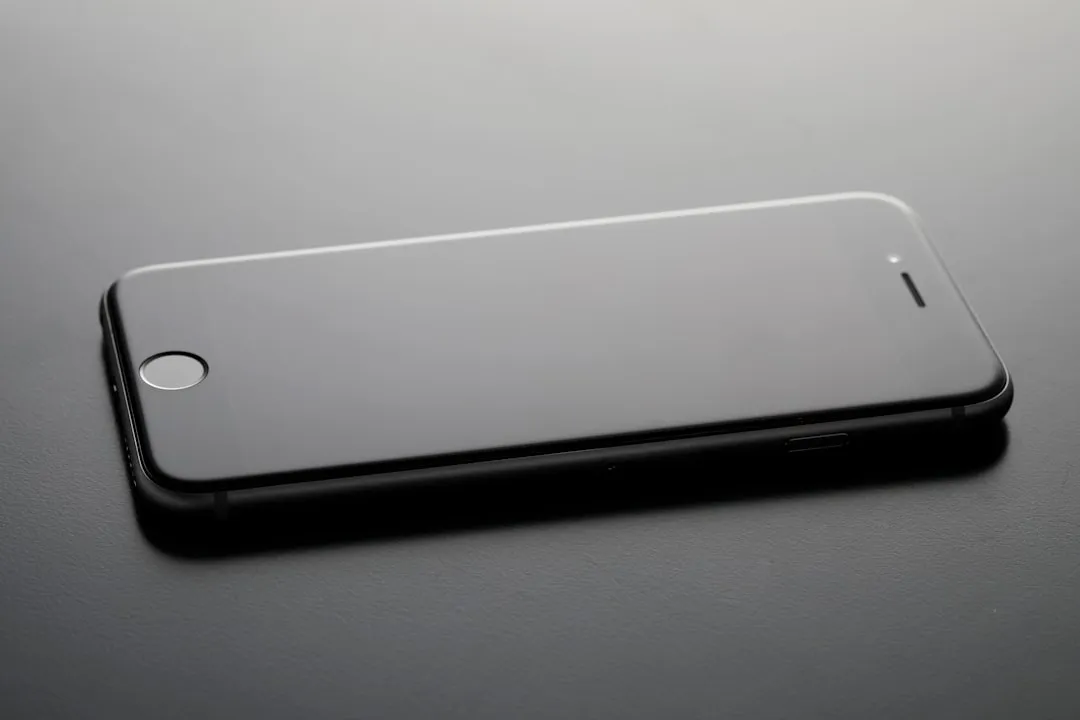
What we're hearing sounds like science fiction made real: a device that could wrap its display around all four edges, creating what essentially looks like a seamless piece of glass. The technical challenges are immense, requiring display circuitry that bends around all four edges with ultra-thin film encapsulation to protect against moisture and air damage. It's the kind of engineering feat that would make even Apple's most ambitious previous projects look conservative by comparison.
But hold on — not everyone's convinced this vision will materialize on schedule. Industry analysts like Ross Young have pushed back on some timeline expectations, suggesting the most radical features might not arrive until 2030 rather than 2027. This creates a fascinating tension between Apple's design ambitions and the harsh realities of manufacturing at scale.
What makes the 20th anniversary so special?
Let's break this down. The original iPhone debuted in 2007, making 2027 the two-decade milestone that Apple has historically used to introduce transformative designs. Think about the lessons learned from the iPhone X precedent — Apple unveiled the iPhone X for the 10th anniversary with Face ID and an edge-to-edge display, fundamentally changing how we interact with our phones while testing revolutionary technologies in a more conventional form factor.
Here's what makes 2027 different: the technological landscape has evolved dramatically since 2017's iPhone X launch. Back then, Apple was pioneering Face ID and eliminating the home button. By 2027, the company expects to have mastered several cutting-edge technologies that are currently in development phases — from advanced display materials to computational photography breakthroughs that weren't even conceivable a decade ago.
The significance goes beyond simple chronology. Apple may skip the iPhone 19 designation entirely, jumping straight to iPhone 20 to emphasize the anniversary significance. This isn't just marketing theater — it signals Apple's confidence that 2027 represents a genuine technological inflection point where multiple advanced systems can finally converge seamlessly in ways that weren't possible before.
The display revolution that might not happen (yet)
Here's where things get really interesting — and contentious. Apple wants to create a display that wraps around all four edges using advanced four-sided bending technology. We're talking about something that goes way beyond the curved edges Samsung experimented with years ago. This would be a display that essentially eliminates bezels entirely, creating a device that looks like it was carved from a single piece of glass.
The manufacturing complexity is staggering in ways that extend far beyond current production capabilities. LG Display has reportedly begun placing orders for equipment to manufacture these revolutionary panels, while Samsung Display is focusing on foldable iPhone components instead. The technical requirements involve display circuitry that must bend around all four edges with ultra-thin film encapsulation to protect the OLED panel from environmental damage — a challenge that requires rethinking fundamental display architecture from the ground up.
But reality check time: display analyst Ross Young has revised his timeline, now predicting that truly all-screen technology won't arrive until 2030. Young's track record is solid — he was among the first to accurately predict several major Apple display decisions and manufacturing constraints. His revised expectations suggest that while Apple's ambitions are real, the engineering challenges of manufacturing such displays at iPhone scale might require additional years of iteration and cost optimization.
This creates a crucial strategic question: if the most ambitious display technology isn't ready by 2027, will Apple launch a more conservative evolution that still feels revolutionary, or will the company delay the anniversary device until the technology truly delivers on its vision?
Under-display cameras and Face ID challenges
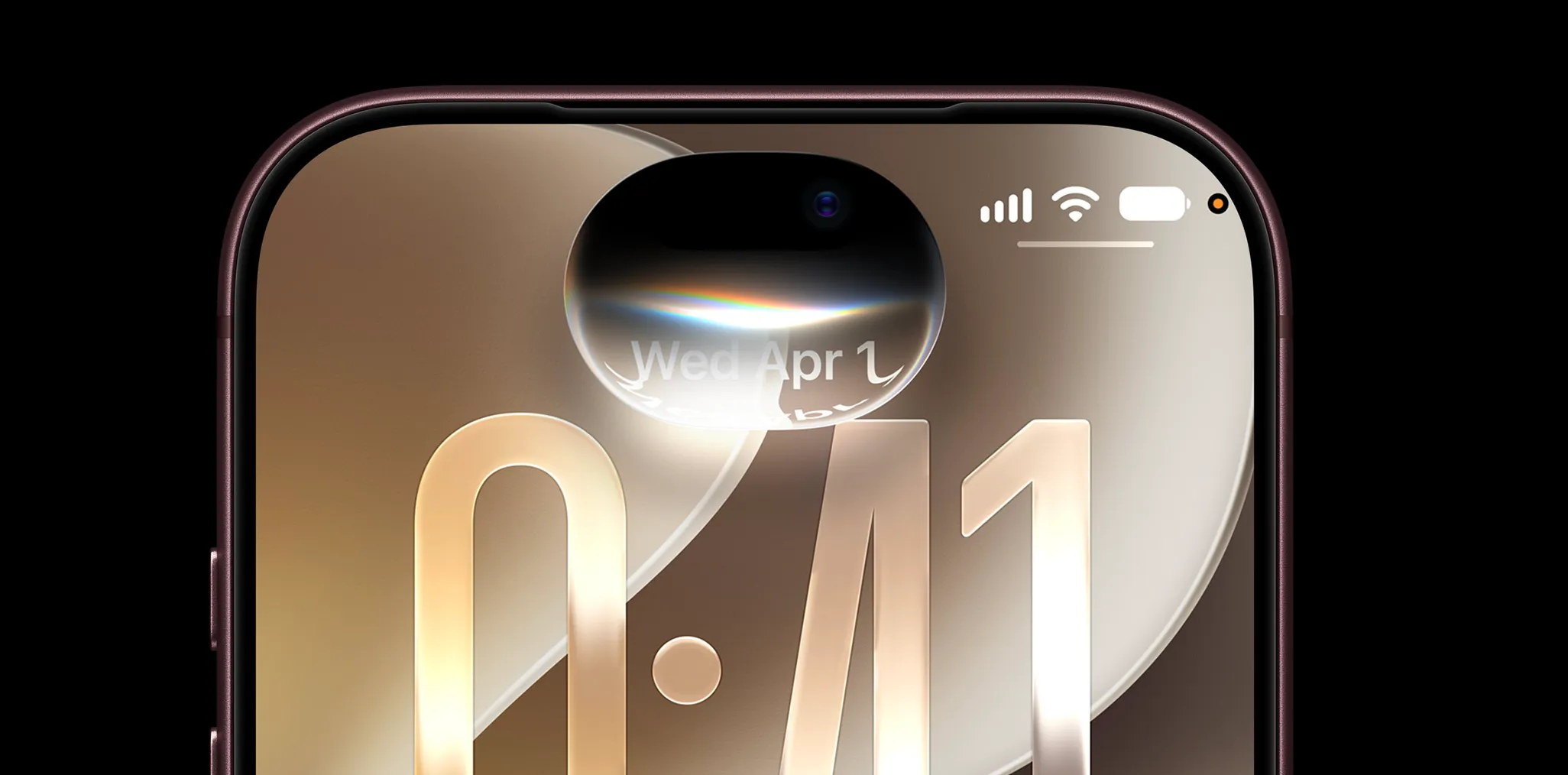
The path to an all-glass iPhone requires solving interconnected engineering puzzles that go far beyond simply hiding components. Apple needs to implement under-display Face ID and camera technology to eliminate the Dynamic Island entirely, but this isn't just about making things disappear — it's about making them work better while being invisible.
Here's where Apple's staged approach becomes really smart: reports suggest Apple has developed a 24-megapixel under-screen camera, which would represent a massive technological leap over current under-display solutions that typically sacrifice image quality for invisibility. Most existing under-display cameras produce mediocre results because the display pixels interfere with light reaching the sensor, creating a fundamental trade-off between seamless design and camera performance.
Reports claim Apple is testing a "spliced micro-transparent glass" window in the display to help Face ID's infrared sensors work under-screen. This isn't just about transparency — it's about creating selective transparency that works across different wavelengths of light while maintaining display quality in those regions. The implications extend beyond just technical capability to completely reimagining selfie and video call quality expectations.
The roadmap reveals Apple's de-risking strategy: under-screen Face ID technology is expected to debut first in the iPhone 18 Pro models, serving as a testing ground before the camera technology joins it in 2027. This progression allows Apple to perfect the most complex authentication component first, then integrate camera functionality once Face ID is proven to work reliably under the display at scale.
Button evolution and solid-state controls
Physical buttons might become artifacts of iPhone history with the anniversary model, but the implications go deeper than just eliminating moving parts. Patent filings suggest the iPhone 20 will feature solid-state buttons with haptic feedback replacing traditional mechanical controls. Think of it like the Home button evolution on iPhone 7, but applied to every physical control on the device — and refined through years of additional Taptic Engine development.
This transformation connects to the broader all-glass design philosophy in ways that solve multiple engineering challenges simultaneously. The power, volume, and Action buttons would be integrated as part of the frame, creating a truly seamless exterior surface while eliminating mechanical failure points and dramatically improving water resistance. The haptic feedback would provide a tactile response that could actually be more precise and customizable than traditional button clicks.
Apple is also rumored to replace the titanium frame with a narrow metal band around the device's middle, further emphasizing the glass-dominant design philosophy. The result would be a device where glass becomes the primary structural and functional material, with minimal metal accents serving as both design elements and antenna solutions. By 2027, Apple's Taptic Engine technology will have evolved considerably, potentially making haptic button feedback indistinguishable from physical presses — or even more satisfying through programmable response patterns.
Beyond the rumors: the missing pieces that matter
While the display and design rumors capture attention, the research reveals several crucial technological advances that could define the anniversary iPhone's real-world impact. Silicon-anode battery technology could offer meaningful capacity gains without making the phone thicker, potentially solving one of the iPhone's most persistent limitations while supporting the power requirements of an all-display design.
The computational photography revolution gets even more interesting with LOFIC sensors that could give each pixel a "spillway" for extra charge, helping hold both bright highlights and shadows in one exposure, with up to ~20 stops of dynamic range. This isn't just about better photos — it's about capturing images that exceed what the human eye can see in a single glance, fundamentally changing our expectations for mobile photography.
Under the hood, by 2026, A-series chips should already be on 2-nm, with the iPhone 20 expected to have a second-generation 2-nm SoC called A21. Combined with mobile HBM-style memory that might boost bandwidth while reducing power and footprint, we're looking at processing capabilities that could enable entirely new categories of on-device AI and computational photography that simply aren't possible today.
The reality check: what's actually possible by 2027?
Let's get real for a moment about manufacturing timelines and Apple's actual track record with revolutionary technologies. Apple's foldable iPhone development has faced numerous durability challenges, and similar technical hurdles likely apply to curved-edge displays that bend around all four sides. The company rarely launches half-baked products, which creates interesting strategic tension between anniversary ambitions and engineering realities.
The 20th anniversary device is expected to launch in September 2027, giving Apple's engineering teams a concrete deadline to perfect these advanced technologies. But developing new display technologies and ensuring they work reliably at scale typically requires years of iteration — and Apple has shown willingness to delay features rather than compromise quality.
A massive leak revealing over 30 future Apple devices suggests the company is indeed working on revolutionary designs, but also reveals a strategic approach that builds capabilities progressively. The iPhone 18 Pro models launching in 2026 will likely serve as the testing ground for many anniversary iPhone technologies, allowing Apple to prove individual components before attempting the most ambitious integrated design.
Here's what seems most likely: Apple will deliver significant advances in 2027, but the most radical rumors should be viewed as north star goals rather than guaranteed features. Apple's plan to fully switch to in-house modems by 2027 suggests the company is targeting this timeline for multiple major technological transitions to converge, which could result in meaningful improvements even if the all-glass slab vision requires additional refinement.
The bottom line? Apple's 20th anniversary iPhone will almost certainly bring substantial changes that justify the milestone moment, but the most transformative elements might arrive as a progression of capabilities rather than a single revolutionary leap. Either way, it's shaping up to be the most anticipated iPhone launch since the original — and potentially the device that defines the next decade of smartphone evolution.






Comments
Be the first, drop a comment!