





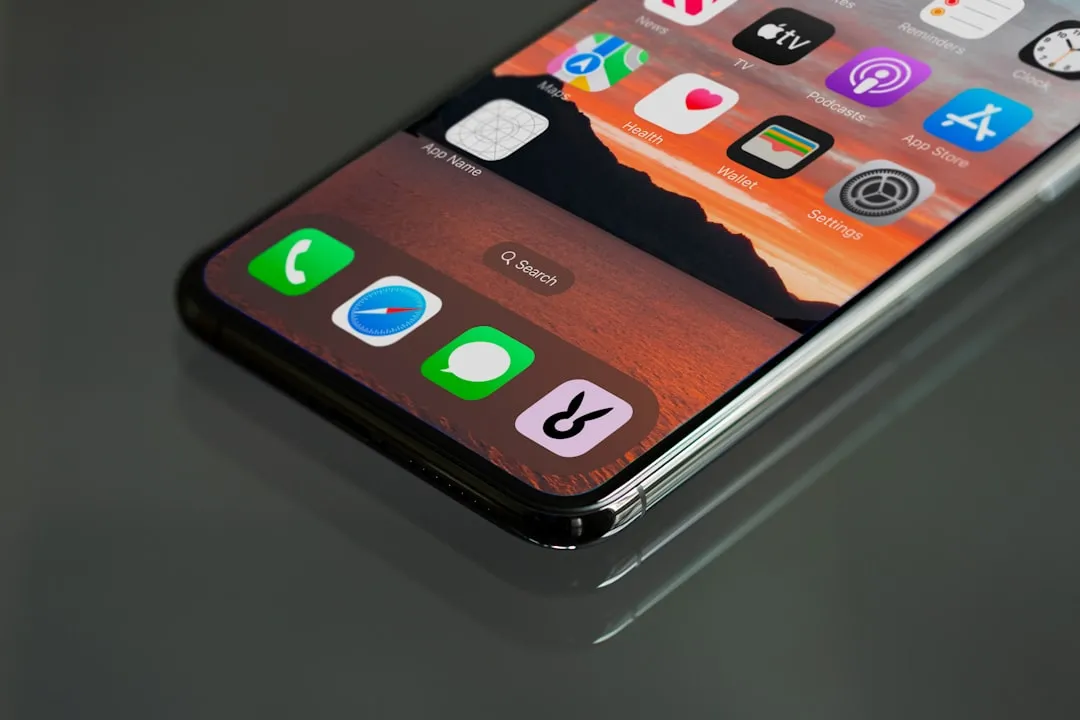
iPhone 20 Curved Screen Explained: What Quad-Edge Really Means
Reports suggest Apple is working with Samsung to develop a quad-edge curved OLED display for a 2027 anniversary iPhone, which may be called the iPhone 20 or the iPhone XX, according to OLED-Info. The confusion starts immediately: "curved screen" conjures the waterfall-edge phones that Samsung popularized in the mid-2010s, where glass visibly spilled over the sides, looked dramatic, and invited accidental touches. The iPhone 20 curved screen reportedly in development is something structurally different.
Analyst firm Omdia reported nearly a year ago that OLED manufacturers across the supply chain are preparing for Apple's "four-edge bending" technology, linking that shift explicitly to ultra-slim bezels rather than sloped-glass aesthetics. OLED-Info reported this week that the panel in development is described as "micro-curved," a term pointing to something subtle and structural, not a dramatic visual statement.
What follows is an explanation of what quad-edge bending likely means in physical terms, why Apple's patent record suggests this design goal is years in the making, and what still has to go right before any of this becomes a shipping product.
What the iPhone 20 curved screen rumor actually describes
The mental model to hold: the screen itself is flat where you look at it. The flexible OLED panel bends at all four edges, top, bottom, left, and right, so that its borders fold underneath the frame instead of ending at a visible seam. The result, if executed well, is a front face where the display appears to run to the very edge with no visible gap between the active image area and the device frame.
This is structurally different from waterfall glass. In older curved-edge phones, the display and cover glass both sloped visibly over the sides. What OLED-Info describes for the iPhone 20 is a "micro-curved" flexible AMOLED, a term that points to a tight, functional bend kept behind the frame, not glass rolling down the side of the phone.
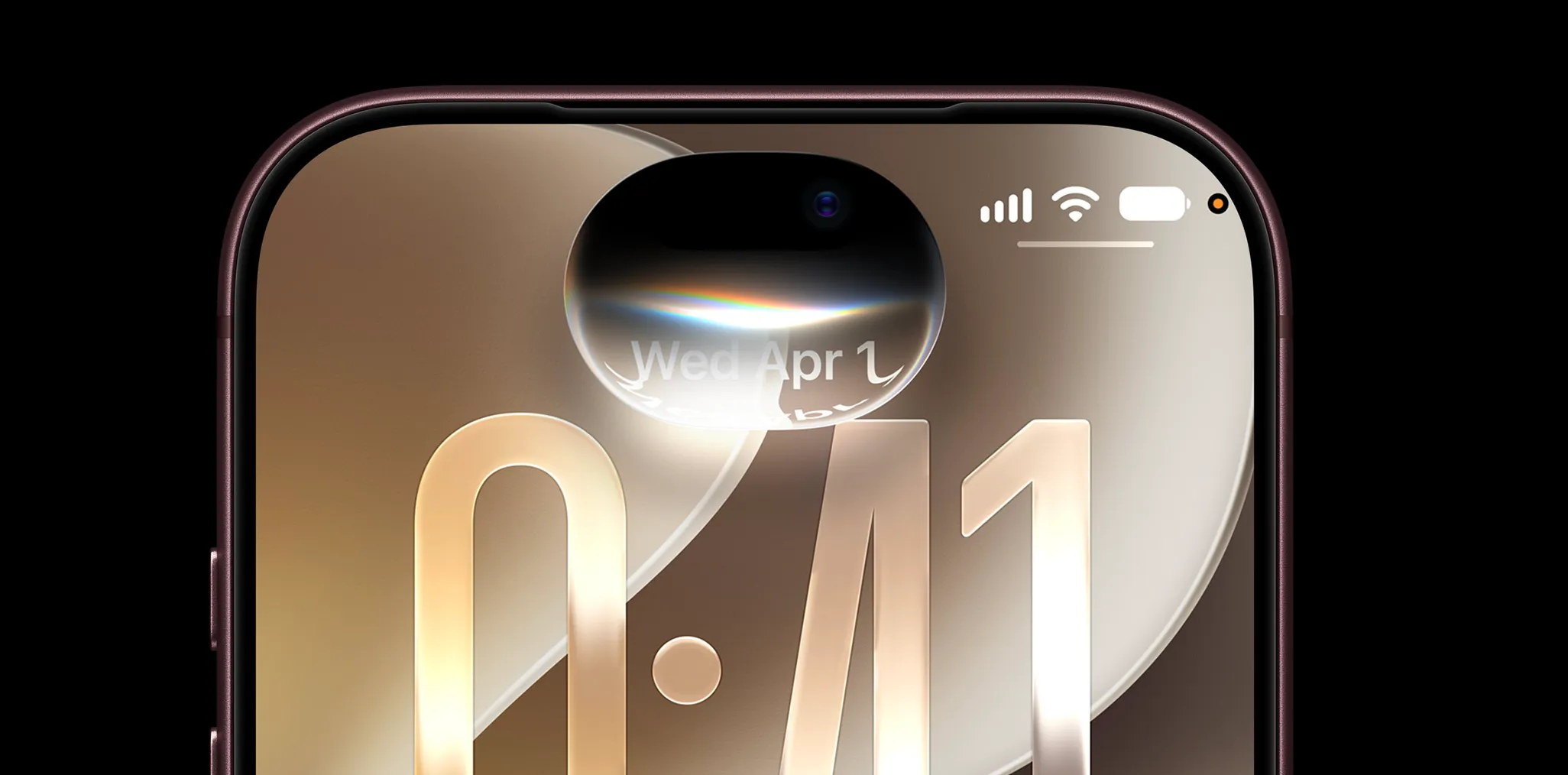
The reported panel also pairs a polarizer-free COE (color filter on encapsulation) architecture with under-display Face ID and camera components, per OLED-Info. All three elements point toward the same objective: a front face that is entirely display, with no hardware cutouts, no obvious borders, and no visible technology interrupting the surface.
What the reporting does not resolve is whether the cover glass above the panel follows the curve or remains flat. That largely unreported detail could determine the actual in-hand feel of the device. Both are technically plausible; neither is confirmed.
A design goal Apple has been working toward since at least 2015
The push to maximize visible display area while concealing surrounding hardware is not new for Apple. A patent application filed in 2019, with priority tracing to September 2015, describes a display in which non-pixel border regions protrude into the active pixel area to house components. Speakers, cameras, light sensors, proximity sensors, fingerprint sensors, and microphones are all listed as candidates for placement within these embedded inactive zones.
The concealment strategy in that filing goes beyond hardware placement. Apple described using a black masking layer over inactive regions and rendering adjacent active pixels on a black background, creating the visual impression that any interruption simply isn't there. The Dynamic Island on iPhone 14 Pro echoes this same design logic: a physical cutout made to feel like a purposeful UI element through software rendering rather than hidden by shrinking the hardware.
Notably, the patent states that the display "may be planar or may have a curved profile"; curvature is listed as one option within the broader architecture, not the invention's central point. That Apple filing is most useful here as evidence of consistent intent: the company has been working systematically on hardware concealment and active-area extension since at least 2015. It does not confirm the quad-edge design specifically, and patents are not product roadmaps.
The supply-chain signal is the stronger near-term indicator. Omdia's analysis from nearly a year ago shows OLED makers industry-wide preparing for four-edge bending, not a single supplier hedging, but a market-wide shift. That degree of alignment across the supply chain suggests Apple's timeline is credible enough that manufacturers are treating it as a firm direction rather than a distant possibility. Suppliers don't retool speculatively at this scale.
The engineering problems that determine whether this works
Three challenges sit at the center of whether bezels can truly appear to vanish. They are not equally solvable, and the iPhone 20's final design will likely depend on how far Apple has gotten with each.
Edge-bend yield. Bending a flexible OLED panel on all four sides introduces stress at the corners where the bends converge, creating a harder geometry problem than single-edge or dual-edge bending. Display manufacturers have to maintain pixel integrity at those stress points across high-volume production. The industry-wide preparation Omdia documented nearly a year ago suggests this is being actively worked through, but no source confirms that yield targets have been met at iPhone scale.
Under-display Face ID. This is the more uncertain piece. OLED-Info's reporting includes under-display Face ID as a target for this panel; it is not described anywhere in the available reporting as a solved problem. Under-display cameras have shipped in Android devices for years, consistently with image quality tradeoffs caused by light diffraction through active pixels. Under-display Face ID is a different technical challenge, relying on infrared dot projection and depth mapping rather than a visible-light photograph, but Apple has standards that have kept it off shipping iPhones through multiple development cycles. Whether Apple can clear that bar while routing the sensor system beneath an active display remains genuinely open.
Cover glass design. If the OLED panel bends under the frame, the cover glass on top could remain flat, preserving the feel of current iPhones and keeping screen protectors and cases largely compatible. If the glass also curves, the geometry changes for accessories and repair in ways that are harder to anticipate. No current reporting clarifies which path Apple is taking. For most users, this is the detail that will matter most in practice.
What's confirmed, what's inferred, and what to watch next
The reporting, taken together, points to a design where the front of the phone looks like an uninterrupted bezel-less iPhone display, not by reviving sloped-glass aesthetics, but by bending the panel's edges underneath the frame and moving sensors below the display surface. Per Omdia and OLED-Info, "curved" is the manufacturing method; the stated goal is an ultra-slim bezel-less result.
What remains genuinely open: whether four-edge bend manufacturing can hit iPhone-scale yield, whether under-display Face ID can clear Apple's quality threshold, and whether the cover glass stays flat or follows the curve. Those three questions will determine whether the iPhone 20 delivers on the design the supply chain is currently building toward, or arrives as something more conservative. Future panel supplier reports and any clarification on the cover glass geometry are the signals worth watching between now and 2027.







Comments
Be the first, drop a comment!