



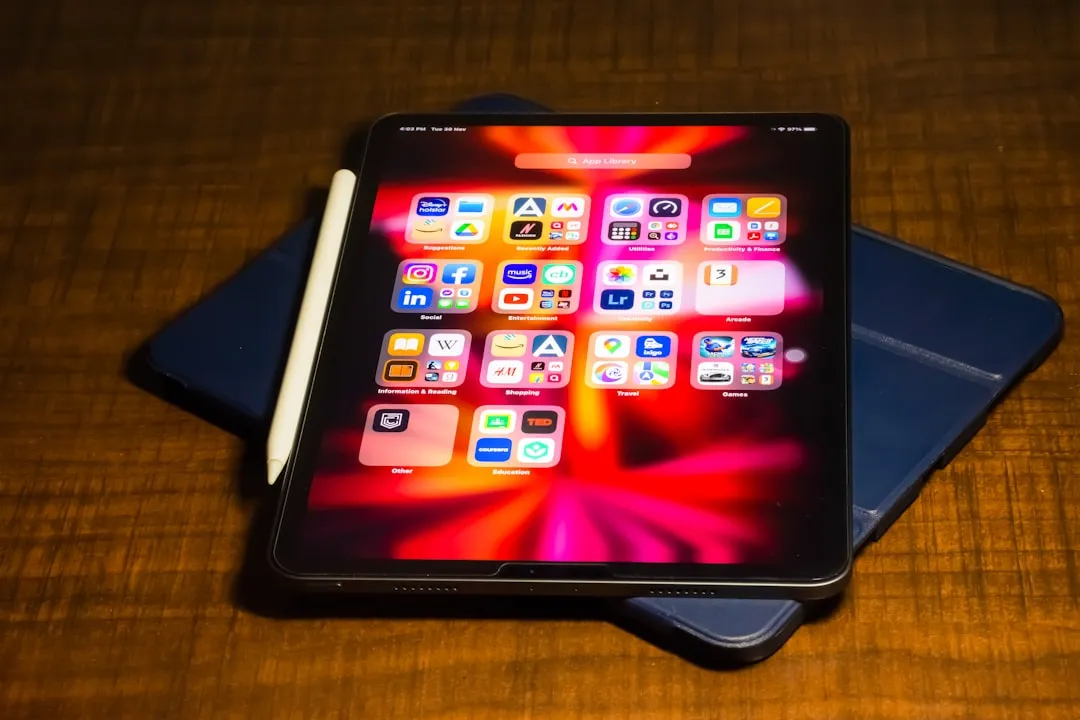
The iPad Air has long occupied an interesting middle ground in Apple's tablet lineup, but recent developments suggest this positioning might be shifting in ways that could reshape how we think about premium Android alternatives. With whispers of significant hardware upgrades and connectivity improvements, the latest iteration appears poised to challenge some fundamental assumptions about tablet value propositions. The timing feels particularly relevant as Android tablet manufacturers have been making serious strides in premium territory, yet Apple's ecosystem advantages continue to evolve in compelling ways.
The decision matrix has become more nuanced as premium Android tablets like the Samsung Galaxy Tab S9 Ultra and OnePlus Pad have closed traditional gaps in build quality and performance, while simultaneously pushing advantages in areas like stylus functionality and display technology. Meanwhile, Apple's response through enhanced silicon, expanded memory, and next-generation connectivity creates new competitive dynamics that go beyond simple spec comparisons.
What makes the M4 chip upgrade actually matter?
Let's break down why the transition to Apple's M4 processor represents more than just a routine spec bump. This isn't your typical "new chip, slightly faster performance" situation. The M4 fundamentally alters the performance conversation between iPad Air and premium Android tablets, bringing desktop-class computing power to a form factor that transforms what's possible on a portable device.
For tablet users, this performance leap matters because it eliminates the traditional compromises between portability and capability. What's particularly impressive here is how the efficiency gains become noticeable during intensive tasks like video editing, 3D rendering, or running multiple professional apps simultaneously. I'm talking about the kind of work that used to require you to sit down at a proper computer—now you can tackle these projects while lounging on your couch or working from a coffee shop.
Beyond the benchmark numbers (which are admittedly impressive), the M4's neural engine capabilities open doors for AI-powered features that many Android tablets simply can't replicate at this performance level. Machine learning tasks that once required cloud processing can now happen locally, offering both speed advantages and privacy benefits. Think about photo editing with intelligent object removal, or real-time language translation that doesn't need an internet connection.
PRO TIP: The M4's unified memory architecture means creative professionals can work with larger files and more complex projects without the stuttering or crashes that can interrupt workflow. You know that frustrating moment when you're deep into a project and everything suddenly grinds to a halt? The M4's design philosophy specifically addresses these pain points.
Why 12GB of RAM changes the tablet game
Memory has traditionally been where Android tablets could compete more directly with iPads—in fact, it's been one of their strongest selling points. But the jump to 12GB of RAM in the iPad Air shifts this dynamic considerably, and honestly, it's about time Apple made this move.
This substantial memory increase means true desktop-class multitasking becomes feasible. We're talking about keeping multiple professional apps active, switching between complex projects, and maintaining dozens of browser tabs without that dreaded performance degradation that makes you want to throw your device across the room. For users who were considering high-end Android tablets partly for their generous RAM offerings, this upgrade removes a key differentiator.
The additional memory particularly benefits users who work with large creative files—whether that's editing 4K video, working with high-resolution photos, or running demanding design applications. What sets the iPad Air apart isn't just the raw memory capacity, but how Apple's integrated approach to hardware and software creates more efficient memory utilization through technologies like Metal for graphics processing and optimized Core ML frameworks for machine learning tasks.
This integration advantage becomes evident in professional workflows where Android tablets might match the iPad Air's specifications on paper but deliver inconsistent performance under sustained workloads. The difference lies in Apple's control over both the silicon design and the operating system optimization, creating a more predictable and reliable computing environment.
How Wi-Fi 7 support impacts real-world usage
The inclusion of Wi-Fi 7 connectivity positions the iPad Air ahead of most current Android tablet offerings in terms of future-proofing and network performance. This next-generation wireless standard delivers significantly faster speeds, lower latency, and better performance in congested network environments—advantages that become increasingly important as tablets handle more demanding online tasks.
For users who frequently work with cloud-based applications or stream high-quality content, these connectivity improvements translate to noticeably better experiences. Think about seamless 4K video conferencing, instant synchronization of large creative files, or lag-free cloud gaming sessions that were previously limited by network bottlenecks.
What's particularly clever about Wi-Fi 7's design is how it handles multiple device connections. If you live in a household with numerous connected devices (and let's be honest, who doesn't these days?), this ensures the iPad Air maintains consistent performance even when network traffic is heavy. Many premium Android tablets still rely on Wi-Fi 6 or 6E, meaning they may struggle to take full advantage of newer router capabilities as they become more widespread.
This connectivity advantage extends the iPad Air's competitive lifespan and provides better value for users who keep devices for several years. It's one of those features that seems minor now but becomes increasingly valuable over time, especially as Wi-Fi 7 routers become more common and affordable.
Where ecosystem integration still tips the scales
Despite Android tablets making impressive hardware strides, Apple's ecosystem integration remains a compelling differentiator that's genuinely difficult to replicate. The seamless handoff between iPad Air and other Apple devices—whether that's starting a document on iPhone and finishing on iPad, or using the tablet as an extended display for a Mac—creates productivity workflows that Android alternatives struggle to match.
These integrations become more valuable as users invest deeper into either ecosystem. It's like compound interest, but for convenience and productivity. The more Apple devices you have, the more useful each individual device becomes, which creates a kind of gravitational pull that keeps users within the ecosystem.
Consider the progression from simple AirDrop file sharing to complex multi-device workflows: using your iPad as a Sidecar display while your iPhone serves as a wireless trackpad, all while your AirPods seamlessly switch between devices based on usage. These aren't just convenience features—they're productivity multipliers that can transform how you approach work and creative projects.
The App Store's tablet-optimized applications also continue to provide advantages, with many professional and creative apps like Procreate, LumaFusion, and Affinity Designer receiving iPad versions that take full advantage of the larger screen real estate. While Android tablets have access to phone apps that can scale up, these often feel like stretched phone interfaces rather than purpose-built tablet experiences.
For users already invested in Apple's ecosystem, these software advantages often outweigh pure hardware specifications when making purchasing decisions. It's not just about what the device can do in isolation, but how it fits into and enhances your existing digital workflow.
What this means for your next tablet decision
Bottom line: the enhanced iPad Air presents a compelling case that extends beyond simple spec comparisons with Android alternatives. The combination of M4 performance, generous memory allocation, and future-ready connectivity creates a package that addresses many traditional Android tablet advantages while maintaining Apple's ecosystem strengths.
Here's what you need to consider: if you prioritize long-term value and seamless integration with existing Apple devices, these improvements make the iPad Air increasingly difficult to overlook in favor of Android alternatives, regardless of how impressive those competitors might be on paper. The hardware upgrades address previous weaknesses while the ecosystem advantages continue to compound.
That said, the decision ultimately comes down to your specific needs and existing device ecosystem. If you're deeply invested in Google's services and prefer the flexibility that Android offers, premium Android tablets still have their place. Android tablets continue to excel in areas like file system access, external storage support, and customization options that some users find essential.
The key takeaway is that we're moving beyond the era where Android tablets could compete primarily on specs and price. Apple has essentially closed those gaps while maintaining the integration advantages that made iPads appealing in the first place. This strategic positioning reflects Apple's broader approach to creating products that become more valuable within their ecosystem, making the iPad Air not just a standalone device purchase, but an investment in a comprehensive computing environment.



Comments
Be the first, drop a comment!