





Mac gaming has reached a fascinating crossroads. Apple's M5 Max MacBook Pro delivers unprecedented performance-per-watt, making it theoretically one of the most capable gaming machines ever created. Yet walk into any gaming discussion, and you'll still hear the same refrain: "Macs aren't for gaming." This contradiction reveals a complex ecosystem where hardware excellence meets software reality, creating both opportunities and frustrations for gamers who've invested in Apple's premium machines.
The disconnect between Apple's silicon capabilities and gaming reality stems from decades of platform decisions that prioritized professional workflows over gaming performance. Developer economics, ecosystem choices, and market positioning continue to shape what games actually run on your MacBook Pro. While Apple has made genuine strides in recent years, fundamental challenges persist that prevent Mac gaming from reaching its theoretical potential.
Understanding this landscape requires examining both the remarkable progress Apple has achieved and the stubborn obstacles that remain. For anyone considering serious gaming on a Mac—or wondering why their powerful machine struggles with game availability—the current state reveals both promise and persistent pain points that define the Mac gaming experience today.
Hardware that finally delivers
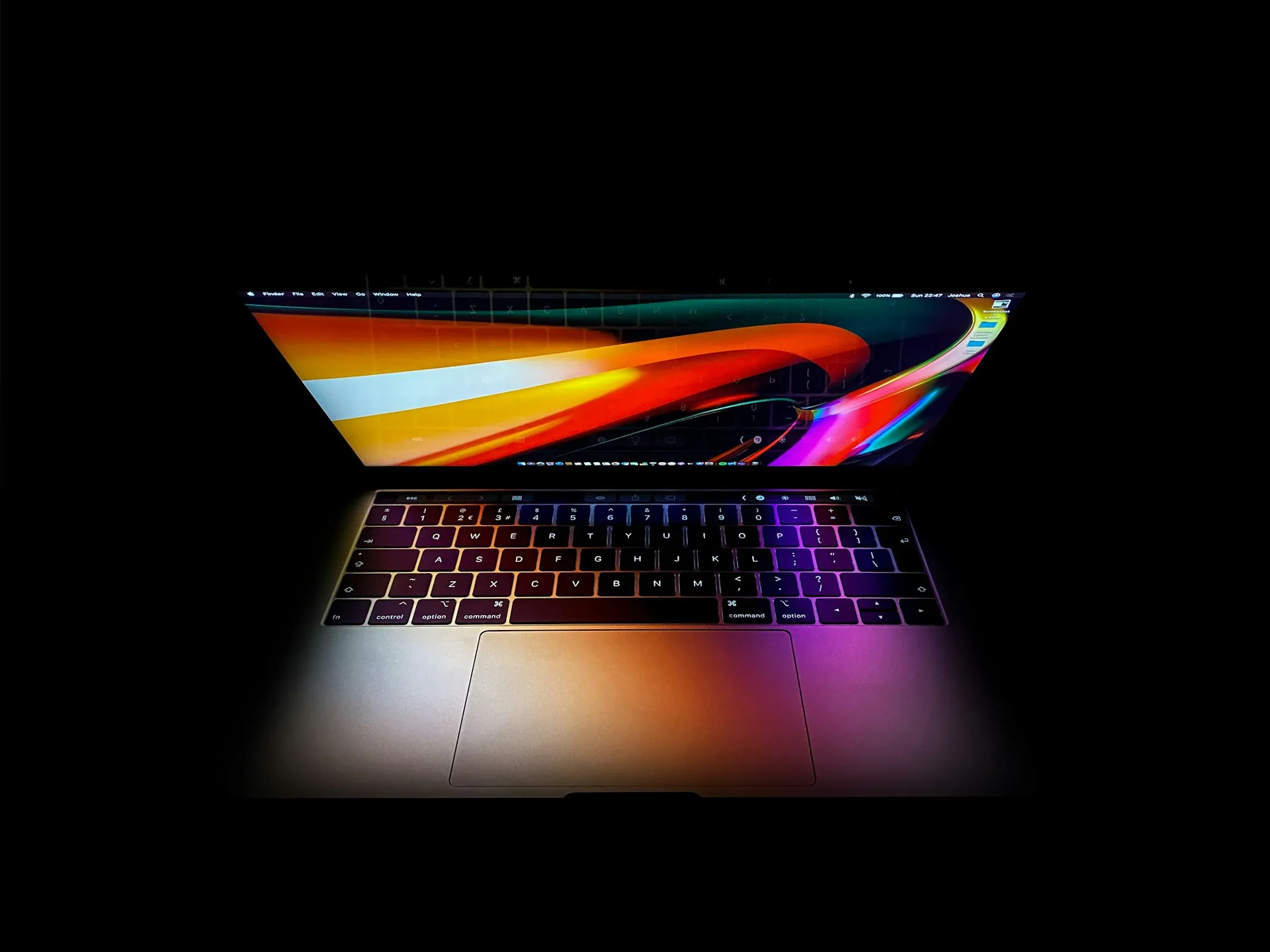
Here's the thing that genuinely surprised me about Apple's latest silicon: the M-series processors have fundamentally changed what's possible for gaming on a Mac. When I first got my hands on the M5 Max MacBook Pro for extended testing, the graphics performance was honestly jaw-dropping. We're talking about raw computational power that can genuinely rival dedicated gaming laptops, but here's the kicker—you get all that performance while maintaining thermal efficiency and battery life that traditional gaming hardware simply cannot match.
What makes this architectural shift even more compelling is the unified memory design. Traditional gaming systems are constantly shuffling data back and forth between separate memory pools for the CPU and GPU—imagine having two separate kitchens and constantly running ingredients between them. Apple's approach eliminates that bottleneck entirely, creating a shared memory space that fundamentally changes how games can handle asset streaming and memory management.
This translates into tangible gaming improvements that go beyond raw frame rates. In testing memory-intensive titles like open-world games with complex texture streaming, I've noticed dramatically reduced loading times and eliminated those annoying texture pop-in issues that plague traditional systems. The unified architecture shines particularly bright when games actually utilize it properly, creating smoother gameplay experiences even during demanding scenes.
Metal performance has matured into something genuinely impressive. Apple's graphics API now delivers frame rates and visual quality that match or exceed what I see on comparable Windows gaming laptops. When developers invest in proper Metal optimization, the results prove definitively that technical barriers no longer prevent excellent Mac gaming experiences. The hardware foundation is absolutely there.
The software ecosystem reality check
But here's where Apple's hardware excellence crashes into economic reality, and this fundamental mismatch explains why your powerful MacBook Pro still can't play the latest AAA releases. Despite impressive silicon capabilities, the software availability problem stems from developer economics that make Mac gaming a challenging business proposition.
Steam's Mac catalog illustrates this disparity clearly—you're looking at a significantly smaller library compared to Windows, with major releases frequently launching without Mac support or receiving it months later. This isn't technical limitation; it's economic calculation. Developers face additional development costs for Metal optimization, macOS-specific testing, and ongoing platform maintenance while targeting a substantially smaller gaming market compared to Windows.
The economic reality gets more complex when you consider ongoing support. Even successful Mac ports often receive delayed updates or reduced long-term maintenance because developers must justify continued investment in platform-specific optimization. I've experienced this frustration firsthand with games that initially ran beautifully on Mac, only to fall behind Windows versions as updates and patches prioritized the larger Windows gaming audience.
Compatibility layers like CrossOver and Parallels have genuinely improved, offering workarounds that expand the playable library considerably. However, these translation tools introduce performance overhead and compatibility uncertainties that native solutions would eliminate. For gamers who expect plug-and-play experiences, this additional complexity often becomes a deal-breaker, reinforcing the perception that Mac gaming requires technical expertise rather than intuitive enjoyment.
Distribution and discovery challenges
The software availability problem compounds through fragmented distribution that makes Mac gaming feel disjointed compared to the streamlined Windows experience. Apple's App Store gaming section remains surprisingly limited for a company that excels at user experience, missing many popular titles and failing to effectively showcase Mac gaming capabilities.
This creates a discovery problem that perpetuates itself: potential Mac gamers don't realize what's available because the primary Apple platform doesn't highlight gaming effectively, while developers see limited App Store engagement that doesn't justify increased Mac investment. The result is a cycle where platform promotion remains weak because game selection is limited, and game selection stays limited because platform promotion is weak.
Steam's Mac support, while more comprehensive than the App Store, still feels secondary to their Windows focus. Platform features and optimizations consistently arrive on Mac after Windows, and Steam's marketing efforts heavily emphasize Windows gaming hardware and experiences. This positioning reinforces the narrative that Mac gaming is an afterthought rather than a primary platform consideration.
The fragmentation extends beyond individual platforms. Unlike Windows gaming where Steam provides relatively comprehensive library access, Mac gamers often need accounts across multiple distribution platforms—App Store, Steam, Epic, and others—just to access their desired games. This scattered approach adds friction to what should be a seamless gaming experience, creating additional barriers that casual gamers prefer to avoid.
Where Mac gaming actually succeeds
Despite these systemic challenges, certain gaming categories have found genuine success on Mac platforms by aligning with the platform's strengths rather than fighting against its limitations. Indie games, strategy titles, and creative gaming experiences often thrive because they avoid the economic and technical barriers that challenge larger productions while appealing to Mac users' preferences and workflows.
Apple Arcade represents a particularly interesting approach to these challenges. By providing developers with guaranteed revenue streams through subscription models, Apple Arcade eliminates the economic uncertainty that typically discourages Mac-specific optimization. The curated experience leverages Mac hardware effectively while ensuring developers can justify platform investment regardless of individual game sales performance.
Professional and creative applications that incorporate gaming elements have also carved out successful niches. These hybrid experiences blur traditional software boundaries, providing engaging interactive content while leveraging the creative workflows that Mac users already value. This approach cleverly sidesteps the traditional gaming market while delivering entertainment value through familiar professional contexts.
The success stories share common characteristics: they work with Mac ecosystem strengths rather than against them, target audiences that align with existing Mac user bases, and often provide business models that make platform-specific development economically viable.
The path forward remains complicated
Looking ahead, Mac gaming's evolution depends on resolving fundamental economic and ecosystem challenges that hardware excellence alone cannot solve. Apple's continued investment in gaming-focused developer tools and Metal optimization demonstrates genuine platform commitment, but transforming that potential into widespread gaming adoption requires addressing the underlying market dynamics that consistently favor other platforms.
The success of Apple Silicon proves that technical barriers no longer prevent outstanding Mac gaming experiences—the hardware capabilities are genuinely impressive. However, realizing this potential requires sustained ecosystem development that encompasses developer relations, economic incentives, and platform marketing extending far beyond impressive benchmark numbers.
For current Mac users, this creates an interesting landscape of expanding opportunities tempered by persistent limitations. The gaming experience offers more possibilities than any previous Mac generation, but understanding realistic expectations remains crucial. Mac gaming continues to improve, but as a secondary platform consideration rather than a primary strength.
The contradiction between hardware capability and software reality still defines Mac gaming today, but the gap narrows in ways that suggest genuine progress. Whether that progress translates into mainstream gaming viability depends on solving challenges that extend well beyond the impressive technical foundation Apple has built—challenges that require industry-wide shifts in how developers, platforms, and users approach the Mac gaming ecosystem.









Comments
Be the first, drop a comment!