



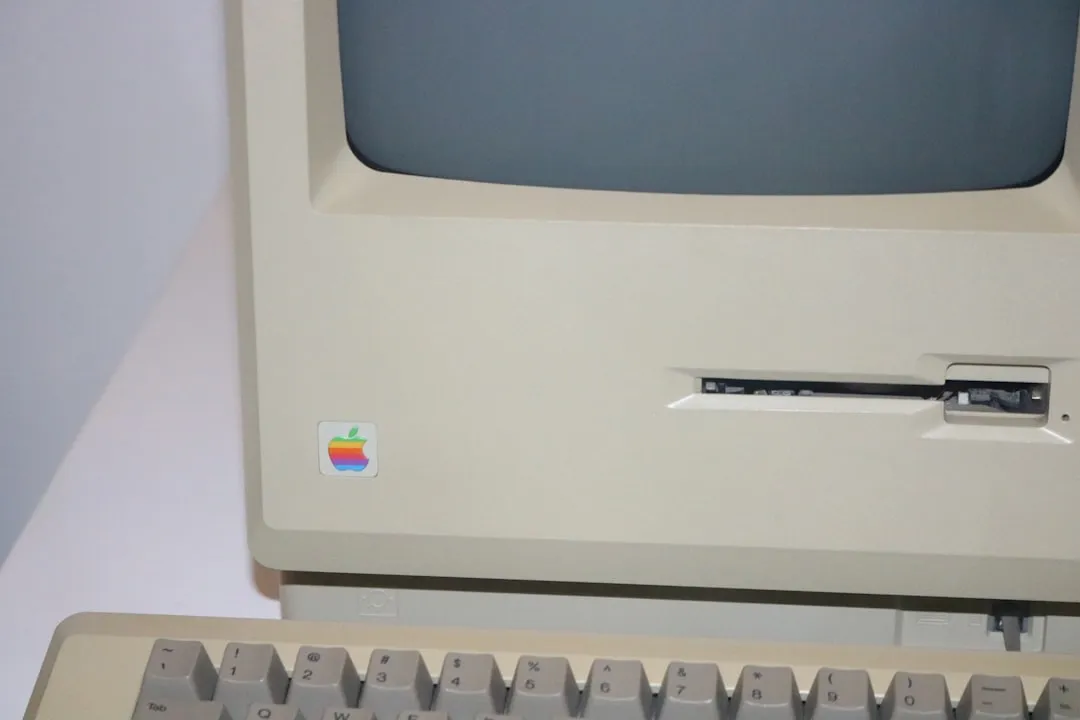
Mac OS X at 25: The Unfinished 2001 Launch That Shaped Modern Apple
Today marks 25 years since Apple put Mac OS X 10.0 on store shelves. The price was $129, roughly $238 in today's money, and it was not bundled with new Mac purchases. The software couldn't play DVDs, couldn't burn CDs, ran slower than the operating system it was meant to replace, and shipped without native versions of Microsoft Office or Adobe's creative tools. Bertrand Serlet, who oversaw OS X platform technology at Apple during those early releases, later admitted the 1.0 was so slow and expensive that many buyers would simply be disappointed, per Wikipedia.
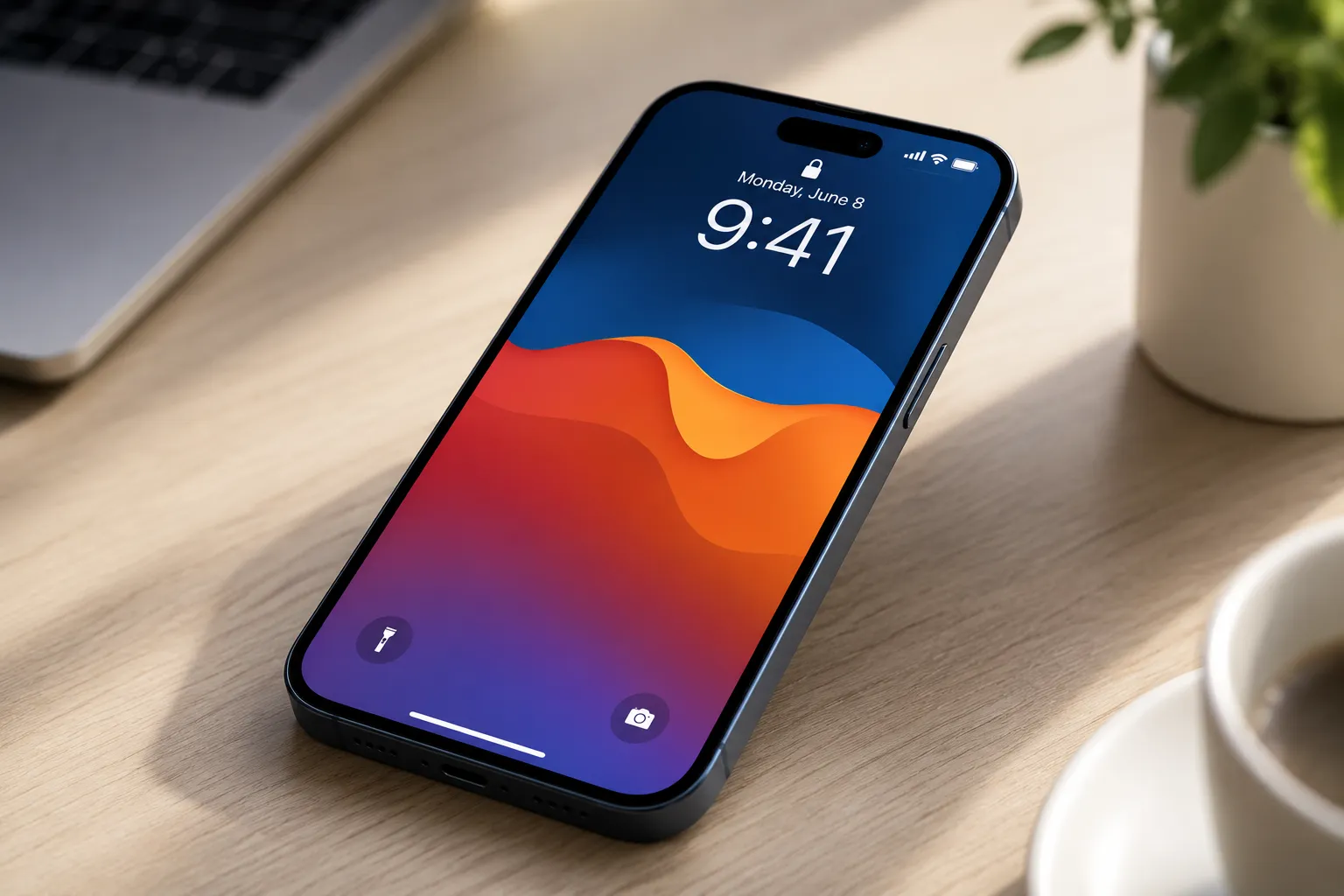
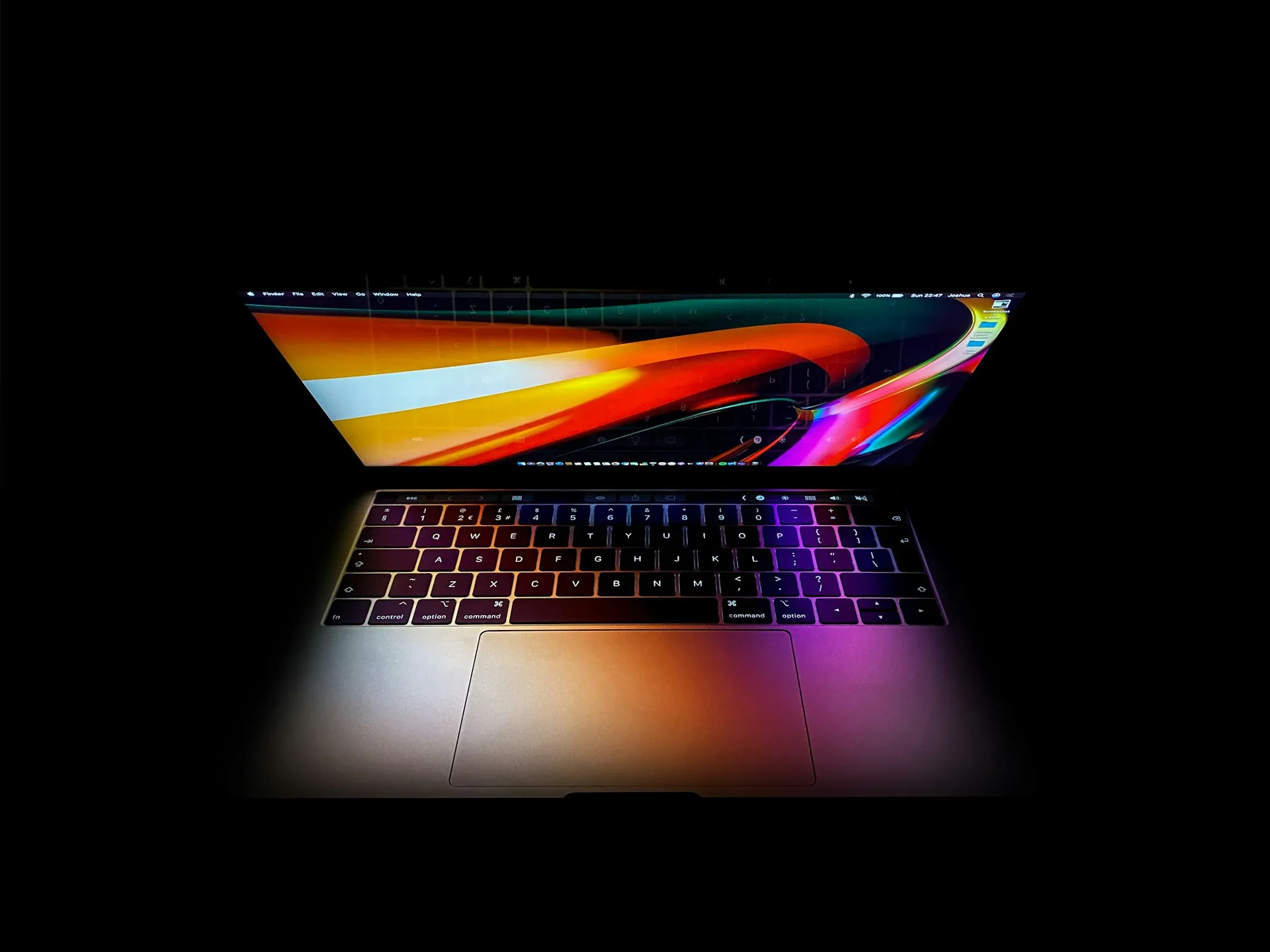
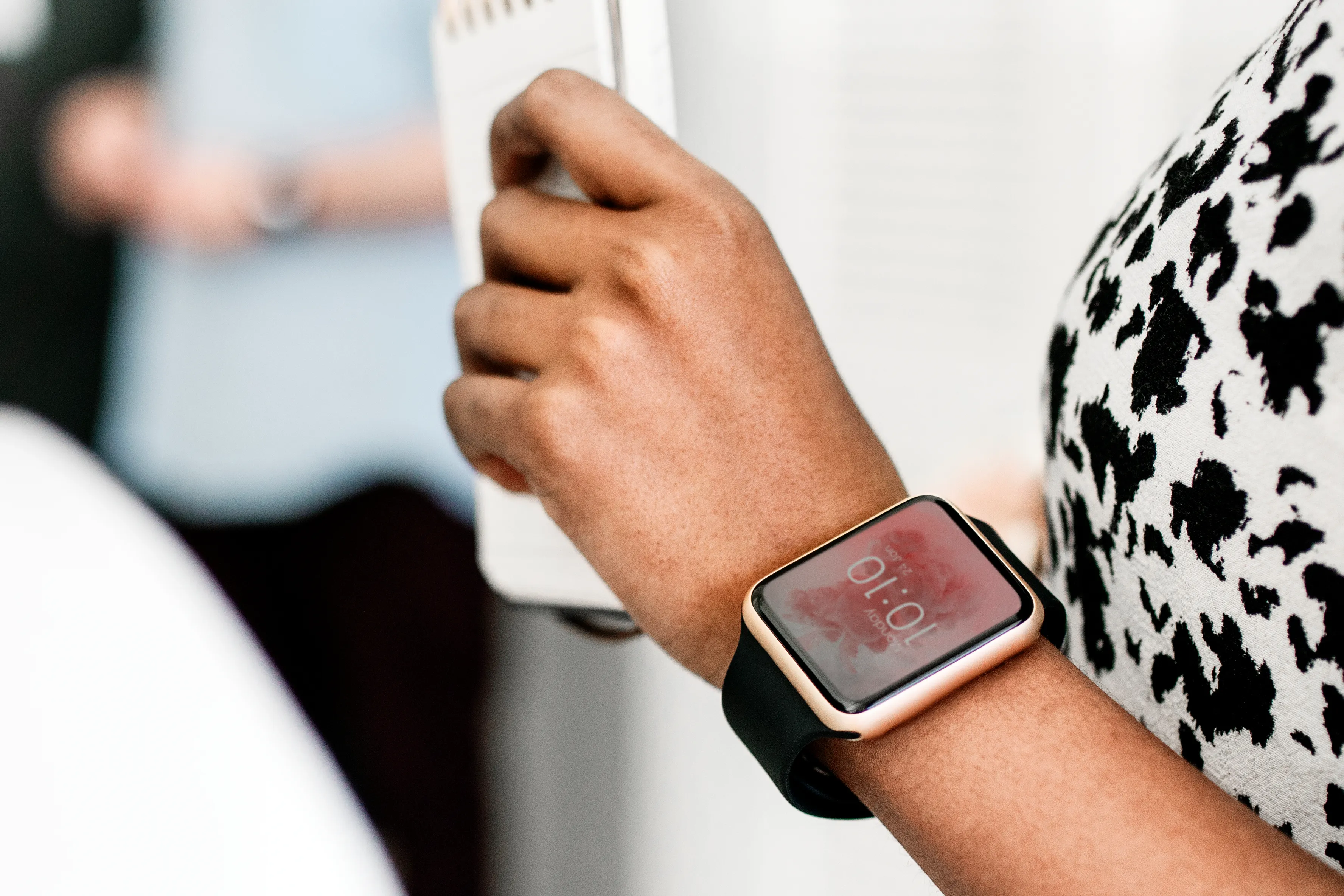
None of that diminished what happened. Every Mac running macOS Sequoia, every iPhone running iOS 18, every Apple Watch traces its software lineage directly to the Unix-derived architecture Apple launched on this date. That foundation has survived two chip transitions, two renamings, and the leap from desktop computers to wristwatches. It has now outlasted Jobs's own prediction of 15 to 20 years.
Apple didn't ship a finished product on March 24, 2001. It shipped a platform commitment.
From crisis to launch: how Apple got to March 24, 2001
The backstory starts not at Apple but at NeXT, the company Jobs founded in 1985 after being forced out. The OS he built there, NeXTSTEP, ran on Mach and BSD Unix kernels with object-oriented programming throughout. When it shipped with NeXT hardware in late 1989, Windows NT didn't yet exist, according to Goto10. NeXTSTEP was a genuinely modern operating system at a time when its competitors were still figuring out what modern meant.
Meanwhile, classic Mac OS was aging badly. For all its interface innovations, it never achieved preemptive multitasking or protected memory, the architectural standards that had become table stakes by the mid-1990s, per Macworld. The practical consequence was ugly: a single misbehaving application could take down the entire system. Mac users learned to save constantly and reboot often.
Apple's internal attempt to fix this, a clean-sheet kernel project called Nukernel, failed outright, according to The Register. By 1997, the company was mere weeks away from bankruptcy, per The Register.
CEO Gil Amelio's solution was to buy NeXT in December 1996 for approximately $427 million, bringing both Jobs and NeXTSTEP inside Apple, per The Register and TidBITS. Apple had seriously considered acquiring Be, founded by former Apple executive Jean-Louis Gassée, before choosing NeXT, per TidBITS. The choice ultimately came down to architecture: NeXTSTEP had a decade of Unix engineering behind it that BeOS couldn't match.
The NeXT acquisition wasn't primarily about getting Jobs back. It was about getting an OS with modern bones. Everything that followed flows from that choice.
Turning the acquisition into a consumer product took four years of engineering work, merging classic Mac expectations with a new Unix foundation. A server-focused preview, Mac OS X Server 1.0, appeared in 1999, featuring a hybrid interface mixing classic Mac OS and NeXTSTEP elements, though it was not intended for general consumers, per Goto10. A paid public beta followed, selling around 100,000 copies and generating more than 75,000 feedback submissions; beyond the numbers, it acclimated users to Aqua and to the idea of a Mac that looked nothing like the Mac they knew, per Wikipedia. Then came March 24, 2001.
What Mac OS X 10.0 was and what it still couldn't do
The genuine advance in 10.0 was architectural. Derived from NeXTSTEP and FreeBSD, the new OS brought preemptive multitasking and protected memory to the Mac for the first time, per Wikipedia and Goto10. That removed one of classic Mac OS's most notorious failure modes: the rogue application that crashed everything else with it.
The Aqua interface was equally striking. Glossy, animated, built around a new Dock and a redesigned Finder with browser-style single-window navigation, it looked like nothing the Mac had shipped before. Jobs told his team the design goal was that users would "want to lick it," per Macworld. The visual break also served a strategic purpose: it made a Unix-based reset feel recognizably Mac. The new Mail app, descended directly from Jobs's favorite NeXTSTEP application, shipped alongside it. Users praised both Aqua and the clean installation process even as they complained about almost everything else, per Wikipedia.
What 10.0 couldn't do was substantial:
- No DVD playback
- No CD burning
- Limited printer support
- Very few native applications; Microsoft and Adobe had not updated their software for the Aqua APIs, per The Register
- Performance measurably worse than Mac OS 9 on identical hardware, per Wikipedia and Neowin
Boxed copies shipped with a Mac OS 9.1 disc. New Macs still defaulted to OS 9 at boot. OS X didn't become the default operating system on new Mac purchases until early 2002, with the release of version 10.1.2. More than a year after the retail launch, per Neowin.
Those gaps were the cost of shipping an architectural reset before it was fully finished. Apple was committing to a direction, not delivering a complete product. The question was whether the team could close the distance fast enough to keep users from walking away.
Six months to viable: the NeXTSTEP to Mac OS X payoff
Mac OS X 10.1, code-named Puma, shipped September 25, 2001, six months after 10.0. Free update discs were distributed through Apple Stores during October for existing OS X users, though the full upgrade package, which included a Mac OS 9.2.1 disc and developer tools, was available through Apple's Up-to-Date program for $19.95, per 512 Pixels. The performance numbers Jobs cited at his Seybold keynote were striking: window resizing five to ten times faster, menus appearing five times faster, app launches two to three times faster, according to 512 Pixels. DVD playback arrived. CD burning arrived. Menu bar status icons and improved printer support arrived.
The developer ecosystem was catching up in parallel. By July 2001, just four months after launch, over 1,000 native OS X applications were already shipping, and 55% of Mac developers surveyed were targeting OS X releases by December 2001, per 512 Pixels. Macworld's Jason Snell reviewed 10.1 as "the first version of OS X that's truly ready for general use," quoted via 512 Pixels. That combination, platform improvements and third-party momentum arriving together, is what made the 10.0 launch-day promise credible in retrospect.
Jaguar (10.2), released August 2002, pushed further. Quartz Extreme offloaded rendering to the GPU. Windows networking via Samba arrived. iChat shipped. The BSD layer was updated with FreeBSD 4.4 code, per OSNews and Neowin. Scrolling and window resizing were roughly twice as fast as in 10.1. Jaguar also fixed longstanding printer support problems through CUPS, the Common Unix Printing System, which Apple subsequently open-sourced and which is now widely used across the Linux ecosystem, per The Register. Apple felt confident enough to stage a mock funeral for Classic Mac OS at WWDC that year, per The Register.
Jaguar still had real compatibility problems. A number of applications refused to run or crashed unpredictably under the new OS, per OSNews. The platform was viable, not complete. But viable was enough to establish momentum that wouldn't reverse. From launch to genuine mainstream traction took roughly 18 months, and the pace of that iteration is as much a part of the Mac OS X story as the launch itself.
What the architecture built: Mac, then everything else
The Mac itself was the first proof of durability. At Seybold 2001, Jobs described Mac OS X as "the platform we're going to build on for the next 15 to 20 years," per 512 Pixels. He was underselling it. As Six Colors observed in January 2025, "almost everything in it is just how the Mac works, even 25 years later."
Two processor transitions tested that durability, and both times the architecture held. Mac OS X moved from PowerPC to Intel beginning with Tiger in 2005, then from Intel to Apple Silicon beginning in 2020, per The Register. Each transition carried the Darwin kernel, Mach/BSD foundations, and Cocoa framework philosophy forward without requiring a rebuild from scratch. The portability baked into NeXTSTEP's original design is what made that possible.
Then the architecture escaped the Mac entirely. The iPhone's original OS, released in 2007, grew out of Mac OS X's Unix base and developer framework philosophy, giving a pocket-sized device a full modern OS at a time when mobile software was still largely built on stripped-down embedded systems, per TidBITS and Goto10. iPadOS, watchOS, and tvOS all extend that same lineage.
TidBITS described the scale plainly in 2021: what started as a desperate move to save a failing company had become the foundation of a $2 trillion ecosystem. The NeXTSTEP kernel Jobs built in 1985 to compete with Apple now runs Apple.
The gamble that held
On March 24, 2001, Apple shipped software that its own platform technology chief later admitted was too slow and too expensive for most buyers. Then the team spent six focused months fixing it. The turnaround from 10.0 to a platform with genuine mainstream traction took roughly 18 months. That's the part the anniversary numbers tend to obscure: the launch was the start of the commitment, not its completion, per Wikipedia and 512 Pixels.
Jobs predicted 15 to 20 years. The architecture has now run 25 and shows no signs of retirement. It has survived the death of PowerPC, the Intel era, the Apple Silicon transition, and the expansion from desktops to phones to wristwatches, per The Register and TidBITS.
The central paradox of today's anniversary is that one of Apple's most consequential software launches was also one of its least finished. The open question for the next 25 years isn't whether macOS endures; it's whether the architectural clarity that made the original platform so durable survives the increasing complexity of Apple's much larger current software stack. The foundation has held. What gets built on it is a different story.


Comments
Be the first, drop a comment!