



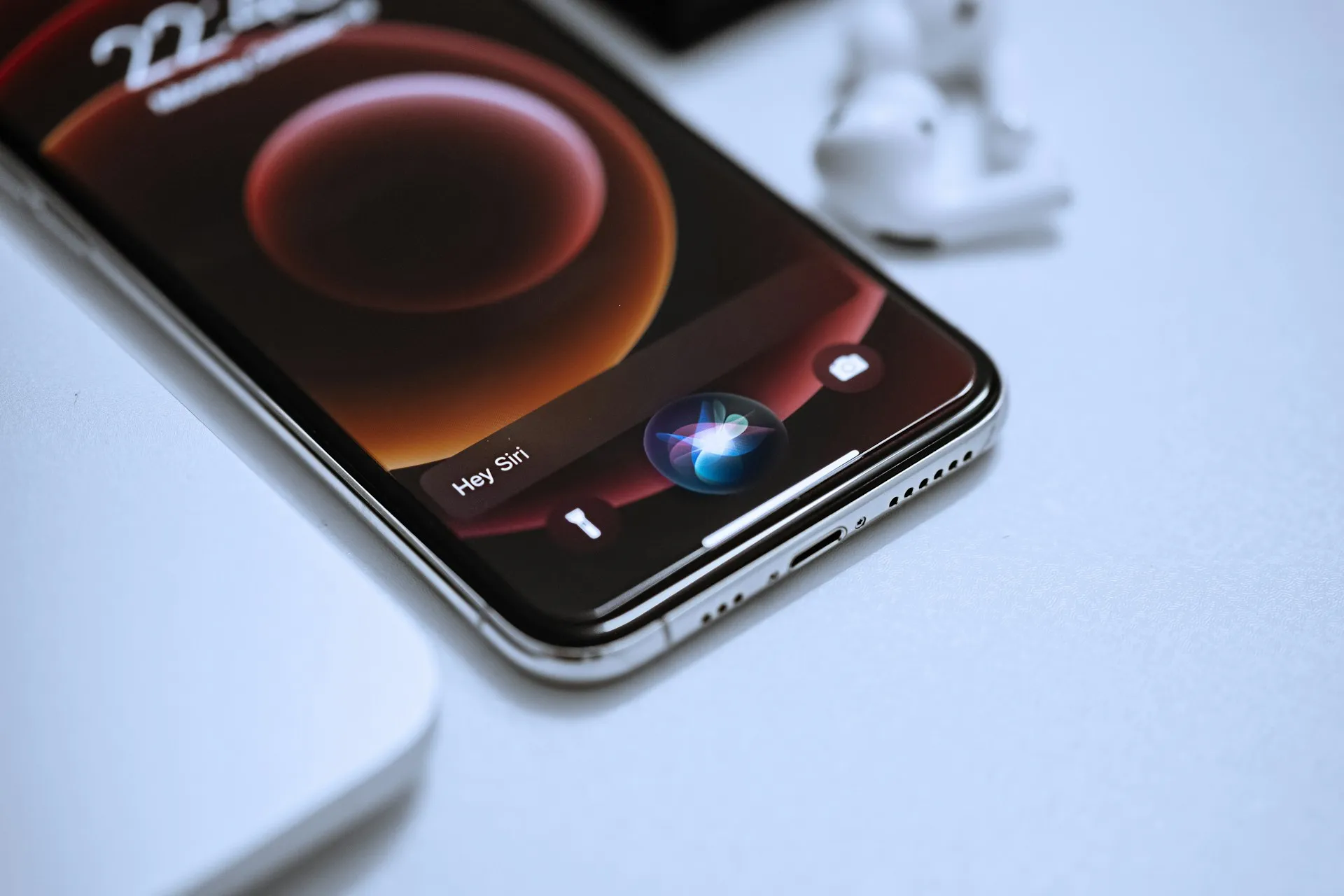
macOS 27 "Golden Gate" started rolling out Sept. 14, bringing what Apple calls "an entirely new version of Siri" to the Mac, according to Apple Newsroom.
The macOS 27 Siri AI features include a dedicated conversational app, personal-context search across messages and email, and systemwide actions that reach into files, folders and other apps.
There's a hardware catch before anyone gets excited. macOS 27 drops Intel Macs entirely. Apple's compatibility list covers Macs with M1 chips or later, along with the A18 Pro-powered MacBook Neo, making this the first macOS release since Apple's transition to Apple silicon to exclude Intel hardware altogether, Ars Technica reports.
Siri AI itself is rolling out as an English-language beta. French, Japanese, Korean, Portuguese and Spanish support are planned for October, Apple says.
Here's what's usable on Mac today, which machines qualify, and the storage, region, language and third-party app caveats worth checking before installing.
What are the new Siri AI features in macOS 27?
Siri now lives in its own app, and conversations sync through iCloud across Mac, iPhone, iPad, Apple Watch and Vision Pro. That means a chat started on one supported device can continue on another, according to Apple and a Tom's Guide hands-on review.
Siri AI is also integrated into Spotlight and systemwide context menus. Control-clicking supported images, files or text can bring up an option to ask Siri about what's on screen. Visual Intelligence comes to Mac with a dedicated keyboard shortcut that lets users select something on the display and ask Siri about it directly.
The assistant can draw on personal context from messages, email, photos and other indexed information. It can also answer questions about onscreen content and search the web for current information.
Siri's app actions let it go beyond answering questions. In Tom's Guide testing, looking at a schedule could surface an option to add an event to Calendar, while Shortcuts can now generate workflows from a typed or spoken description instead of requiring users to assemble every action manually.
How Apple Intelligence improves Siri in macOS 27, and where it still falls short
Tom's Guide found that the new Siri app behaves more like a modern conversational assistant than the previous version, but its main advantage on Mac is its integration with the operating system.
Writing Tools show how that integration works. Siri can generate a draft from scratch or revise existing text based on a user's instructions. In Mail and Messages, Apple says it can reflect the tone and punctuation a person typically uses with a specific recipient.
Apple Intelligence also automatically proofreads as users type across the system, including in most third-party apps.
Deeper third-party app control is less consistent. Apple provides developers with App Intents and Spotlight integration to make their apps' content and actions available to Siri AI, but individual apps still have to support those capabilities.
Tom's Guide found those limits during testing. Siri could work with Apple's own apps more deeply but struggled with some third-party services, including Google apps, and could open Discord without being able to send a message through it.
Anyone whose daily workflow depends heavily on Gmail, Google Calendar or other third-party apps should not assume Siri can control them as deeply as Apple's built-in software yet.
What the macOS 27 Apple Intelligence features require: hardware and storage
macOS 27 requires Apple silicon. Supported Macs include models with M1 chips or later, as well as the A18 Pro MacBook Neo. Intel Macs cannot install Golden Gate.
Most Siri AI features work on those supported Macs, but Apple has a higher hardware tier for its most advanced on-device model.
AFM 3 Core Advanced requires a Mac with an M3 chip or later and at least 12GB of unified memory. On supported Macs, it enables more expressive Siri voices and more advanced systemwide dictation. M1 and M2 Macs still get Siri AI without those enhancements.
Storage is another consideration. Ars Technica found that a fresh Golden Gate installation on an M1 MacBook Air used about 17GB more space than macOS Tahoe with Apple Intelligence disabled. Compared with Tahoe with Apple Intelligence already enabled, the increase was a little over 4GB.
On an M3 MacBook Air, macOS reported 22.42GB of storage used by Apple Intelligence itself. That figure is the model footprint on that test machine, not a 22.42GB increase from the previous version of macOS.
The models are also harder to avoid than before. Ars Technica found that Apple removed the previous setting for disabling Apple Intelligence and deleting its downloaded models. On a freshly installed Golden Gate Mac, the models download after the computer connects to the internet.
Who can't use Siri AI yet, and what should you check before relying on it?
Siri AI availability depends on language and region.
The beta starts in English, with French, Japanese, Korean, Portuguese and Spanish coming in October. Apple Intelligence more broadly supports additional languages, but that does not mean Siri AI itself is available in all of them yet.
Mac users in the EU can access Siri AI when their device is set to a supported language. The initial EU restriction applies to iPhone, iPad and Apple Watch, not Mac or Vision Pro.
Siri AI and the other new Apple Intelligence features are not available in China while Apple works through regulatory requirements.
Age is another restriction. Apple says Siri AI is not available to users under 13.
Certain features that rely on Apple's server-side models also have daily usage limits, including Siri AI, intelligent photo-editing tools, Image Playground and AFM 3 Cloud models in Shortcuts. Apple says the limits can vary based on the feature, request complexity, system demand and other factors.
Apple's September release notes say expanded access to those server-based features will be available for a fee in the future. That replaces earlier June wording that tied increased access to most iCloud+ plans.
On privacy, Apple says requests handled through Private Cloud Compute are processed so personal data is not stored or made accessible to Apple. The company also makes software images for its Private Cloud Compute servers available for independent security research.
Before you update: quick checklist
Confirm the Mac uses Apple silicon. Macs with M1 or later qualify, along with the A18 Pro MacBook Neo. Intel Macs cannot install macOS 27.
Check available storage. Apple Intelligence can occupy well over 10GB, with the exact footprint varying by hardware and setup.
Make sure Siri AI is available in your language. The current beta starts in English, with French, Japanese, Korean, Portuguese and Spanish due in October.
Check regional availability. Siri AI works on supported Macs in the EU but is not currently available in China.
If daily work depends on third-party apps such as Gmail, check what Siri can actually access or control before relying on it for cross-app tasks.
Remember that Macs with M3 chips or later and at least 12GB of unified memory get the advanced Siri voice and dictation features that older supported Macs do not.
What to do now
macOS 27 turns Siri into a more conversational, context-aware assistant with a dedicated app, Spotlight integration, systemwide context menus, Visual Intelligence and broader actions across the Mac.
The main requirements are straightforward: compatible Apple silicon hardware, enough free storage, a supported region and a language currently supported by the Siri AI beta.
M1 and M2 Macs still receive the core Siri AI experience. Macs with M3 chips or later and at least 12GB of unified memory add Apple's more advanced on-device model for improved dictation and more expressive voices. Third-party app integration remains more uneven, so users who rely heavily on non-Apple services should check those workflows individually after updating.




Comments
Be the first, drop a comment!