





New Siri EU iPhone Availability Explained: The DMA Factor
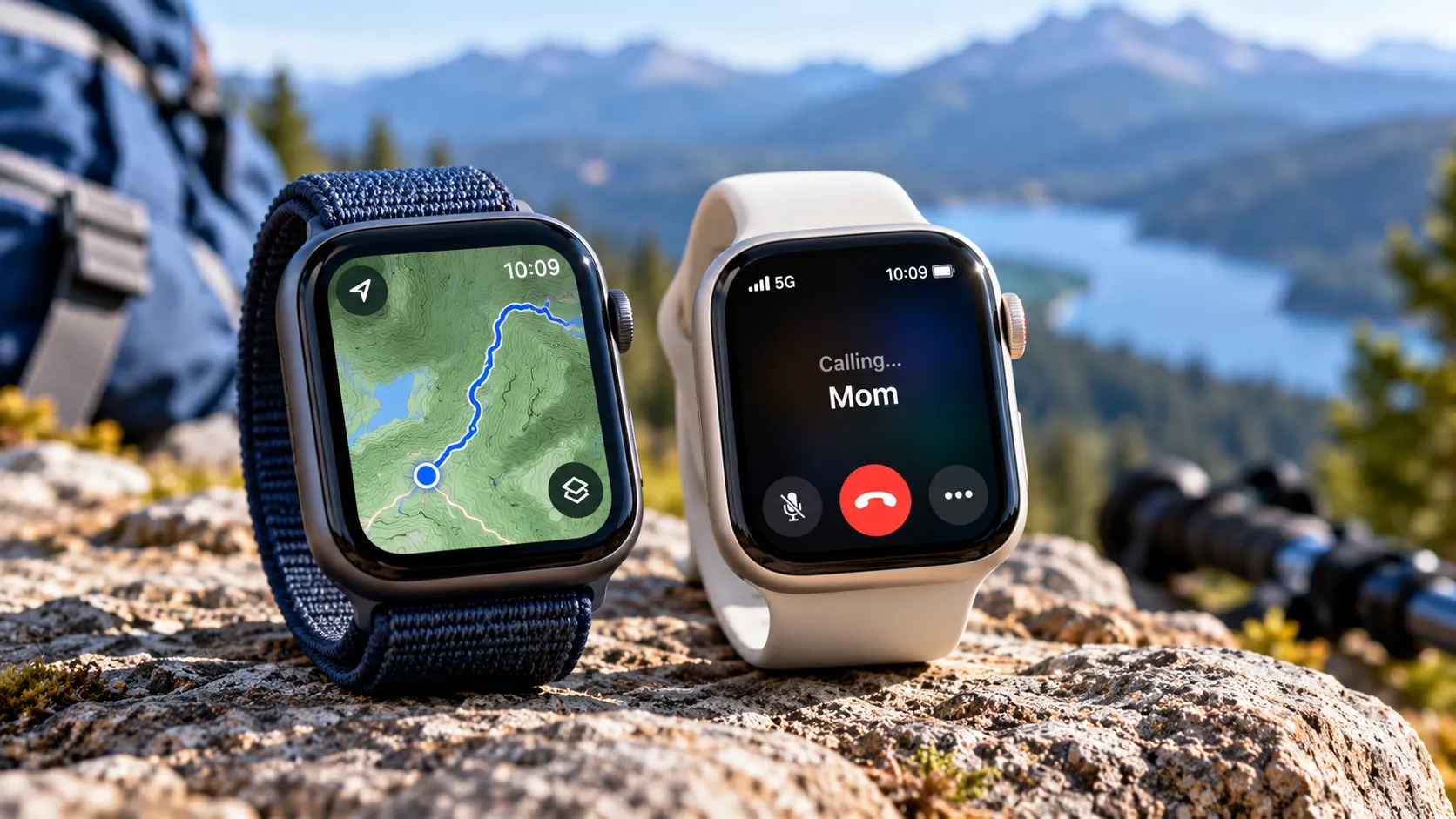
Apple confirmed today that its redesigned Siri AI will reach EU users on Mac, Apple Watch, and Vision Pro when it launches but not on iPhone or iPad. The word Apple used was "initially," according to its newsroom, which signals the exclusion is not permanent without committing to any timeline for changing it. For EU iPhone users, that single adverb is doing a lot of work.
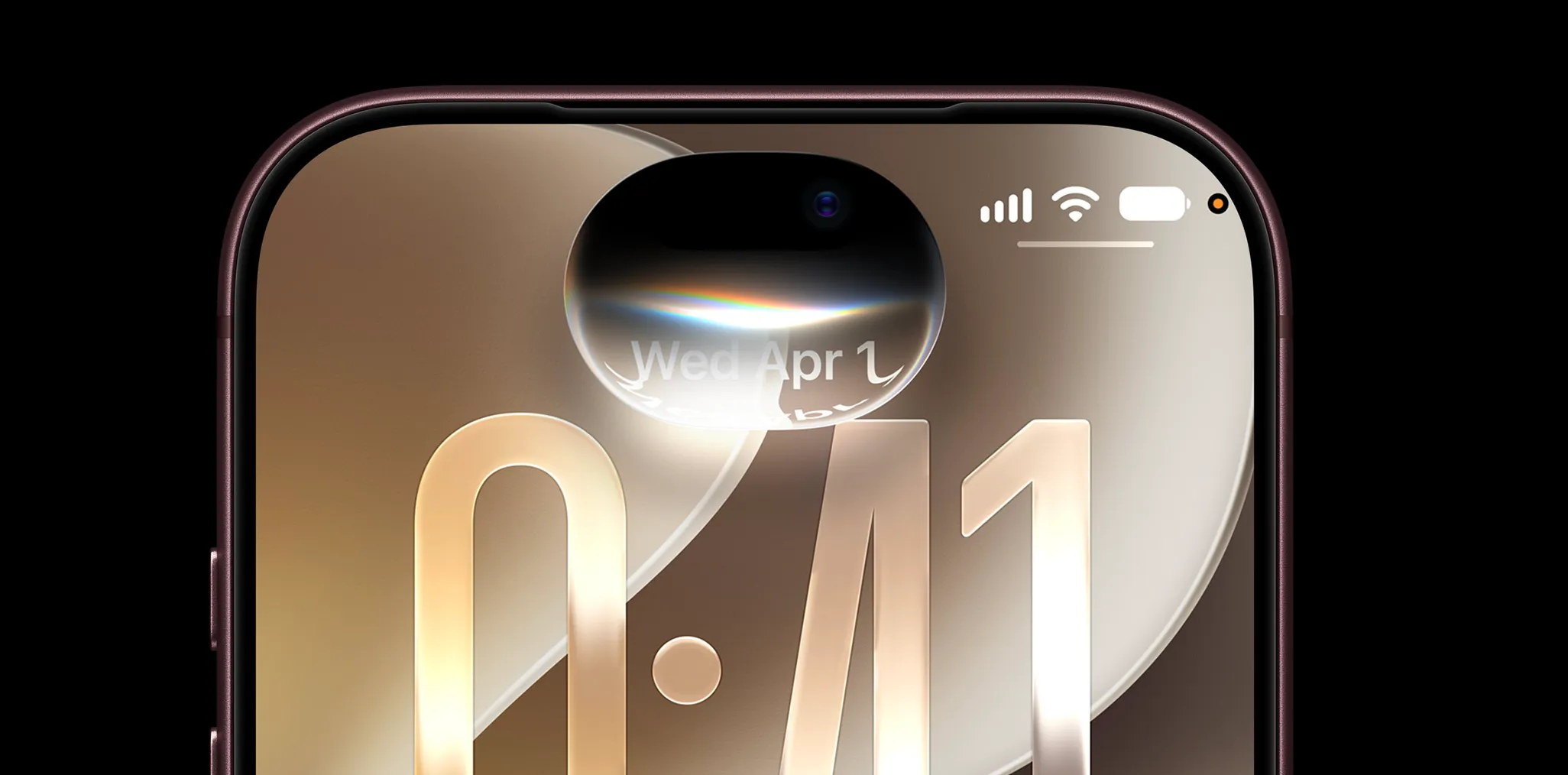
Siri AI is not a minor update. It is Apple's next-generation assistant, built to draw on personal context messages, calendars, app actions, device controls and serve as the primary AI interface across Apple's ecosystem. Apple has not publicly identified the Digital Markets Act as the reason for excluding iPhone and iPad in the EU. Its own prior EU disclosures do, however, describe the exact compliance mechanism that would produce this kind of exclusion, and the device split follows that pattern closely.
Apple is also withholding the new Siri and other Apple Intelligence features from Chinese users while it works through regulatory requirements there, per the same announcement. Different law, same mobile outcome. The EU situation is the focus here.
New Siri EU iPhone availability: why the iPhone is different from Mac and Watch
The exclusion is selective, not total. That selectivity is the starting point for understanding what is likely going on.
On an Apple Watch, Siri handles quick commands on a stripped-down interface set a timer, start a workout, send a short message. On a Mac, it sits alongside a full desktop environment: menus, a browser, keyboard shortcuts, dozens of third-party entry points that give users other ways in. The iPhone is a different situation. Siri AI on an iPhone would function as the default interface layer connecting a user to their messages, apps, personal data, and device controls on the device most people carry everywhere and rely on for nearly everything. That is not a feature. That is something closer to a platform gateway.
This distinction matters for how regulators may look at it. If AI assistants become the primary front door to apps, content, search, and device controls, regulators may treat them less like software features and more like platform infrastructure, according to AppleMagazine last month. On a watch or a desktop, that concern is abstract. On a phone, it is concrete and the iPhone is where it lands hardest.
The Digital Markets Act, introduced in 2022 to make large digital platforms more contestable, spent its first two years of enforcement focused on familiar surfaces: app distribution, search, messaging, and online marketplaces, per AppleMagazine. Virtual assistants are already listed as a core platform service under the law, even though no major assistant has yet been formally designated a gatekeeper. The European Commission is now looking more directly at that layer: its first DMA review flagged cloud services and AI as priority areas, and Reuters reported the Commission is assessing whether certain AI services should be treated as virtual assistants under the law's existing framework, as cited by AppleMagazine. If third-party assistants cannot access the same app actions, personal context, and device controls as Siri AI, the EU may identify a contestability problem one that is specific to the iPhone, and does not meaningfully apply to a watch or a desktop.
Apple has done this before
Siri AI on iPhone is the most prominent addition to a list Apple has been building for over a year.
The company was unable to bring AirPods Live Translation, a real-time cross-language conversation feature, to EU users. It delayed Maps features including Visited Places and Preferred Routes, citing an inability to share location-dependent capabilities with third-party developers without exposing user location data it was not willing to expose. It also held back iPhone Mirroring, according to Apple's newsroom last September. These are not fringe features. They are Apple Intelligence capabilities that never reached EU iPhone users because Apple could not resolve a specific compliance tension.
Apple's stated explanation across these cases is consistent. Under the DMA, the company argues, launching a feature for its own users before making equivalent access available to rivals' products is illegal and could result in fines or being forced to stop shipping products in the EU entirely, per the same Apple statement. Ship the feature with mandated third-party access, and Apple says it cannot do so without creating privacy exposures it considers unacceptable. The result, repeatedly, is that the feature does not ship at all.
The privacy concern Apple describes is specific. Under DMA-mandated interoperability rules, third parties can request access to the complete content of a user's notifications messages, emails, and medical alerts and the full history of Wi-Fi networks a user has joined, data Apple says can reveal whether someone has visited a hospital, fertility clinic, or courthouse, per Apple's newsroom. Apple says it is required to satisfy almost every such request. Siri AI, which works by drawing on exactly that kind of personal context, sits at the center of this problem.
After more than a year of DMA enforcement, Apple's own assessment is pointed: teams across the company are spending thousands of hours trying to bring features to EU users within the law's constraints, and the experience for EU Apple users has gotten worse as a result, per Apple's newsroom. That is Apple's advocacy, not a neutral finding. But it explains the pattern of delayed features and, by the same logic, why the company may be reluctant to ship Siri AI on iPhone until it has a compliance path it considers workable.
To be clear about what is confirmed and what is inferred: Apple has not said the DMA is specifically why iPhone is excluded from the Siri AI launch. What it has established, through repeated public disclosures, is the mechanism by which this kind of exclusion occurs. The two things fit together closely enough that the DMA is the most plausible explanation on offer but it remains an inference, not a stated reason.
What EU iPhone users should actually expect
Apple used the word "initially." That is the sum total of what has been confirmed about timing. No concrete timeline has been given for when Siri AI will reach EU iPhones, and Apple has not indicated whether resolution depends on a regulatory negotiation, a specific iOS update, or something else entirely.
Reports indicate Apple plans to let users choose rival AI models potentially from Google or Anthropic for text and image tasks through a Settings-based system coming in iOS 27, according to AppleMagazine last month. Whether the European Commission accepts that as genuine compliance turns on a question that cannot yet be answered: whether rival models will receive equivalent access to system-level functions and personal context, or whether they will simply appear in a menu without the deep integration that makes Siri AI useful. Model choice and assistant parity are not the same thing, and the gap between them is where regulatory disputes tend to live.
If the Commission moves to formally designate virtual assistants as gatekeeper services under the DMA, the obligations Apple would face go well beyond a model-choice menu potentially covering default assistant selection, interoperability at the system level, and data portability requirements, per AppleMagazine's analysis. EU iPhone users could eventually see new Settings panels, default assistant options, AI model selectors, and labels disclosing whether a response comes from Apple or an outside provider, according to AppleMagazine. That would affect the iPhone experience more directly than anything the App Store rules produced.
Two developments are worth watching: whether Apple sets a concrete timeline for Siri AI on EU iPhones, and whether the Commission opens formal proceedings to designate AI assistants under the DMA. Those two events, in either order, will determine whether EU iPhone users get Siri AI on a delay or end up with a structurally different version of it than users everywhere else.





Comments
Be the first, drop a comment!