





Nintendo Music CarPlay Update Adds Siri, iPad, and Android Auto
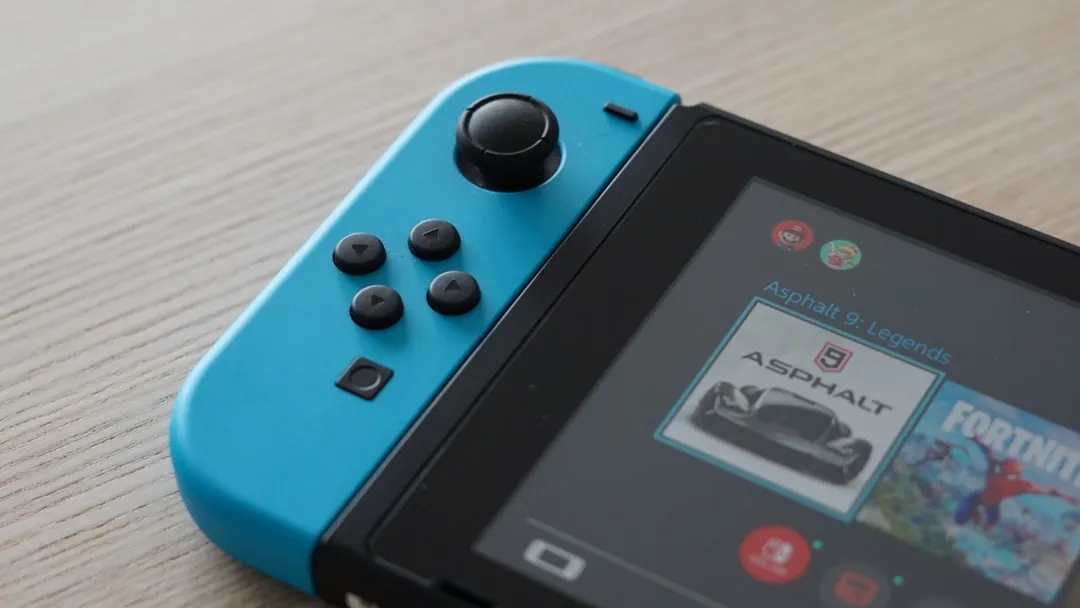
Nintendo pushed a significant update to its Nintendo Music app this week, adding CarPlay support, Android Auto support, Siri voice search, and a native iPad app in a single release. The Nintendo Music CarPlay update adds the game soundtrack app to car dashboards and tablet hardware for the first time, making it more usable across devices subscribers already own.
The app is a free download but requires a Nintendo Switch Online membership. A seven-day trial is available for anyone without one, according to Nintendo.
What the Nintendo Music CarPlay update adds
Nintendo Music now appears in the CarPlay app grid, giving drivers access to their full game soundtrack library, search, offline playback, and curated lists directly from the car's built-in display, per 9to5Mac. It's a full-featured version of the iPhone app, not a stripped-down companion. Voice commands can control playback and playlists while driving; Nintendo's announcement explicitly advises against using the touchscreen at the wheel.
Siri support, confirmed in Nintendo's own release notes, currently covers track search by voice. That's a focused scope, not full natural-language playlist control, as 9to5Mac notes. Engadget separately reports that voice functionality may also support mood-based playlist generation that adapts to your surroundings, though that detail doesn't appear in Nintendo's official release notes and should be treated as unconfirmed.
Nintendo Music is also now a native iPad app, replacing the stretched iPhone layout iPad users had to live with before, according to 9to5Mac. The same update adds Android Auto support, giving Android drivers in-car access alongside CarPlay users. Available documentation covers the CarPlay side in considerably more detail than the Android Auto implementation.
The update also adds music from Mario Kart World to the app's catalog, confirmed by Nintendo. That's a separate addition from the platform expansions, but it lands in the same release.
How these additions change where subscribers can actually listen
Before this update, Nintendo Music was realistically a sit-down app. Something you'd open at a desk or put on through a phone speaker. CarPlay puts it in the car without requiring a screen tap. A native iPad app gives it a proper large-screen home. Siri lets drivers find tracks without looking away from the road. Each addition is modest on its own; together they cover most of the hardware contexts where an iPhone or iPad owner might realistically want background music running.
Nintendo's own announcement frames the app's supported contexts as "phone, tablet, computer, or car." That list now maps accurately to what the app actually supports, and it's a useful way to think about what this update accomplishes: it fills the gaps in a device stack that Switch Online subscribers largely already own.
Three groups of subscribers stand to benefit from this update, and for different reasons. Existing members gain meaningful new access points without paying anything extra. Lapsed subscribers who found the app too tied to console hardware have a different picture to evaluate now. And anyone who's been skeptical that Nintendo Music could function as a serious everyday listening app, rather than an occasional novelty, now has the platform coverage to test that assumption. Whether the catalog justifies regular use is a separate question, but this update removes the friction of getting there.
The membership requirement is worth keeping in mind. The update expands where the app runs, but it doesn't change the access model. Non-subscribers can use the seven-day trial to see whether the library suits them, but there's no path to CarPlay or iPad without an active Nintendo Switch Online membership.
What subscribers get in the car specifically
The CarPlay implementation is worth unpacking beyond the feature list. Nintendo Music shows up in the app grid the same way any audio app does, so switching to it from another source is straightforward. From there, drivers can browse by game, search for specific tracks, access offline content, and work through curated lists, all from the car's built-in display.
The voice layer is more limited. Siri handles track search, so asking for a specific Mario Kart theme or a Zelda title works. What it doesn't do, based on current documentation, is handle broader requests. Asking Siri to pull up something uptempo for a highway drive, or to generate a playlist based on a mood, isn't confirmed functionality in Nintendo's release notes. The Engadget report suggests vibe-based playlist generation may be part of the voice feature set, but until Nintendo confirms it, that capability is unclear.
That gap matters for how the in-car experience actually feels. Siri track search is genuinely useful when you know what you want. It's less useful when you want the app to do some of the thinking for you, which is exactly when hands-free voice control is most valuable on a long drive. The CarPlay implementation gives subscribers a real way to use Nintendo Music in the car; it just doesn't close the distance between Nintendo Music and a fully conversational audio experience yet.
Nintendo Music comes to CarPlay as Apple builds out in-car audio
Apple added an Ambient Music widget to CarPlay in iOS 26.4, giving drivers dashboard access to mood-based playlists across four categories: Chill, Productivity, Sleep, and Wellbeing, according to 9to5Mac's coverage from late April. That's a separate feature from Nintendo Music, but it's relevant context: CarPlay is getting more dedicated audio surface area, not less.
Nintendo Music enters that environment with a catalog no streaming service carries. Decades of first-party game soundtracks, including the newly added Mario Kart World music, sit behind a Nintendo Switch Online paywall that has nothing to do with per-track licensing the way Spotify or Apple Music works, confirmed by Nintendo. The app isn't competing with Apple Music on library breadth. It doesn't need to. It occupies a completely different listening context, and it now has the platform coverage to reach people in that context more often.
What's still missing
The clearest gap is Siri's current scope. Track search is useful, but playlist-level voice control is the feature that makes hands-free listening genuinely low-friction on a longer drive. If Nintendo extends Siri support to full playlist commands in a future update, the in-car experience improves substantially without requiring any new platform work.
That's the one move that would close the distance between where Nintendo Music sits now and what it would take to feel fully integrated into the Apple device stack it's clearly targeting. The platform coverage is there. The catalog is there. The voice layer is the piece that hasn't caught up yet.





Comments
Be the first, drop a comment!