





Should You Wait for the MacBook Pro 2027 Redesign?
The most useful thing to understand about the rumored MacBook Ultra isn't the OLED display or the touchscreen. It's what those features being somewhere else would mean for the MacBook Pro.
For most buyers, the answer to the wait-or-buy question is no. The current M5 Pro and M5 Max are the safer purchase unless OLED, touch, and a first-generation redesign are exactly what you want. Everything below explains why that conclusion is less obvious than it sounds, and why the MacBook Ultra's existence might be good news even for people who never buy one.
If Apple launches a MacBook Ultra tier above the Pro, as MacRumors reported Mark Gurman signaling earlier this year, the Pro line gets something it hasn't had in years: permission to stay put. Rather than absorbing every experimental feature Apple wants to charge a premium for, the Pro could remain what professionals actually need, mature, stable, and rationally priced.
That's the argument. Not that Apple is doing Pro buyers a favor by design, but that the likely market effect of a distinct Ultra tier is a cleaner, less chaotic Pro lineup. Whether that plays out depends on choices Apple hasn't confirmed. One plausible scenario where it goes sideways is worth keeping in mind before getting too optimistic.
Three facts frame the situation:
- Gurman has reported that the redesigned high-end MacBook may carry "MacBook Ultra" branding, positioned above the Pro rather than as a renamed version of it, per MacRumors from late April
- Apple hasn't redesigned the MacBook Pro since the M1 Pro and M1 Max launch in 2021, making whatever comes next the first major chassis change in at least five years, as MacRumors noted
- That machine is now more likely to arrive in the first half of 2027 than late 2026, pushed back by a RAM supply shortage, according to Macworld last month
What the MacBook Ultra reportedly is, and what's still guesswork
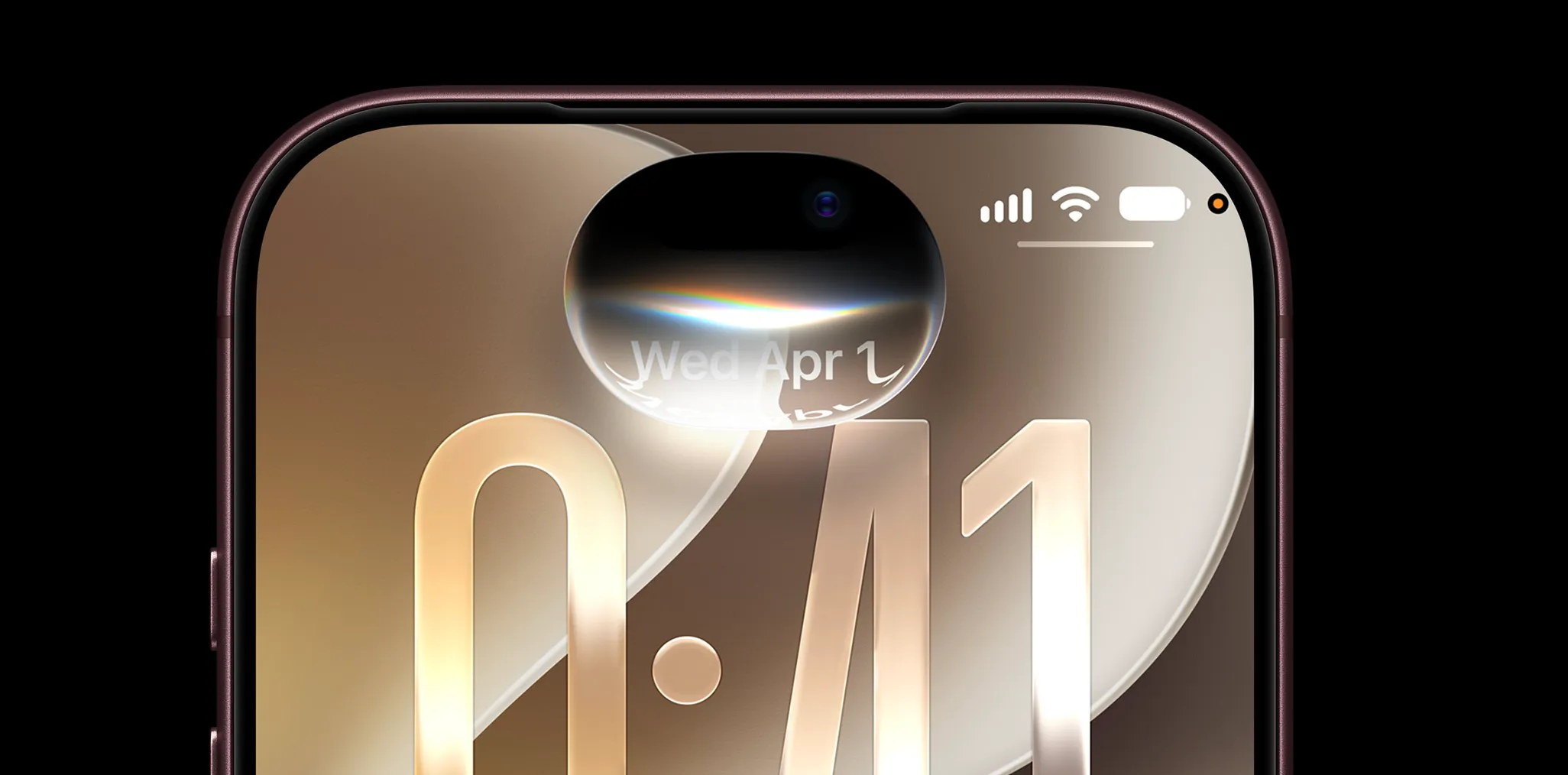
The strongest-consensus features, reported across multiple outlets: an OLED display replacing the current mini-LED panel, touchscreen input alongside the existing keyboard and trackpad, a Dynamic Island hole-punch camera instead of the notch, a thinner chassis, and M6 Pro and M6 Max chips built on TSMC's 2nm process.
On that last point, keyboard and trackpad aren't going anywhere. Sizes stay at 14-inch and 16-inch. There's currently no indication that ports like HDMI, MagSafe, or the SD card slot are being cut to achieve the slimmer design, per MacRumors earlier this month. That suggests Apple is adding touch without turning the MacBook into an iPad with a hinge.
The 2nm chip jump deserves attention. The current M5 Pro and M5 Max use TSMC's third-generation 3nm process. Moving to 2nm involves a shift to GAA nanosheet transistors instead of FinFET architecture, which MacRumors reports TSMC says will deliver improved performance and lower power consumption beyond what routine generational updates produce. This isn't a routine refresh. Pairing a real silicon leap with a new product tier gives Apple cover to position Ultra as genuinely distinct rather than a renamed MacBook Pro with a higher sticker price.
What's less certain: built-in 5G cellular is the weakest-evidenced feature, described across sources as a possibility rather than a corroborated plan. Final branding remains unconfirmed. Pricing is a rumor-level estimate, with MacRumors suggesting the model could land north of $3,000, but that figure comes from Gurman's scenario-building, not a supply-chain figure or official signal. How the MacBook Pro lineup itself changes in response is genuinely unknown.
Why the branding split matters more than the feature list
Here is where the name "MacBook Ultra" does real work, not as a marketing exercise, but as a structural decision with consequences for every MacBook buyer.
Macworld reported last month, citing a direct source, that the primary reason for Ultra branding is straightforward: this machine will cost significantly more and offer an entirely different feature set than current MacBook Pro models. It's not a renamed Pro. It's a tier above it. And if MacRumors is right that Apple may sell OLED M6 models alongside existing M5 machines rather than replacing them, the Pro line stays in market while Ultra commands a premium above it.
That's the scenario where Ultra is good news for Pro buyers. Not because Apple is being generous, but because separating experimental flagship hardware from the mainstream professional lineup removes pressure to inflate the Pro's price or complicate its identity.
When Apple has no tier above Pro, the Pro becomes the test bed. The butterfly keyboard is the cautionary parallel. Between 2016 and 2019, Pro buyers had no choice but to live with Apple's most controversial hardware experiment because there was no tier above them to absorb it first. MacRumors explicitly flags first-generation redesign risk as a reason current M5 buyers may want to hold off on the Ultra, and the butterfly keyboard is the specific precedent that justifies the concern. First-generation OLED, first-generation Mac touchscreen, first-generation Dynamic Island on a laptop: those features land on Ultra buyers first. Pro buyers who don't need the newest display tech, or who want macOS to develop mature touch support before they commit, aren't forced to participate.
9to5Mac argued last month that Ultra branding appears to be an intentional platform-wide strategy. That's commentary, not reported fact, but the pattern across Apple Watch Ultra, Mac Ultra chips, and now possibly iPhone Ultra is suggestive. The point holds regardless of intent: a distinct tier creates market separation between the dependable and the experimental.
Where this thesis breaks down: If Apple lets Ultra absorb all meaningful silicon and display innovation while the Pro line stagnates, the so-called protection becomes neglect. If Apple uses Ultra's existence to quietly raise Pro prices anyway, the segmentation produces no savings for buyers, just more tiers. Neither outcome is ruled out by current evidence. The real test will come when pricing lands and chip allocation becomes clear. If M6 Pro and M6 Max chips stay exclusive to Ultra, or if the regular Pro goes another full cycle without meaningful updates, that's when the segmentation story falls apart.
Should you wait for the MacBook Pro 2027 redesign, or buy now?
The MacBook Ultra redesign argument is interesting as market analysis. It's also a practical question with a reasonably clear answer depending on where you sit.
Buy the M5 Pro or M5 Max now if you need a laptop before late 2026 at the earliest, and realistically before mid-2027. The M5 MacBook Pro refreshed in March; it's current, proven hardware with no first-generation risk. MacRumors is direct: if OLED and touch aren't priorities and cost matters, there's no compelling reason to hold out. The RAM supply shortage that already pushed the Ultra back once could slip the timeline further, per Macworld.
Wait for the MacBook Ultra if you genuinely want OLED display quality, touchscreen input, the 2nm silicon jump, and the full redesign, and you're prepared to pay what MacRumors estimates could be north of $3,000, accept first-generation hardware risk, and hold out until early 2027 or later.
Wait for a subsequent MacBook Pro if you want the 2nm performance gains without the premium or the first-generation gamble. If Apple keeps a separate Pro track and eventually updates it with M6 Pro and M6 Max chips without the OLED touchscreen redesign, that's the more measured upgrade path. This scenario isn't confirmed. It's the logical consequence of a two-tier strategy if Apple executes it cleanly, not a reported plan.
The concrete benefits of Ultra existing, for Pro buyers who never buy one: a more stable Pro identity, a longer runway for macOS to develop mature touch support before it reaches mainstream hardware, and the possibility that current M5 machines remain available alongside the new tier. Those are projected market effects of genuine segmentation, not guarantees.
The moment of truth isn't the feature list or the OLED panel. It's pricing and chip allocation. If Ultra gets the redesign and the 2nm chips while the Pro gets a meaningful update at a stable price, the two-tier strategy works as described. If the Pro gets sidelined instead, the MacBook Ultra will have been good news for exactly one group of people: the ones who bought it.








Comments
Be the first, drop a comment!